Places to visit in Maldives
Planning a trip to Maldives? Here is a complete guide to the best places to visit—from popular tourist attractions to offbeat spots you would not find in every guidebook. Get ready to explore, experience, and fall in love with Maldives!
Top 78 curated places to visit in Maldives
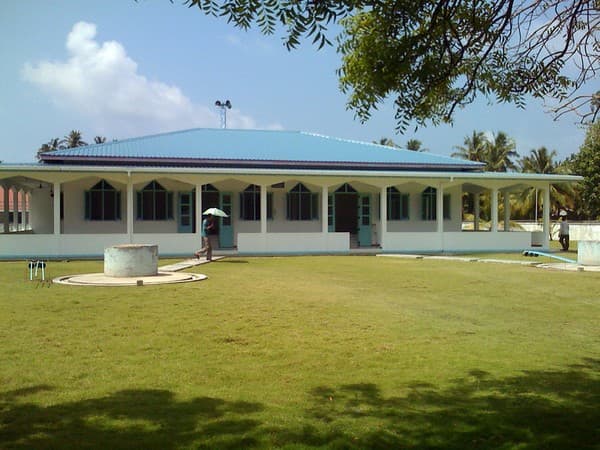
Hukuru Miskiy (Old Friday Mosque)
Hukuru Miskiy (Old Friday Mosque) is the oldest and one of the most important historic mosques in the Maldives, dating from the 17th century (built in the mid-1600s). It is a remarkable example of traditional Maldivian craftsmanship and coral-stone architecture and reflects the island nation's Islamic heritage, royal history and vernacular building techniques. The mosque complex includes intricately carved coral-stone panels, finely lacquered and painted woodwork, an elaborately decorated mihrab and historic tombstones of sultans and notable figures, making it a focal point for Maldivian cultural identity.
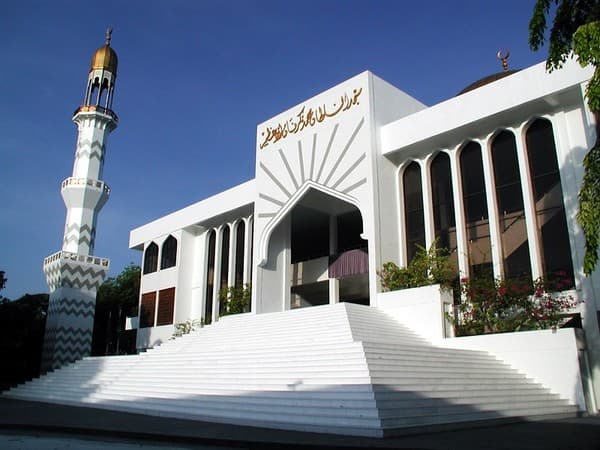
Islamic Centre & Grand Friday Mosque
The Islamic Centre & Grand Friday Mosque (Malé) is the Maldives' principal mosque and a central symbol of Islamic faith in the nation. Located in the capital island of Malé, the complex functions as a religious, cultural and community hub: it hosts the largest congregational prayers in the country, major religious events, and houses facilities for Islamic learning and community gatherings. Its prominent golden dome and tall minaret make it a defining feature of Malé's skyline.
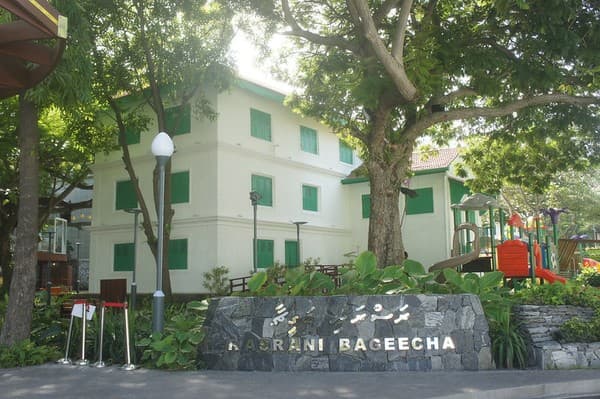
Sultan Park (Rasrani Bageecha)
Sultan Park (Rasrani Bageecha) is a small but important urban green space in Malé, the capital of the Maldives. It provides a rare public garden setting in a densely built city and functions as a local gathering place and peaceful respite for residents and visitors. The park sits in an area historically associated with Maldivian leadership and urban life, making it part of the city's cultural fabric.
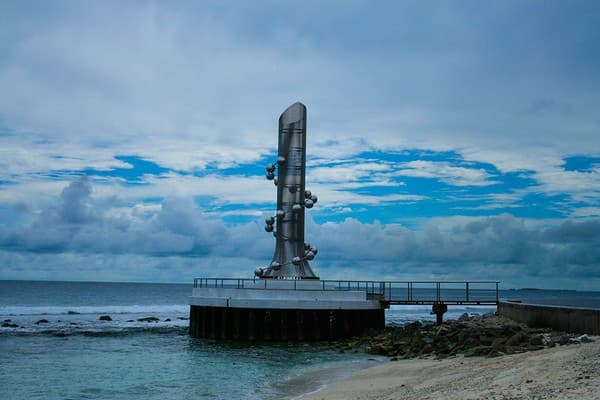
Tsunami Monument
The Tsunami Monument in the Maldives commemorates the victims of the 26 December 2004 Indian Ocean tsunami. It stands as a symbol of national mourning, community resilience, and the island nation’s recovery. The monument is an important focal point for annual remembrance ceremonies and for educating visitors about the tsunami’s impact on Maldivian communities.
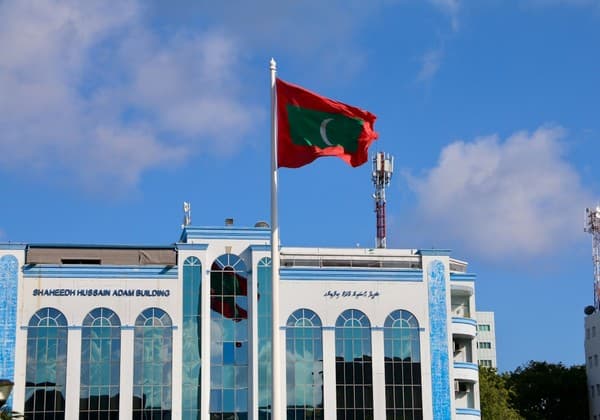
Republic Square (Jumhooree Maidhaan)
Republic Square (Jumhooree Maidhaan) is the central public square in Malé, the capital of the Maldives. It serves as a symbolic civic space for national ceremonies, public gatherings, political rallies, and cultural events. Located in the administrative heart of the city, the square is closely associated with national identity and modern Maldivian civic life.
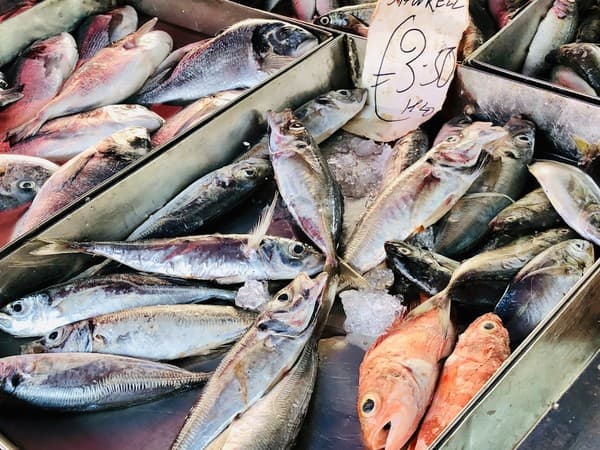
Malé Fish Market
The Malé Fish Market is the central seafood trading hub of the Maldives and a living symbol of the nation’s deep maritime culture. Fishing—especially tuna fishing—has shaped Maldivian economy, diet and social practices for centuries. The market showcases traditional fishing boats (dhonis), local methods of landing, auctioning and preparing catch, and remains essential to daily life in the capital.
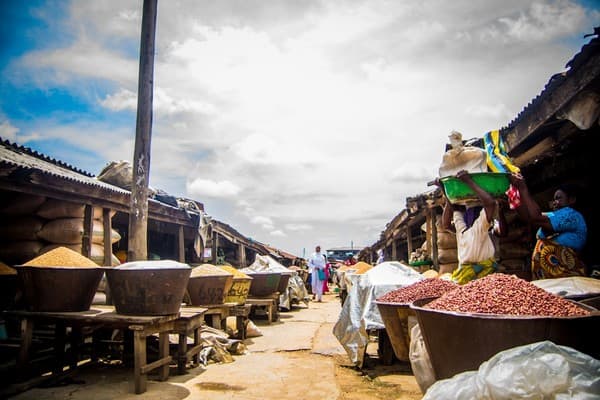
Malé Local Market
Malé Local Market is the heart of everyday life in the capital — a compact, bustling market where Maldivian foodways, commerce and social life meet. The market plays a practical and cultural role: fresh seafood (especially tuna) and locally grown produce are central to the Maldivian diet, and the market provides a direct window into those traditions. It is an essential stop to understand daily life in the islands rather than a tourist attraction alone.
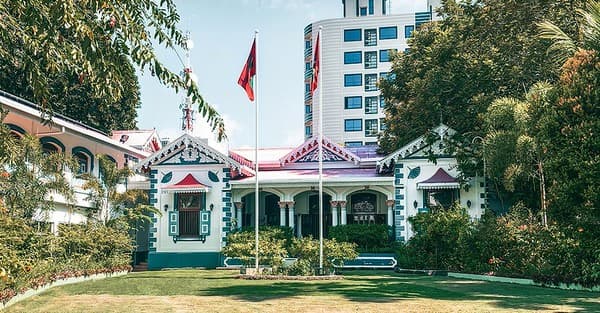
Mulee'aage (Presidential Palace)
Mulee'aage (Presidential Palace) is the official residence and office of the President of the Maldives, located in the heart of Malé. Constructed in the early 20th century (completed around 1919), the building has served as a symbol of modern Maldivian governance and has historic links to the late-imperial and early republican periods of the country. It stands near other key civic and religious landmarks, forming an important part of Malé's historical core.
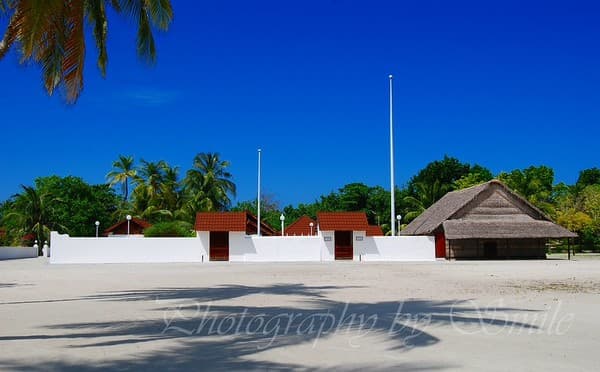
Utheemu Ganduvaru (Sultan Mohamed Thakurufaanu’s Palace)
Utheemu Ganduvaru is the historic residence of Sultan Mohamed Thakurufaanu (r. 1573–1585), the national hero who liberated the Maldives from Portuguese rule in the 16th century. The site is a cornerstone of Maldivian national identity and cultural memory, showcasing traditional island architecture and material culture of the pre-modern Maldives. It provides insight into the island-based, seafaring society and resistance that shaped the nation's history.
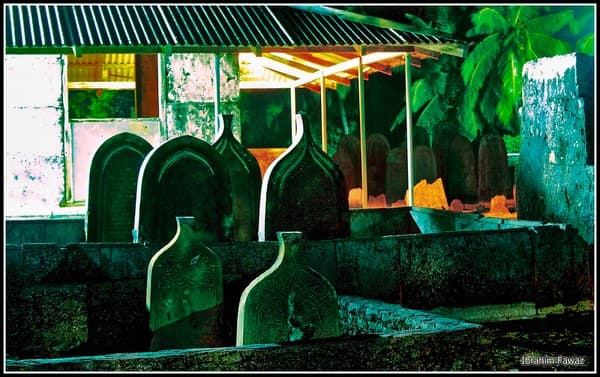
Koagannu Cemetery
Koagannu Cemetery is one of the older burial grounds in Malé, the capital of the Maldives. It provides a quiet window into the city's past through its weathered grave markers and inscriptions, reflecting layers of local Islamic traditions and historical contact with visitors and traders. The site is valued by locals and visitors interested in Maldivian heritage and urban history.
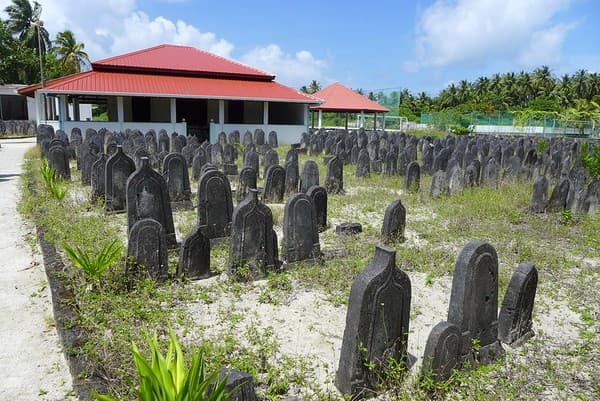
Fenfushi Friday Mosque
Fenfushi Friday Mosque is an important local religious and cultural landmark on Fenfushi island in the Maldives. It represents traditional Maldivian mosque architecture and the role of the mosque as a social and spiritual center for island communities. The building reflects local craftsmanship and religious heritage that are characteristic of smaller island settlements across the country.
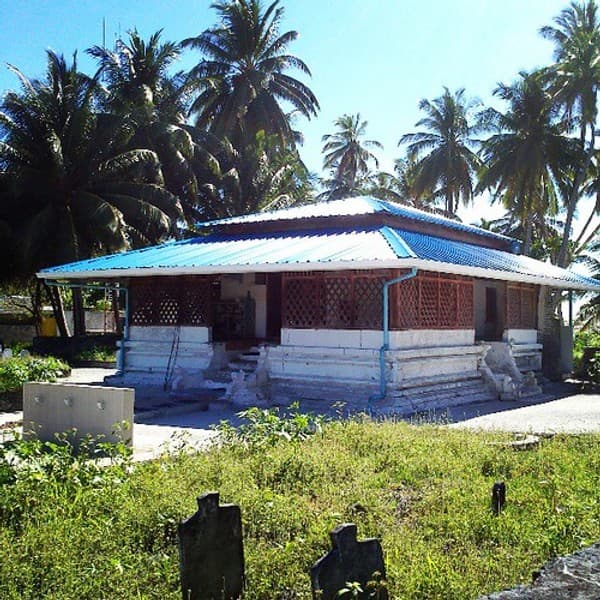
Isdhoo Old Mosque
Isdhoo Old Mosque is one of the Maldives' important coral‑stone mosque ruins, reflecting the nation's medieval Islamic architectural heritage and craftsmanship. Located on Isdhoo in Laamu Atoll, the site represents traditional coral masonry, carving styles and mosque planning used across the Maldives during the early centuries of Islam in the archipelago. The island is also associated with important historical documents (Lōmāfānu) that shed light on Maldivian history.
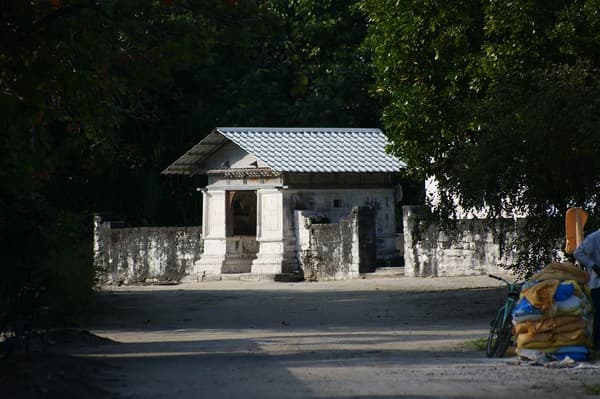
Kudahuvadhoo Old Mosque
Kudahuvadhoo Old Mosque is an important example of traditional Maldivian coral-stone mosque architecture and local Islamic heritage on Dhaalu Atoll. The mosque showcases skilled masonry and decorative techniques used by Maldivian craftsmen and stands as a testament to the island's centuries-old religious and community life.
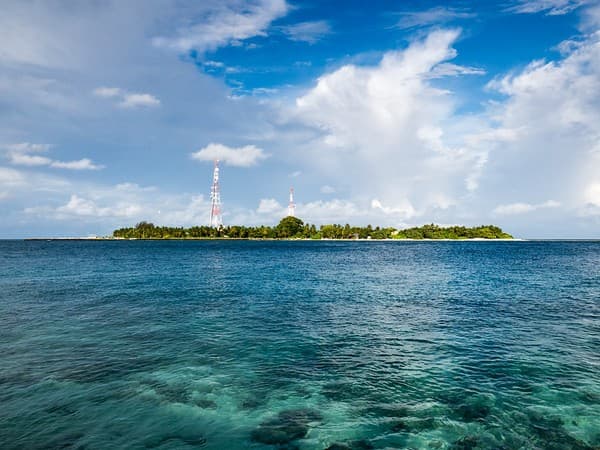
Rasdhoo Atoll
Natural importance: Rasdhoo Atoll (Rasdhoo) is a small but ecologically rich atoll in the central Maldives, prized for its vibrant coral reefs, clear lagoons and abundant marine life. It forms part of the greater Ari region—one of the Maldives' premier diving areas—and supports popular dive sites visited for frequent sightings of whale sharks, manta rays and reef sharks.
Cultural importance: Rasdhoo island is an inhabited local island with a tight-knit community that offers visitors insight into Maldivian island life, traditional fishing practices and local hospitality.
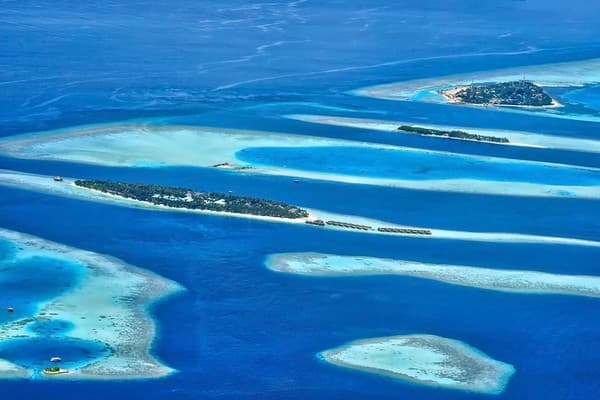
South Ari Marine Protected Area (SAMPA)
South Ari Marine Protected Area (SAMPA) is one of the Maldives' most important marine conservation zones, designated to protect extensive coral reefs, seagrass beds and a high density of large pelagic species—most notably the whale shark (Rhincodon typus). The area supports significant biodiversity, provides nursery and feeding grounds for turtles and reef fishes, sustains local fisheries, and underpins tourism-based livelihoods (diving/snorkeling). SAMPA contributes to national efforts in marine conservation and sustainable tourism, and acts as an important site for scientific research and long-term monitoring.
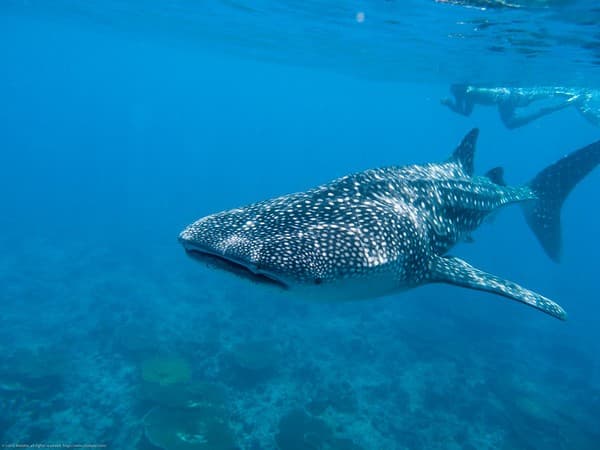
Maamigili Whale Shark Point
Natural importance: Maamigili Whale Shark Point (off Maamigili Island in South Ari Atoll) is one of the Maldives' most reliable sites for observing whale sharks (the largest fish species). The aggregation supports important ecotourism, local livelihoods, and ongoing marine research and conservation efforts. The presence of resident and frequently returning individuals makes the site valuable for long-term behavioural and population studies.
Cultural/economic importance: The local community on Maamigili benefits from sustainable tourism—guesthouses, dive operators, and research collaborations—creating incentives to protect reef habitats and promote responsible wildlife viewing.
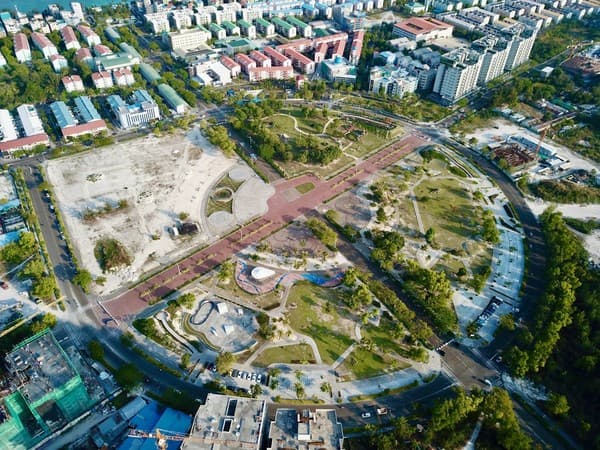
Hulhumalé Central Park
Hulhumalé Central Park is the principal public green space on Hulhumalé, an artificial island reclaimed and developed to relieve population pressure on Malé and provide sustainable urban living. The park plays an important role as an urban lung and community gathering place for the rapidly growing residential population. It contributes to the island's climate resilience by providing permeable landscaping, shade, and a cooling green corridor in a dense urban setting.
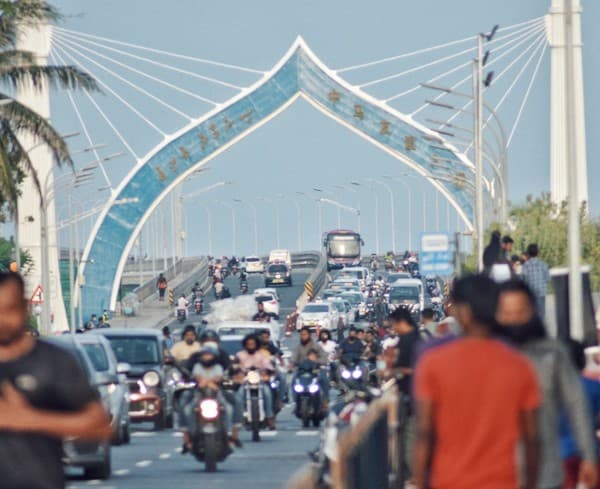
Sinamalé Bridge (China–Maldives Friendship Bridge)
Sinamalé Bridge (China–Maldives Friendship Bridge) is the first inter-island viaduct in the Maldives, symbolizing modern connectivity between the capital Malé, Hulhulé (home to Velana International Airport) and the reclaimed island Hulhumalé. Opened in August 2018, the bridge represents a major infrastructural milestone for the nation — improving transport, encouraging development of Hulhumalé, and strengthening diplomatic and economic ties with China through a cooperative construction and funding arrangement.