Places to visit in Maldives
Planning a trip to Maldives? Here is a complete guide to the best places to visit—from popular tourist attractions to offbeat spots you would not find in every guidebook. Get ready to explore, experience, and fall in love with Maldives!
Top 78 curated places to visit in Maldives
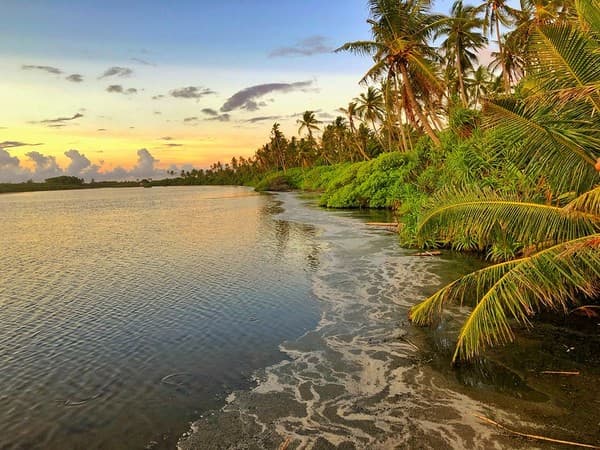
Meedhoo (Addu)
Meedhoo (Addu) is an inhabited island in Addu Atoll (Seenu Atoll), the southernmost atoll of the Maldives. The island forms part of Addu City, an area with significant historical importance due to its strategic role during the British presence in the Maldives (notably the naval base and Gan Island). Meedhoo contributes to the region's rich maritime culture, traditional boat-building, and distinct Addu dialect and customs, which differ noticeably from northern Maldives. The surrounding coral reefs, lagoons, and seagrass beds support diverse marine life, making the area important for conservation and marine ecotourism.
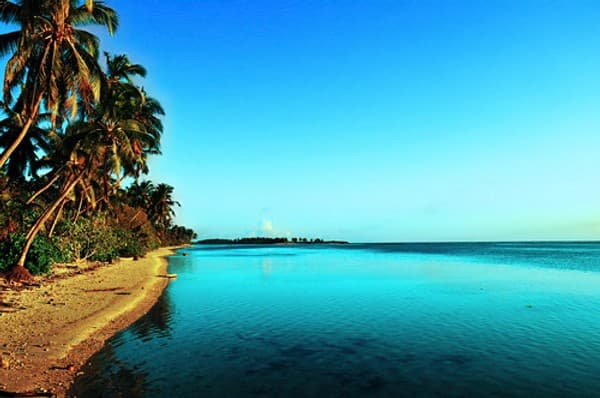
Maradhoo
Maradhoo is one of the inhabited islands of Addu Atoll (Seenu Atoll) in the far south of the Maldives. It plays an important role as part of Addu's cluster of inhabited islands connected by causeways, and serves as a local commercial and cultural hub for southern Maldivian communities. The island shares in the atoll's unique southern Dhivehi dialect, traditional boatbuilding and fishing culture, and proximity to rich coral reefs that support diverse marine life.
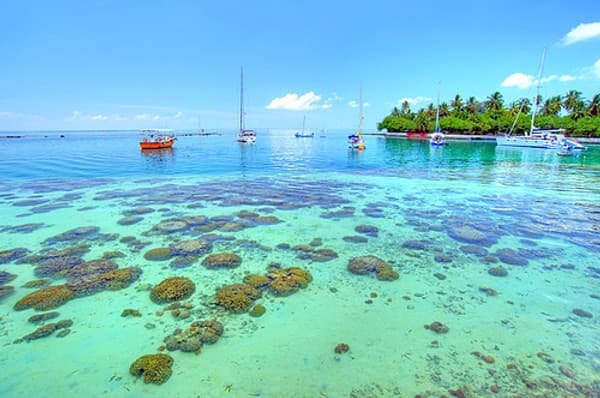
Feydhoo
Feydhoo is an inhabited island within Addu City in the southern Maldives. It forms part of the Addu Atoll cluster, one of the southernmost populated areas of the country. The area is notable for its closeness to Gan—site of a former British Royal Air Force base—which has left visible historical traces and shaped the atoll's modern infrastructure. Culturally, Feydhoo shares the distinctive southern Maldivian Dhivehi dialect and traditions, including local music and crafts. Naturally, Addu Atoll has a large protected lagoon, rich coral reefs, and diverse marine life important for snorkeling and diving.
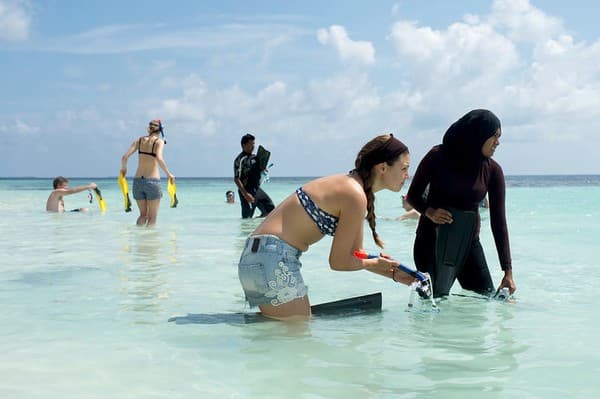
Baa Atoll UNESCO Biosphere Reserve
Baa Atoll was designated a UNESCO Biosphere Reserve in 2011 for its exceptional marine biodiversity and for combining conservation with sustainable development. The atoll is globally significant for its coral reefs, seagrass beds, mangroves and for hosting one of the world's most important manta ray and whale shark feeding grounds (Hanifaru Bay). The biosphere reserve model in Baa Atoll supports research, conservation, sustainable tourism and local livelihoods.
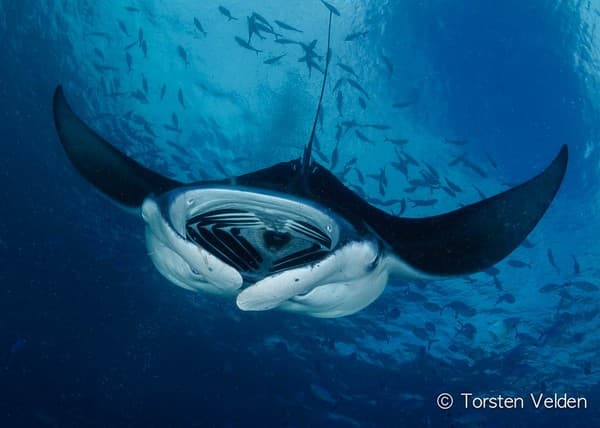
Hanifaru Bay
Hanifaru Bay (Baa Atoll, Maldives) is a globally important marine site within the UNESCO Baa Atoll Biosphere Reserve. It is celebrated for its seasonal aggregations of manta rays and whale sharks that gather to feed on dense plankton blooms, making it a critical natural feeding ground and biodiversity hotspot.
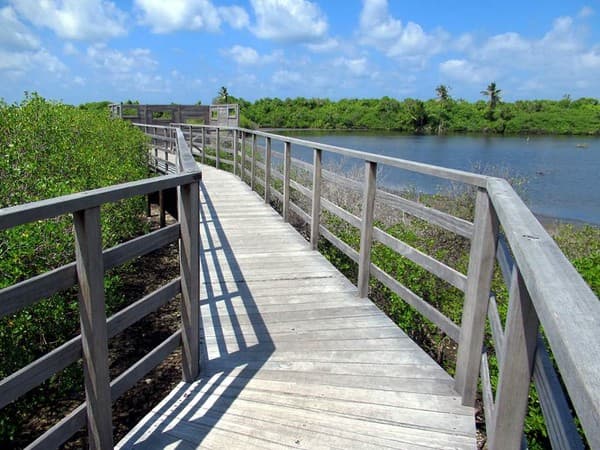
Addu Nature Park (Eydhigali Kilhi & Koattey)
Eydhigali Kilhi & Koattey (Addu Nature Park) protect one of the few freshwater wetlands and associated mangrove/coastal habitats in the Maldives. The park is important for local biodiversity, provides seasonal habitat for resident and migratory birds, stores freshwater, and supports community recreation and environmental education. It also sits within Addu's broader cultural landscape, which includes WWII-era historical sites on Gan Island.
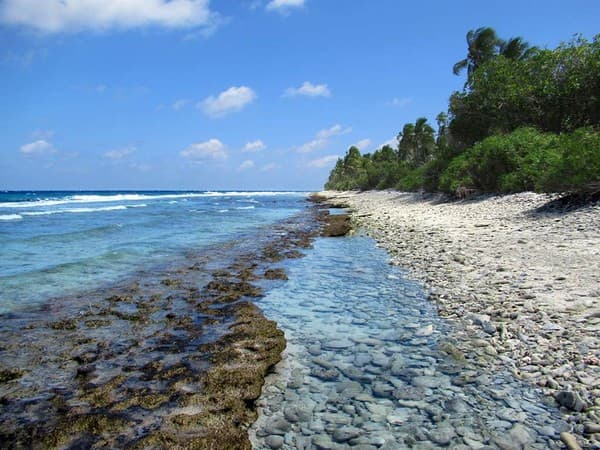
Eydhigali Kilhi
Eydhigali Kilhi is a freshwater wetland ("kilhi" means marsh or lake in Dhivehi) found on one of the inhabited islands of the Maldives. Such kilhi are ecologically important because they provide rare freshwater habitat in an otherwise marine-dominated nation. They support native vegetation, act as seasonal water reservoirs, and are important stopovers for migratory and resident birds. Locally, kilhi often contribute to community identity and traditional uses such as small-scale freshwater collection and communal recreation.
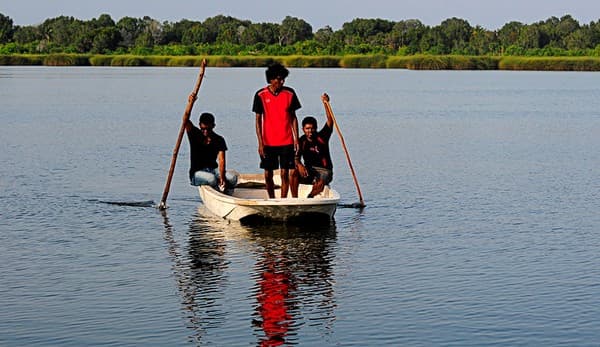
Dhadimagi Kilhi
Dhadimagi Kilhi is one of the largest freshwater lakes in the Maldives, located on the island of Fuvahmulah. It is an important natural freshwater habitat in a nation dominated by seawater, supporting a rich variety of wetland plants and resident and migratory birds. The lake is central to local life on Fuvahmulah—ecologically significant for groundwater recharge and culturally valued as a community gathering place and picnic site.
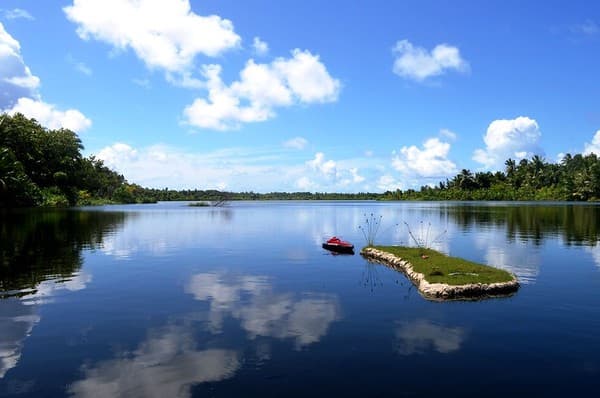
Bandaara Kilhi
Bandaara Kilhi is one of the notable freshwater lakes in the Maldives, located on the island of Fuvahmulah (Gnaviyani Atoll). It is an important local freshwater resource and a rare example of an inland wetland ecosystem in a country dominated by coral atolls. The lake supports a variety of wetland vegetation and birdlife, and forms an integral part of the island’s natural heritage and daily life for residents.
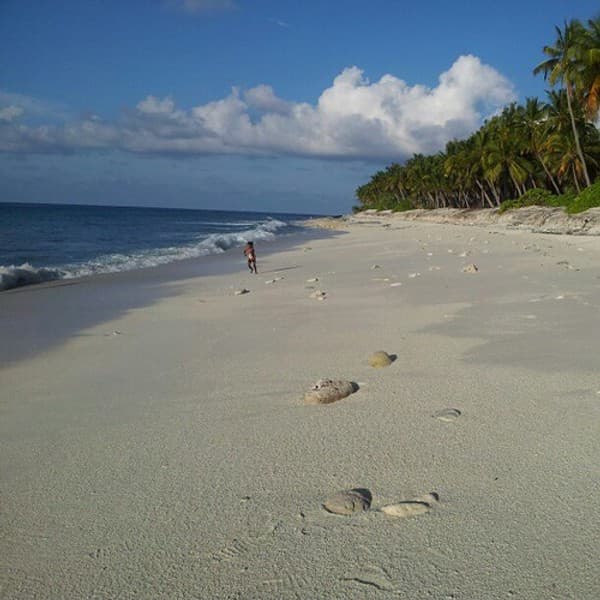
Thoondu Beach
Thoondu Beach is a uniquely significant natural site on Fuvahmulah island in the Maldives, renowned for its unusual white coral-pebble shore. Unlike typical Maldivian powdery sand beaches, Thoondu's surface is composed of smooth, round white granules formed from broken coral and shell fragments — a rare geological occurrence in the country. The beach plays an important role in the island's cultural identity and is a favored communal spot for locals.
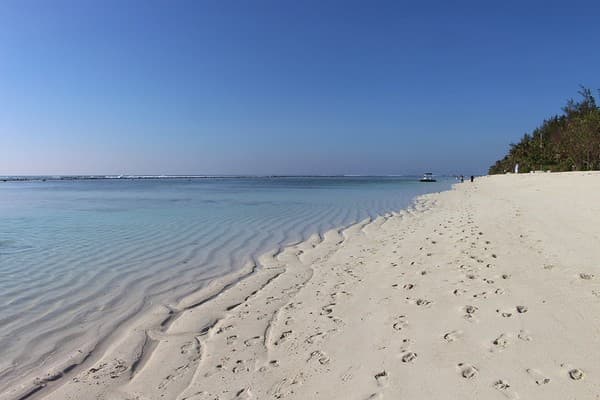
Hulhumalé Beach
Hulhumalé is a purpose-built, reclaimed island developed to relieve population pressure on Malé and to provide planned urban expansion with improved infrastructure and resilient coastal defenses. The beach serves as an accessible public shoreline for residents and visitors, and the island is an important example of modern Maldivian urban planning and climate-adaptive land reclamation.
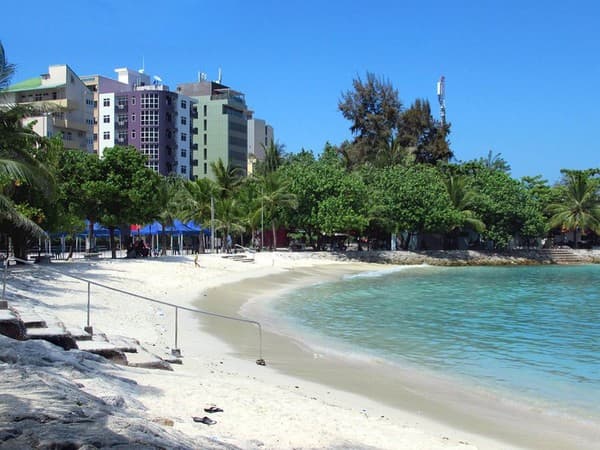
Artificial Beach
Artificial Beach (Malé) is a man-made shoreline on the edge of Malé, the capital of the Maldives. Created to provide recreational shoreline space in the densely populated capital island, it serves as an important social and leisure hub for residents and visitors. It illustrates urban adaptation to limited land resources and is significant as a public gathering place for local culture, informal sports, and daily life in Malé.
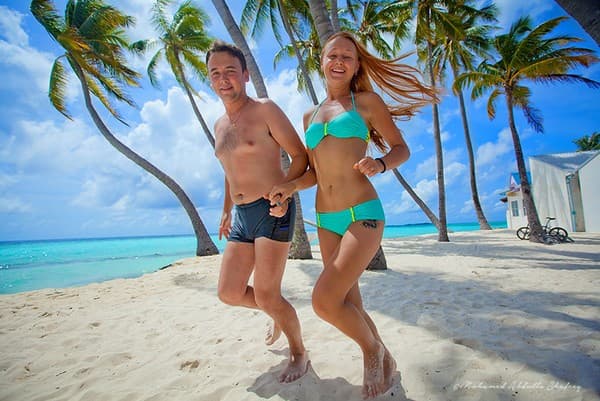
Bikini Beach (Maafushi)
Bikini Beach (Maafushi) is significant as one of the Maldives' best-known designated bikini beaches on a local inhabited island (Maafushi, Kaafu Atoll). It represents the balance between traditional Maldivian island life and tourism: offering visitors beach leisure in swimwear while the rest of the island maintains local cultural norms. The site is valued for its easily accessible turquoise lagoon, snorkeling access to reef life, and as an affordable alternative to resort beaches.
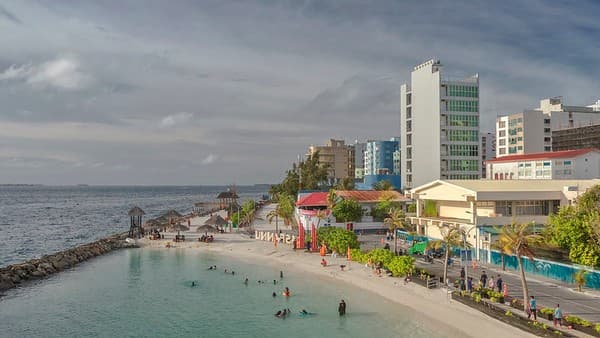
Rasfannu Beach
Rasfannu Beach (on Hulhumalé island near Malé) is an important urban public beach serving both locals and visitors. It showcases the Maldives' characteristic shallow lagoons, white sand, and turquoise waters in an accessible, engineered island setting. It plays a social role as a communal recreation spot for families, joggers, and sports groups, reflecting contemporary Maldivian coastal life rather than ancient historical monuments.
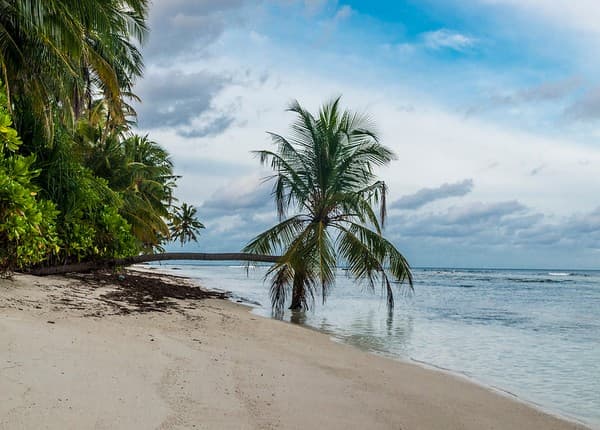
Dhigurah Long Beach
Dhigurah Long Beach is one of the longest continuous white-sand beaches on Dhigurah Island in Alif Dhaal Atoll (South Ari Atoll administrative area), Maldives. It is prized for its natural beauty — expansive shoreline, clear turquoise lagoon, and rich coral reefs — and is a key spot for marine biodiversity including frequent sea turtle and whale shark sightings. The beach contributes to the island's reputation as a guesthouse and eco-tourism destination that blends traditional Maldivian island life with marine-based activities.
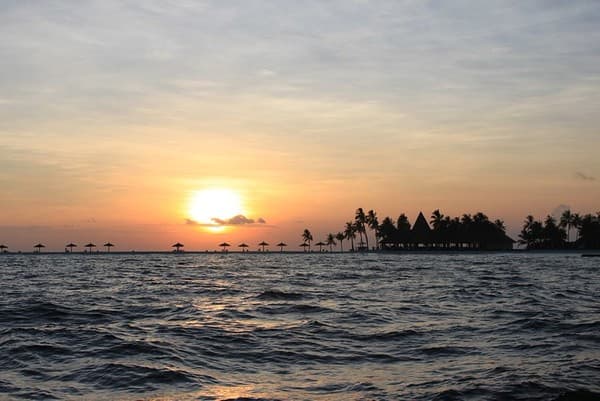
Veligandu Island & Sandbank
Natural paradise: Veligandu Island & Sandbank are prized as a classic Maldivian resort destination known for their powder-white beaches, clear turquoise lagoons and rich house reef. The site is important for marine biodiversity — vibrant coral gardens, reef fish, turtles and frequent manta and whale shark encounters in nearby channels contribute to its ecological value. The resort also represents Maldivian hospitality and island-resort culture, blending traditional Dhivehi elements with modern tourism.
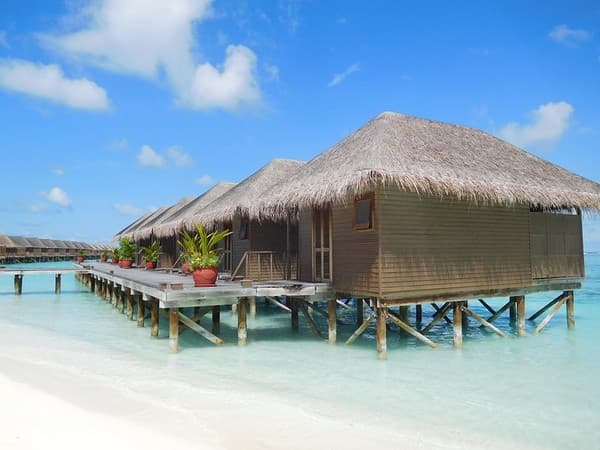
Meeru Island
Meeru Island (Meeru Island Resort & Spa) is a popular resort island in the North Malé Atoll of the Maldives. From a natural perspective it showcases classic Maldivian features: white sand beaches, shallow turquoise lagoons and a fringing house reef that supports rich marine biodiversity (reef fish, sea turtles and seasonal manta/dolphin sightings). Culturally it offers visitors curated experiences of Maldivian traditions through music and dance performances (Bodu Beru), local cuisine and opportunities to visit nearby local islands for a glimpse of island life.
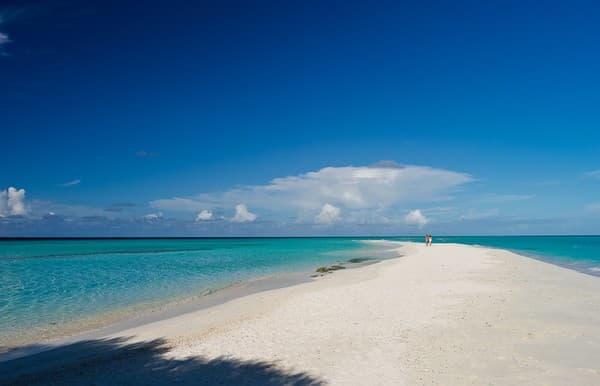
Kuramathi Island
Natural importance: Kuramathi Island is renowned for its extensive house reef, clear lagoons and diverse marine life, making it a prime destination in the Maldives for snorkeling and scuba diving. The island's larger size and variety of habitats (sandbanks, lagoons, reef flats) support abundant coral and fish species.
Cultural/historical note: As a private resort island, Kuramathi's cultural significance is tied to Maldivian hospitality and resort development rather than ancient history. Guests can experience local Maldivian cuisine, handicrafts, and occasional cultural performances arranged by the resort.
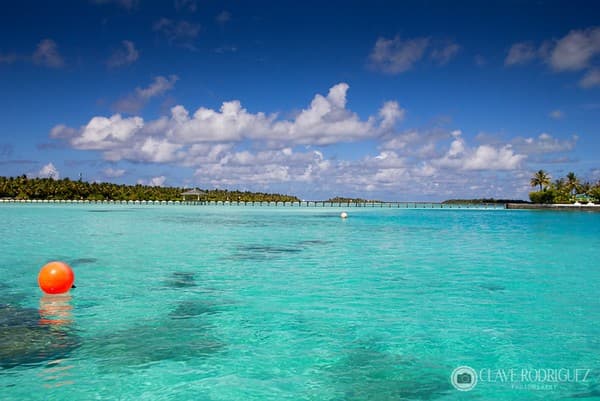
Nalaguraidhoo (Sun Island)
Nalaguraidhoo (Sun Island) is one of the Maldives' best-known resort islands, located in the South Ari Atoll (Alif Dhaal Atoll). While it does not have significant ancient historical monuments, it is culturally important as part of the Maldives' modern tourism development and showcases Maldivian island hospitality and marine conservation efforts. The island is renowned for its vibrant coral reefs, diverse marine life, and extensive tropical vegetation, making it important from a natural and ecological tourism perspective.
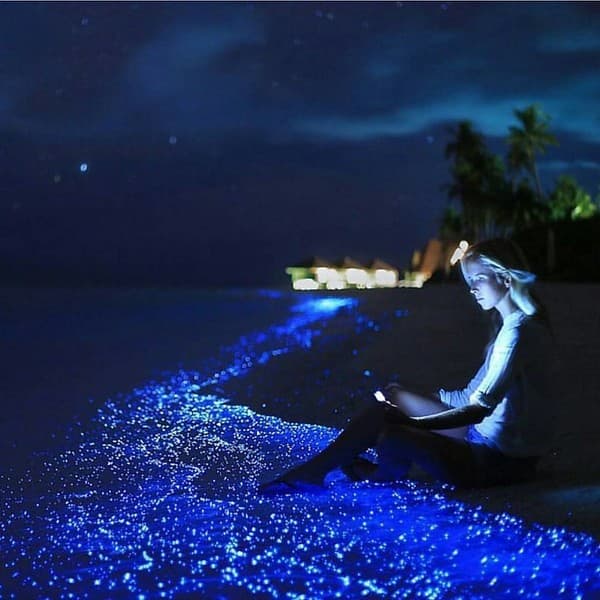
Mudhdhoo Island (bioluminescence)
Natural importance: Mudhdhoo Island (Baa Atoll, Maldives) is famed for its spectacular bioluminescence — nighttime glowing produced by microscopic marine plankton (commonly dinoflagellates). The island lies within the ecologically rich Baa Atoll, a UNESCO Biosphere Reserve, and contributes to the region's marine biodiversity and eco-tourism appeal.