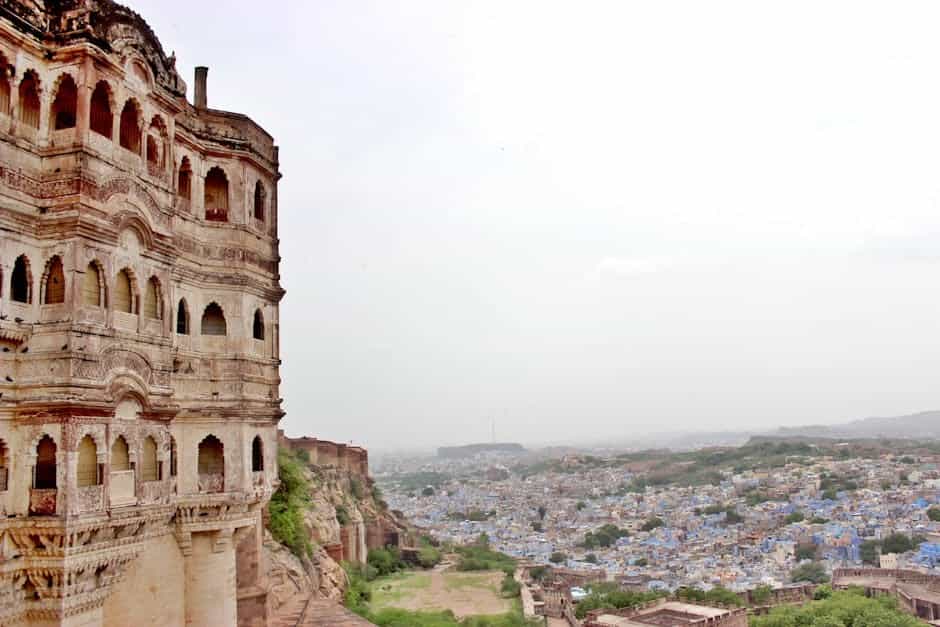
Jodhpur, Rajasthan
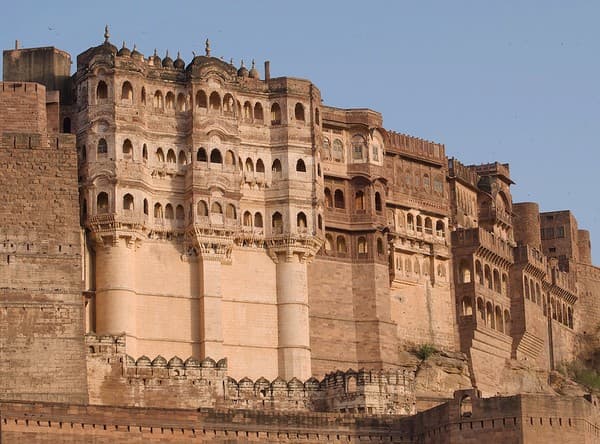
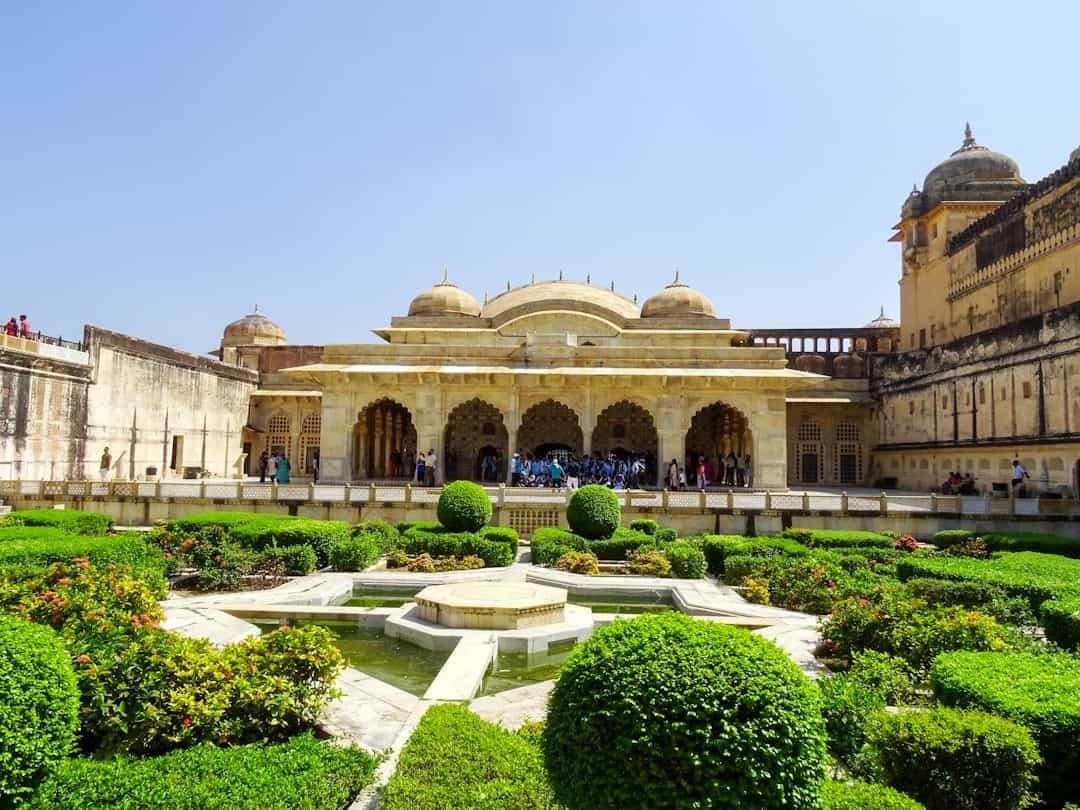
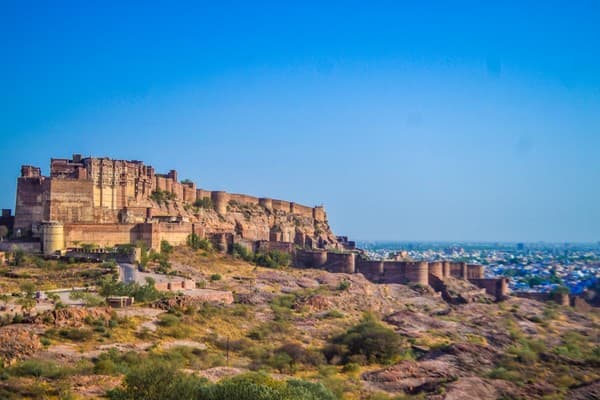
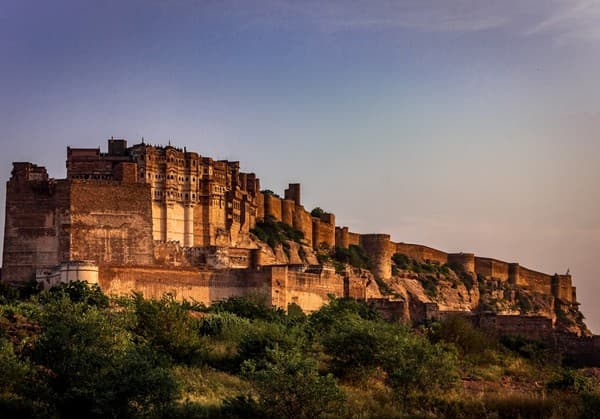
Jodhpur, the historical capital of the Marwar region, is renowned for its imposing forts, palaces and its role as a cultural hub of western Rajasthan. Founded in 1459 by Rao Jodha, the city grew around the magnificent Mehrangarh Fort perched on a rocky hill. Jodhpur's Old City — famously known as the "Blue City" because many houses are painted indigo — offers a window into Rajasthani architecture, urban life and craft traditions. The city is also a gateway to the Thar Desert, making it important for natural and adventure tourism. Jodhpur's museums, royal residences (notably Umaid Bhawan Palace) and music traditions keep Marwar's cultural legacy alive.
Last updated: 31 May 2026
Places to visit
- Mehrangarh Fort — monumental fort with museums, ramps and panoramic views
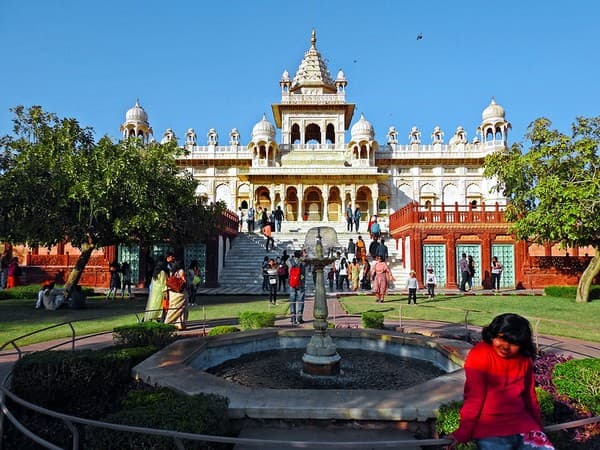
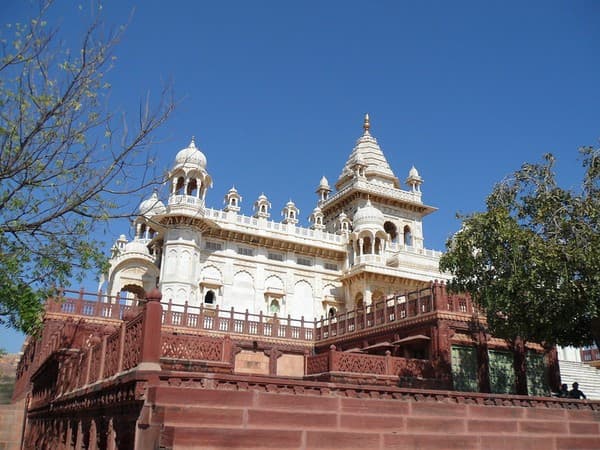
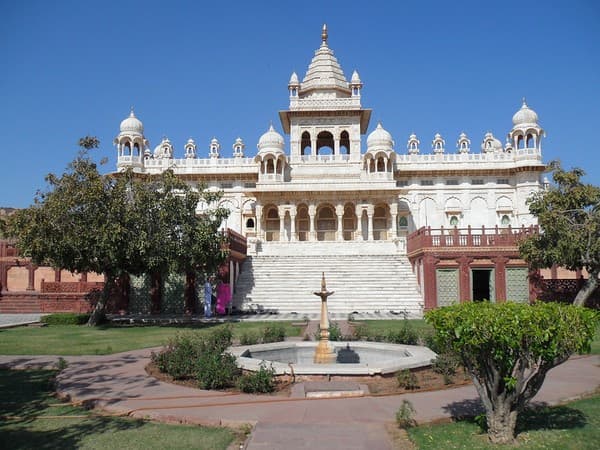
- Jaswant Thada — white marble cenotaph and peaceful gardens
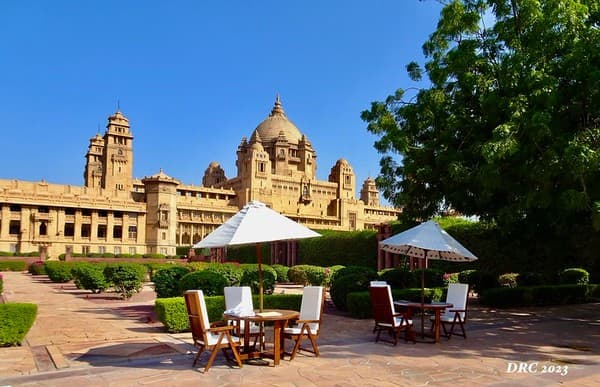
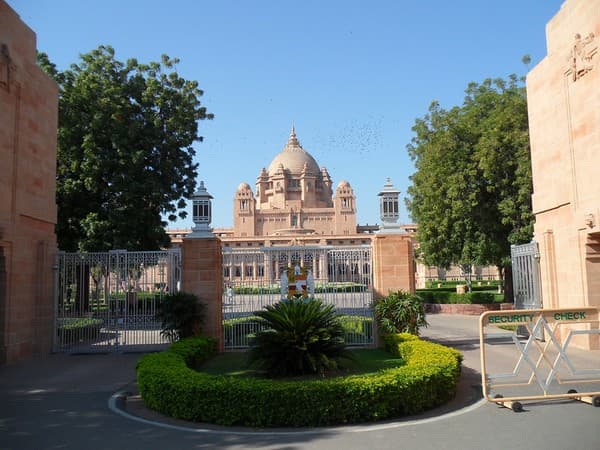
- Umaid Bhawan Palace — partial museum, heritage hotel and royal residence
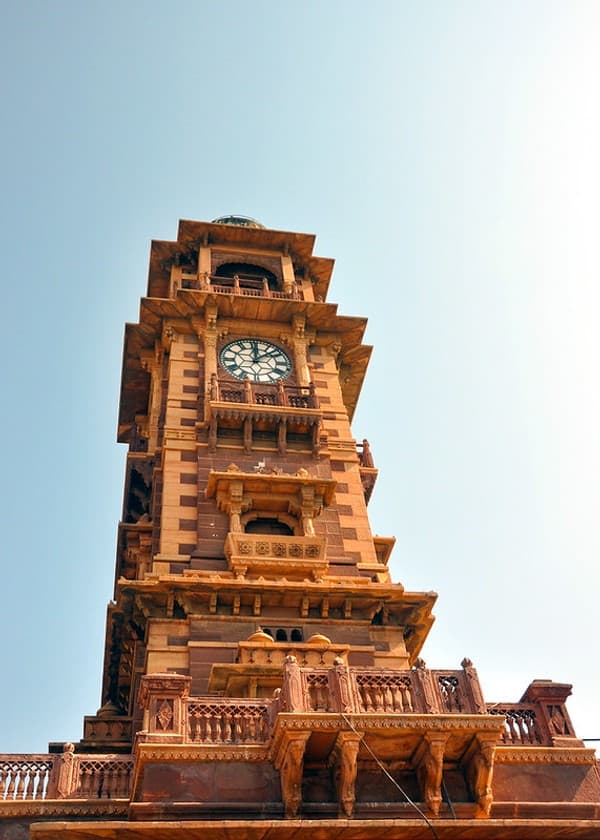
- Clock Tower & Sardar Market — bustling bazaar and spice/textile shopping
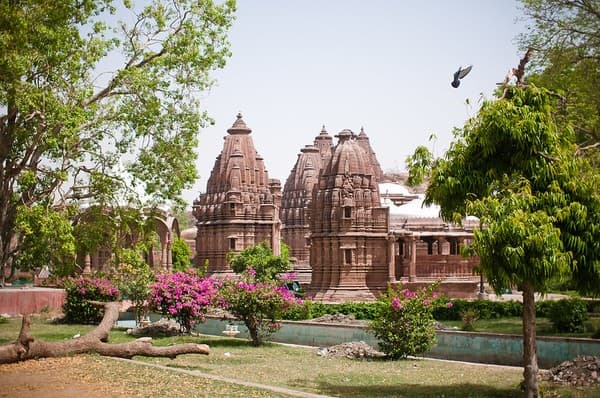
- Mandore Gardens — historical cenotaphs and temples
- Rao Jodha Desert Rock Park — restored natural habitat and walking trails
- Day trips: Osian (ancient temples) and nearby sand dunes for safaris
Unique Aspects
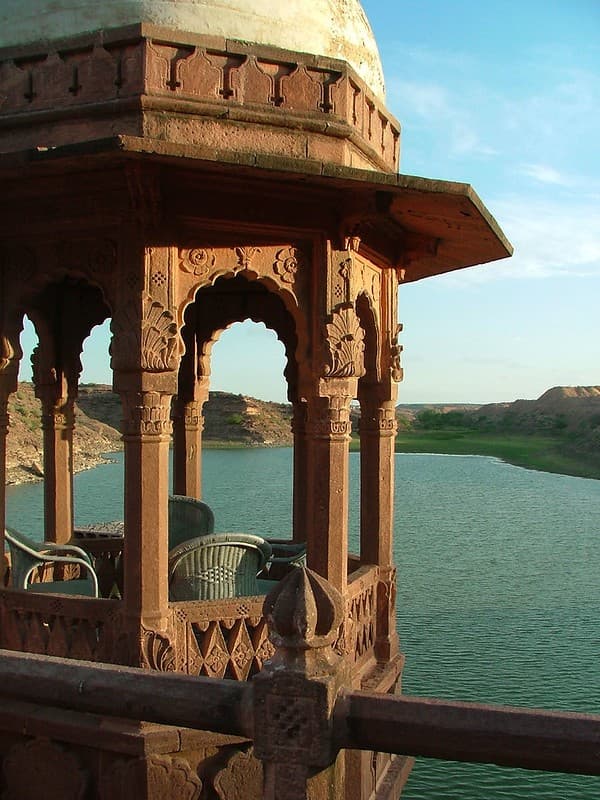
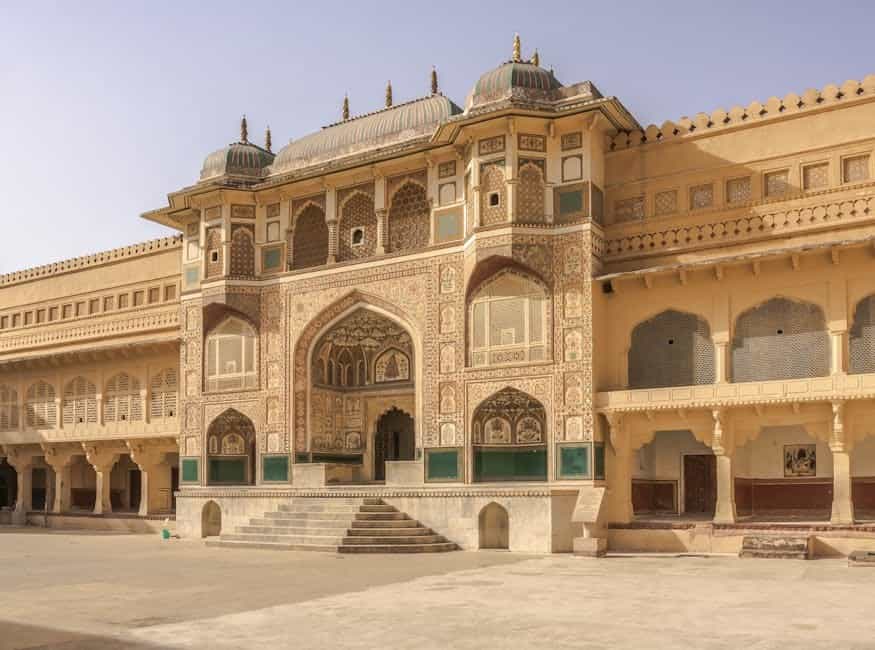
- Striking red-sandstone architecture and hilltop fortifications
- Photogenic blue-painted houses in the Old City creating layered urban views
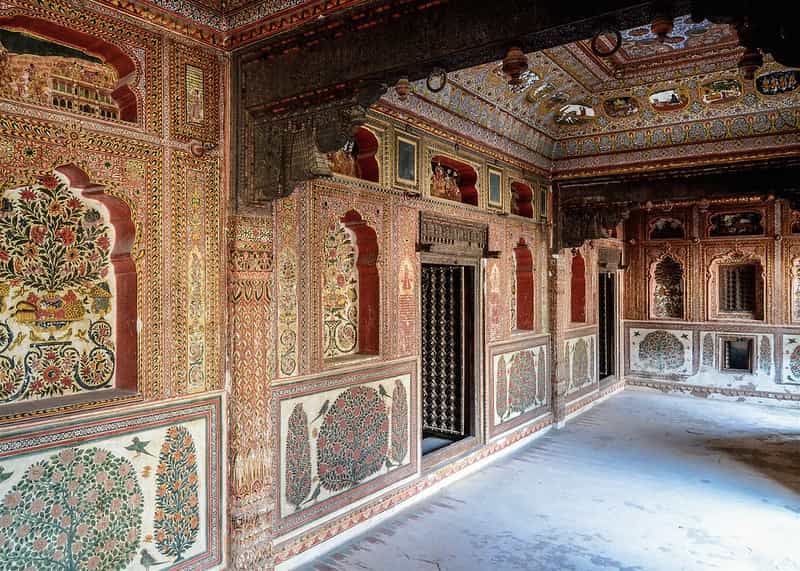
- Palace museums with royal artifacts, textiles and weaponry
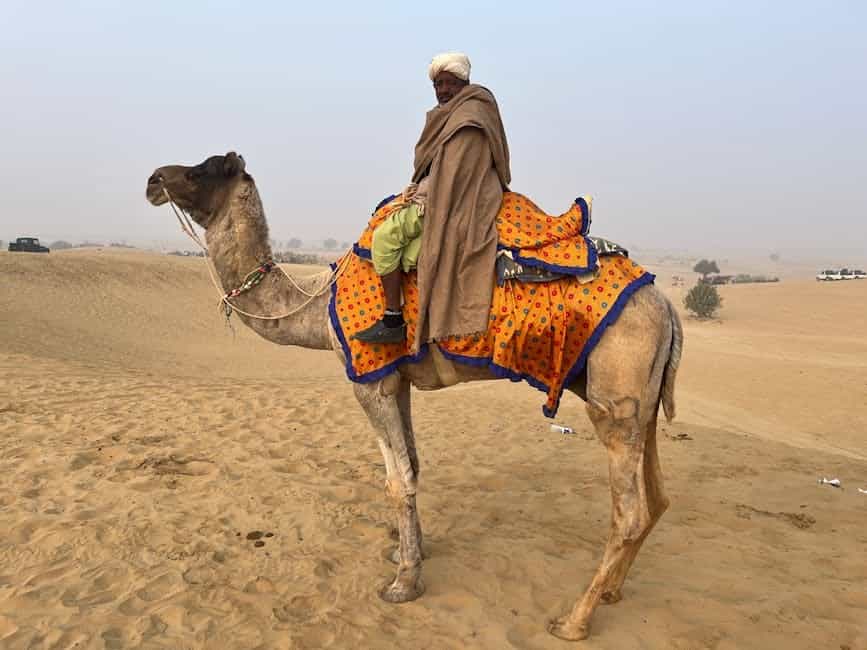
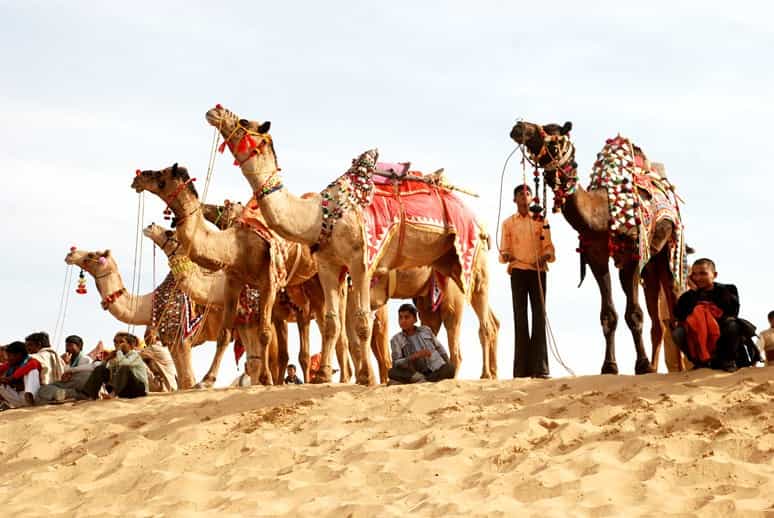
- Proximity to the Thar Desert for camel rides, dune safaris and sunset views
- Vibrant handicraft scene: bandhani, block prints, leatherwork, mojari footwear and metalwork
Things to do
- Explore Mehrangarh Fort (museums, ramparts, guided tours and sound-and-light shows)
- Wander the alleys of the Old City and photograph the Blue City lanes from rooftop views
- Shop local markets (Sardar Market) for textiles, spices, jewellery and antiques
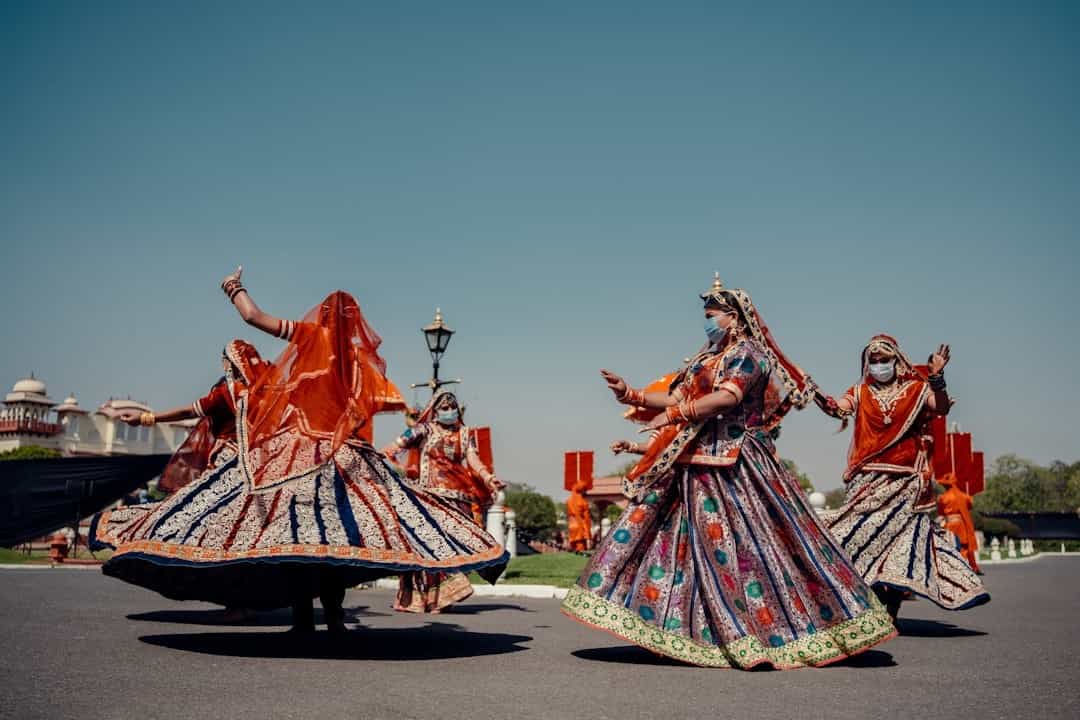
- Attend live folk music, puppet shows and watch traditional performances
- Take a camel or jeep safari into nearby dunes at sunrise/sunset
- Visit Umaid Bhawan museum and the Mandore Gardens
- Day trip to Osian for ancient temples and desert vistas
Festivals & Events
- Marwar Festival — showcases folk music and dance celebrating Rajasthani culture
- Rajasthan International Folk Festival (RIFF) — world-class folk music and cultural performances (usually at Mehrangarh Fort)
- Local celebrations: Gangaur, Teej and other Rajasthani fairs and temple festivals
Best Time to Visit
October to March for pleasant daytime temperatures and comfortable nights; winters (December–February) are cool and great for sightseeing. Avoid the peak summer months (April–June) if you cannot tolerate high heat.
Weather Conditions
Hot, arid climate: very hot summers (April–June), a brief monsoon season with limited rain (July–September), and mild to cool winters (October–February). Night temperatures can drop in winter.
Accessibility
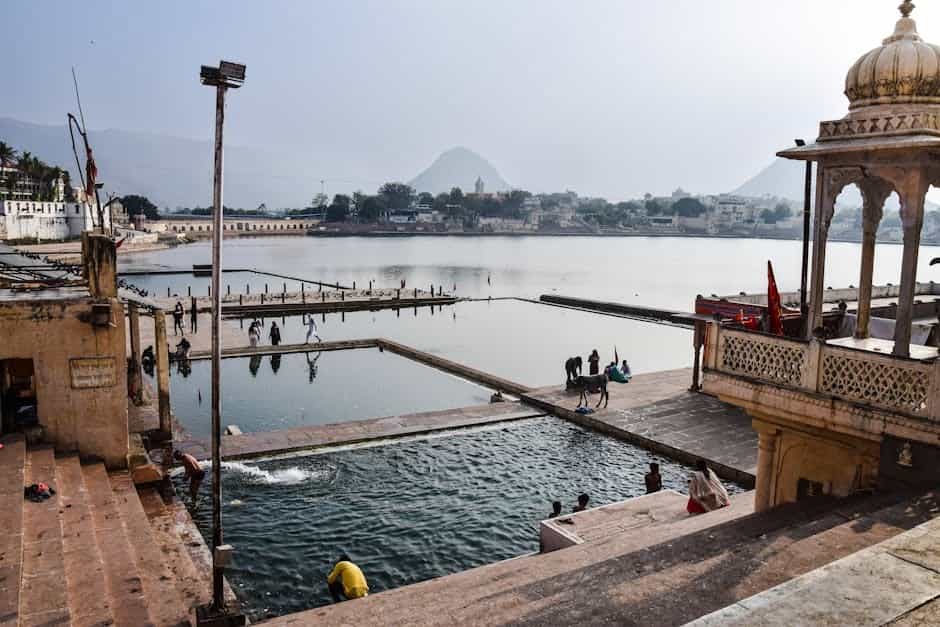
Nearest airport: Jodhpur Airport (JDH) with domestic connections. Rail: Jodhpur Junction links to major Indian cities. Well-connected by road to Jaipur, Udaipur and pushkar. Within the city use taxis, auto-rickshaws, cycle-rickshaws or hire private cars. Many heritage sites have steps and uneven paths—access may be limited for visitors with reduced mobility; check ahead for assistance options.
Recommended Duration
2–4 days to cover major forts, palaces, markets and a short desert excursion; extend if you want deeper exploration or relaxation at heritage hotels.
Clothing & Gear Tips
Lightweight, breathable cotton clothes for daytime; a light jacket or shawl for cool winter evenings. Comfortable walking shoes for uneven fortress paths, hat, sunglasses and sunscreen. If visiting religious sites, modest clothing that covers shoulders and knees is advised.
Local Food & Souvenirs
Try local specialties such as mawa kachori, mirchi bada, dal baati churma, and traditional sweets. Popular souvenirs include bandhani and block-printed textiles, embroidered textiles, leather mojari shoes, handcrafted jewellery, brassware, and puppet/artisanal items. Bargaining is common in local markets—do so politely.