Sri Lanka Internet & Mobile Guide: Stay Connected in Paradise 2026

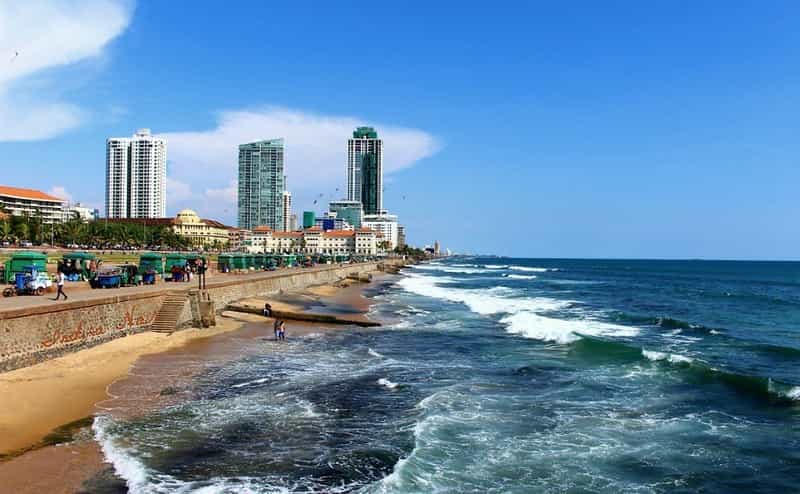
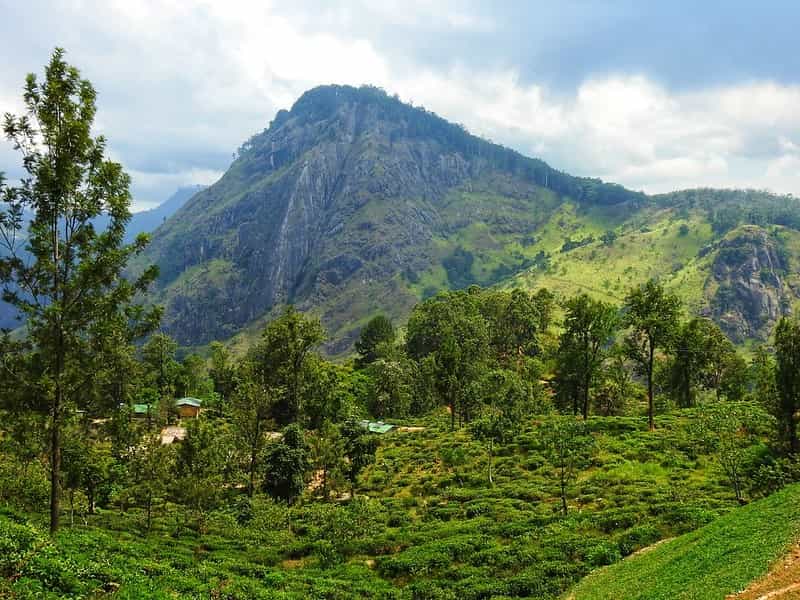
Picture this: you're watching a breathtaking sunset over Galle Fort, and you want to share that magical moment with friends back home. Or perhaps you're navigating the winding roads to Ella and need reliable GPS. In today's connected world, staying online while traveling isn't just a luxury—it's often essential for safety, navigation, and sharing those incredible Sri Lankan adventures.
The good news? Sri Lanka's digital infrastructure has improved dramatically over the past few years, making it easier than ever for travelers to stay connected. But like any destination, knowing the ins and outs of local connectivity can save you time, money, and frustration.
Overview of Sri Lanka's Digital Infrastructure
Sri Lanka has made impressive strides in digital connectivity, with mobile penetration rates exceeding 100% and internet usage growing rapidly across the island. The country's telecommunications sector is competitive and well-regulated, offering visitors multiple options for staying connected.
The island nation covers approximately 65,610 square kilometers, and while urban areas enjoy excellent connectivity, some remote regions and mountainous areas still experience coverage gaps. Understanding this landscape will help you plan accordingly for your Sri Lankan adventure.
Key Statistics:
- Internet penetration: ~47% of the population
- Mobile penetration: ~154% (many people have multiple SIM cards)
- 4G coverage: Available in most urban and tourist areas
- 5G rollout: Currently expanding in Colombo and major cities
Major Mobile Network Providers
Dialog Axiata
Dialog is Sri Lanka's largest telecommunications provider and often considered the gold standard for coverage and reliability.
Pros:
- Widest network coverage across the island
- Best coverage in remote areas and hill country
- Reliable 4G speeds in most tourist destinations
- English-speaking customer service
- Tourist-friendly SIM packages
Cons:
- Slightly more expensive than competitors
- Can get congested in very busy areas
Mobitel
Mobitel is the second-largest provider and offers competitive services with good coverage.
Pros:
- Good coverage in urban areas
- Competitive pricing
- Decent customer service
- Strong presence in business districts
Cons:
- Coverage gaps in some rural areas
- Slower speeds in remote locations
Hutch (Hutchison)
Hutch is popular among budget-conscious locals and offers affordable options.
Pros:
- Most affordable option
- Good for basic internet needs
- Decent coverage in cities
Cons:
- Limited coverage in remote areas
- Slower data speeds
- Less reliable in tourist hotspots
Airtel
Airtel is the newest major player and is rapidly expanding its network.
Pros:
- Competitive pricing
- Modern network infrastructure
- Good speeds where available
Cons:
- Limited coverage compared to Dialog
- Still building presence in tourist areas
Internet Speeds and Coverage Areas
Urban Areas
Cities like Colombo, Kandy, and Galle enjoy excellent connectivity with:
- 4G speeds ranging from 10-50 Mbps
- Widespread WiFi availability
- Multiple provider options
- Generally reliable connections
Tourist Hotspots
Popular destinations typically have good coverage:
- Sigiriya: Good Dialog coverage, patchy with others
- Ella: Decent coverage but can be slow during peak tourist season
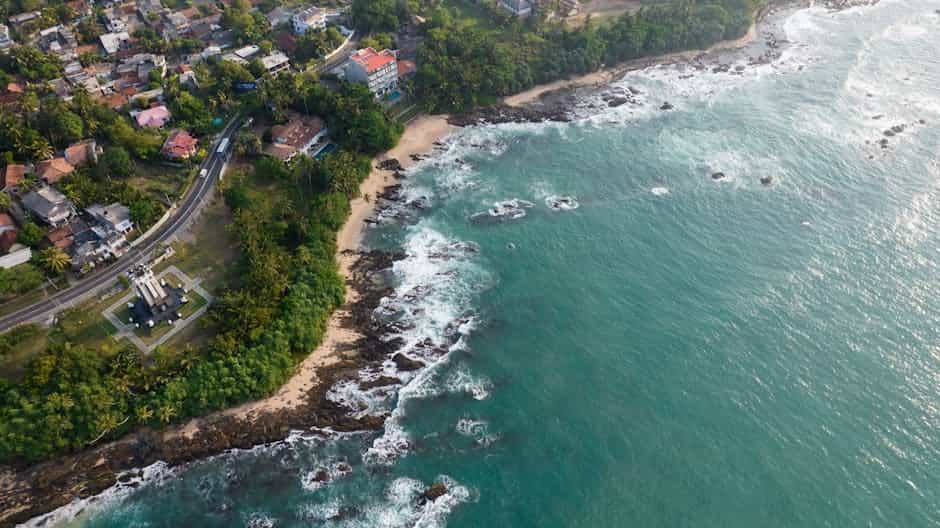
- Mirissa/Unawatuna: Good coastal coverage
- Nuwara Eliya: Variable coverage due to mountainous terrain
- Yala National Park: Limited coverage, Dialog works best
Remote Areas
Mountainous regions and remote beaches may have:
- Spotty or no coverage
- Slower 3G speeds where available
- Dialog typically offers the best remote coverage
Getting a Local SIM Card
Requirements
To purchase a SIM card in Sri Lanka, you'll need:
- Valid passport
- Passport-sized photograph (some shops can take this for you)
- Local address (hotel address is acceptable)
Where to Buy
Airport: The most convenient option with booths from all major providers right after customs.
Authorized dealers: Found throughout cities and tourist areas.
Official stores: Provider-specific stores offer the best customer service and package explanations.
Popular Tourist Packages
- Dialog Tourist SIM: 30-day validity, includes data and local calls
- Mobitel Visitor Pack: Good value for medium-term stays
- Hutch Tourist Plan: Budget-friendly option
Typical costs range from LKR 500-2000 ($2-8 USD) depending on data allowance and validity period.
WiFi Availability
Hotels and Guesthouses
Most accommodations offer WiFi, but quality varies:
- Luxury hotels: Generally excellent, reliable connections
- Mid-range hotels: Usually adequate for basic needs
- Budget guesthouses: Often slow or unreliable
- Homestays: Hit or miss, always ask beforehand
Public WiFi
Shopping malls in Colombo and major cities offer free WiFi, as do many:
- Restaurants and cafes
- Libraries
- Some government buildings
- Tourist information centers
Security tip: Always use a VPN when connecting to public WiFi networks.
Co-working Spaces
Colombo has several excellent co-working spaces with high-speed internet:
- Hatch Works
- Colombo Stock Exchange Tower
- Various cafe-style co-working spaces
Costs and Data Plans
Typical Pricing Structure
- 1GB: LKR 200-400 ($0.80-1.60)
- 5GB: LKR 800-1200 ($3.20-4.80)
- 10GB: LKR 1400-2000 ($5.60-8.00)
- Unlimited plans: LKR 2500-4000 ($10-16) with fair usage policies
Money-Saving Tips
- Buy data packages rather than using pay-as-you-go
- Look for night-time data bonuses (often 2x data between 12 AM-6 AM)
- Consider shared family plans if traveling in a group
- Monitor usage to avoid expensive overage charges
Practical Tips for Travelers
Before You Arrive
- Download offline maps for Google Maps or Maps.me
- Download entertainment content for areas with poor connectivity
- Inform your bank about travel plans to avoid card blocks
- Consider purchasing an international roaming package as backup
During Your Stay
- Carry a power bank: Sri Lankan networks can drain batteries faster
- Keep your SIM card packaging: Contains important account information
- Learn basic Sinhala numbers: Helpful when topping up credit
- Use WiFi when available: Conserve mobile data for when you really need it
Troubleshooting Common Issues
- Slow speeds: Try switching between 3G/4G modes
- No signal: Move to higher ground or near windows
- Can't connect: Restart your phone or toggle airplane mode
- Data finished quickly: Check for background app updates
Essential Apps for Sri Lanka
- PickMe: Local ride-hailing app
- Dialog MyAccount: Manage your Dialog connection
- Currency converter: Real-time exchange rates
- Translate apps: Sinhala/Tamil translation tools
Regional Connectivity Variations
Western Province (Colombo Area)
Excellent connectivity with all providers offering good speeds and coverage.
Central Province (Kandy, Ella, Nuwara Eliya)
Good coverage in main towns, but mountainous terrain can create dead zones.
Southern Province (Galle, Mirissa, Yala)
Good coastal coverage, but interior areas may have gaps.
Northern and Eastern Provinces
Improving rapidly but still some coverage gaps in remote areas.
Cultural Triangle (Anuradhapura, Polonnaruwa, Sigiriya)
Decent coverage at main archaeological sites, limited elsewhere.
Conclusion and Key Takeaways
Staying connected in Sri Lanka is definitely achievable with proper planning. Dialog remains the top choice for travelers prioritizing coverage and reliability, while budget-conscious visitors might consider Hutch for basic needs.
Essential Action Items:
- Get a local SIM card at the airport for the best rates and immediate connectivity
- Choose Dialog if traveling to remote areas or Hutch for city-focused trips
- Download offline content before heading to remote locations
- Always carry a power bank and keep important numbers written down
- Use hotel WiFi when available to conserve mobile data
Remember, while staying connected is important, don't let connectivity concerns overshadow the incredible experiences Sri Lanka offers. Sometimes the most memorable moments happen when you disconnect from the digital world and fully immerse yourself in the island's natural beauty and rich culture.
Pro tip: Consider purchasing a slightly larger data package than you think you need. The peace of mind of knowing you won't run out of data while navigating to your next destination is worth the small extra cost.
With this guide in hand, you're well-prepared to stay connected throughout your Sri Lankan adventure. Safe travels, and enjoy exploring this incredible island paradise!
Leave a Comment
Explore Sri Lanka
Ready to plan your trip? Check out our complete travel guide and packages.