What Should I Pack for Vietnam? The Ultimate 2026 Packing List
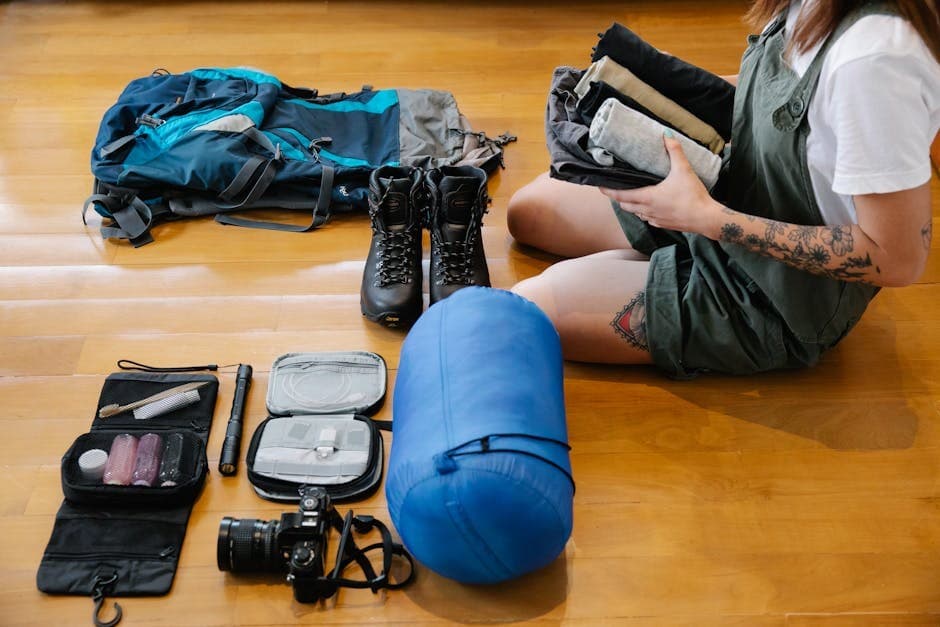
So you've booked your flights, sorted your visa, and now you're staring at an empty suitcase wondering: what on earth should I pack for Vietnam? Don't worry — you're not the first traveler to feel overwhelmed, and you definitely won't be the last.
Vietnam is one of Southeast Asia's most thrilling destinations, but packing for it is notoriously tricky. Why? Because this S-shaped country stretches over 1,000 miles from north to south, meaning you could be shivering in a misty mountain town one day and sweating on a tropical beach the next. Add in temple etiquette, monsoon rains, and bustling motorbike-filled streets, and you've got a packing puzzle that requires some strategy.
This comprehensive guide breaks it all down so you can pack smart, travel light, and focus on the adventure ahead.
Understanding Vietnam's Climate (It's Not Just "Hot")
The biggest mistake travelers make is assuming Vietnam is hot everywhere, all the time. In reality, the country has three distinct climate zones that demand different wardrobes:
- Northern Vietnam (Hanoi, Ha Long Bay, Sapa): Four seasons with cool winters and hot, humid summers. Winter temperatures in Hanoi can drop to 10°C (50°F), and Sapa can even see frost or occasional snow in January.
- Central Vietnam (Da Nang, Hoi An, Hue): Strongly influenced by monsoons and typhoons, with heavy rain in autumn (September–November). Summers are scorching.
- Southern Vietnam (Ho Chi Minh City, Phu Quoc, Mekong Delta): Classic tropical climate with year-round warmth around 30°C (86°F) and a clear split between dry season (November–April) and rainy season (May–October).
The general dry season runs from November to April, which is considered the best time to visit. The rainy season from May to October brings hot, humid conditions with sudden, heavy downpours — especially afternoon thunderstorms in the south.
Essential Documents and Money Matters
Before we throw clothes into a bag, let's cover the non-negotiables. You can buy a t-shirt in Saigon, but you can't buy a passport.
- Passport: Ensure it's valid for at least 6 months beyond your arrival date.
- Visa: Most travelers now use the E-Visa, which is valid for up to 90 days with single or multiple-entry options. Print at least two paper copies — immigration officers often ask for the physical copy.
- New for 2026: If you're flying into Ho Chi Minh City's Tan Son Nhat Airport, you must now complete a digital pre-arrival declaration and receive a QR code to present at immigration. Complete this 24–48 hours before departure to avoid server slowdowns.
- International Driving Permit (IDP): Mandatory if you plan to ride a motorbike. Police checks are common in tourist areas like Ha Giang.
- Travel Insurance: Save the emergency number and policy number on your phone. Vietnam is safe, but food poisoning or motorbike scrapes do happen.
- Money: Bring at least two cards (e.g., Visa and Mastercard). While ATMs are plentiful in cities, many restaurants, street food stalls, and homestays only accept cash in Vietnamese Dong.
Clothing: What to Pack (and What to Leave Behind)
The golden rule for Vietnam? Light, breathable, and versatile. Think layers you can mix and match, not a different outfit for every day.
Fabrics That Work
Lightweight, moisture-wicking fabrics like cotton, linen, bamboo viscose, or quick-dry sports materials are ideal for Vietnam's hot and humid climate. Avoid denim or heavy fabrics — they soak up sweat, get heavy, and don't dry quickly.
Your Core Wardrobe
- 5–7 lightweight tops (t-shirts, tank tops, breathable button-downs)
- 3–4 versatile bottoms (lightweight pants, shorts, skirts, or convertible pants)
- 1–2 dresses or jumpsuits (great for transitioning from day to night)
- 1 lightweight jacket or hoodie (essential for air-conditioned buses, cool evenings, and northern regions)
- 1 rain jacket or packable windbreaker (non-negotiable during rainy season)
- Swimwear (at least one set for beaches, pools, or island hopping)
- A light scarf or shawl — this is your secret weapon for sun protection, temple cover-ups, and chilly evenings
Cultural Considerations
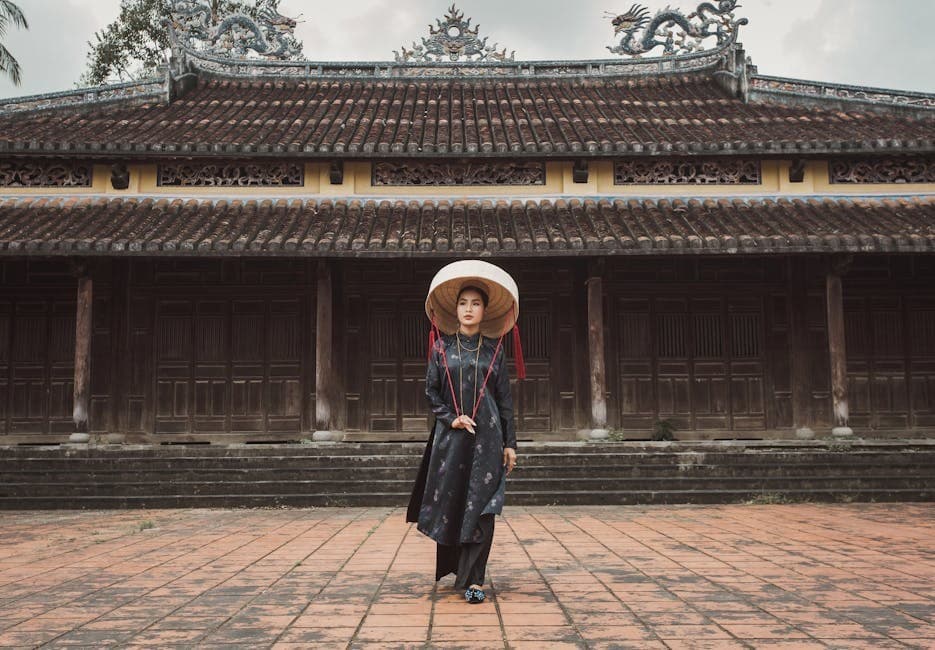
Vietnamese society values modesty, particularly in rural areas and at religious sites. When visiting temples and pagodas, cover your shoulders and knees. A lightweight scarf makes quick cover-ups effortless. Also, avoid wearing all-white outfits — white is associated with mourning in Vietnamese culture.
In cities like Hanoi and Ho Chi Minh City, locals embrace contemporary fashion and Western-style clothing is perfectly acceptable. But when venturing into rural areas, dress more conservatively.
For more on navigating local customs, see our guide to Vietnam Cultural Etiquette: Essential Tips for Respectful Travel.
Footwear: Less Is More
You don't need five pairs of shoes. Here's what actually works:
- Comfortable walking shoes or lightweight sneakers: For city sightseeing and light trekking. Cushioned soles will save your feet on Hanoi's Old Quarter cobblestones.
- Waterproof sandals or flip-flops: For beaches, hostels, and rainy days. You'll also remove shoes frequently when entering temples, homes, and some restaurants, so slip-on styles are ideal.
- Sturdy hiking shoes: Only if you're doing serious trekking in Sapa or Ha Giang. Otherwise, skip the heavy boots — they'll quickly become a pain to drag around.
Toiletries and Health Essentials
Pack only brand-specific items you can't live without. Most toiletries can be purchased when you arrive — Vietnam has pharmacies and convenience stores everywhere in major cities.
Must-Pack Items
- High-SPF sunscreen (the tropical sun is no joke)
- Mosquito repellent (DEET-based works best; apply liberally before dusk)
- Basic first aid kit (antiseptic wipes, band-aids, painkillers like ibuprofen)
- Electrolyte powder (a lifesaver on scorching hot days)
- Prescription medications with copies of prescriptions
- Hand sanitizer
- Stomach remedies (street food is incredible, but your stomach may need time to adjust)
For a full breakdown of health preparation, see our Essential Health Precautions for Visiting Vietnam.
Electronics and Gadgets
The right tech keeps you connected, safe, and able to capture those jaw-dropping moments:
- Universal power adapter: Vietnam uses 220V with Type A, C, and D plugs. A universal adapter ensures you can charge everything.
- Portable power bank: Essential for long days exploring when outlets are scarce.
- Waterproof phone pouch: Protects your phone during boat trips, rainy motorbike rides, and beach days.
- SIM card or eSIM: Pre-order a Vietnamese SIM card or eSIM for pickup on arrival. You'll need mobile data for Grab (Vietnam's essential ride-hailing app) and Google Maps.
- Extra charging cables: Bring backups — losing a cable shouldn't ruin your trip.
Bags and Organization
Vietnam is best navigated with a backpack rather than a suitcase. You'll be grateful not to wrestle a rolling bag through crowded streets, onto sleeper buses, or up narrow hotel staircases.
Pro tips for packing smart:
- Use packing cubes — they compress clothes, save space, and keep clean and dirty laundry separate.
- Bring a rain cover for your backpack. When it rains in Vietnam, it pours.
- Pack a small daypack or crossbody bag for daily excursions. Keep it anti-theft if possible.
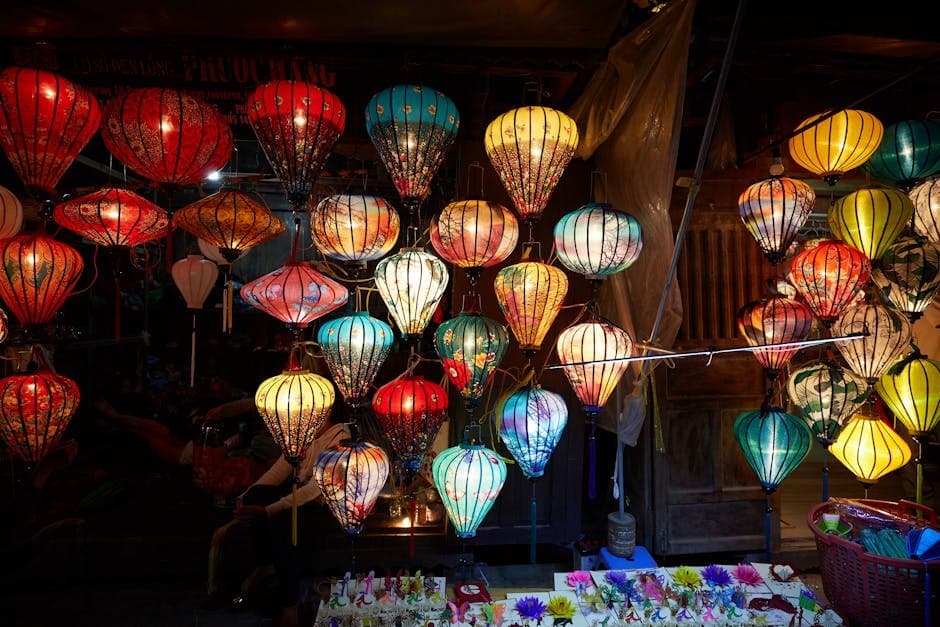
- Leave empty space in your bag. Whether it's a custom-tailored suit from Hoi An, local coffee beans, or handmade lanterns, you will want to bring souvenirs home.
Also keep in mind: Vietnam Airlines' carry-on weight limit is 12 kg (26 lbs) for two bags combined. Domestic carriers may weigh your luggage, so pack accordingly.
Don't Overpack — Vietnam Has You Covered
Here's the insider secret that seasoned Vietnam travelers swear by: laundry is cheap and easy throughout the country. Hotels, hostels, and street-side laundromats can turn around your clothes in 24 hours for just a couple of dollars. For a two-week trip, packing for 7–10 days is more than enough.
And if you forget something? Vietnam has a massive tourism industry. If you need it, you can almost certainly buy it there — often at a fraction of what you'd pay at home. Our Best Things to Buy in Vietnam guide has plenty of inspiration for what to pick up while you're there.
Your Vietnam Packing Checklist: Quick Reference
Documents: Passport, printed e-visa copies, travel insurance, IDP, digital arrival QR code (for HCMC)
Clothing: Lightweight tops, versatile bottoms, rain jacket, swimwear, light scarf, modest temple outfit
Footwear: Walking shoes, waterproof sandals, hiking shoes (if trekking)
Toiletries: Sunscreen, mosquito repellent, first aid kit, electrolytes, prescriptions
Electronics: Universal adapter, power bank, waterproof pouch, SIM/eSIM, cables
Bags: Travel backpack, daypack, packing cubes, rain cover
Final Thoughts
Packing for Vietnam is all about balance — being prepared for rain and culture without weighing yourself down. Focus on comfort, versatility, and respect for local customs, and your trip through this incredible country will be nothing short of unforgettable.
The rice paddies, the street food, the lantern-lit nights in Hoi An, the chaos of Hanoi's Old Quarter — they're all waiting for you. Now close that suitcase (leave room for souvenirs!), and go make some memories.
Happy travels! 🇻🇳
Leave a Comment
Explore Vietnam
Ready to plan your trip? Check out our complete travel guide and packages.