Sikkim and Bhutan Combined Tour – A Complete Planning Guide
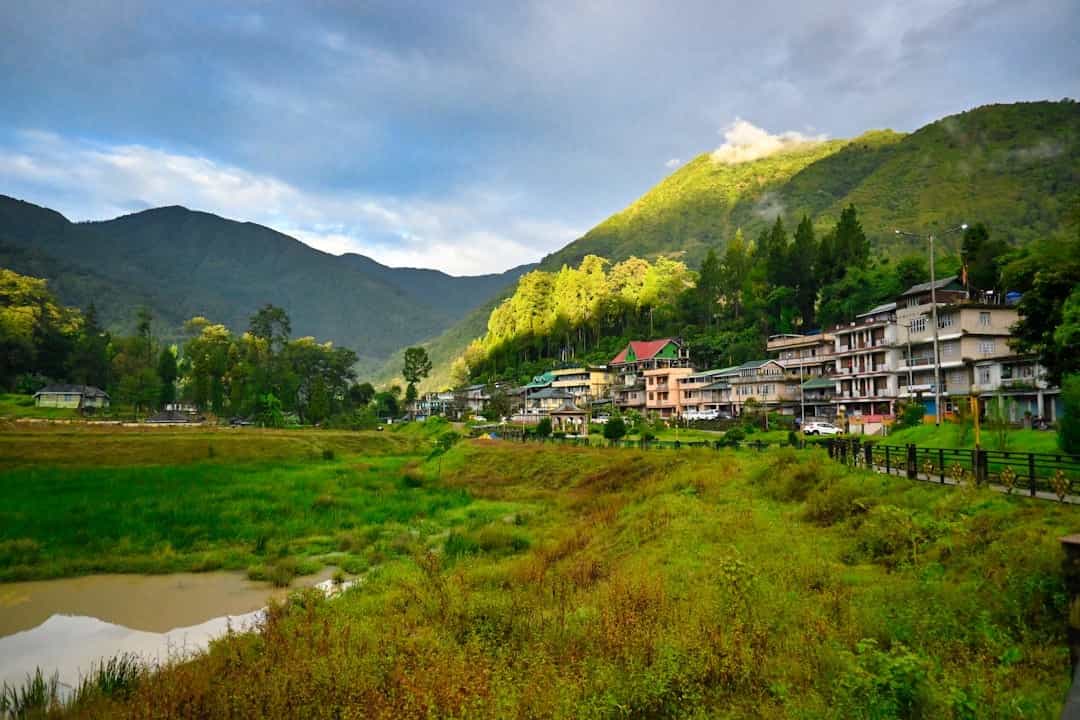
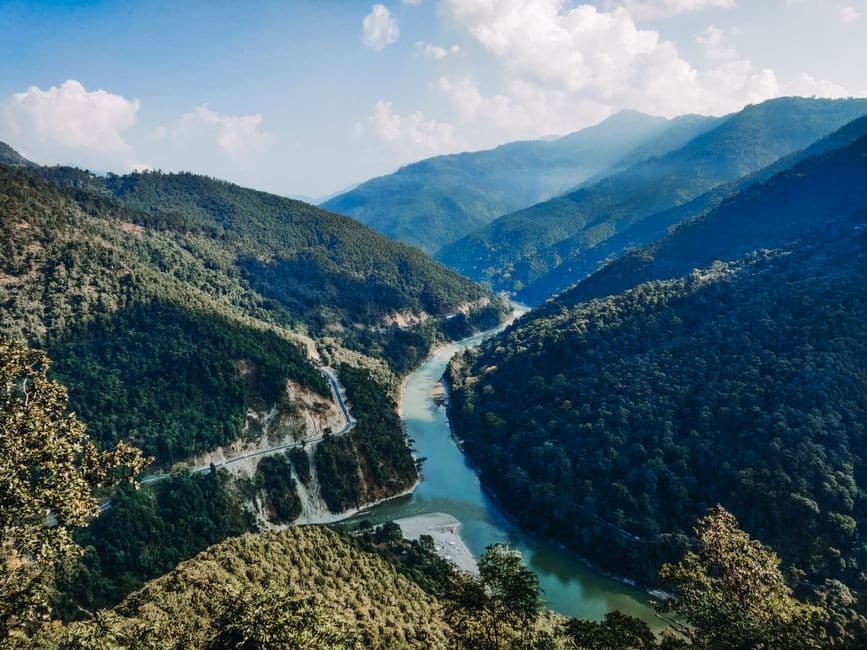
Few journeys in Asia rival the magic of pairing Sikkim and Bhutan in a single trip. Picture this: you wake to the golden glow of Khangchendzonga's five summits from a Pelling balcony, spend a week exploring monasteries, glacial lakes, and organic tea gardens—then cross into the Land of the Thunder Dragon for fortress-dzongs, prayer-flag-draped passes, and the cliff-hanging Tiger's Nest. Both destinations share Tibetan Buddhist roots, Himalayan grandeur, and a refreshing devotion to sustainability, yet each feels wonderfully distinct.
This guide covers everything you need to plan a combined Sikkim and Bhutan tour in 2026—routes, permits, budgets, and a suggested day-by-day framework you can customise to your pace.
Why Combine Sikkim and Bhutan?
Sikkim and Bhutan sit on the same eastern Himalayan arc, connected by road through the Siliguri corridor in West Bengal. A combined tour makes geographic and cultural sense for several reasons:
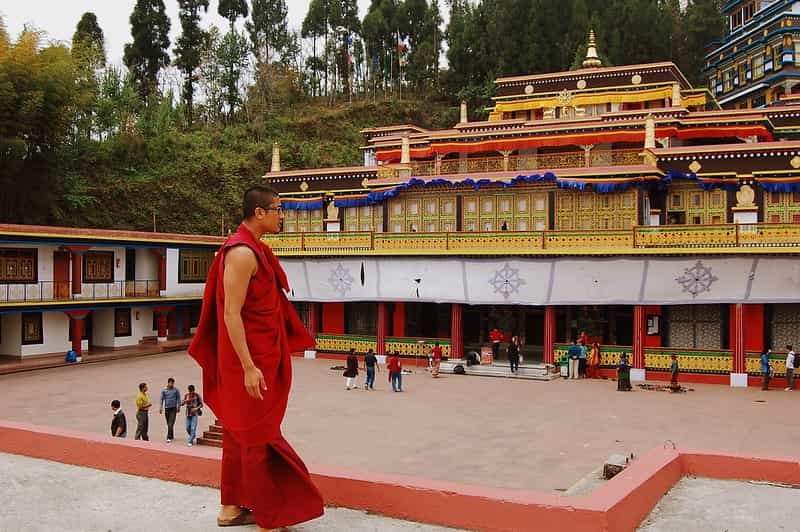
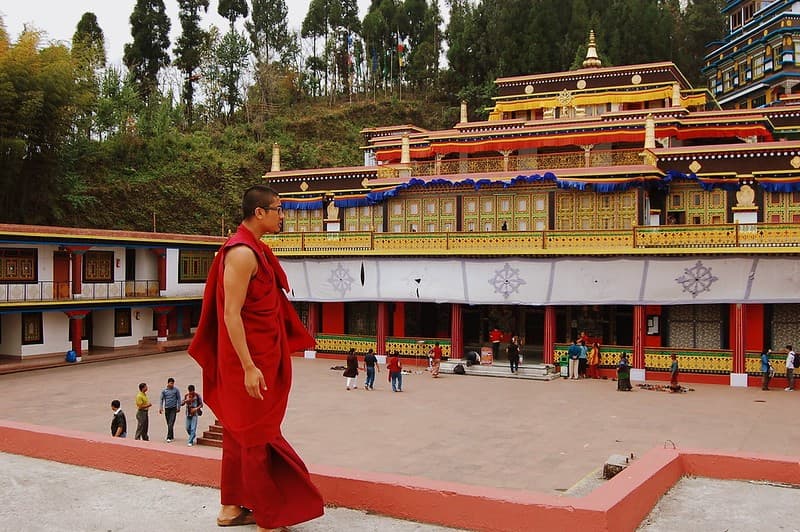
- Shared Buddhist heritage: Centuries-old monasteries like Rumtek in Sikkim and Punakha Dzong in Bhutan reveal parallel yet distinct expressions of Vajrayana Buddhism.
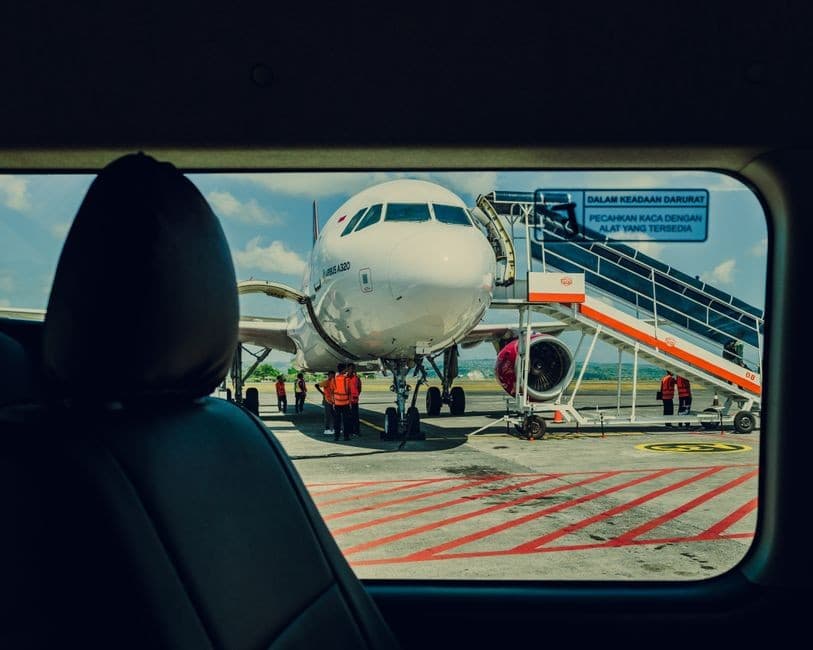
- One gateway, two kingdoms: Bagdogra Airport (IXB) and New Jalpaiguri railway station serve as the common entry point for both destinations, eliminating backtracking.
- Complementary experiences: Sikkim delivers raw mountain adventure—think the Goecha La trek, frozen Tsomgo Lake, and rhododendron-carpeted valleys—while Bhutan adds fortress architecture, the iconic Tiger's Nest hike, and its famous Gross National Happiness ethos.
- Smooth altitude progression: Gangtok sits at roughly 1,650 m, Thimphu at about 2,400 m, and Paro at 2,300 m, so you acclimatise gradually as you travel.
Best Time for a Sikkim–Bhutan Combined Tour
Both destinations share similar seasonal rhythms, making timing straightforward:
- Spring (March–May): Rhododendrons bloom across Sikkim's sanctuaries like Barsey and Shingba, and Yumthang's "Valley of Flowers" peaks from late February to mid-June. Bhutan's Paro Tshechu festival often falls in March or April. Pleasant temperatures throughout.
- Autumn (October–November): Crystal-clear post-monsoon skies deliver the best mountain views on both sides. Thimphu Tshechu typically falls in September or October. Ideal for trekking and photography.
- Avoid the monsoon (June–September): Heavy rain causes landslides on Sikkim's NH-10 and Bhutan's mountain roads. High-altitude permits in Sikkim can be suspended during severe weather.
The Route: How to Connect Sikkim and Bhutan
The most popular overland route threads through Siliguri, the transport hub of North Bengal. Here is the typical flow:
- Arrive at Bagdogra (IXB) or New Jalpaiguri (NJP).
- Drive to Gangtok (~4–5 hours via NH-10 along the Teesta River) and explore Sikkim.
- Return to Siliguri after your Sikkim circuit.
- Drive to Phuentsholing/Jaigaon (the India–Bhutan border), roughly 4–5 hours from Siliguri.
- Cross into Bhutan and continue to Thimphu, Punakha, and Paro.
- Exit via Paro Airport (fly out) or return overland to Bagdogra.
Alternatively, you can fly into Paro from Delhi or Kolkata on Druk Air and reverse the order—doing Bhutan first, then crossing to Sikkim overland.
Tip: From Gangtok or Darjeeling, the drive to the Phuentsholing border takes approximately 6–8 hours, so plan an overnight in Siliguri or Jaigaon to break the journey.
Permits and Visa Essentials
Permit logistics are the trickiest part of this combined trip. Here's a clear breakdown:
Sikkim Permits
- Indian nationals need inner-line permits for Nathula, Tsomgo Lake, North Sikkim (Lachen/Lachung), and the Old Silk Route. These are arranged through registered tour operators, usually 24–48 hours in advance.
- Foreign nationals require a Protected/Restricted Area Permit to enter Sikkim. Foreigners can visit Tsomgo Lake (with permits) but cannot visit Gurudongmar Lake, Nathula Pass, or the Zuluk–Gnathang sector.
- Carry 2 passport-size photos per person. Aadhaar is often not accepted—use a Passport, Voter ID, or Driving Licence.
Bhutan Entry
- Indian nationals do not need a visa for Bhutan. You need an Entry Permit, obtainable online at immi.gov.bt or at the port of entry (Phuentsholing or Paro Airport). A valid Indian passport or Voter ID is required.
- International tourists (other than Indian, Bangladeshi, and Maldivian nationals) must obtain a visa in advance through a licensed Bhutanese tour operator. Independent travel beyond Paro and Thimphu is not permitted without an accredited guide.
- Sustainable Development Fee (SDF): International visitors pay USD 100 per person per night; Indian nationals pay a reduced INR 1,200 per person per night. Children aged 6–12 get a 50% discount; under-6 are exempt. This rate is locked until August 31, 2027.
- A one-off USD 40 visa fee applies to all international visitors (not Indians).
Suggested 12–14 Day Itinerary
Here's a flexible framework you can adapt:
Sikkim Leg (Days 1–7)
| Day | Plan |
|---|---|
| 1 | Arrive Bagdogra/NJP → drive to Gangtok. Evening stroll on MG Marg. |
| 2 | Gangtok sightseeing: Rumtek Monastery, Namgyal Institute of Tibetology, Gangtok Ropeway at sunset. |
| 3 | Day trip to Tsomgo Lake (3,753 m). Indians can continue to Nathula Pass (permit days only). |
| 4 | Drive to Pelling via Ravangla. Stop at Buddha Park (Tathagata Tsal). |
| 5 | Pelling: Chenrezig Skywalk, Pemayangtse Monastery, Rabdentse ruins, Khecheopalri Lake. |
| 6 | Drive to Lachung (North Sikkim) if time allows, or explore Temi Tea Garden en route back to Gangtok. |
| 7 | Yumthang Valley day trip (spring only) or Gangtok free day for shopping and café-hopping. |
Transit Day (Day 8)
| Day | Plan |
|---|---|
| 8 | Gangtok → Siliguri → Phuentsholing/Jaigaon. Complete Bhutan immigration formalities. Overnight at the border town. |
Bhutan Leg (Days 9–13/14)
| Day | Plan |
|---|---|
| 9 | Phuentsholing → Thimphu (~4.5 hrs). Settle in; explore the weekend market or local cafés. |
| 10 | Thimphu: Tashichho Dzong, National Memorial Chorten, Buddha Dordenma viewpoint, Folk Heritage Museum. |
| 11 | Drive over Dochula Pass (108 chortens, Himalayan panorama) to Punakha. Visit Punakha Dzong at the river confluence. |
| 12 | Return to Paro. Afternoon: Paro Rinpung Dzong, National Museum, riverside walk. |
| 13 | Hike to Tiger's Nest (Taktsang) Monastery—the trip's grand finale. |
| 14 | Fly out from Paro, or drive back to Phuentsholing → Bagdogra for departure. |
Shorter on time? A 10-day version trims North Sikkim and Punakha, keeping Gangtok–Pelling–Thimphu–Paro as the core loop.
Budget Snapshot (Per Person, 2026 Estimates)
| Expense | Indian Nationals | International Tourists |
|---|---|---|
| Sikkim (7 nights: hotels, transport, permits, food) | ₹25,000–50,000 | ₹30,000–60,000 |
| Bhutan SDF (5 nights) | ₹6,000 (₹1,200/night) | ~USD 500 ($100/night) |
| Bhutan hotels + transport + food (5 nights) | ₹15,000–35,000 | USD 600–1,200 (via operator) |
| Bhutan visa fee | N/A | USD 40 |
| Flights to/from Bagdogra | ₹6,000–15,000 | Varies |
| Approx. Total | ₹52,000–1,06,000 | USD 1,500–3,000+ |
Money tip: Indian Rupees are widely accepted in Bhutan (the Ngultrum is pegged 1:1 to INR). Still, ATMs are limited in border towns—withdraw enough cash in Siliguri before crossing.
Practical Tips for a Smooth Combined Trip
- Book Sikkim permits early. Peak-season slots for Nathula and North Sikkim fill fast; work with a registered operator at least 48 hours ahead.
- Arrange your Bhutan operator before the border. International visitors must have a licensed tour operator sponsoring their visa. Indian travellers benefit from pre-booking hotels and a Route Permit for travel beyond Paro and Thimphu.
- Pack in layers. Gangtok averages 15–22 °C in summer but Tsomgo Lake sits at 3,753 m. Bhutan's passes can be chilly even in spring. Carry a light rain jacket, sunblock, thermals for high-altitude days, and sturdy trekking shoes.
- Get a local SIM. Indian SIM cards do not work in Bhutan. Pick up a TashiCell or B-Mobile SIM in Phuentsholing or Thimphu for data and calls.
- Buffer for road delays. Landslides during monsoon—and even in shoulder months—can add hours. Always keep a spare day in your itinerary.
- Taste both cuisines. In Sikkim, don't miss momos, gundruk soup, and Temi tea at source. In Bhutan, try ema datshi (chilli-cheese), jasha maru (spicy chicken), and red rice.
What Makes Sikkim the Perfect Starting Point
Starting in Sikkim lets you ease into the Himalayan rhythm before entering Bhutan's more structured tourism environment. Sikkim's highlights are incredibly diverse:
- Khangchendzonga National Park, India's only UNESCO Mixed World Heritage Site, anchors the state's identity with glaciers, sacred lakes, and one of Earth's greatest vertical eco-gradients.
- The Chenrezig Skywalk in Pelling—India's first glass skywalk beside a 137-ft Chenrezig statue—pairs perfectly with the ancient Pemayangtse Monastery nearby.
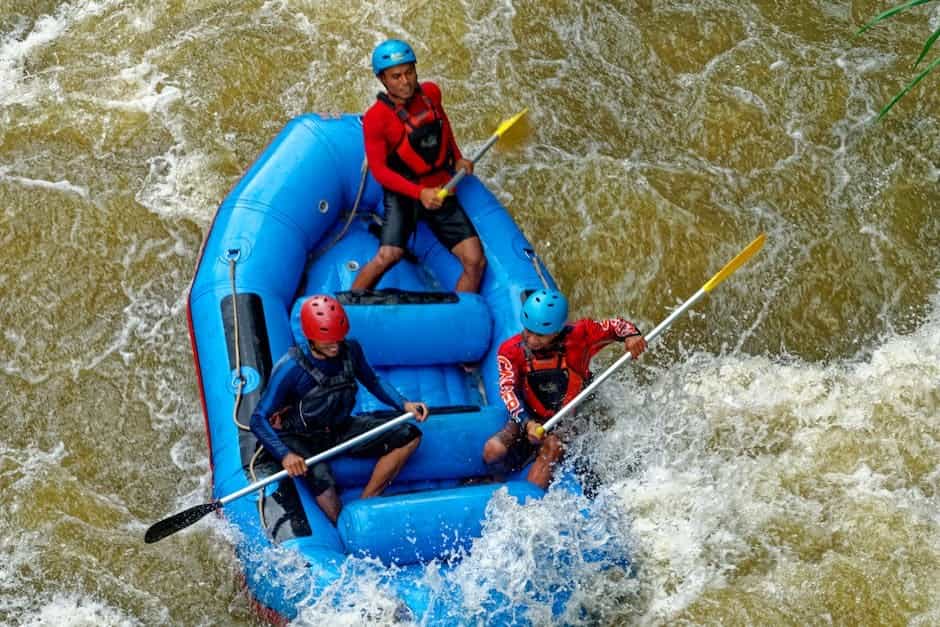
- Adventure seekers can raft Grade II–IV rapids on the Teesta and Rangit rivers, paraglide over Gangtok's terraced hills, or tackle the legendary Goecha La trek for sunrise over Khangchendzonga.
- India's first fully organic state offers a gentle, sustainable travel ethos that mirrors Bhutan's own philosophy—a thematic thread that ties the entire journey together.
Final Takeaways
A combined Sikkim–Bhutan tour is one of the most rewarding multi-destination trips in Asia. Here's your action checklist:
- Pick your season: March–May for flowers and festivals; October–November for clear skies.
- Sort permits first: Sikkim inner-line permits via a registered operator; Bhutan entry permit (Indians) or visa through a licensed Bhutanese operator (internationals).
- Use Bagdogra/NJP as your hub: It connects seamlessly to both Gangtok and the Phuentsholing border.
- Allow 12–14 days for a comfortable pace that does justice to both destinations.
- Budget for the SDF: INR 1,200/night for Indians, USD 100/night for others—locked until August 2027.
Two Buddhist Himalayan worlds, one incredible road trip. Start planning, and let the mountains do the rest.
Leave a Comment
Explore Sikkim
Ready to plan your trip? Check out our complete travel guide and packages.