Best Time to Visit Sri Lanka: A Month-by-Month Guide (2026)
Here's a little secret that makes Sri Lanka one of the most rewarding destinations in Asia: there is no single bad time to visit. Thanks to its unique geography and two distinct monsoon seasons affecting opposite coasts, somewhere on this teardrop-shaped island is bathed in sunshine every single day of the year.
But that doesn't mean timing doesn't matter. Whether you're chasing golden beaches, misty hill country treks, incredible wildlife encounters, or vibrant cultural festivals, choosing the right month can elevate your Sri Lanka trip from great to truly unforgettable.
I've spent years exploring this island — from the ancient ruins of Anuradhapura to the surf breaks of Arugam Bay — and I'm here to help you figure out exactly when to book your flights. Let's break it down.
Understanding Sri Lanka's Two Monsoon Seasons
Before diving into specific months, you need to understand the key to Sri Lanka's weather: two separate monsoons that hit different parts of the island at different times.
- Yala Monsoon (Southwest Monsoon): May to September — brings rain to the west and south coasts and the hill country.
- Maha Monsoon (Northeast Monsoon): October to January — brings rain to the east and north coasts.
This means that when one coast is getting drenched, the other is enjoying dry, sunny weather. Smart travelers use this to their advantage, and so should you.
The Dry Intermonsoonal Periods
The brief windows between monsoons — typically February to April and parts of October — often bring island-wide calm weather. These shoulder periods can be some of the best times to visit if you want to explore the entire country without worrying about regional rain patterns.
Month-by-Month Breakdown: When to Visit Sri Lanka
January – February: Peak Season Paradise
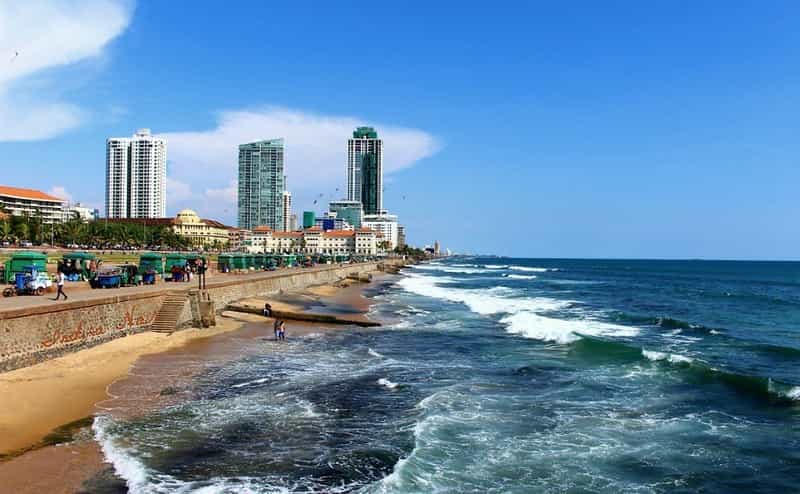
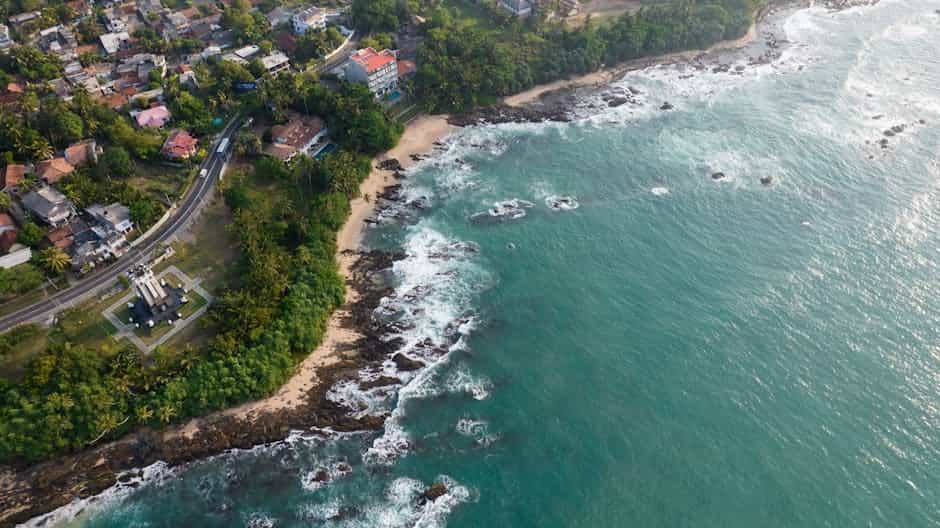
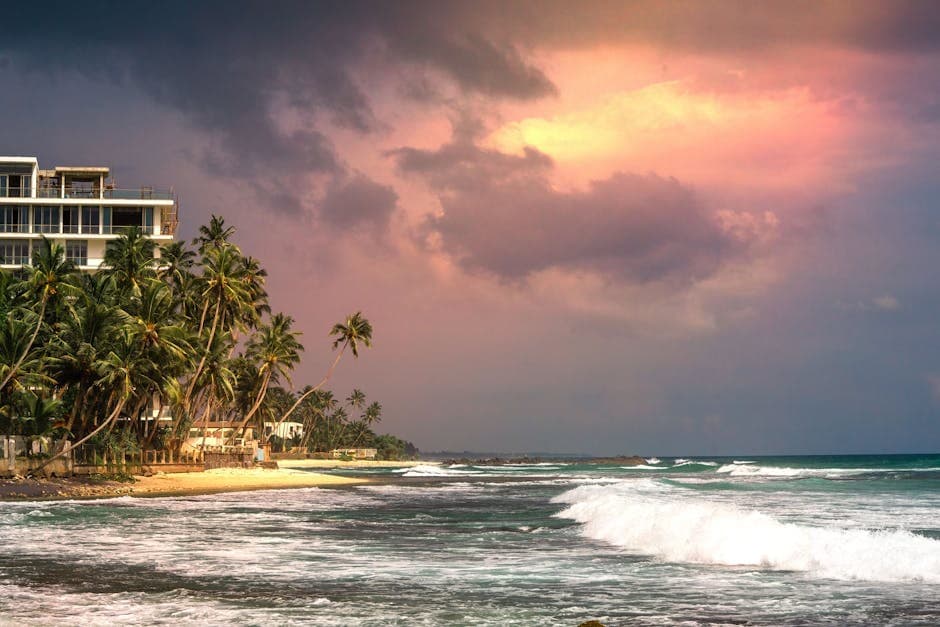
This is widely considered the best overall time to visit Sri Lanka, and for good reason. The west and south coasts — home to popular destinations like Galle, Mirissa, Unawatuna, and Bentota — enjoy dry, sunny days with calm seas perfect for swimming and snorkeling.
- Weather: Warm and dry on the west/south coasts (28–30°C)
- Best for: Beach holidays, whale watching boat trip in Mirissa (blue whales!), cultural triangle exploration
- Crowds: High — this is peak tourist season, so book accommodation early
- Insider tip: February is slightly less crowded than January while offering equally spectacular weather. It's my personal favorite month for the south coast.
March – April: The Sweet Spot
These intermonsoonal months are a hidden gem. The weather remains largely dry across most of the island, temperatures are warm, and the peak-season crowds have thinned considerably.
- Weather: Hot and humid, occasional afternoon showers (30–32°C)
- Best for: Budget-conscious travelers, island-wide exploration, Sinhalese and Tamil New Year celebrations (April 13–14)
- Crowds: Moderate — better hotel rates and fewer tourists
- Insider tip: April's New Year festivities are a cultural spectacle you won't find in any guidebook's highlight reel. Villages come alive with traditional games, feasts, and genuine hospitality toward visitors.
May – June: East Coast Awakens
As the southwest monsoon rolls in, savvy travelers pivot east. The east coast — particularly Trincomalee, Nilaveli, and Arugam Bay — enters its glorious dry season.
- Weather: Wet on the west/south; dry and sunny on the east coast (28–30°C)
- Best for: Surf the breaks at Arugam Bay (season kicks off in May), diving in Trincomalee, Pigeon Island
- Crowds: Low to moderate on the east coast
- Insider tip: Arugam Bay in early June is surfing nirvana — the swells are building, the water is warm, and the laid-back vibe is unmatched. Arrive before July when the international surf crowd descends in full force.
July – August: Surf, Culture, and Festivals
The east coast is in full swing, and this period coincides with some of Sri Lanka's most spectacular cultural events.
- Weather: Continued rain in the southwest; perfect conditions on the east coast
- Best for: The legendary Esala Perahera festival in Kandy (July/August) — a 10-day extravaganza of fire dancers, drummers, and elaborately decorated elephants
- Crowds: Moderate overall; heavy in Kandy during the festival
- Insider tip: Even though Kandy sits in the hill country where monsoon rains are possible, the Esala Perahera is absolutely worth braving a few showers. Book a hotel with a balcony overlooking the procession route — it's worth every penny.
September – October: Transition Time
September offers the tail end of east coast perfection, while October is the trickiest month — the southwest monsoon is fading, but the northeast monsoon is gearing up. Short bursts of rain can occur island-wide.
- Weather: Unpredictable; transitional across the island (27–30°C)
- Best for: Budget deals, fewer crowds, wildlife in national parks
- Crowds: Low — this is genuine off-season
- Insider tip: If you don't mind occasional rain, October offers the lowest prices of the year. Many boutique hotels slash rates by 30–50%, making luxury stays surprisingly affordable.
November – December: The Return of the West Coast
By late November, the west and south coasts are drying out and gearing up for another glorious season. December marks the beginning of peak season, with festive energy in the air.
- Weather: Improving rapidly on the west/south; rainy on the east (27–29°C)
- Best for: Whale watching season begins, Christmas and New Year celebrations in coastal towns, Yala National Park for leopard spotting
- Crowds: Building through December — book ahead for the holiday period
- Insider tip: Early November is a fantastic under-the-radar window. The rains are subsiding, the landscape is impossibly green from the monsoon, and you'll have beaches practically to yourself.
Best Time to Visit Sri Lanka for Specific Activities
Sometimes your ideal timing depends less on general weather and more on what you want to do. Here's a quick-reference guide:
Wildlife & Nature
- Whale watching (Mirissa): November to April — blue whales and sperm whales
- Leopard safaris (Yala): February to July — dry conditions drive animals to water holes
- Elephant gatherings (Minneriya): August to October — Witness the Elephant Gathering (seasonal), one of Asia's greatest wildlife spectacles
- Sea turtle nesting: January to April on the southern beaches
Adventure & Sports
- Surfing (Arugam Bay): May to October — consistent swells, warm water
- Surfing (Hikkaduwa/south coast): November to March
- Diving & snorkeling: January to April (west/south), May to September (east)
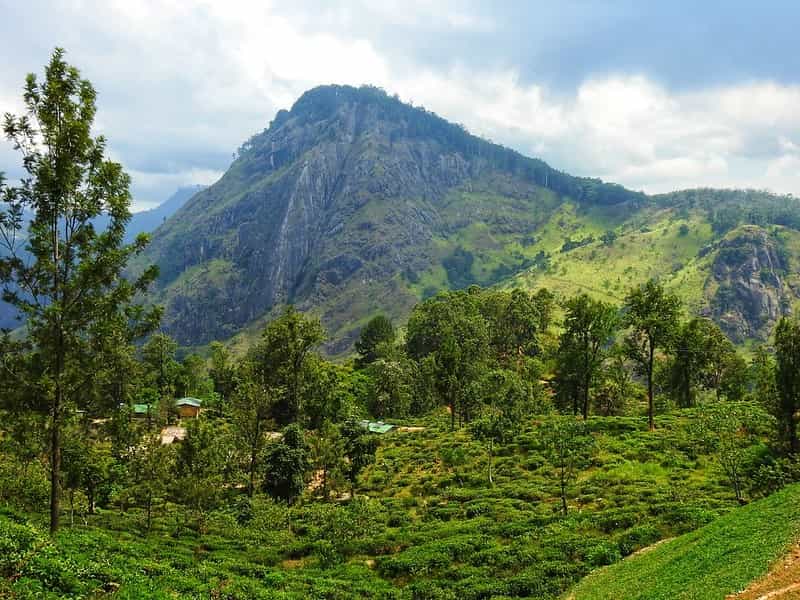
- Hiking (Ella, Adam's Peak): January to April — clearest skies in the hill country
Culture & Festivals
- Esala Perahera (Kandy): July/August
- Sinhalese & Tamil New Year: April 13–14
- Vesak (Buddha's birthday): May — temples illuminated with lanterns across the island
- Deepavali (Festival of Lights): October/November
Practical Tips for Planning Your Trip
1. Don't fear the monsoon. Monsoon rain in Sri Lanka rarely means all-day downpours. It's usually a dramatic afternoon thunderstorm followed by sunshine. Pack a light rain jacket and carry on.
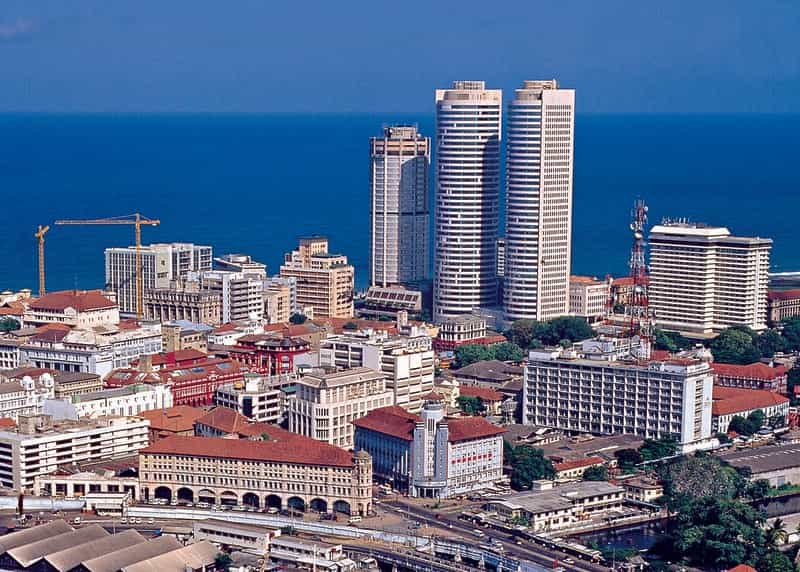
2. Play both coasts. If you're visiting for two weeks or more, you can often enjoy sunshine on one coast while the other is experiencing its wet season. A trip combining Colombo, the hill country, and the east coast works beautifully from May to September.
3. Book early for peak season. January, February, and the Christmas/New Year period see the highest demand. Popular boutique hotels in Galle and Ella can sell out months in advance.
4. Consider travel insurance. Weather patterns are becoming less predictable due to climate change. A good policy gives you peace of mind regardless of when you travel.
5. Check festival dates. Sri Lanka's festival calendar follows lunar cycles, so exact dates shift each year. Check locally updated calendars before finalizing your itinerary.
6. Getting around Sri Lanka is easier than many travelers expect — from tuk-tuks and trains to buses and private drivers, the island has options for every budget and itinerary.
So, When Should You Visit Sri Lanka?
If you're looking for a single, definitive answer: January to March offers the most reliably excellent weather across the most popular destinations, making it the best time for first-time visitors.
But here's what I tell every traveler who asks me this question: the best time to visit Sri Lanka is whenever you can go. This island rewards every season with something extraordinary — whether it's a sun-drenched beach in February, world-class surf in July, or a thundering elephant gathering in September.
Pack your bags, stay flexible, and let Sri Lanka surprise you. It always does.
Leave a Comment
Explore Sri Lanka
Ready to plan your trip? Check out our complete travel guide and packages.