Places to visit in Vietnam
Planning a trip to Vietnam? Here is a complete guide to the best places to visit—from popular tourist attractions to offbeat spots you would not find in every guidebook. Get ready to explore, experience, and fall in love with Vietnam!
Top 152 curated places to visit in Vietnam
Sam Mountain
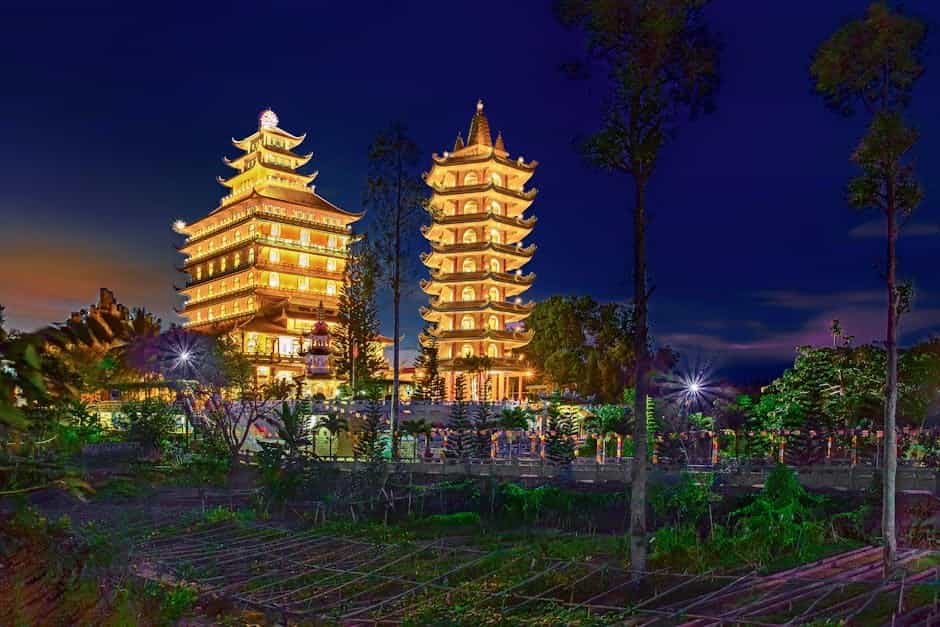
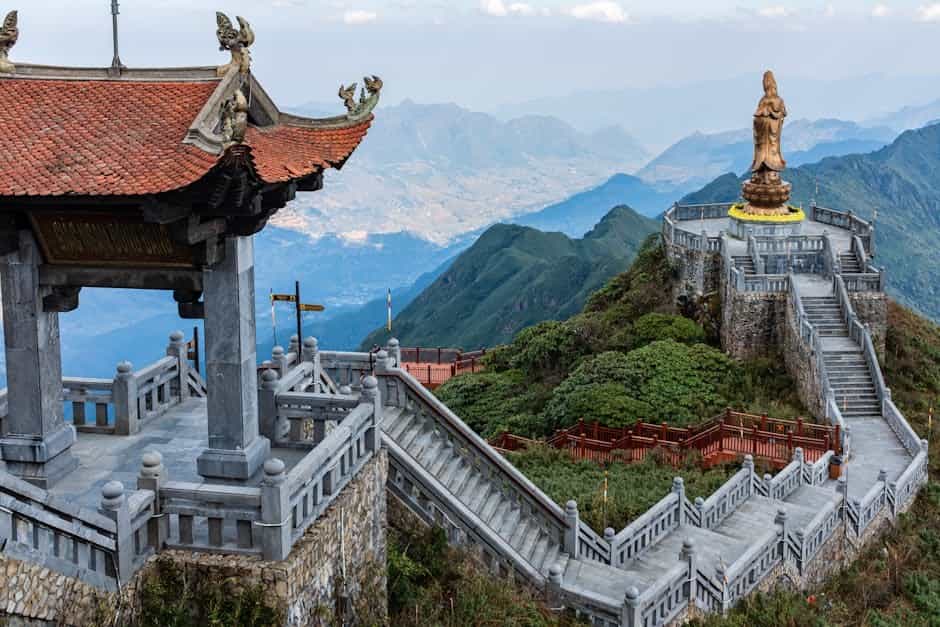
Sam Mountain (Núi Sam), near Châu Đốc in An Giang province, is an important cultural and religious landmark in Vietnam's Mekong Delta. It is a long-established pilgrimage site with multiple pagodas and shrines that attract devotees from across the region. The mountain also offers scenic views over the Bassac River, rice paddies and wetlands of the delta, representing both cultural and natural value for visitors.
U Minh Thuong National Park
U Minh Thuong National Park (Vườn quốc gia U Minh Thượng) is one of Vietnam's most important peat-swamp forest ecosystems in the Mekong Delta. The park protects extensive peatlands, a seasonally flooded landscape and associated freshwater swamp forest that store carbon, support flood regulation and sustain rich biodiversity including a variety of waterbirds, amphibians, reptiles and fish. The area is also important to local livelihoods (fishing, honey collection, small-scale agriculture) and serves as a living laboratory for wetland and peatland conservation in southern Vietnam.
Nam Du Archipelago
Nam Du Archipelago (Quần đảo Nam Du) is a group of islands in Kiên Giang province, southern Vietnam, known for its pristine beaches, clear waters and rich coral reefs. The archipelago (about 21 islands) is important for local fishing communities and marine biodiversity and has become an emerging ecotourism destination offering relatively untouched island landscapes compared with nearby Phú Quốc.
Phu Quoc Island
Phu Quoc Island is Vietnam's largest island and an important natural and cultural destination in the Gulf of Thailand. The island combines extensive white-sand beaches, coral reefs and tropical rainforest (Phu Quoc National Park), making it a biodiversity hotspot and popular ecotourism site. Historically, Phu Quoc has a cultural mix of mainland Vietnamese and Khmer influences and a recent past as a strategic location with sites like the Coconut Prison (historical wartime site). The island is also renowned for artisanal products such as Phu Quoc fish sauce (nuoc mam Phu Quoc) and high-quality black pepper.
Phu Quoc National Park
Phu Quoc National Park protects much of Phu Quoc Island's remaining primary tropical rainforest, mangroves and coastal ecosystems, making it a keystone for biodiversity, island watershed protection and climate resilience. The park is important for conservation of native flora and fauna (including primates, small mammals, and many bird species), and it helps sustain local livelihoods through regulated ecotourism and sustainable resource use.
Sao Beach
Bãi Sao (Sao Beach) on the southeast coast of Phú Quốc island is widely regarded as one of Vietnam's most picturesque beaches. Its natural importance lies in the powdery white sand, clear turquoise waters, and nearby coral patches that support local marine life. Culturally, the beach contributes to Phú Quốc's identity as an island destination known for seafood, fishing villages, and island hospitality, drawing both domestic and international visitors.
Long Beach (Bai Truong)
Long Beach (Bai Truong), Phu Quoc is the island's longest and most accessible shoreline, stretching several kilometers along the island's western coast. It is important for its natural coastal landscape—wide sandy beaches, coconut palms and calm shallow waters—which support local tourism, traditional fishing communities, and nearshore marine life. The beach plays a central role in Phu Quoc's modern tourism identity while remaining connected to local livelihoods (fishing, small-scale crafts and hospitality).
Hon Thom Nature Park & Cable Car
Hon Thom Nature Park (also known as Pineapple Island) is a notable natural and recreational site in the southern waters of Phu Quoc, Vietnam. It showcases coastal tropical island ecosystems — clear seas, coral reefs and sandy beaches — while serving as a major modern tourism development by Sun Group that balances leisure and nature. The site is significant as a flagship island-destination in the Phu Quoc archipelago, helping diversify the island's tourism beyond traditional beach stays.
An Thoi Islands
The An Thoi Islands (Quần đảo An Thới) form the southern archipelago of Phu Quoc Island in Kiên Giang province, Vietnam. They are important for their rich marine biodiversity, extensive coral reefs and clear tropical waters, making them a key natural heritage area for snorkeling and diving. Historically, An Thoi's sheltered channels and anchored bays have supported local fishing communities and served as strategic maritime points in regional trade and naval history. Culturally, the islands sustain traditional livelihoods tied to the sea—fishing, boat-building and seafood processing—reflecting southern Vietnamese island life.
Con Dao Islands
Côn Đảo is an archipelago off Vietnam's southern coast notable for its deep historical and natural significance. Historically, the islands house the infamous Côn Đảo Prison (also called "Maison Centrale" during the French era), where thousands of Vietnamese political prisoners were held and many perished under French colonial rule and later during wartime. The prison complex, martyr cemeteries such as Hàng Dương Cemetery, and numerous memorials make the islands a powerful site of national memory. Naturally, Côn Đảo is part of Côn Đảo National Park, protecting diverse terrestrial and marine ecosystems — coral reefs, seagrass beds, sea turtle nesting beaches, and tropical forest — and is important for biodiversity conservation in the region.
Con Dao Prison
Côn Đảo Prison (often called Côn Sơn Prison) is one of Vietnam's most important historical sites. Built during the French colonial period and later used by successive regimes, it imprisoned thousands of Vietnamese political prisoners, revolutionaries and independence activists. The site—including the notorious "tiger cages" (Chuồng Cọp)—became an international symbol of political imprisonment and human-rights abuses. Today it is a national memorial and museum that documents Vietnam's struggle for independence and pays tribute to the martyrs who suffered and died there.
Dam Trau Beach
Dam Trau Beach (Bãi Đầm Trầu) is a small, relatively unspoilt coastal spot on Phu Quoc Island, valued primarily for its natural coastal scenery: white sand, clear shallow waters and nearby coral formations. It offers a quieter alternative to the island's busier beaches and supports local fishing communities and coastal biodiversity (seagrass beds, nearshore coral patches).