Places to visit in Vietnam
Planning a trip to Vietnam? Here is a complete guide to the best places to visit—from popular tourist attractions to offbeat spots you would not find in every guidebook. Get ready to explore, experience, and fall in love with Vietnam!
Top 152 curated places to visit in Vietnam
Hai Van Pass
Hai Van Pass (Đèo Hải Vân) is a historic mountain pass on Vietnam's National Route 1A that forms a natural boundary between Thừa Thiên–Huế Province and Da Nang. Strategically important for centuries, it marked the border between the Champa kingdom and various Vietnamese dynasties. The pass offers outstanding natural scenery — a dramatic stretch of coastline, steep forested slopes and panoramic views of the South China Sea — making it one of Vietnam's most iconic drives.
My Khe Beach
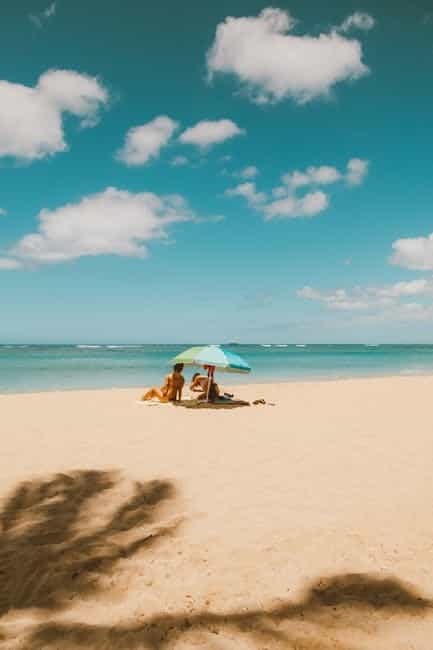
My Khe Beach (Da Nang, Vietnam) is a premier coastal destination known for its long stretches of fine white sand, clear blue water and gentle surf. It plays an important role in local tourism and the coastal lifestyle of Da Nang, offering both recreational value and livelihood for fishing communities. The beach is also internationally recognized for its scenic quality and has been featured in travel media as one of Vietnam's most attractive beaches.
Son Tra Peninsula
Son Trà Peninsula (Sơn Trà), often called "Monkey Mountain", is a biologically rich and culturally important headland northeast of Da Nang city. It forms the largest green lung for the city, protecting coastal ecosystems and offering a refuge for endangered wildlife. The peninsula has historical significance from its use as a lookout and military area during the 20th century and is culturally important for its Buddhist sites and local fishing communities.
Marble Mountains (Ngu Hanh Son)
The Marble Mountains (Ngu Hanh Son) are a cluster of five marble and limestone hills named after the five elements (Metal, Wood, Water, Fire, Earth). They are important both naturally and culturally: naturally for their karst formations, caves, and biodiversity; culturally and historically for the centuries-old Buddhist and Hindu sanctuaries, pagodas, and shrines carved into the hills, and for the traditional stone-carving village (Non Nuoc) at their base that supplies sculptures and architectural stonework across Vietnam.
Ba Na Hills
Ba Na Hills is a historic hill station and mountain resort complex near Da Nang, central Vietnam. Founded by the French in the early 20th century as a cool-season retreat, it blends colonial-era architecture (notably the Debay Wine Cellar and French Village) with dramatic natural scenery: mist-cloaked peaks, montane forest and panoramic views over the central coast. The site is also known for its modern, record-setting cable car system and the iconic Golden Bridge — a major contemporary landmark that has put Ba Na Hills on the global tourism map.
Golden Bridge (Cau Vang)
Golden Bridge (Cầu Vàng) is a contemporary architectural landmark in the Bà Nà Hills resort near Da Nang, Vietnam. Opened in 2018, it quickly became an international symbol of Vietnam's modern tourism boom. The bridge marries innovative engineering with the natural beauty of the Annamite Range, offering panoramic mountain views and serving as a showcase for Vietnam's investment in experiential tourism. It is primarily a cultural and touristic icon rather than an historic monument.
Dragon Bridge
Dragon Bridge (Cầu Rồng) is a modern landmark in Da Nang, Vietnam, symbolizing the city's rapid development and ambitions as a major central Vietnamese hub. Opened in 2013, the bridge's dragon form draws on the traditional Vietnamese dragon as a symbol of power, prosperity and good fortune. It spans the Hàn River and connects the city’s commercial and residential districts while serving as a focal point for tourism and civic celebrations.
An Bang Beach
An Bang Beach is a coastal extension of Hoi An's cultural landscape, reflecting the area's fishing-village heritage and offering a natural counterpoint to the nearby UNESCO-listed Hoi An Ancient Town. Its natural importance lies in the long sandy shore, shallow waters and nearshore marine life that support local fisheries and seasonal ecotourism.
Cham Islands (Cu Lao Cham)
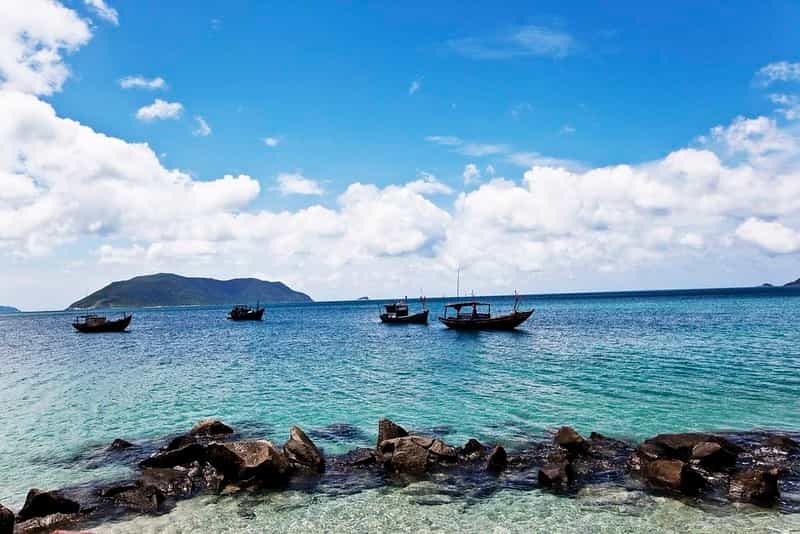
Cù Lao Chàm (Cham Islands) is a small archipelago off the central coast of Vietnam, recognized for its ecological and cultural value. It was designated a UNESCO Biosphere Reserve (part of the Cù Lao Chàm—Hội An Biosphere Reserve) because of its rich marine biodiversity, coral reefs, mangrove forests, and traditional fishing communities. Historically the islands served as stopovers for maritime trade routes and are linked to the Cham people and later Vietnamese coastal communities, reflecting layered cultural influences and traditional livelihoods.
My Son Sanctuary
Mỹ Sơn is an archaeological complex of Hindu temples constructed by the Champa kingdom between the 4th and 13th centuries. It served as a religious, political and cultural center for the Cham people and contains important examples of Champa brick architecture and sandstone carving. The site is a UNESCO World Heritage Site and is significant for understanding Southeast Asian Indianized kingdoms and the spread of Hinduism in the region.
Imperial City (Citadel of Hue)
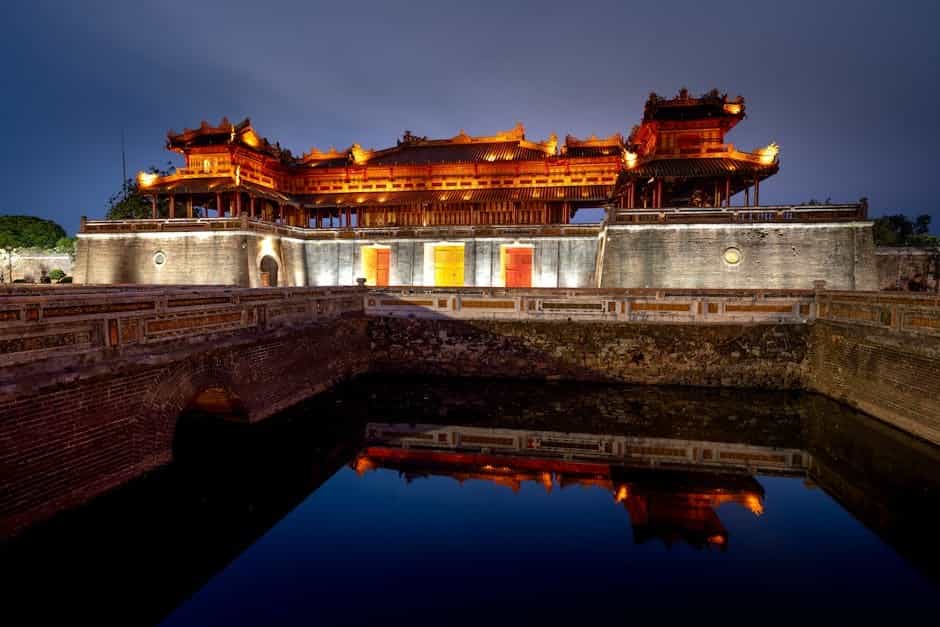
The Imperial City (Citadel of Hue) is the former seat of the Nguyen Dynasty (1802–1945), Vietnam's last royal family. It served as the political, cultural and religious center of the empire and retains important examples of Nguyen-era architecture, urban planning, and royal rituals. The complex is a UNESCO World Heritage Site (since 1993) and symbolizes Vietnamese imperial history, Confucian statecraft, and traditional arts.
Thien Mu Pagoda
Thiên Mụ Pagoda (Thiên Mụ Tự), founded in 1601 by Nguyễn Hoàng, is one of the oldest and most important religious sites in Huế. Perched on Hà Khê (Ha Khe) hill overlooking the Perfume River, it has served as a spiritual center, a symbol of the city, and an architectural landmark reflecting traditional Vietnamese Buddhist art and Nguyễn-dynasty patronage. The pagoda is an active monastery and plays an important role in local religious life and cultural memory.
Perfume River
The Perfume River (Sông Hương) is the iconic river flowing through the city of Huế, central Vietnam. It has deep historical and cultural importance as the lifeblood of the Nguyễn Dynasty's imperial capital (1802–1945). The river's banks are lined with royal tombs, pagodas, temples, and the Hue Citadel (Imperial City) — many sites that played central roles in royal rituals and funerary practices. Naturally, the river contributes to the region's scenic beauty: calm stretches reflect silhouettes of temples and bridges, and seasonal flower scents historically gave the river its evocative name.
Tomb of Khai Dinh
The Tomb of Khai Dinh (Lăng Khải Định) near Huế is the mausoleum of the 12th Nguyen emperor, Khải Định (reigned 1916–1925). Built between 1920 and 1931, it is historically significant as a late imperial royal tomb constructed during French colonial rule—reflecting the complex relationship between the Nguyen monarchy and the colonial administration. Culturally, it stands out for its unique blend of traditional Vietnamese and European (particularly French and Baroque) architectural and decorative elements. Naturally, it occupies a scenic hillside (Châu Chữ mountain area) offering views over the surrounding countryside and sits among other royal tombs and landscaped terraces.
Tomb of Minh Mang
Tomb of Minh Mạng (Lăng Minh Mạng) is the final resting place of Emperor Minh Mạng (reigned 1820–1841), the second ruler of the Nguyễn dynasty. The complex is an important example of 19th‑century imperial Vietnamese funerary architecture and garden design, reflecting Confucian principles, royal ritual practice and Vietnamese adaptations of East Asian landscaping. It is part of the broader Hue Royal Tombs ensemble that helps illustrate Vietnam's imperial history and cultural heritage.
Tomb of Tu Duc
Tomb of Tu Duc (Lăng Tự Đức) is one of the most important and visually striking royal tombs of the Nguyễn Dynasty near Hue, Vietnam. Built during the reign of Emperor Tự Đức (r. 1847–1883), the complex served both as his mausoleum and as a private imperial retreat. It illustrates Nguyễn-era funerary architecture, landscape design and literati culture—featuring carved stone, wooden pavilions, ornamental lakes and poetic inscriptions that reflect Tu Duc's tastes and literary interests.
Thanh Toan Bridge
Thanh Toan Tile-Roofed Bridge (Cầu Ngói Thanh Toàn) is an iconic example of rural Vietnamese covered-bridge architecture near Huế in Thừa Thiên–Huế province. Built in the 18th century by local villagers, the bridge has long served as a practical river crossing and a communal gathering place. It is valued for its traditional construction techniques, wooden structural system and terracotta-tiled roof, which together reflect the cultural heritage and village life of central Vietnam.
Bach Ma National Park
Bạch Mã National Park (Vườn Quốc gia Bạch Mã) is a biologically rich protected area in central Vietnam, located in Thừa Thiên–Huế province on the Annamite (Truong Son) Range. It conserves montane evergreen and cloud forest ecosystems and acts as an important watershed between the coastal plains and the mountains. The park is significant for its biodiversity (numerous endemic plants, orchids and many bird species), for protecting rare wildlife, and for its role in regional water regulation. It also contains remnants of a French colonial hill station (late 19th–early 20th century) that served as a cool retreat, giving the area cultural and historical interest.
Phong Nha–Ke Bang National Park
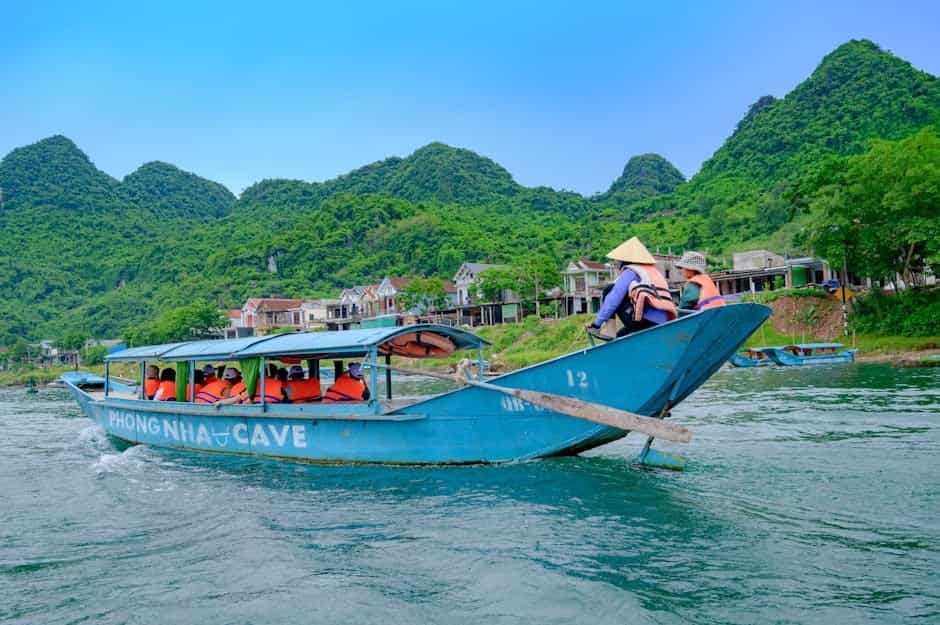
UNESCO World Heritage Site (2003) — Phong Nha–Ke Bang is internationally recognized for its outstanding karst landscape and some of the world's most significant cave systems, including Son Doong (the largest known cave passage by volume). The park preserves an ancient karst plateau (one of the oldest in Asia), extensive subterranean rivers, complex cave morphology, and rich tropical rainforest supporting high biodiversity and many endemic or rare species.
Son Doong Cave
Son Doong Cave (Hang Sơn Đoòng) in Quảng Bình Province is recognized as one of the world's largest natural caves by volume. Formed within the limestone karst of Phong Nha-Kẻ Bàng National Park, Son Doong is a geological masterpiece: its colossal passages, subterranean river, and collapsed dolines create isolated microclimates and ecosystems found nowhere else on Earth. The cave has scientific importance for geology (karst processes and speleogenesis), biology (unique cave-adapted species and relict jungle patches), and conservation — it highlights the global value of Vietnam's karst landscapes.
The cave was first reported by a local man (Ho Khanh) in the early 1990s and later surveyed and publicized by a British-Vietnamese team led by Howard Limbert in 2009, which brought international attention and led to regulated tourism and conservation efforts.