Places to visit in Vietnam
Planning a trip to Vietnam? Here is a complete guide to the best places to visit—from popular tourist attractions to offbeat spots you would not find in every guidebook. Get ready to explore, experience, and fall in love with Vietnam!
Top 152 curated places to visit in Vietnam
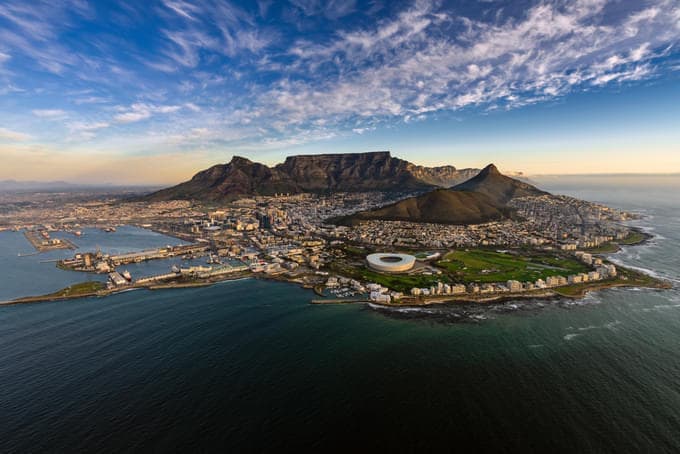
Bai Tu Long Bay
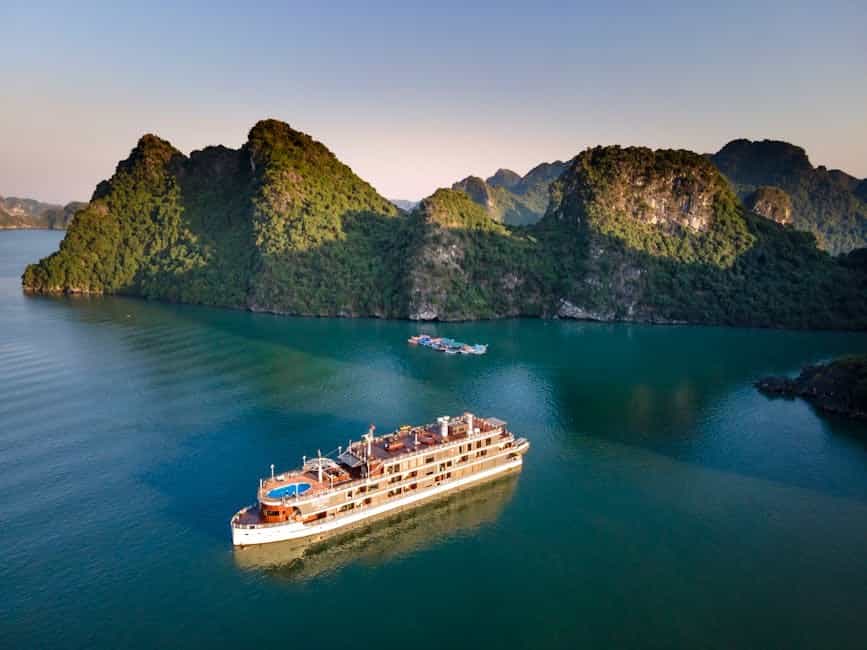
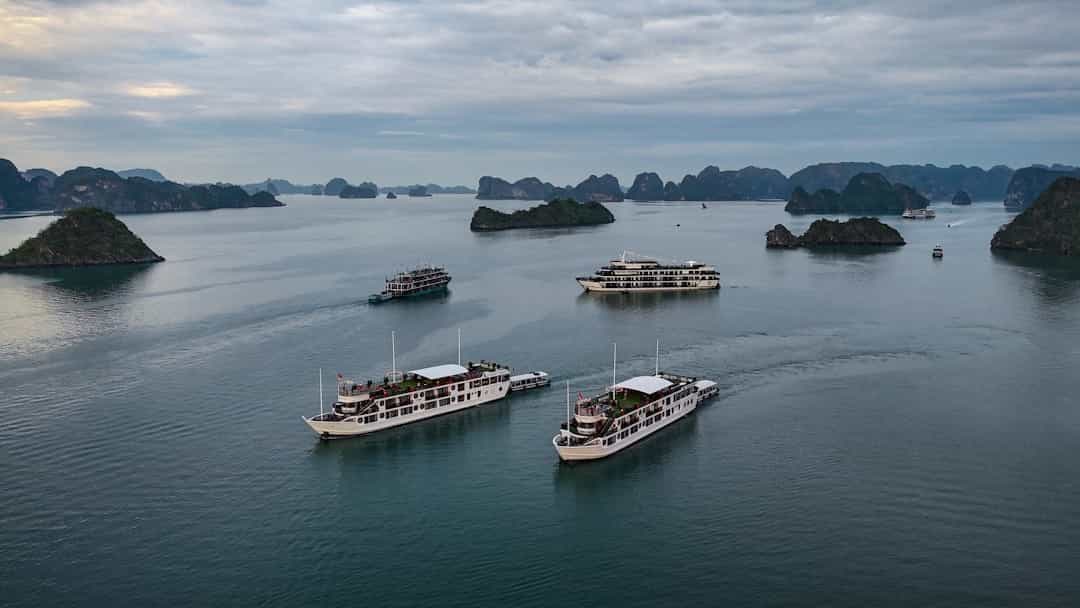
Bai Tu Long Bay is an extension of Ha Long Bay and part of the UNESCO World Heritage site region. It is valued for its karst limestone formations, rich marine biodiversity, and relatively undisturbed ecosystems compared to busier neighboring areas. The bay's geological formations tell a story of millions of years of geological processes and sea level changes, and the area supports traditional fishing communities with long cultural ties to the sea.
Cat Ba Island
Cát Bà Island is the largest island in the Cát Bà Archipelago and an important gateway to Lan Ha Bay and the southeastern edge of Hạ Long Bay (a UNESCO World Heritage area). It contains Cát Bà National Park, a UNESCO-designated biosphere reserve notable for its limestone karsts, rich tropical forest and unique biodiversity, including the critically endangered Cát Bà langur. The island also has historical significance from the 20th century: sites such as Hospital Cave and Cannon Fort reflect its wartime history and coastal defense heritage.
Cat Ba National Park
Cat Ba National Park is a core part of the Cat Ba Archipelago, located in northern Vietnam in Ha Long Bay's southern edge. It is recognized for its exceptional natural importance—a mix of limestone karst, tropical evergreen forest, mangroves and coastal ecosystems—and forms part of the Cat Ba Archipelago UNESCO Biosphere Reserve. The park protects high levels of biodiversity, including many endemic and endangered species (most notably the critically endangered Cat Ba langur), as well as important bird, reptile and plant communities. The park also conserves traces of human history: traditional fishing communities on the island, wartime sites and colonial-era remnants.
Yen Tu Mountain
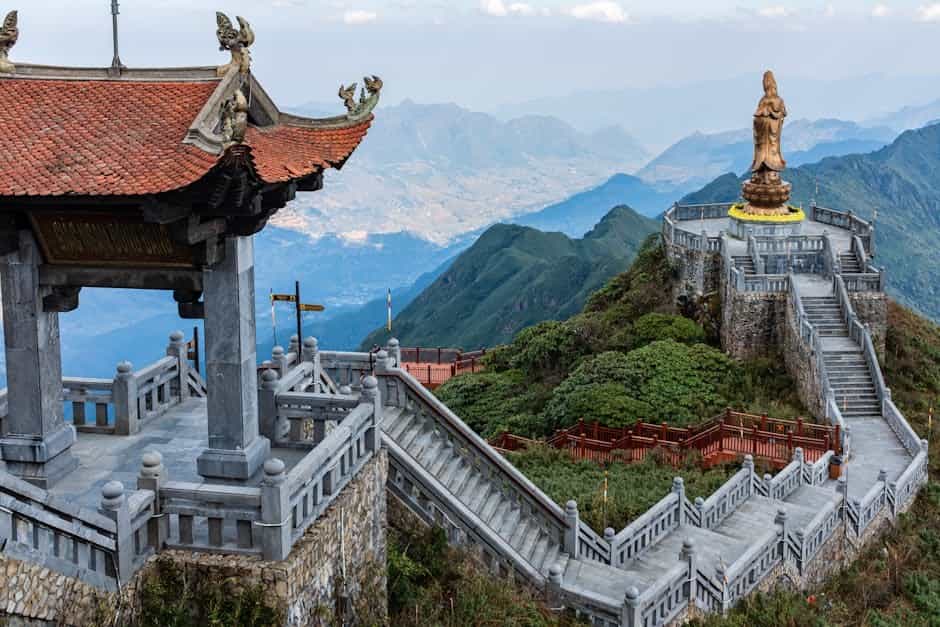
Yên Tử (Yen Tu Mountain) is the cradle of Vietnamese Zen Buddhism (Trúc Lâm) and one of Vietnam's most important spiritual and cultural landmarks. It was the retreat and final resting place of Emperor Trần Nhân Tông, who abdicated the throne in the 13th century to become a monk and founded the Trúc Lâm Zen school. The mountain range combines cultural heritage—centuries-old pagodas, temples and stone stairways—with rich natural scenery of forests, peaks and waterfalls, making it significant both historically and ecologically.
Ba Vi National Park
Ba Vi National Park is an important protected area west of Hanoi, Vietnam, renowned for its montane tropical forest, high biodiversity, and unique microclimates. The park's elevation range and varied habitats support numerous plant and animal species, including many medicinal plants and bird species. It provides ecological services such as watershed protection for downstream areas and is a popular natural refuge for residents of Hanoi seeking cooler temperatures and scenic mountain landscapes.
Tam Dao National Park
Tam Đảo National Park is an important protected area in northern Vietnam known for its montane evergreen forests, cloud/mossy forest zones and role as a biodiversity refuge near Hanoi. The park preserves a variety of habitats across altitudes, supporting many bird, amphibian and plant species and serving as an accessible example of northern Vietnam's mountain ecosystems. The nearby hill-station town of Tam Đảo also contains remnants of French-colonial architecture and played a role as a cool retreat during the colonial period.
Perfume Pagoda (Chua Huong)
Perfume Pagoda (Chùa Hương) is one of Vietnam's most important pilgrimage complexes, blending natural karst scenery with deep-rooted Buddhist and folk traditions. Located on Huong Tich Mountain in My Duc district, Hanoi, the site has served as a spiritual center for centuries where pilgrims come to pray for luck, health and prosperity. The complex includes temples, grottoes and mountain paths carved into a limestone landscape, offering both religious and scenic value.
Hanoi Old Quarter
Hanoi Old Quarter is the historic commercial heart of Vietnam's capital, with origins dating back to the 11th century. It preserves an urban layout and trading traditions shaped by the "36 Streets" guild system, colonial-era architecture, and remnants of imperial-era streetscapes. The area is a living museum of Vietnamese urban life, commerce, and craft traditions.
Hoan Kiem Lake
Hoan Kiem Lake (Hồ Hoàn Kiếm) is the cultural and historic heart of Hanoi. It is a symbol of the city and Vietnam's national identity, framed by the Old Quarter and colonial-era buildings. Historically tied to the 15th-century legend of Emperor Lê Lợi and the magical sword, the lake and its islands host important shrines (Ngọc Sơn Temple) and monuments (Turtle Tower). It has served as a civic gathering place for ceremonies, protests, and daily community life. Ecologically, it is one of Hanoi's most important urban green spaces and was once home to the rare freshwater turtle species (Rafetus swinhoei), giving the lake additional conservation significance.
Ngoc Son Temple
Ngọc Sơn Temple (Temple of the Jade Mountain) sits on a small islet in Hoàn Kiếm Lake, central Hanoi. It is an important cultural and historical site honoring national hero Trần Hưng Đạo, as well as figures associated with literature and local spiritual traditions. The temple symbolizes Hanoi's historical resistance against invaders and reflects Vietnam's blend of Confucian, Taoist and Buddhist influences. Its location in the picturesque Hoàn Kiếm Lake makes it a natural focal point for the city's identity.
Temple of Literature
The Temple of Literature (Văn Miếu) in Hanoi is Vietnam’s first national university (Quốc Tử Giám), founded in 1070 and dedicated to Confucius and learning. It served as a center of education, state examinations and scholarly life for centuries and remains a symbol of Vietnamese respect for education, literature and Confucian values. Architecturally and culturally it preserves traditional Vietnamese courtyard-style temple design and contains important artifacts—most notably the stone stelae listing names of successful doctoral candidates that document the country’s scholarly history.
St. Joseph's Cathedral
St. Joseph's Cathedral (Nhà thờ Lớn Hà Nội) is one of Hanoi's most recognizable colonial-era landmarks. Built in the late 19th century by the French (consecrated in 1887), it serves as the seat of the Roman Catholic Archdiocese of Hanoi and is a prime example of neo-Gothic architecture in Vietnam. The cathedral marks the heart of the French Quarter and is significant both as a place of worship for the local Catholic community and as a cultural and historical symbol of Hanoi's colonial past.
Ho Chi Minh Mausoleum
The Ho Chi Minh Mausoleum in Hanoi is the final resting place of Ho Chi Minh, the revolutionary leader who founded the modern Vietnamese state. Built between 1973 and 1975 on Ba Dinh Square (where Ho Chi Minh declared Vietnam's independence in 1945), the mausoleum is a powerful national symbol of independence, unity, and the communist revolution. It draws visitors for its political and historical importance and plays a central role in state ceremonies.
One Pillar Pagoda
The One Pillar Pagoda (Chùa Một Cột) in Hanoi is a historic Buddhist temple and architectural symbol of Vietnam, originally built in 1049 by Emperor Lý Thái Tông. Designed to resemble a lotus blossom rising from a pond, it embodies Buddhist ideals of purity and enlightenment and holds cultural importance as a symbol of Hanoi's imperial past and Vietnam's spiritual heritage.
Long Bien Bridge
Long Biên Bridge (Cầu Long Biên) is an iconic symbol of Hanoi and one of Vietnam's most historically significant bridges. Built by the French colonial administration around the turn of the 20th century (construction 1899–1902), it served as a vital transport link across the Red River, connecting central Hanoi with the eastern suburbs. The bridge witnessed major events including colonial-era development, wartime bombing during the 20th-century conflicts, and the subsequent resilience and reconstruction of the city. It is valued for both its industrial colonial architecture and its role in Hanoi's urban and social history.
Vietnam Museum of Ethnology
Vietnam Museum of Ethnology (Bảo tàng Dân tộc học Việt Nam) is the country's premier ethnographic museum presenting the cultures of Vietnam's 54 official ethnic groups. It serves as an important center for preservation, research and public education on traditional lifeways, rituals, crafts and material culture across the nation's diverse communities.
Imperial Citadel of Thang Long
UNESCO World Heritage Site (2010). The Imperial Citadel of Thang Long is the historical center of political power in Vietnam for more than 1,300 years (from the 7th century through several dynasties). It preserves stratified archaeological remains—palaces, administrative buildings, defensive works and ceremonial spaces—that document the development of Hanoi (Thang Long) as a capital. The site is critical for understanding Vietnamese state formation, architecture and urban planning.
Hoa Lo Prison
Hoa Lo Prison (Hỏa Lò Prison) in Hanoi is a site of layered historical significance: built by the French in the late 19th century as the Maison Centrale to hold Vietnamese political prisoners, it became a symbol of colonial repression and nationalist resistance. After independence, the site was used by North Vietnam to detain prisoners of war during the Vietnam War; Western media and many American veterans referred to it ironically as the "Hanoi Hilton." Today the preserved prison complex functions as a museum documenting both Vietnamese anti-colonial struggle and the experiences of foreign prisoners, making it a poignant place for reflection on conflict, memory, and reconciliation.
West Lake (Ho Tay)
West Lake (Hồ Tây) is the largest freshwater lake in Hanoi and an important cultural, historical and recreational landmark. The lakeshore has hosted religious sites, pagodas and temples for centuries and sits at the heart of Tay Ho district, a longstanding area for leisure and residence. The lake connects Hanoi's urban life with scenic waterside landscapes and has long been a gathering place for locals and visitors.
Trang An Landscape Complex
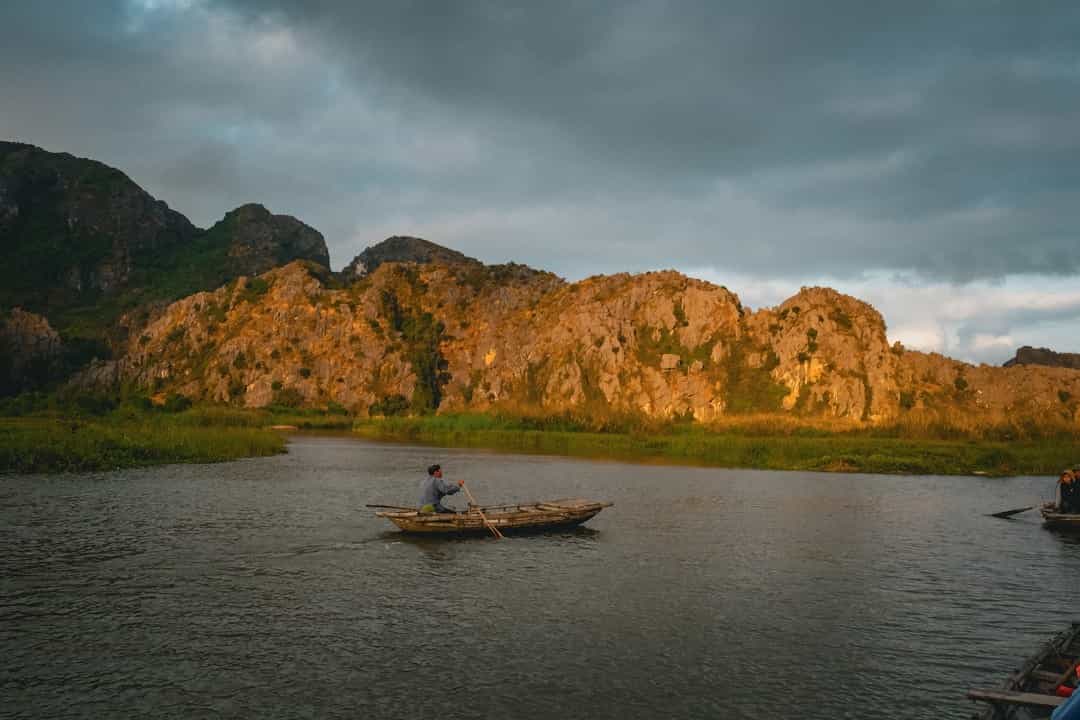
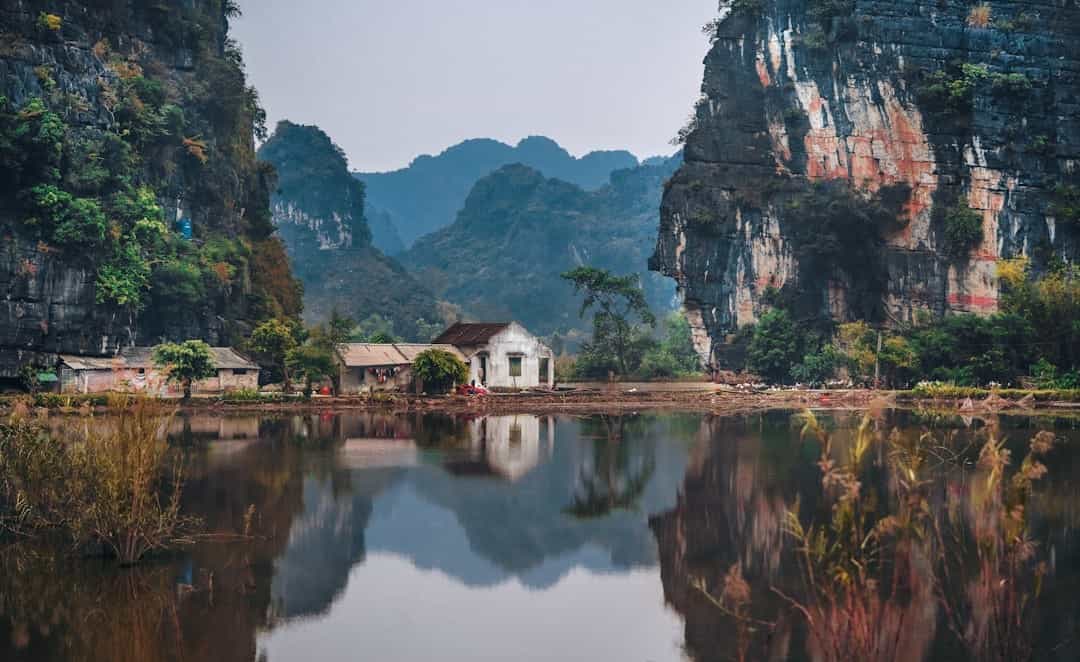
Trang An Landscape Complex (Ninh Binh province) is a UNESCO World Heritage Site (inscribed in 2014) that combines outstanding natural karst landscapes with Vietnam's historical and cultural heritage. The area includes limestone karst peaks, winding rivers, caves, wetlands and rice paddies, and it conserves biodiversity and unique geomorphological features. It also incorporates Hoa Lu, the ancient capital of Vietnam (10th–11th centuries), with its royal temples and historical relics, linking natural beauty to Vietnam's early centralized state history.