Places to visit in Vietnam
Planning a trip to Vietnam? Here is a complete guide to the best places to visit—from popular tourist attractions to offbeat spots you would not find in every guidebook. Get ready to explore, experience, and fall in love with Vietnam!
Top 152 curated places to visit in Vietnam
Hanoi
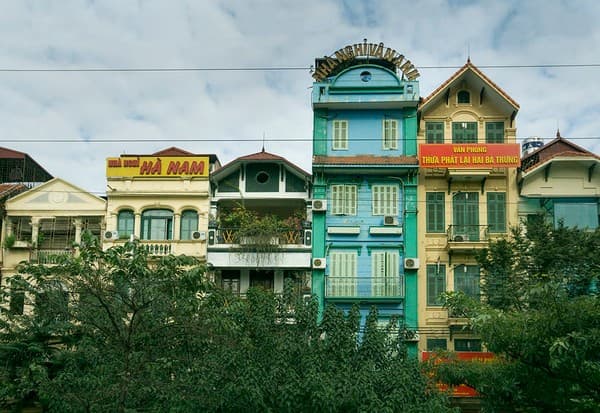
Hanoi is Vietnam's capital and cultural heart, with over a thousand years of recorded history. It has been the seat of multiple dynasties, colonial administration, and the modern government. The city blends ancient temples, French colonial architecture, and Communist-era monuments, making it a living museum of Vietnamese history, politics, art, and religion.
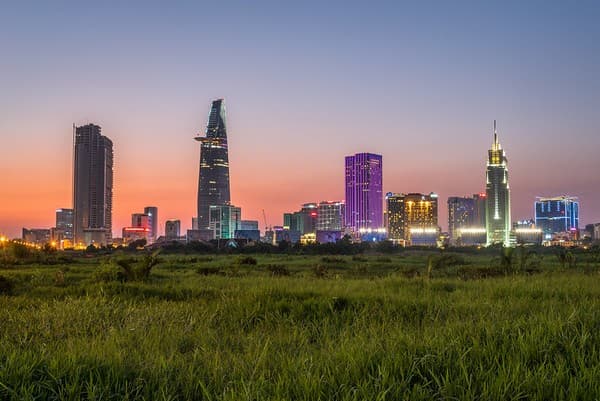
Ho Chi Minh City
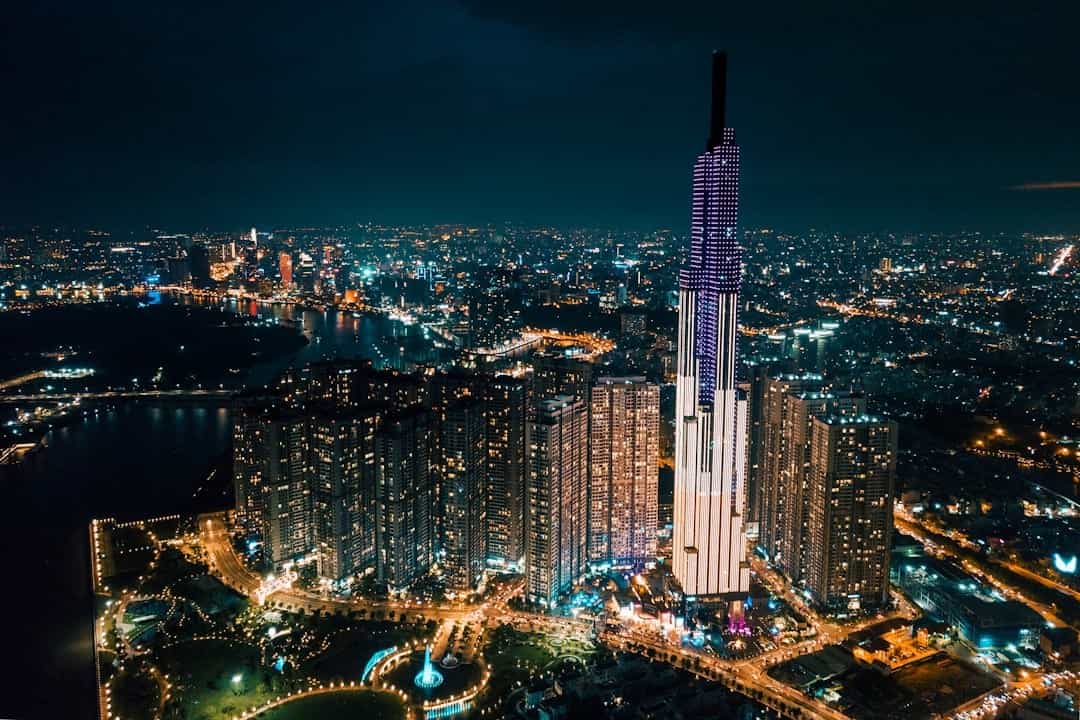
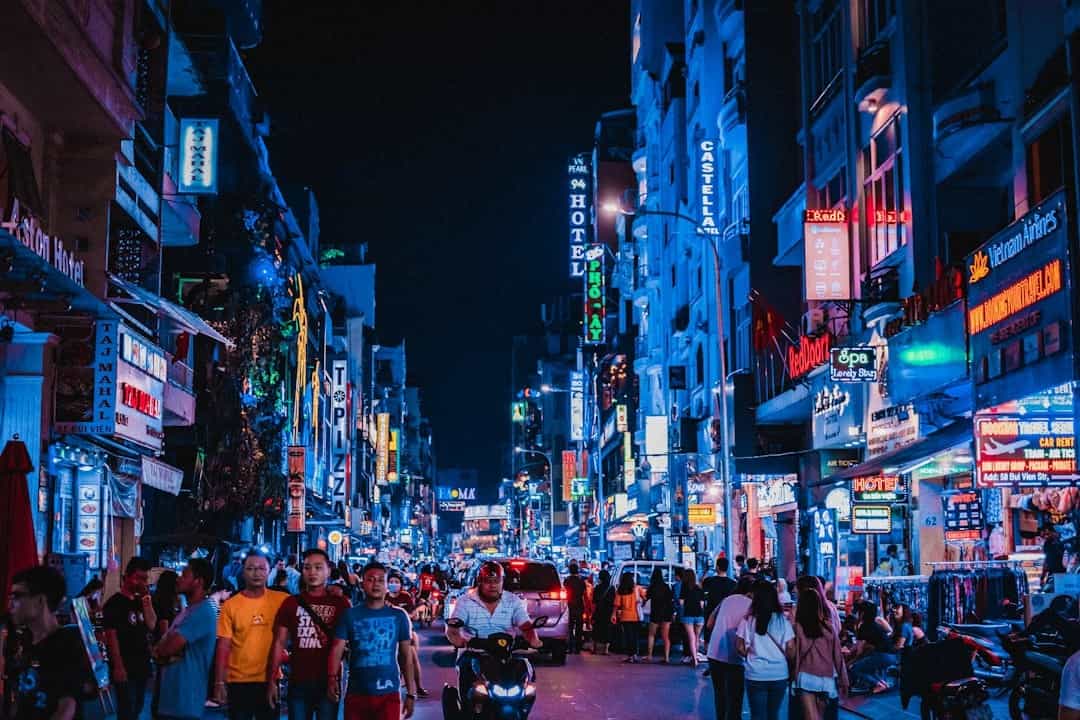
Ho Chi Minh City (Saigon) is Vietnam's largest city and the country's commercial and cultural hub. It played a central role in modern Vietnamese history as the capital of French Cochinchina and later of the Republic of Vietnam (South Vietnam) before 1975. The city blends French colonial architecture, war-era museums and memorials, dynamic markets, and a thriving contemporary arts and culinary scene. Positioned on the Saigon River and near the Mekong Delta, it is an important gateway for exploring southern Vietnam's natural and agricultural landscapes.
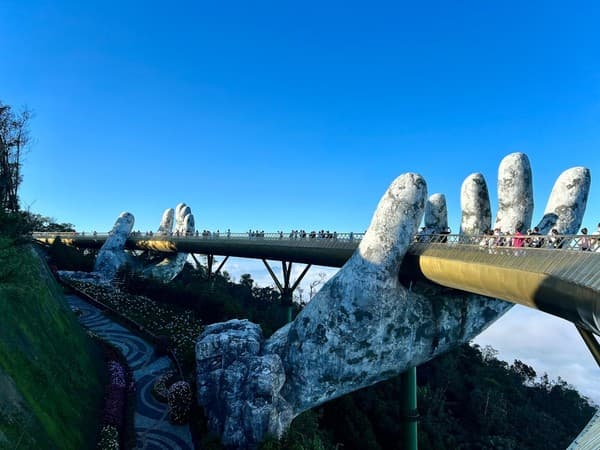
Da Nang
Da Nang is a major port city in central Vietnam serving as a cultural and transportation gateway between the historic cities of Hue and Hoi An. It is notable for its Cham heritage (evidenced in the Museum of Cham Sculpture and nearby Cham sites), French-colonial era influences, and modern urban development. Natural highlights include long sandy beaches (notably My Khe), the dramatic Marble Mountains, and the biodiverse Son Tra Peninsula ("Monkey Mountain"). The city blends coastal, riverine and mountainous landscapes, making it important for tourism, commerce, and regional culture.
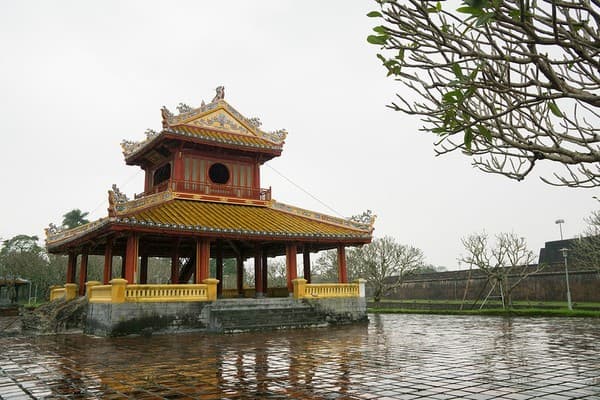
Hue
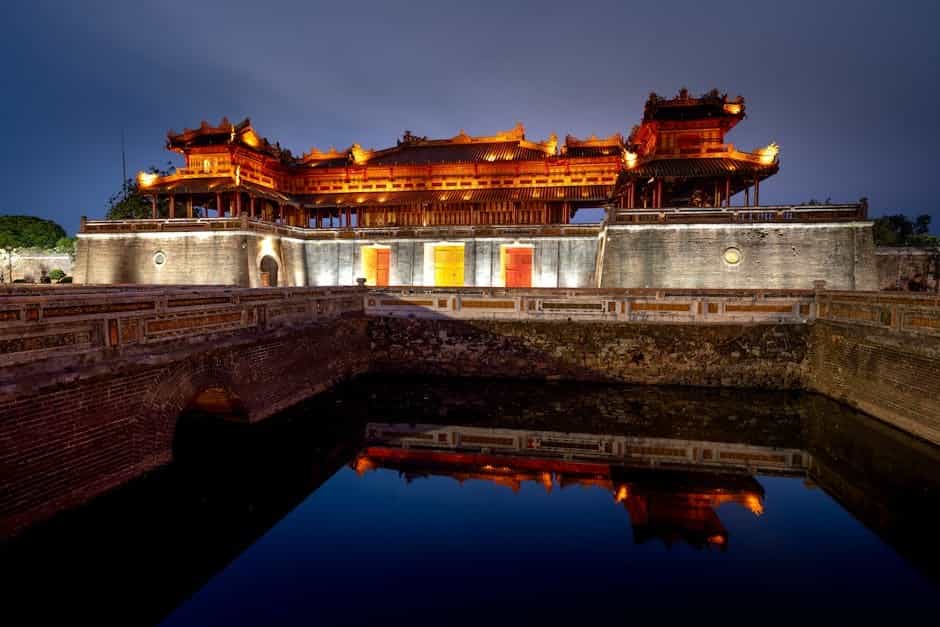
Hue was the last imperial capital of Vietnam under the Nguyen Dynasty (1802–1945). It is a UNESCO World Heritage Site famous for the Imperial City (Citadel), royal tombs, pagodas, and preserved court architecture. Hue also served as a major cultural and political center and retains strong traditions of royal ceremonies, court music (Nhã nhạc), and unique cuisine. The surrounding landscape — the Perfume River, nearby beaches, and mountains — adds natural significance and scenic value.
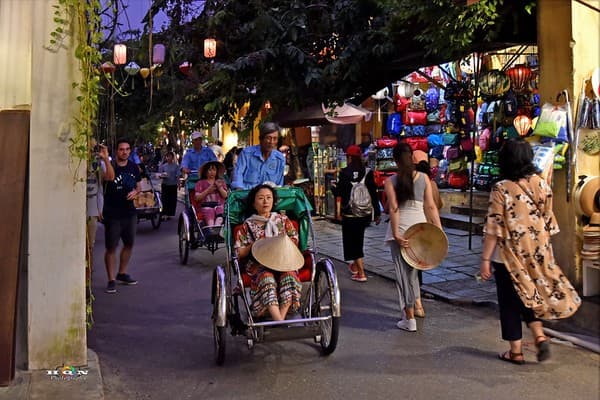
Hoi An Ancient Town
Hoi An Ancient Town (a UNESCO World Heritage Site since 1999) was a major Southeast Asian trading port from the 15th–19th centuries. It preserves an exceptionally complete and diverse ensemble of wooden merchant houses, assembly halls, temples and bridges that reflect a unique fusion of Vietnamese, Chinese, Japanese and European influences. The town's architecture, street layout and river-centered urban pattern offer important insights into maritime trade, cultural exchange and traditional craft economies.
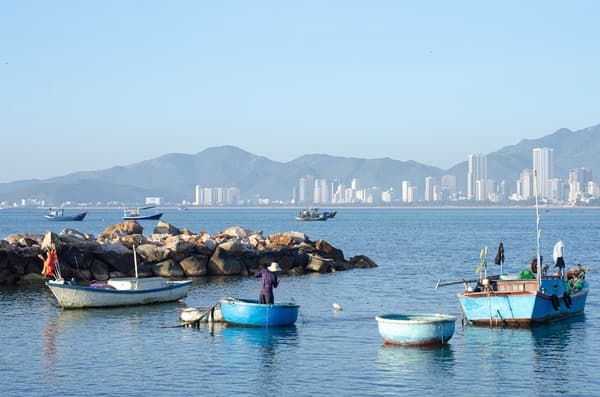
Nha Trang
Nha Trang is a coastal city in Khánh Hòa province known for its long sandy beaches, clear waters and rich marine biodiversity. It blends Cham-era heritage (notably the Po Nagar Cham Towers), French colonial architecture, and a strong fishing and seafaring culture. The surrounding islands and marine protected areas are important for coral reef conservation and scuba-diving tourism.
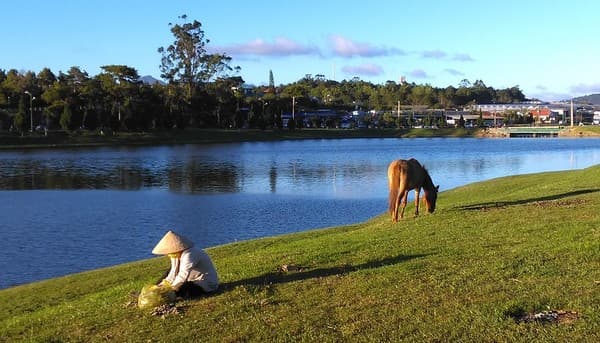
Da Lat
Da Lat (Lâm Đồng Province) is a highland city founded as a French colonial hill station in the early 20th century. It is valued for its temperate climate, pine forests, lakes, flowers and vegetable farms, and its role as Vietnam's center for floriculture and highland agriculture. The city's mix of French villas, art deco architecture and local ethnic minority cultures (K'Ho and others) creates a unique historical and cultural tapestry. Its natural setting on the Lang Biang plateau, with surrounding mountains, waterfalls and forests, makes it important for eco-tourism and outdoor recreation.
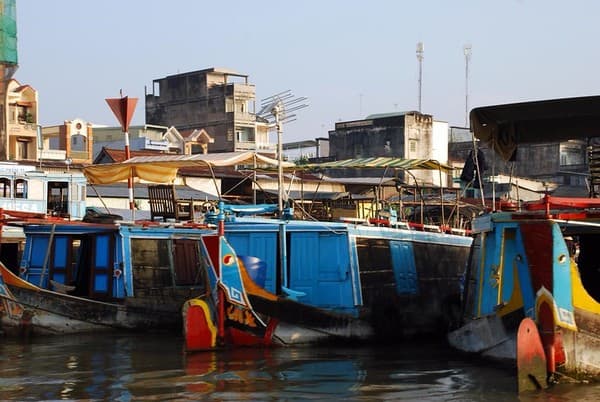
Can Tho
Cần Thơ is the largest city in the Mekong Delta and a major economic, cultural and educational center in southern Vietnam. It has long been a river-based hub where trade, rice production and riverine culture converge. The city and surrounding delta showcase the region's agricultural importance — especially rice, fruit orchards and aquaculture — and the unique waterborne lifestyle of the Mekong. Can Tho also preserves Southern Vietnamese history and culture through pagodas, colonial-era architecture, and local markets.
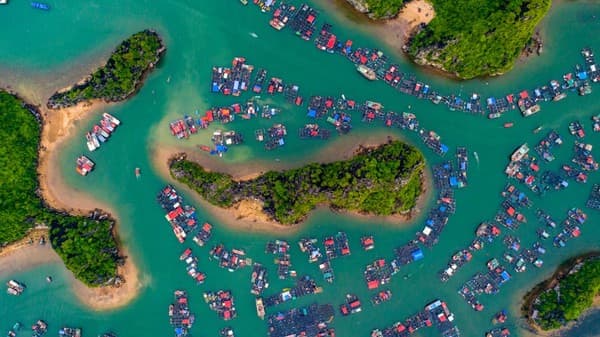
Hai Phong
Hai Phong is a major northern port city in Vietnam and an important industrial and maritime hub. It has a mix of French colonial architecture, working seaports, and vibrant local culture. The city is a gateway to natural attractions such as Cat Ba Island, Lan Ha Bay and the broader Ha Long Bay region, making it significant for both commerce and tourism.
Sapa
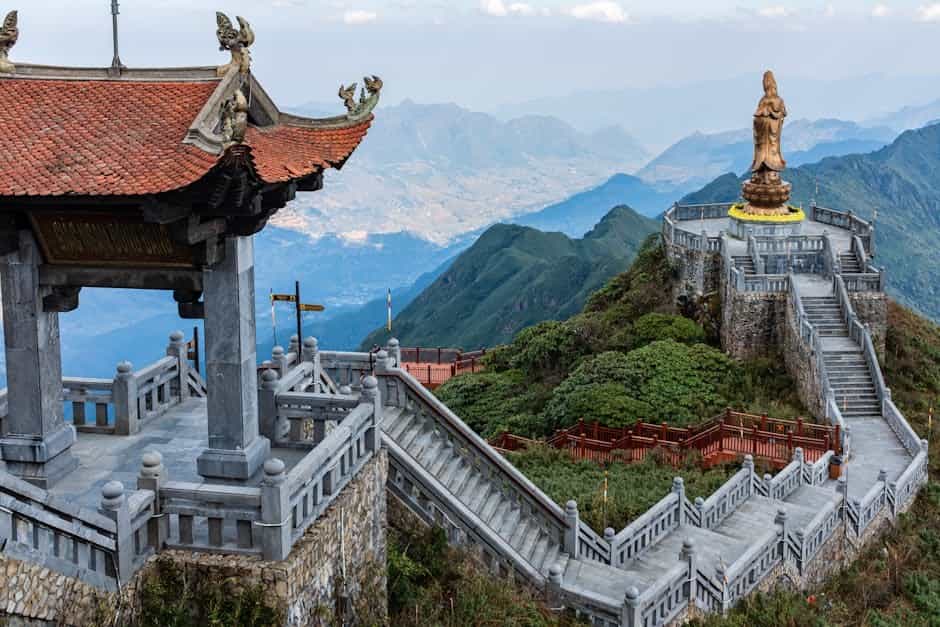
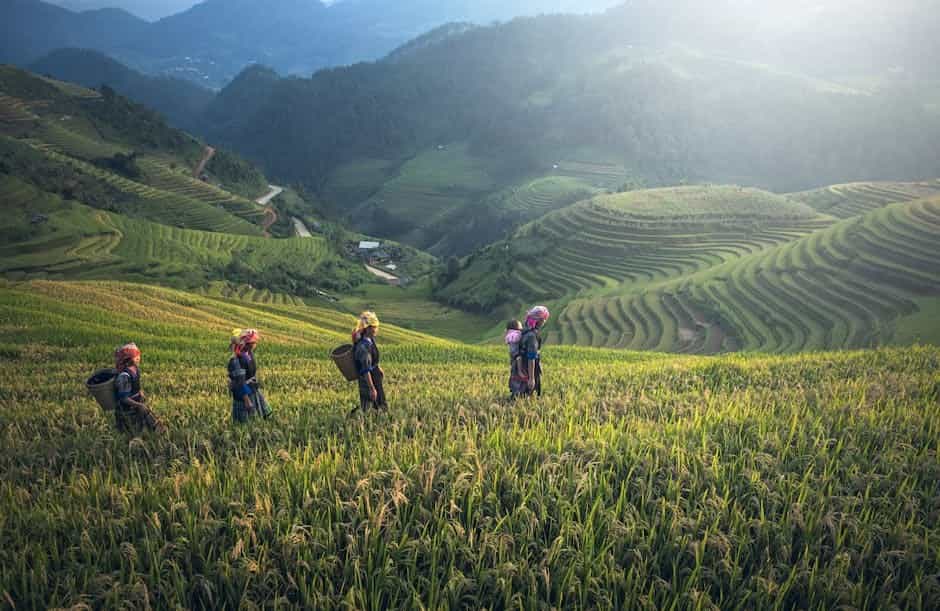
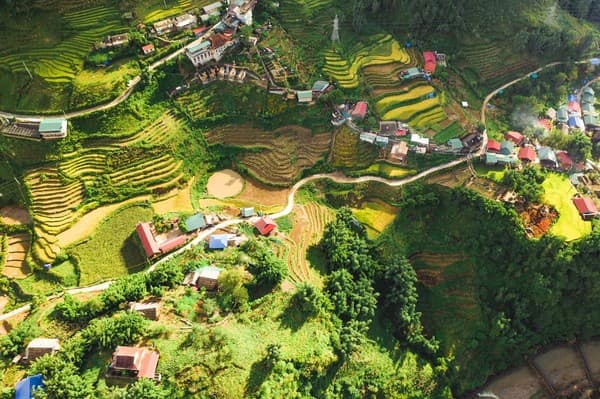
Sapa is a culturally rich highland town in northwestern Vietnam, famed for its terraced rice fields, ethnic minority communities (Hmong, Dao, Tay, Giay), and proximity to the Hoang Lien Son mountain range including Fansipan (the highest peak in Indochina). Established as a hill station during the French colonial era, Sapa combines striking natural scenery with living traditions, handicrafts, and agricultural practices unique to the region.
Ninh Binh
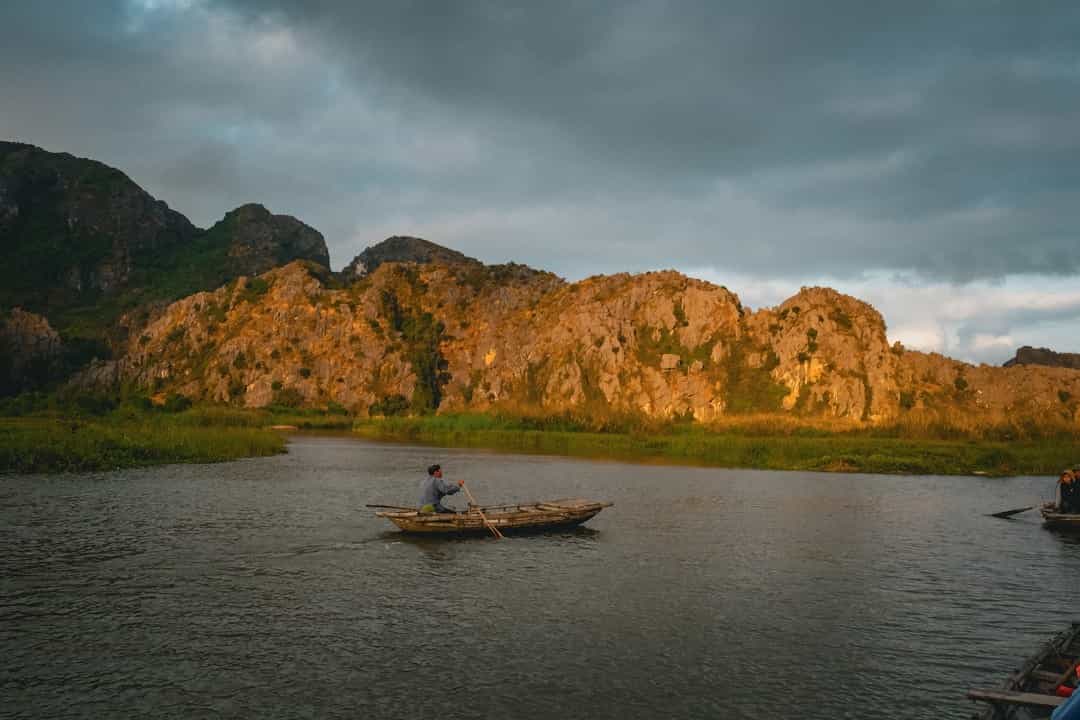
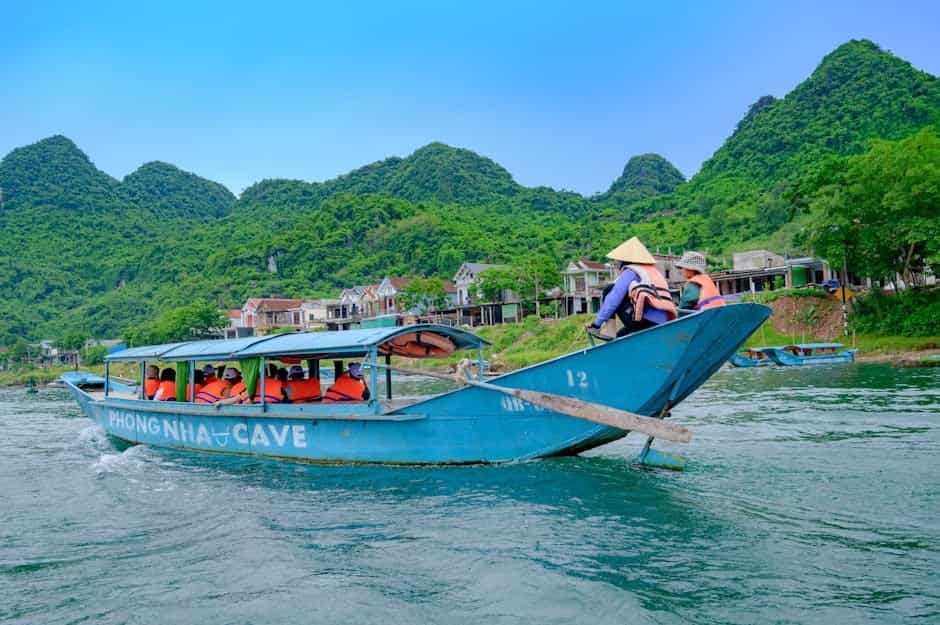
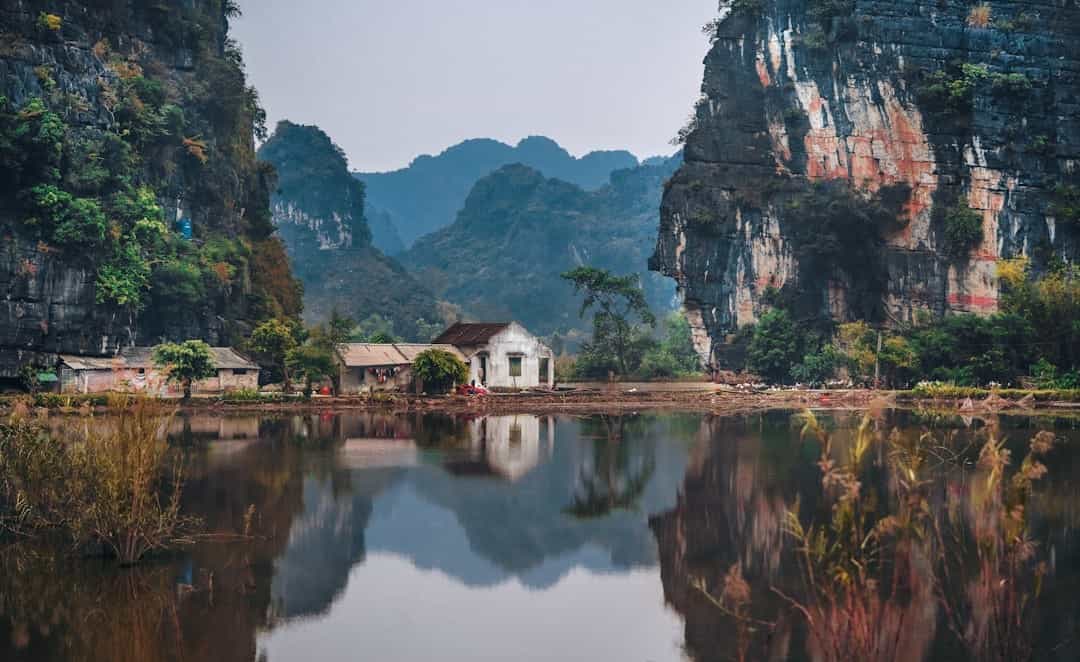
Ninh Binh province in northern Vietnam is renowned for its outstanding natural karst landscape, cultural heritage sites, and historical significance. It served as the ancient capital region during the Dinh and Le dynasties (10th–11th centuries), with Hoa Lu as the historical seat of power. The province's river-carved limestone peaks, rice paddies, caves, and wetland ecosystems form part of the Red River Delta's unique environment and have earned global recognition; attractions like Trang An are listed as a UNESCO World Heritage Site. Ninh Binh offers a blend of spiritual pilgrimage sites, remnants of early Vietnamese statehood, and biodiverse wetlands important for migratory birds and endemic species.
Quy Nhon
Quy Nhon (also spelled Quy Nhơn), the capital of Bình Định province on Vietnam's south-central coast, is important as a regional seaport with layers of Cham, Vietnamese and maritime history. The area preserves Cham-era towers and temples, which testify to the centuries-long cultural exchange between the Champa kingdom and mainland Vietnam. Quy Nhon is also prized for its natural coastal scenery — long sandy beaches, dramatic rocky headlands and clear offshore waters — and for its traditional fishing and seafaring culture that remains an active part of daily life.
Phan Thiet
Phan Thiet is the capital of Bình Thuận Province and an important coastal city in southern Vietnam, known for its mix of Cham heritage, colonial-era fishing culture, and unique coastal landscapes. Historically a Cham settlement, the area retains Cham influences seen at sites like the Po Sah Inu Towers. Naturally, Phan Thiet and its nearby Mui Ne area are famous for dramatic sand dunes, a long sandy coastline, and thriving marine and fishing communities important to local livelihoods and cuisine.
Buon Ma Thuot
Buon Ma Thuot is the capital of Đắk Lắk province in Vietnam's Central Highlands and is widely regarded as the country's coffee capital. The city and surrounding region are central to Vietnam's coffee industry—particularly robusta—and have shaped both local economy and culture. It is also a cultural hub for several indigenous ethnic groups (notably the Ê Đê and M'Nông), with rich traditions in communal longhouses, gong music, and distinctive agricultural practices. The area's natural importance includes proximity to highland landscapes, waterfalls, and protected areas like Yok Đôn National Park, which supports diverse flora and fauna.
Pleiku
Pleiku is the capital of Gia Lai province in Vietnam's Central Highlands (Tây Nguyên). It is an important regional center for the ethnic minority cultures of the Central Highlands (notably the Jarai and Êđê peoples), as well as a historical site of French colonial presence and major events during the Vietnam War era. The area is known for highland coffee production, pine forests, and elevated plateau scenery, making it an agricultural and natural hub in the region.
Vung Tau
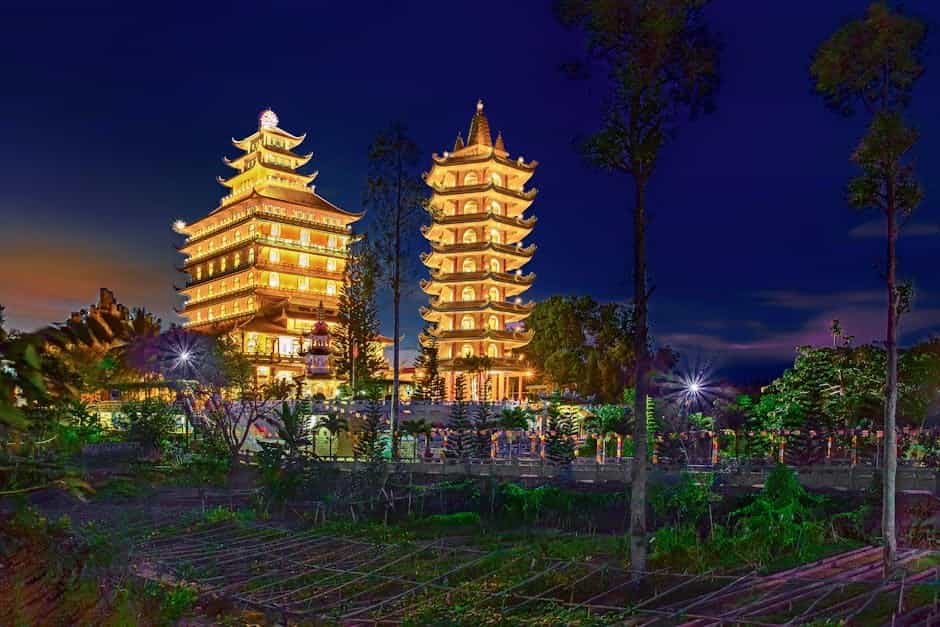
Vung Tau is a coastal city in Ba Ria–Vung Tau province, historically important as a port and seaside retreat for Vietnamese and colonial French elites. Today it is a major regional tourism and oil-and-gas service center. Its beaches, headlands, and offshore views combine natural coastal beauty with cultural landmarks such as colonial villas, pagodas, and the prominent Christ the King (Jesus) statue on Small Mountain.
Chau Doc
Chau Doc is a culturally diverse riverside town in An Giang Province, Mekong Delta. It has historical importance as a frontier trading post near the Vietnamese-Cambodian border and as a meeting point of multiple ethnic groups, mainly Kinh (Vietnamese), Khmer, Cham (Muslim), and Hoa (ethnic Chinese). The town's natural importance stems from its location on the Hau River (a distributary of the Mekong) and nearby wetlands, floating villages, and Tra Su Cajuput Forest—a biodiverse seasonal flooded forest attracting birdlife and aquatic species.
Rach Gia
Rạch Giá is the capital of Kiên Giang Province in Vietnam's Mekong Delta. It functions as an important regional hub for maritime transport and commerce, connecting the mainland with nearby island groups (notably Phú Quốc and the Nam Du archipelago). The city's coastal location and delta environment give it ecological significance—mangrove fringes, tidal flats and productive fishing waters contribute to local livelihoods and biodiversity. Culturally, Rạch Giá reflects the Mekong's multicultural mix, with Vietnamese (Kinh), Khmer and Hoa (ethnic Chinese) communities shaping local architecture, religious sites and cuisine.
Ha Long Bay
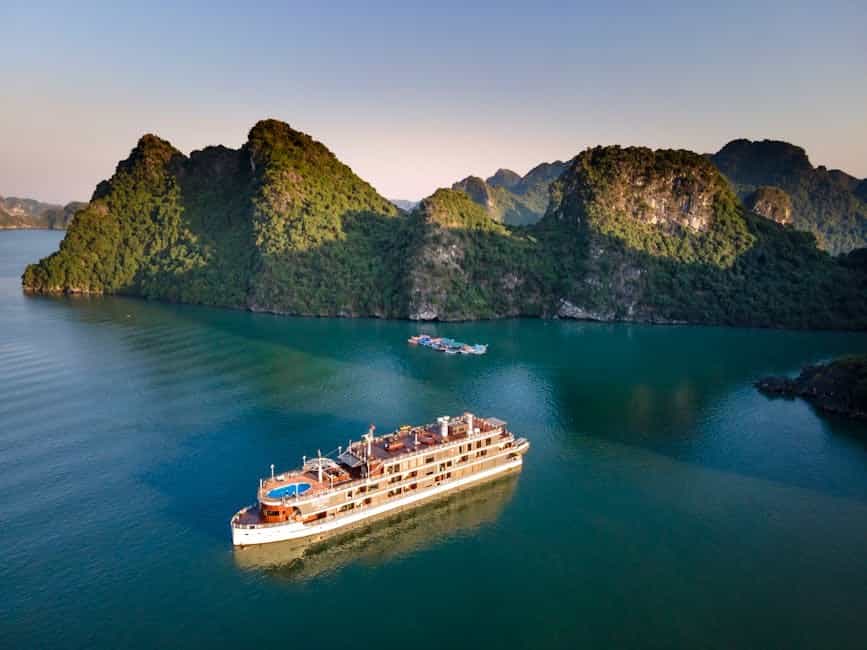
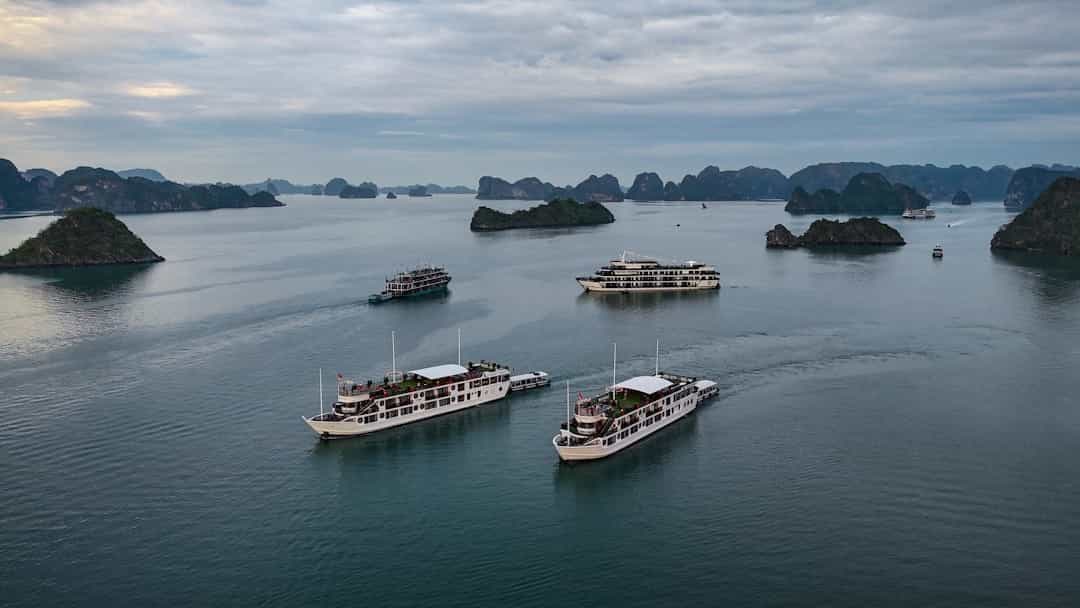
Ha Long Bay is a UNESCO World Heritage Site renowned for its outstanding natural karst landscape formed by thousands of limestone islands and islets rising from emerald waters. It is important geologically for its karst topography and ecologically for marine and coastal biodiversity, including coral reefs and endemic species. The area also holds cultural significance for local fishing communities and the long history of human settlement in floating villages and coastal towns.
Lan Ha Bay
Lan Ha Bay is a remarkable natural area adjacent to Ha Long Bay on Vietnam's northeastern coast. It is renowned for its dense clusters of limestone karsts, secluded sandy coves, and relatively undeveloped marine environments. The bay sits next to Cat Ba Island and forms part of a broader UNESCO-recognized karst seascape, contributing to local biodiversity, fisheries, and eco-tourism. Its natural importance includes important coastal and marine habitats, nesting sites for birds, and coral communities that support local livelihoods.