Permits Required to Visit Restricted Areas in Kashmir: A Complete Guide
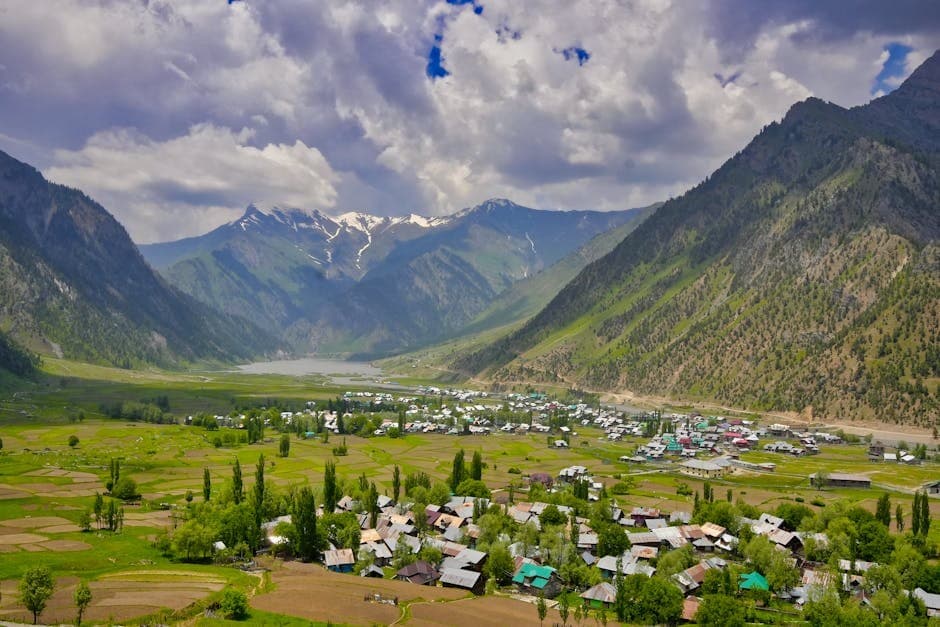
Kashmir's snow-dusted peaks, saffron-tinted lakes, and chinar-lined valleys are legendary—but some of the region's most extraordinary corners sit behind a permit checkpoint. Whether you're dreaming of the remote Gurez Valley near the Line of Control, a wildlife encounter in Dachigam National Park, or the sacred Amarnath Cave pilgrimage (seasonal Jul–Aug), knowing which documents you need before you pack your bags can mean the difference between a seamless adventure and a frustrating turn-back at a security post.
This guide breaks down every permit you may need for Kashmir's restricted and regulated areas in 2026, with practical tips for both Indian and foreign travelers.
Do You Need a Permit for Mainstream Kashmir?
Let's start with the good news. No special permits are required for major tourist areas in Kashmir—just carry valid ID proof. Indian nationals do not need special permits to visit Kashmir, and foreign nationals are allowed in most tourist areas. Srinagar, Gulmarg, Pahalgam, and Sonamarg are all open without additional paperwork for domestic visitors.
For foreign nationals, the situation is slightly different. International tourists need to register with the Foreigners Regional Registration Office (FRRO) and may need a special permit if visiting areas near the Line of Control (LoC). Some areas may require local police verification for foreign tourists.
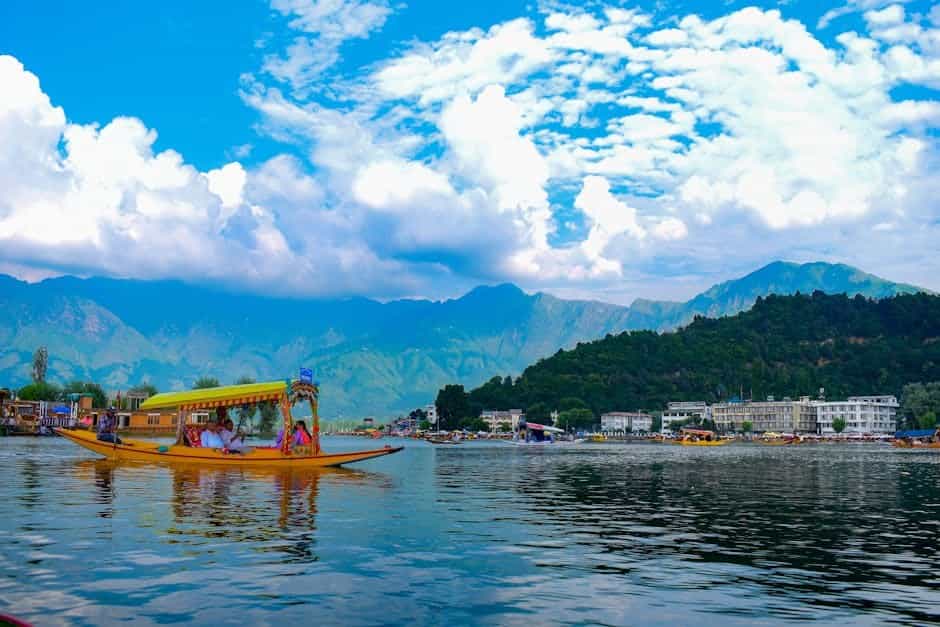
Bottom line: For Srinagar's Dal Lake, the Mughal gardens, and popular resort towns, just carry your Aadhaar card (Indians) or passport with valid visa (foreigners), and you're set.
Gurez Valley: Kashmir's Most Coveted Border Permit
Gurez Valley, roughly 123 km north of Srinagar near the LoC, is one of Kashmir's most breathtaking off-beat destinations—and the one travelers ask about most when it comes to permits.
Indian Nationals
Indian nationals do not require any permit to visit Gurez Valley. Accessibility has improved dramatically in recent times. However, you will pass through multiple army and police checkpoints. The Indian Army will stop you at various points to check your papers—Aadhaar is the biggest saver. Always carry original government-issued photo ID.
Foreign Nationals
Once a restricted zone near the LoC, Gurez Valley officially opened its doors to foreign tourists in 2025. Foreign tourists can now visit without needing army permits—permissions are issued by the Deputy Commissioner of Bandipora, simplifying the process.
That said, access is not guaranteed. These permits are not guaranteed and may get denied, so it is crucial to have a few buffer days if you plan to visit Gurez as a foreign national. Visitors with Overseas Citizen of India (OCI) cards are allowed with relatively fewer restrictions provided they inform the DC office.
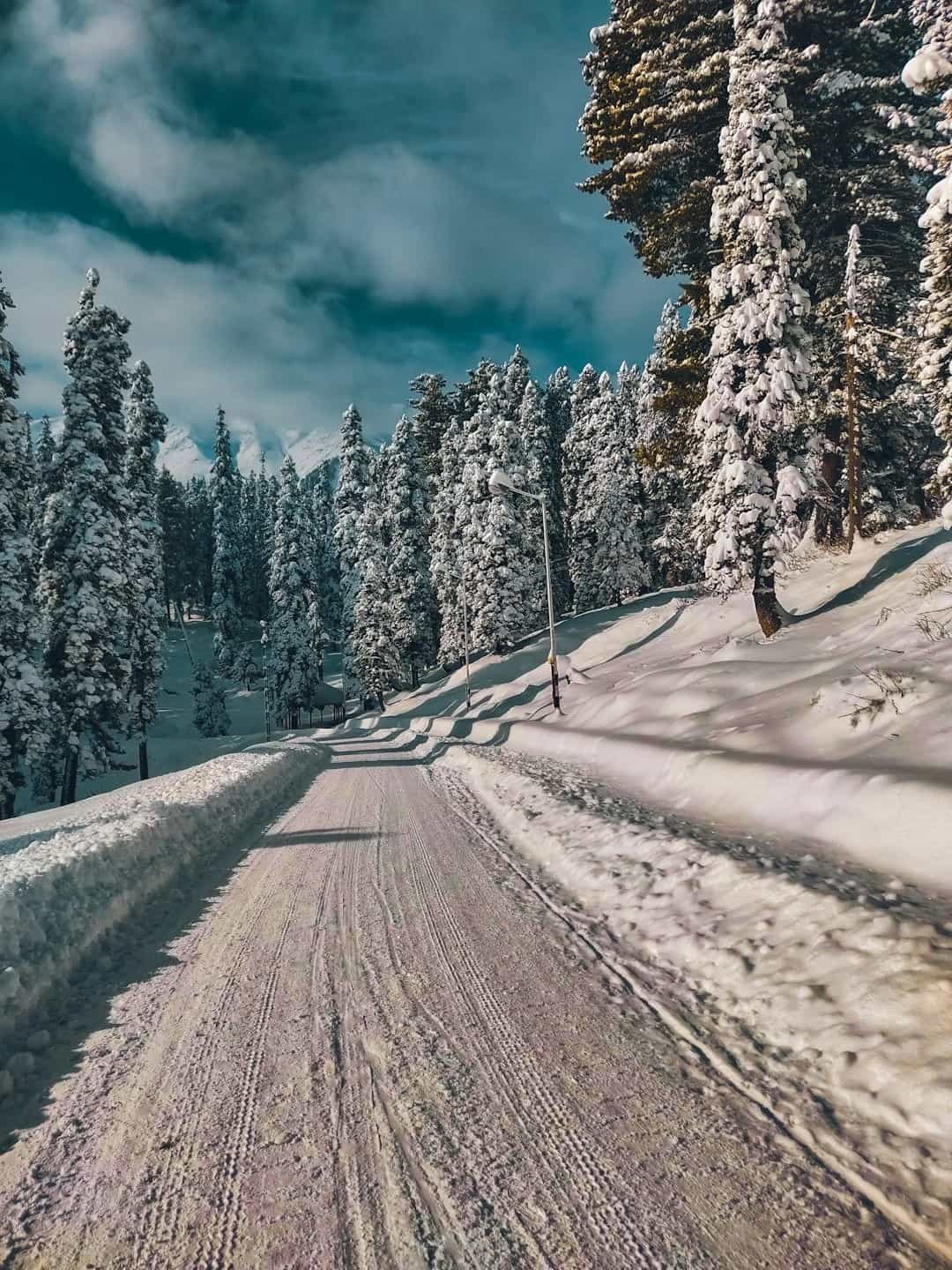
Pro tip: The valley is typically accessible from May to September. Gurez remains closed during winter months due to heavy snowfall. Apply for your permit a few days before your planned visit and keep your itinerary flexible.
Tulail Valley (Beyond Gurez)
Tulail Valley lies beyond Gurez, parallel to the LoC, and is a highly restricted area requiring special permissions due to its close proximity to the border. Going beyond Gurez requires a pass from the local police station, and then the army stops you at the main entry gate and seeks permission from their higher-ups. Plan for extra waiting time if you attempt this route.
Dachigam National Park: Wildlife Permits
Dachigam National Park, just 22 km from Srinagar, is the last refuge of the critically endangered Hangul (Kashmir stag). Entry here is strictly regulated.
Entry permits are required and issued by the Department of Wildlife Protection, J&K, or the Dachigam Wildlife Office near Harwan. Guides are mandatory for most treks and safaris.
You need to obtain prior permission from the J&K Wildlife Protection Department, and you can apply for the permit via an online website. Here's what to know:
- Entry fee for Indians is ₹100 per person; entry is free for children under 10.
- For foreigners, the entry fee is ₹500 per person.
- Only one booking is allowed per day, with a maximum group size of 15 persons.
- Indian and foreigner bookings cannot be combined—if your group has both, make two separate bookings.
Best time to visit: April to October, when the weather is pleasant and wildlife is most active. Upper Dachigam closes during heavy snowfall.
Amarnath Yatra: Pilgrimage Permits
The annual Amarnath Yatra to the sacred ice lingam cave is one of India's most revered pilgrimages—and one of its most regulated. No devotees will be allowed to travel and visit the Amarnath Cave without a valid yatra permit.
Registration Process
For 2026, the yatra is scheduled from 3rd July to 12th August, with advance registration opening from 15th April.
Registration can be done online through the official Shri Amarnathji Shrine Board (SASB) website. Registration is mandatory for all pilgrims.
Key Requirements
- Compulsory Health Certificate (CHC): CHC issued on or after 8th April 2026 with the applicant's photograph duly attested by an authorized doctor is required.
- Age restrictions: The age limit for the yatra is 13–70 years.
- RFID Card: Every registered yatri must collect an RFID card from designated locations in Jammu or Kashmir before embarking. Carry your Aadhaar details for collecting RFID cards, and wear the tag on your neck at all times during the yatra.
- Registration fee: The online registration fee for 2026 is ₹220.
Routes: The cave can be reached via Pahalgam (longer, more gradual) or Baltal (shorter, steeper). Both require the same permit.
Trout Fishing Permits
Kashmir's crystal-clear streams are legendary among anglers, but you can't just cast a line. A fishing license is mandatory for all anglers. Permits can be applied for online at the Directorate of Fisheries website, with fees charged per day per rod at different rates for local and foreign anglers.
Key rules:
- Licenses are usually valid for one day and cover a specific fishing beat of about 2 km.
- Only artificial flies may be used for trout fishing; natural baits are strictly prohibited.
- Each angler is allowed a daily bag limit of six fish.
- Season: April to October, with the Directorate adjusting dates based on conditions.
Popular beats include the Lidder River (Pahalgam), Sind River (Sonamarg), and alpine lakes like Vishansar Lake and Gangbal Lake.
Trekking Permits in Kashmir
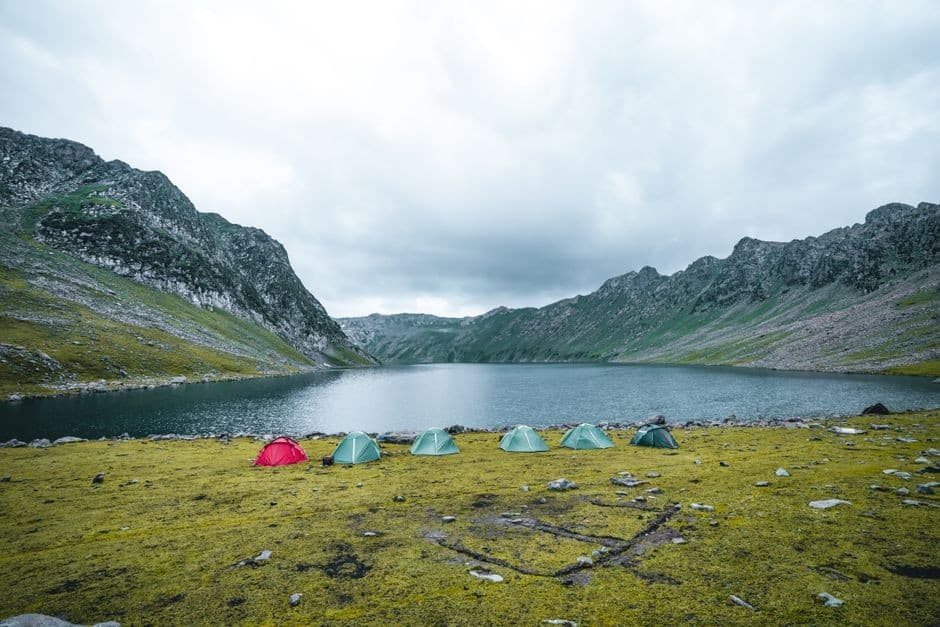
Kashmir's marquee treks—the Kashmir Great Lakes Trek (7–8 days), Tarsar–Marsar Lakes Trek (4–6 days), and Gangbal—don't require the same kind of border permits as Gurez. However, they do involve forest and local registrations.
Popular treks like KGL and Tarsar–Marsar rely on local registrations with the tourism and forest department. Permits are route/date-specific. Expect checks at forest gates, police/ITBP posts, and district barriers. Avoid detours to restricted roads, and don't photograph security installations. Non-compliance may lead to turn-backs, fines, or legal action.
Drone Restrictions
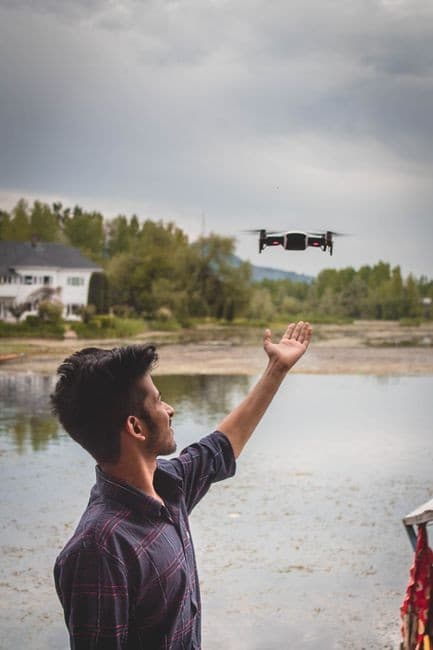
Planning to fly a drone on your trek? Think again. Drones are treated as aircraft under India's drone framework. Recreational or commercial drone flights are not permitted inside Protected Areas unless you hold explicit written permission from the Chief Wildlife Warden. No drones are allowed within the 25 km belt along India's international borders, including the LoC.
Protected Area Permits for Foreign Nationals
If you're a foreign traveler venturing beyond mainstream tourist circuits, understanding India's Protected Area Permit (PAP) framework is essential.
Certain states or parts of states require foreign travelers to obtain Restricted Area Permits from the Government of India Bureau of Immigration, including portions of J&K near the Line of Control with Pakistan.
Restricted Area Permits can be obtained from Indian embassies and consulates abroad, or within India from the Ministry of Home Affairs (Foreigners Division) in New Delhi.
Key points for foreigners:
- Register with the FRRO upon arrival
- Carry your passport and valid Indian visa at all times
- Avoid border-sensitive zones unless permitted.
- Work with a registered local travel agent for border-area visits—they can navigate the permit process far more efficiently
Quick-Reference Permit Checklist
| Area / Activity | Indian Nationals | Foreign Nationals |
|---|---|---|
| Srinagar, Gulmarg, Pahalgam, Sonamarg | No permit; carry ID | No permit; carry passport |
| Gurez Valley | No permit; carry Aadhaar/ID | DC Bandipora permission required |
| Tulail Valley (beyond Gurez) | Police + Army clearance | Generally restricted |
| Dachigam National Park | Wildlife Dept. permit (online) | Wildlife Dept. permit (online) |
| Amarnath Yatra | SASB Yatra Permit + CHC + RFID | SASB Yatra Permit + CHC + RFID |
| Trout Fishing | Fisheries Dept. license (online) | Fisheries Dept. license (online) |
| Multi-day Treks | Forest/tourism registration | Forest/tourism registration |
| LoC Border Areas | Generally open with ID | PAP/RAP from MHA required |
Practical Tips for a Smooth Permit Experience
- Apply early, carry originals. Photocopies and digital copies are useful backups, but security checkpoints in Kashmir typically want to see original documents.
- Keep buffer days. Permit processing—especially for border areas—can be unpredictable. Build flexibility into your itinerary.
- Use a local travel agent. For Gurez, Dachigam, and fishing permits, a reputable Kashmir-based agency can cut through red tape and handle logistics.
- Download offline maps. Connectivity drops sharply in remote valleys. Have your permit details, maps, and emergency contacts saved offline.
- Stay updated. Rules change with security conditions. Check official J&K government portals and tourism advisories close to your travel dates.
- Respect checkpoints. Security personnel are doing essential work. Be patient, cooperative, and keep documents accessible.
Final Thoughts
Kashmir's restricted areas exist for good reason—they protect sensitive borders, fragile ecosystems, and sacred pilgrimage routes. The permit process might add a step to your planning, but it also ensures these extraordinary places remain safe and unspoiled for future travelers.
Whether you're chasing the elusive Hangul in Dachigam National Park safari (Hangul, Himalayan fauna), casting a fly on the Lidder River, or standing awestruck in the remote splendor of Gurez Valley village stay and Kishanganga views, a little paperwork is a small price for experiences that most travelers only dream about. Plan ahead, pack your patience alongside your ID, and let Kashmir's hidden corners reward you with memories that last a lifetime.
Leave a Comment
Explore Kashmir
Ready to plan your trip? Check out our complete travel guide and packages.