What Is the Weather Like in Bhutan? A Year-Round Climate Guide
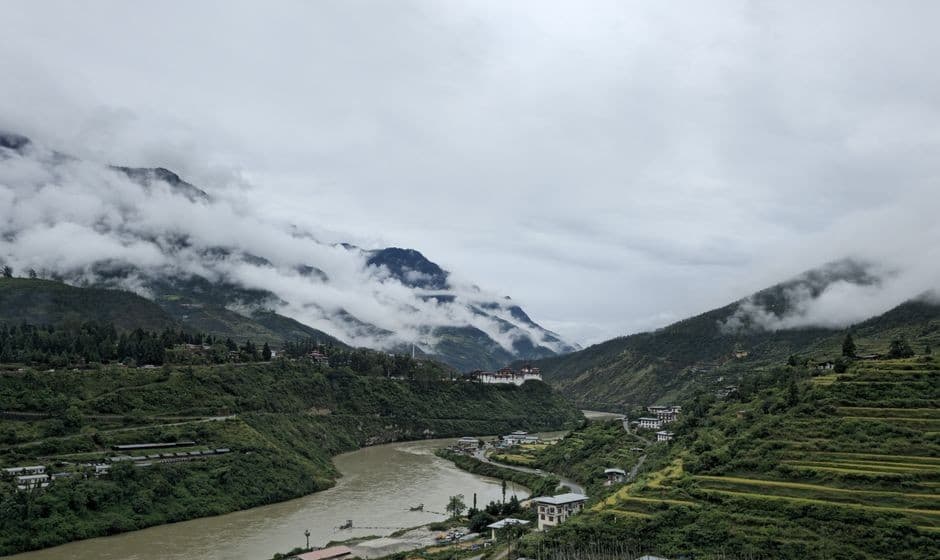
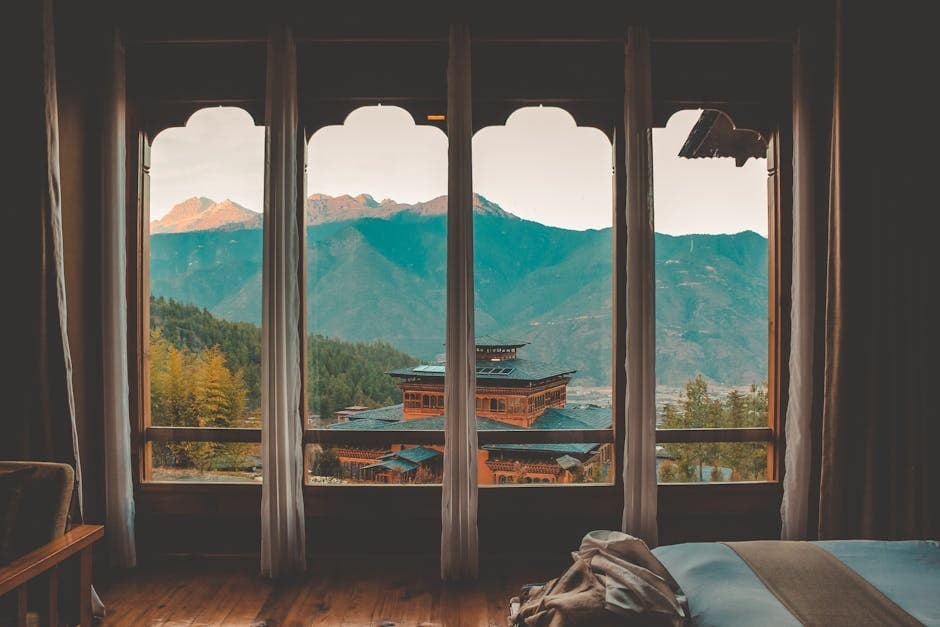
Have you ever dreamed of visiting a country where you can experience subtropical heat, temperate valleys, and arctic mountain peaks — all within a distance of just 170 kilometers? Welcome to Bhutan, the Land of the Thunder Dragon, where the weather is as dramatic and diverse as the landscape itself.
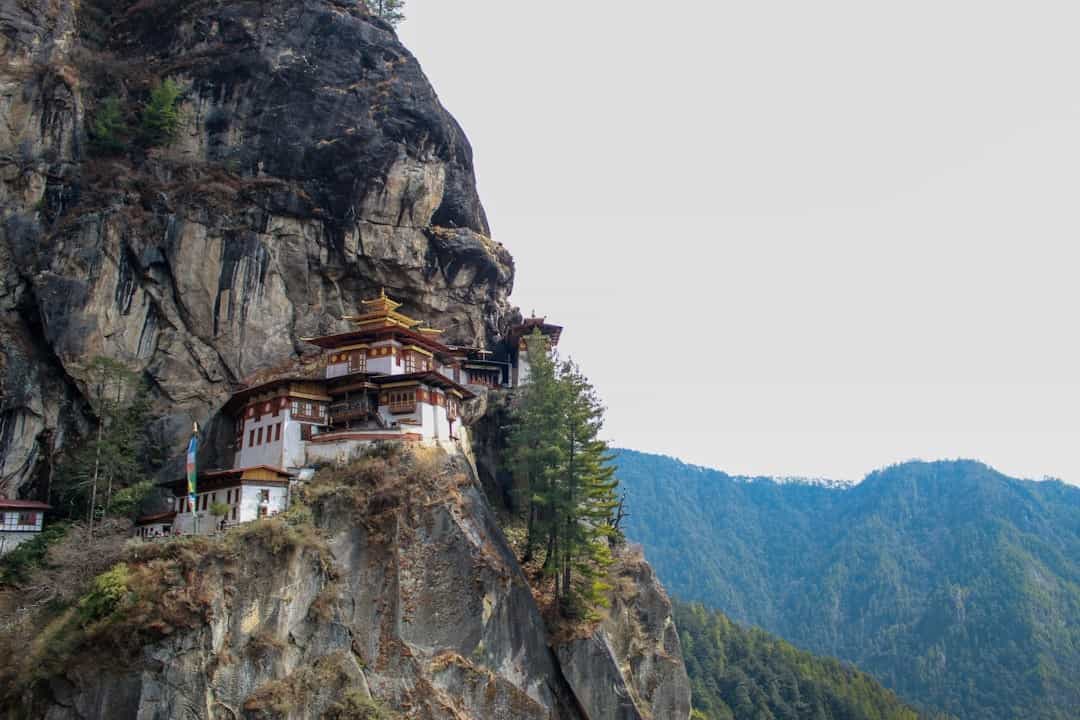
Whether you're planning to hike to the iconic Tiger's Nest Monastery, witness vibrant mask dances at a traditional tshechu festival, or simply lose yourself in one of the world's last unspoiled Himalayan kingdoms, understanding Bhutan's weather is the key to an unforgettable trip. Let's break it down season by season, region by region.
Bhutan's Three Climate Zones: Why Location Matters
Before diving into the seasons, it's important to understand that Bhutan doesn't have just one climate — it has several, stacked on top of each other like layers of a cake.
- Southern Lowlands (200–1,500m): The subtropical zone around towns like Phuentsholing and Gelephu experiences hot, humid summers with temperatures frequently exceeding 30°C and mild winters where temperatures rarely drop below 12°C. Annual rainfall here is extremely high, ranging from 2,500 to 5,000 millimeters.
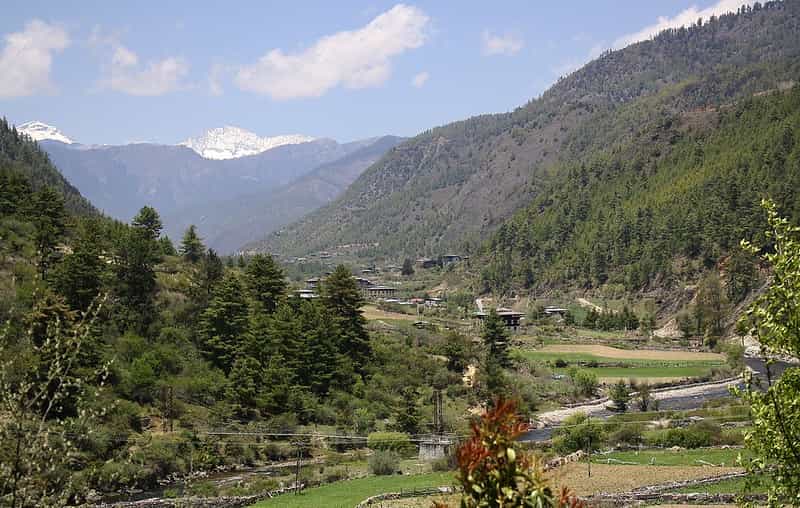
- Central Valleys (1,500–3,500m): This is where most travelers spend their time — in Thimphu, Paro, Punakha, and Bumthang. The central Inner Himalayan region has a temperate climate with hot summers, cool winters, and moderate rainfall. Temperatures in Thimphu generally range from about 15°C to 26°C during monsoon season, falling to between -2°C and 16°C in January.
- Northern Highlands (above 3,500m): The high mountains of the Greater Himalayas have more severe weather. At the highest elevations, they are snow-covered year-round with an arctic climate, and the northern Himalayas are relatively dry, with most precipitation falling as snow.
This dramatic variation means that two travelers in Bhutan on the same day could experience completely different weather depending on their altitude and region.
Spring in Bhutan (March – May): Blooms and Blue Skies
Spring is widely considered one of the best times to visit Bhutan. From March to May, the weather is pleasant, the landscapes are in full bloom, and major festivals take place across the country.
What to Expect
- Temperatures: In the popular valley areas, days are mild and evenings cool, with a broad range of around 10°C to 20°C, though mornings at higher elevations are colder.
- Rainfall: Bhutan's generally dry spring begins in early March and lasts until mid-April, with gentle showers averaging around 20mm.
- Scenery: As the snow melts, the valleys erupt in color. Rhododendrons, magnolias, and wildflowers carpet the hillsides — a paradise for photographers and nature lovers.
Insider Tips for Spring
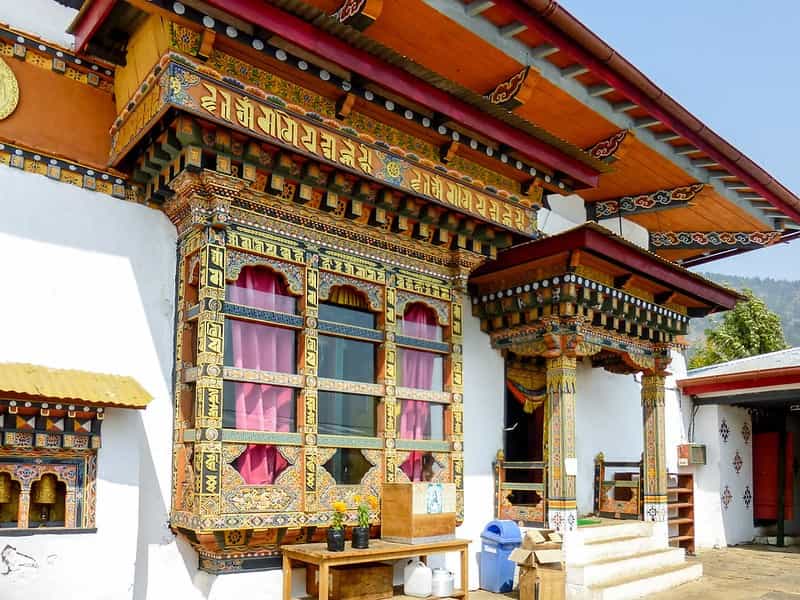
- Festivals: The Paro Tshechu, one of Bhutan's largest religious festivals, typically falls in late March to early April. In 2026, it runs March 29 – April 2, featuring sacred mask dances and traditional music.
- Trekking: The Jomolhari Trek and Druk Path Trek are ideal from mid-April to end-May, offering stunning views and well-maintained trails.
- Spring is a peak season, so book accommodations early — especially during festival weeks.
Summer in Bhutan (June – August): The Monsoon Season
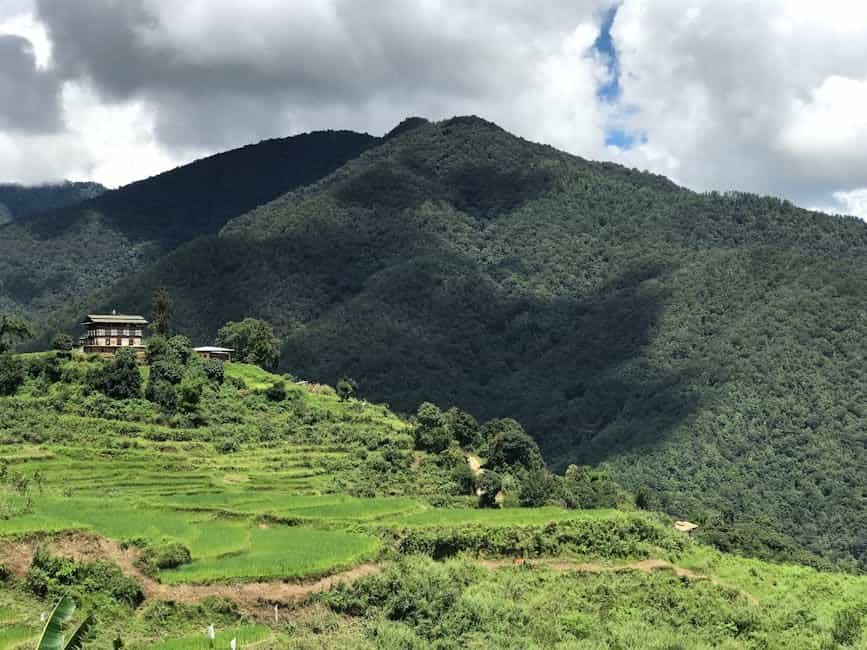
Summer brings the Indian monsoon to Bhutan, transforming the landscape into a lush green paradise — but it comes with a price.
What to Expect
- Temperatures: Thimphu sees averages around 20°C, with highs of 24–25°C and lows around 15°C. The southern lowlands can spike to 40°C.
- Rainfall: July is the wettest month of the year. The Bhutanese capital region sees around 373mm of rainfall in July alone. Western Bhutan is particularly affected, receiving between 60 and 90 percent of its annual rainfall during the monsoon.
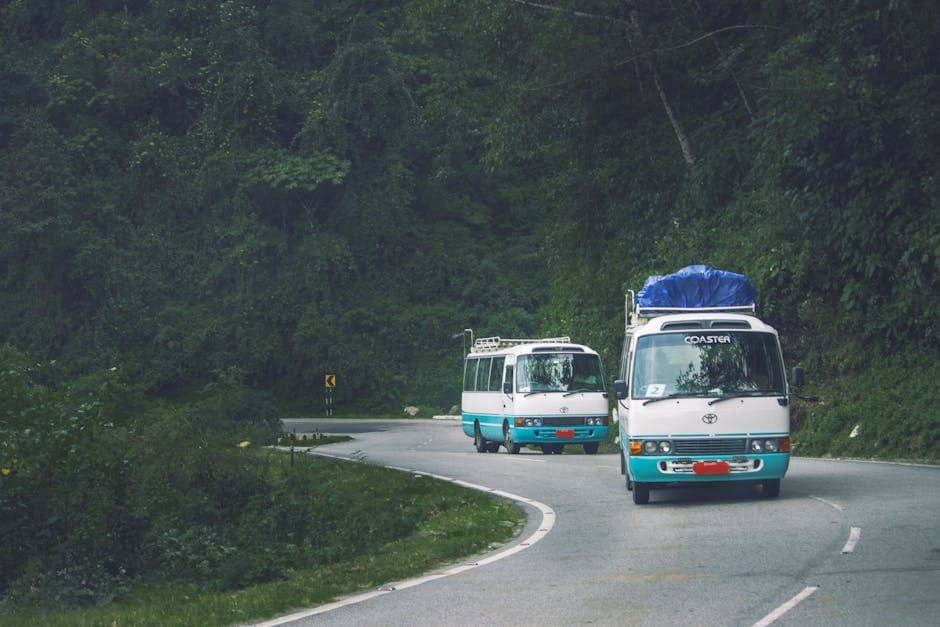
- Conditions: Showers normally occur in the late afternoons and evenings, so morning sightseeing is still possible. However, clouds can hide the mountain peaks, and roads — particularly in eastern Bhutan — can become muddy and difficult.
Insider Tips for Summer
- If you must travel during monsoon, limit your itinerary to Paro and Thimphu valleys only, budget extra days for flight delays, and accept that Himalayan peak views will likely be obscured.
- The upside? Fewer crowds and lower prices make summer appealing for budget-conscious travelers.
- Do not attempt central or eastern Bhutan road trips during heavy monsoon months.
Autumn in Bhutan (September – November): The Golden Season
Autumn is arguably the best time to visit Bhutan, and for good reason.
What to Expect
- Temperatures: Comfortable days and cooler nights, with many valleys in the 10°C to low-20s°C range. October delivers the clearest Himalayan views of the year.
- Rainfall: From September to November, rainfall is minimal, humidity is low, and visibility across the Himalayas is at its best.
- Scenery: Autumn presents the most stunning scenery, with fresh air and unmatched views of the majestic Himalayas, plus golden harvest landscapes adding extra charm.
Insider Tips for Autumn
- October is the single best month for first-time visitors — clear skies, comfortable temperatures of 15–22°C, and autumn colors across the western valleys.
- The Thimphu Tshechu (late September 2026) is a must-see cultural event drawing tens of thousands of attendees.
- The Snowman Trek — one of the world's most challenging treks — is only possible during the September-October window.
- For fewer crowds, consider early November, which still has excellent weather but lighter visitor volume and better hotel availability.
Winter in Bhutan (December – February): Crisp, Clear, and Quiet
Winter in Bhutan is cold but highly rewarding for travelers who enjoy crisp air, clear skies, and quieter itineraries.
What to Expect
- Temperatures: In Paro, January is the coldest month, with average temperatures around 5°C — nightly lows can drop to -2°C, but daytimes reach a pleasant 11°C. Anywhere above 3,000 meters will likely be affected by heavy snow.
- Rainfall: Winter is the driest season. Paro sees as little as 5mm of rain in December, and skies are clear for almost the entire month.
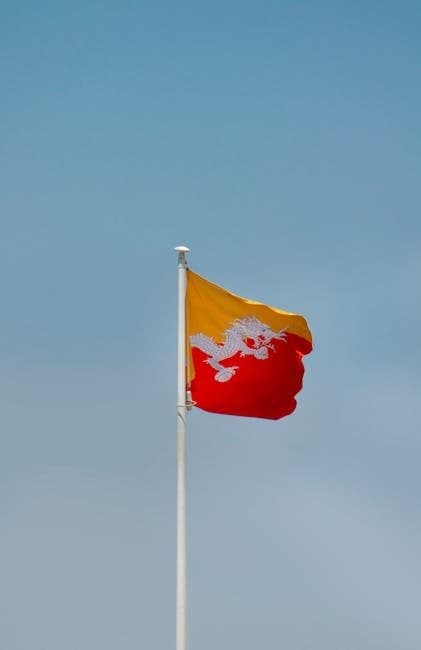
- Conditions: Gale-force winds rocket through the highest mountain passes — it is from these intimidating gusts that Bhutan derives its nickname, the Land of the Thunder Dragon. More remote villages, temples, and monasteries may be cut off, and high passes like Chele La (3,988m) see regular winter closures.
Insider Tips for Winter
- The Punakha Valley is a winter gem — lower in altitude and significantly warmer than Thimphu or Paro.
- Winter is the best time to spot the rare black-necked cranes in the Phobjikha Valley, where they migrate from Tibet.
- Enjoy fewer tourists, lower costs, and an authentic glimpse of daily Bhutanese life.
- Pack seriously warm layers, especially for evenings — heated rooms are not guaranteed outside luxury hotels.
What to Pack for Bhutan: A Quick Season-by-Season Guide
| Season | Essentials |
|---|---|
| Spring | Layers, light rain jacket, sun protection, comfortable hiking shoes |
| Summer | Waterproof gear, umbrella, quick-dry clothing, insect repellent |
| Autumn | Layers, windproof jacket, camera gear for clear Himalayan views |
| Winter | Thermals, heavy fleece, down jacket, warm hat, scarf, gloves |
Pro tip: Regardless of the season, always pack sunscreen and sunglasses. Bhutan enjoys plenty of sunshine year-round, often surpassing 2,500 hours, and UV intensity is high at altitude.
Final Takeaways: When Should You Visit Bhutan?
Here's the bottom line:
- Best overall weather: October and November offer clear skies, comfortable temperatures, and spectacular Himalayan views.
- Best for flowers and festivals: March to April brings rhododendron blooms and the beloved Paro Tshechu.
- Best for budget travelers: June to August (monsoon) and December to February (winter) offer lower prices and fewer crowds.
- Best for trekking: Mid-April to May and September to October provide the ideal combination of trail conditions and visibility.
The truth is, Bhutan is a year-round destination. Every season has its own charm, and even during the monsoon, the kingdom's lush green hillsides and quieter atmosphere create a unique travel experience. The key is matching the season to your travel style.
So, when will you answer the call of the Thunder Dragon?
Leave a Comment
Explore Bhutan
Ready to plan your trip? Check out our complete travel guide and packages.