Must-Visit Attractions in Vietnam: Your Ultimate 2026 Travel Guide
Vietnam is having a moment — and honestly, it's been a long time coming. With record-breaking international arrivals and a tourism scene that's more vibrant than ever, there has never been a better time to explore this captivating Southeast Asian gem. Whether you're chasing dramatic mountain landscapes, UNESCO-protected bays, or some of the best street food on the planet, Vietnam delivers on every front.
Ready to start planning? Here are the must-visit attractions that should be on every traveler's radar in 2026.
Ha Long Bay: Vietnam's Crown Jewel
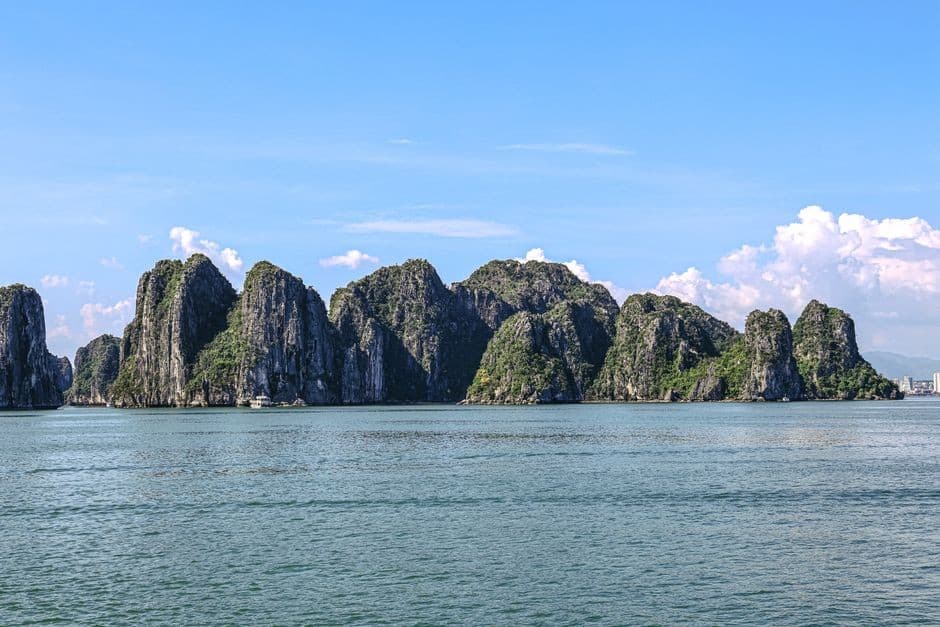
No list of Vietnamese attractions is complete without Ha Long Bay, and for good reason. This UNESCO World Heritage Site in northeastern Vietnam features towering limestone islands jutting out of crystal-clear emerald waters, creating one of the most awe-inspiring landscapes on Earth. Whether you opt for a luxury overnight cruise, a kayaking adventure through hidden grottoes, or a simple day trip from Hanoi, Ha Long Bay will leave you speechless.
Insider Tip: Consider visiting nearby Bai Tu Long Bay — a less crowded alternative known for its tranquility and equally stunning scenery. You'll get the same jaw-dropping karst formations without the tourist crowds.
Hanoi: Where Ancient Heritage Meets Modern Energy
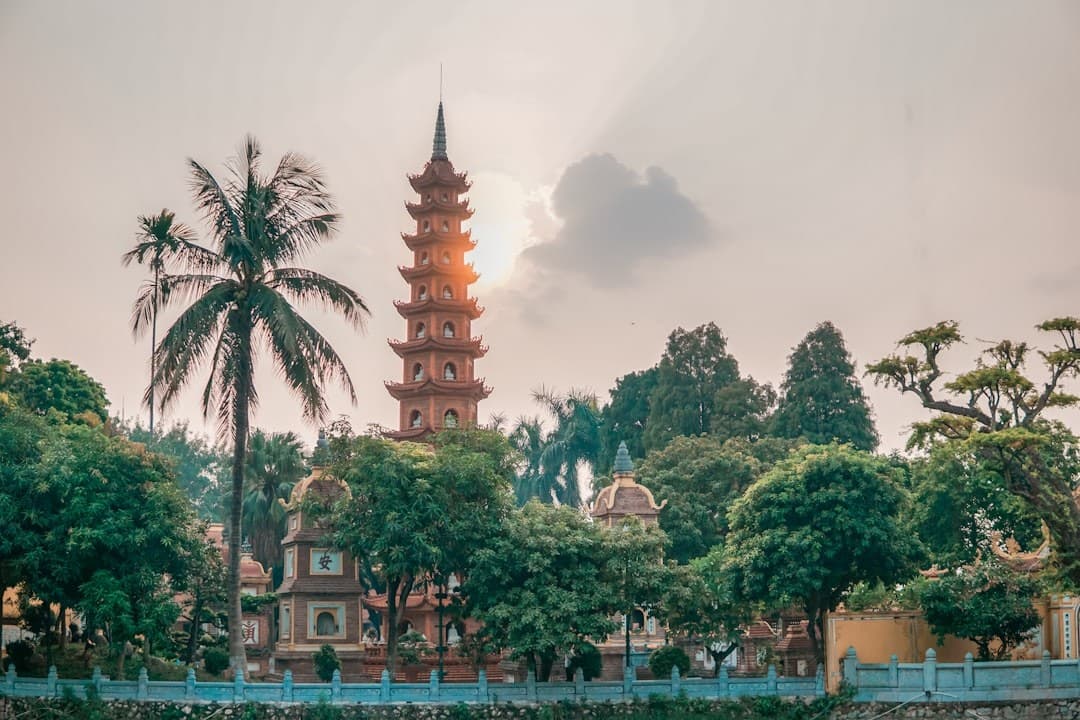
Vietnam's capital city is a masterclass in contrasts. The Old Quarter's narrow streets still follow ancient trade guild patterns established centuries ago, and daily life revolves around the tranquil Hoan Kiem Lake in the early morning hours. Hanoi offers a deeper look into Vietnam's culture than perhaps any other city in the country.
Don't miss:
- Temple of Literature — Vietnam's first university, dating back to 1070
- Ho Chi Minh Mausoleum — a solemn tribute to the nation's founding father
- Street food tours — Hanoi's culinary scene is legendary, from steaming bowls of phở to crispy bánh mì
Best Time to Visit: Spring (March to May) and autumn (September to November) offer the most pleasant weather, with milder temperatures and lower humidity.
Hoi An Ancient Town: A Living Time Capsule
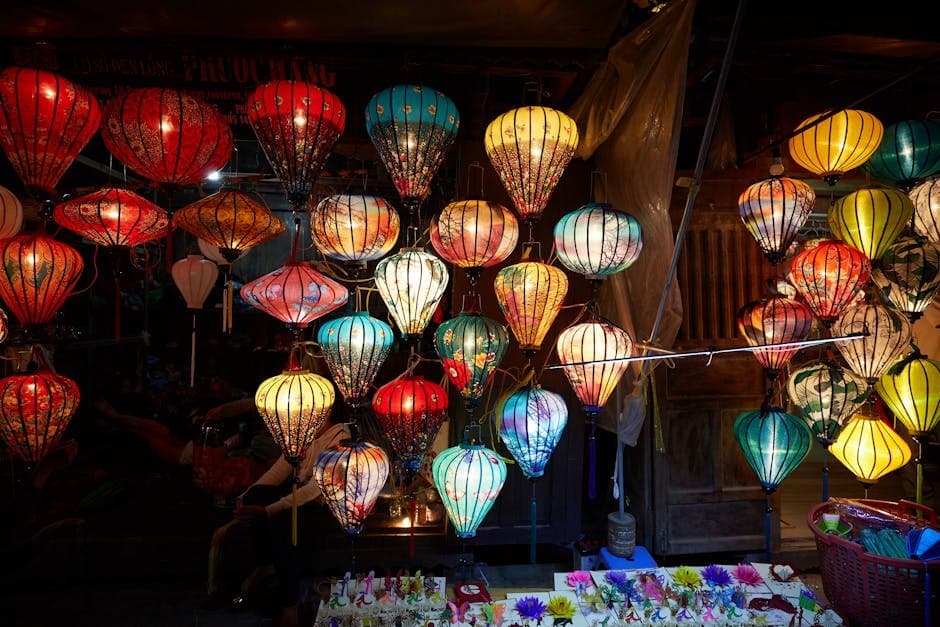
Located on the banks of the Thu Bon River in central Quang Nam province, about 30 kilometers south of Da Nang, Hoi An is an enchanting blend of Vietnamese, Chinese, Japanese, and European architectural influences. This UNESCO World Heritage Site is often cited as the sole reason many travelers visit central Vietnam — and once you wander its lantern-lit streets at dusk, you'll understand why.
Hoi An is also famous for its tailor shops, where you can have custom clothing made in as little as 24 hours, and its vibrant night market along the river. The nearby My Son Sanctuary, featuring ancient Cham temples, makes for a fascinating half-day excursion.
Ho Chi Minh City: Vietnam's Dynamic Southern Hub
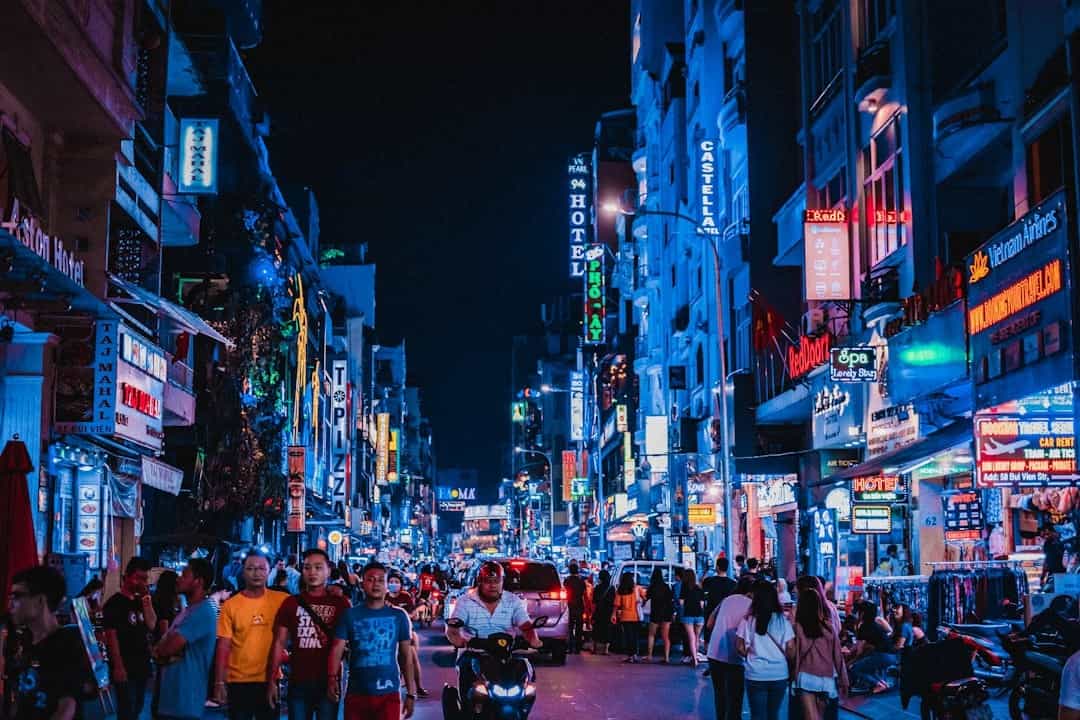
Formerly known as Saigon, Ho Chi Minh City pulses with relentless energy. Colonial buildings like the Central Post Office and Notre Dame Cathedral reflect French influence, while glass skyscrapers showcase the country's rapid modern development. The city serves as a gateway for international tourists keen on exploring Southern Vietnam, including the mesmerizing Mekong Delta.
Must-see attractions include:
- War Remnants Museum — a powerful, sobering look at Vietnam's wartime history
- Cu Chi Tunnels — just outside the city, these reveal powerful stories from the Vietnam War era
- Ben Thanh Market — a sensory overload of food, souvenirs, and local life
The food scene here is diverse and creative — from street-side bánh mì stalls to rooftop fine dining. The best time to visit is during the dry season from December to April.
Phong Nha-Ke Bang National Park: The Underground Kingdom
If you're an adventure seeker, Phong Nha-Ke Bang National Park in central Vietnam is an absolute must. UNESCO World Heritage-listed since 2003, the park is home to the world's largest cave — the legendary Son Doong — and Asia's oldest karst mountains. The park contains a system of approximately 300 different caves and grottos dating back some 400 million years.
The most popular caves for everyday travelers are Paradise Cave (the longest dry cave in Asia at 31.4 km), the atmospheric Dark Cave with its zipline and mud bath experiences, and the scenic Phong Nha Cave itself, accessed via a boat ride along the Son River.
For the ultimate bucket-list experience, book a multi-day expedition into Son Doong Cave through Oxalis Adventure — the only operator with access. Groups are limited to just 12 people per tour, making it an exclusive and unforgettable journey.
Sapa: Terraced Rice Fields and Mountain Magic
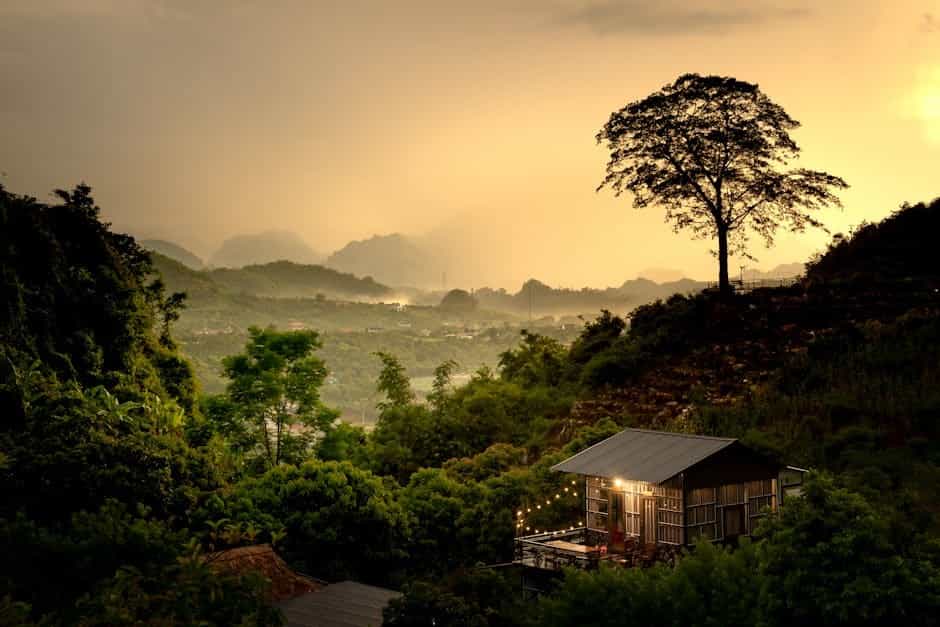
Nestled in the northern mountains, Sapa is known for its terraced rice fields, misty valleys, and vibrant ethnic hill tribe communities. It's a dream destination for hikers and nature lovers, with the cool climate offering a refreshing contrast to Vietnam's warmer coastal regions.
Trekking through the countryside offers opportunities to visit local villages, learn about Hmong and Dao cultures, and witness some of the most breathtaking mountain scenery in all of Southeast Asia. The hike up Fansipan — Indochina's highest peak — is a challenging but rewarding adventure.
Da Nang: Beaches, Bridges, and Ba Na Hills
Once just a stopover between Hue and Hoi An, Da Nang has emerged as a destination in its own right. Famous for its stunning beaches, growing food scene, and modern infrastructure, Da Nang is making waves in 2026.
The city's star attraction is the iconic Golden Bridge at Ba Na Hills — a pedestrian bridge held up by giant stone hands that has become one of the most photographed spots in Asia. The Marble Mountains, a cluster of five limestone hills with Buddhist temples carved into the rock, offer a more spiritual experience. Don't miss ascending Ba Na Hills by cable car for panoramic views that will take your breath away.
Hue: The Imperial City
Once the capital of the Nguyen Dynasty, which ruled Vietnam from 1802 to 1945, Hue is home to the magnificent Imperial City — a UNESCO World Heritage Site and a must-visit for history enthusiasts. The complex of palaces, temples, walls, and gates along the Perfume River tells the story of Vietnam's royal past.
Beyond the citadel, explore the ornate royal tombs scattered through the surrounding countryside, each reflecting the personality of the emperor it honors.
Dalat: The City of Eternal Spring
Affectionately known as the "City of Eternal Spring," Dalat offers a refreshing escape from the tropical heat. Set in the Central Highlands, visitors can explore stunning natural attractions including the serene Xuan Huong Lake, the mesmerizing Datanla Waterfall, and the sprawling Dalat Flower Gardens.
There's also charming French-colonial architecture, the quirky Crazy House, and — for coffee lovers — some of the best café culture in all of Vietnam. The surrounding countryside offers opportunities for trekking, canyoning, and hiking up Lang Biang Mountain.
Phu Quoc Island: Tropical Paradise
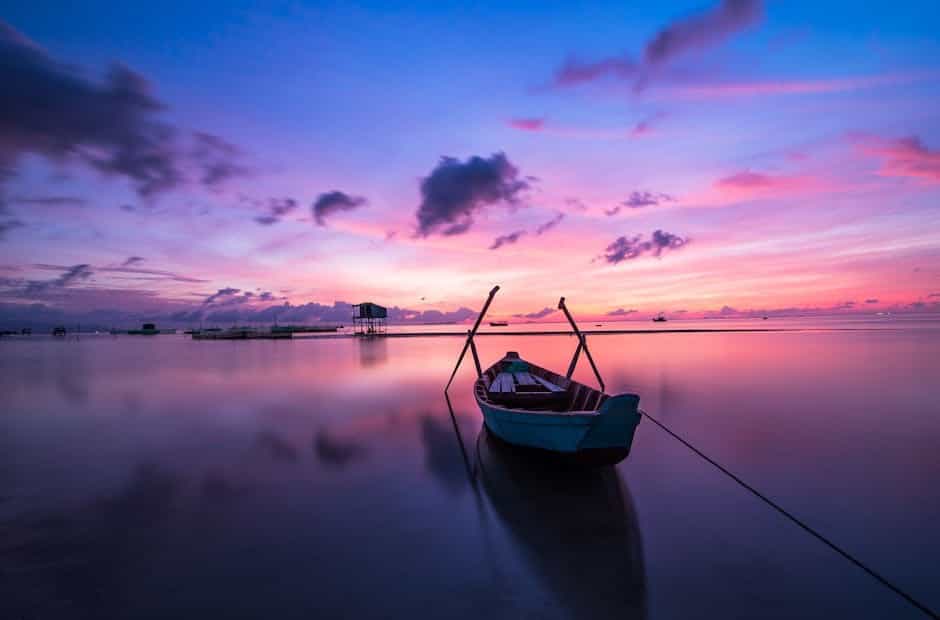
Vietnam's largest island, Phu Quoc, sits in the Gulf of Thailand and offers white-sand beaches, crystal-clear waters, and a laid-back island vibe. It's the perfect place to unwind after weeks of exploring the mainland. Snorkeling, diving, and sunset fishing are popular activities, and the island's night market serves up some of the freshest seafood you'll ever taste.
Bonus: Phu Quoc has a special visa exemption — foreign visitors can stay up to 30 days without a visa when arriving directly on the island.
Practical Tips for Visiting Vietnam in 2026
Vietnam's tourism infrastructure has improved dramatically, making travel easier than ever:
- Visa: Vietnam's e-visa is now open to all nationalities, with stays extended to up to 90 days and both single and multiple-entry options available. Citizens of 39 countries enjoy visa-free entry for 30 or 45 days.
- Getting Around: Vietnam's long, narrow geography makes it easy to travel from one end to the other, hitting major attractions along the way. Domestic flights, sleeper trains, and comfortable buses connect all major destinations.
- Currency: The Vietnamese Dong (VND) is the local currency. ATMs are widely available, and credit cards are accepted in cities and tourist areas.
- Best Time to Visit: Vietnam's climate varies by region. Generally, November to April is ideal for the south, March to May for the north, and February to May for central Vietnam.
- Sustainability: Vietnam is committed to its Net Zero 2050 target, and regenerative tourism is a growing focus. Look for eco-certified accommodations and community-based tourism experiences.
Final Thoughts
Vietnam is a country that rewards every type of traveler — from the history buff exploring Hue's imperial palaces to the adrenaline junkie rappelling into Son Doong Cave, from the foodie slurping phở on a Hanoi sidewalk to the beach lover swaying in a hammock on Phu Quoc. With nearly 13.9 million international visitors in just the first seven months of 2026, the secret is clearly out.
But here's the thing: despite its surging popularity, Vietnam still feels authentic, affordable, and wonderfully surprising at every turn. So stop scrolling, start planning, and get ready for the trip of a lifetime. Chúc bạn đi chơi vui vẻ! (Have a great trip!)
Leave a Comment
Explore Vietnam
Ready to plan your trip? Check out our complete travel guide and packages.