Places to visit in Kerala
Planning a trip to Kerala? Here is a complete guide to the best places to visit—from popular tourist attractions to offbeat spots you would not find in every guidebook. Get ready to explore, experience, and fall in love with Kerala!
Top 85 curated places to visit in Kerala
Kochi
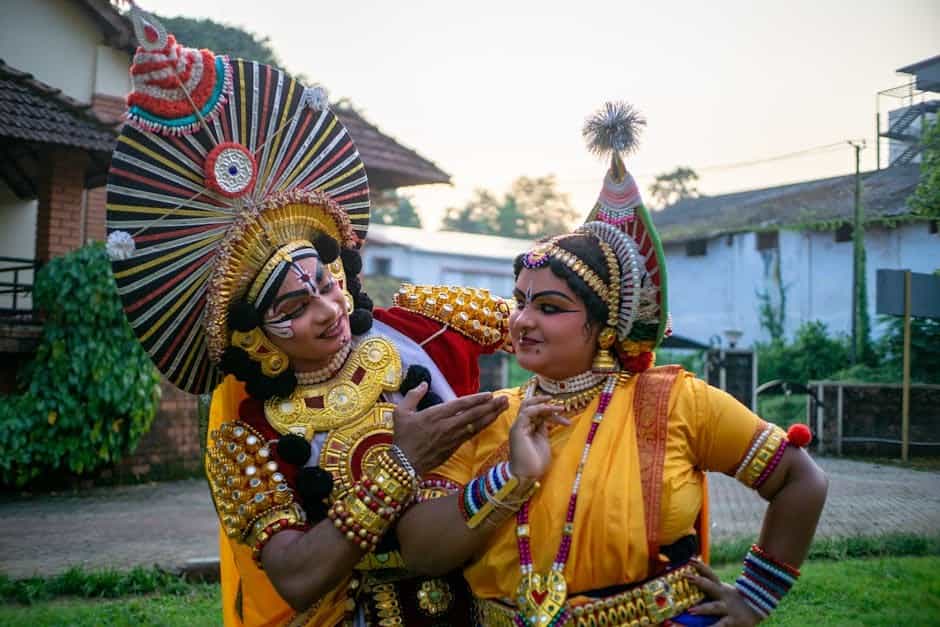
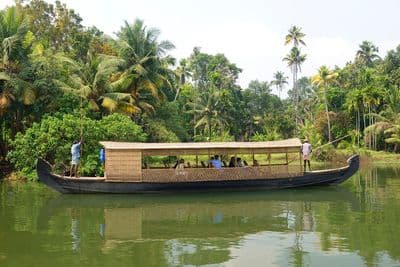
Kochi (Cochin) is one of India’s oldest and most historically significant port cities. It was a major hub in the spice trade for centuries, attracting Arab, Chinese, Jewish and European traders. Colonial powers — Portuguese, Dutch and British — left layered architectural and cultural imprints visible in Fort Kochi, Mattancherry and Willingdon Island. The city is a cultural crossroads for Kerala’s classical performing arts (Kathakali, Kalaripayattu), religious pluralism (churches, mosques, temples and the historic Jewish community) and a gateway to the Kerala backwaters and coastal ecosystems.
Thiruvananthapuram
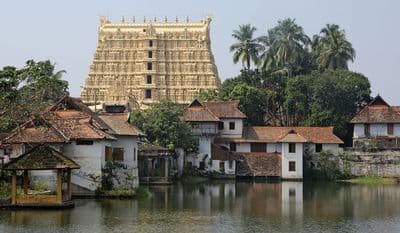
Thiruvananthapuram (Trivandrum) is the capital of Kerala and was the historic seat of the Travancore kingdom. The city is a major cultural hub for classical arts (Kathakali, Mohiniyattam), temple architecture and rituals, and a center for Ayurveda. It also sits at the edge of the Western Ghats and the Arabian Sea, giving it notable natural diversity—nearby hills, forests and coastal ecosystems make it important for both biodiversity and coastal livelihoods.
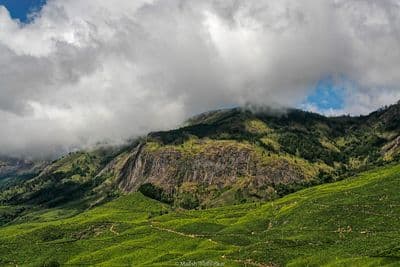
Munnar
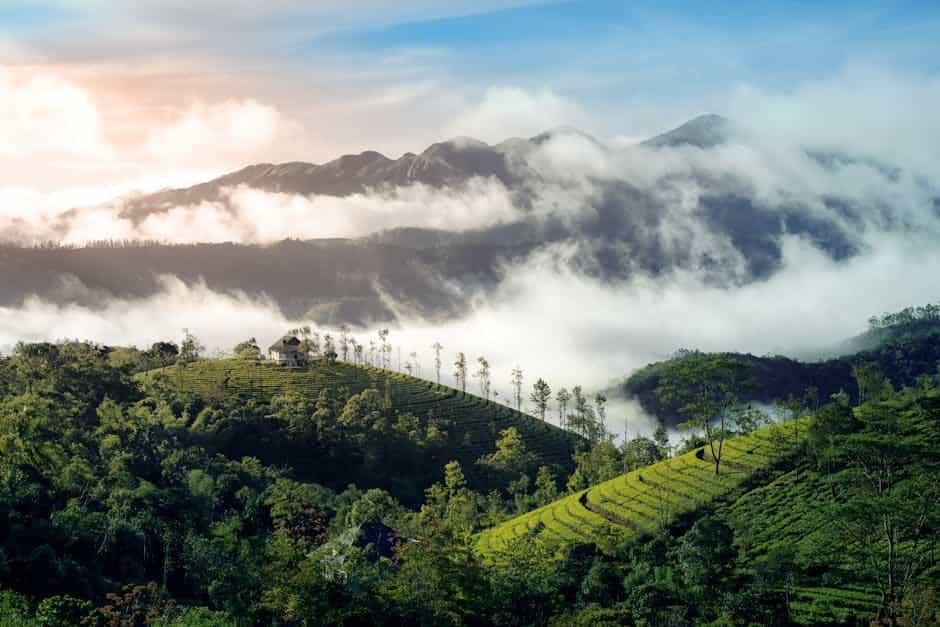
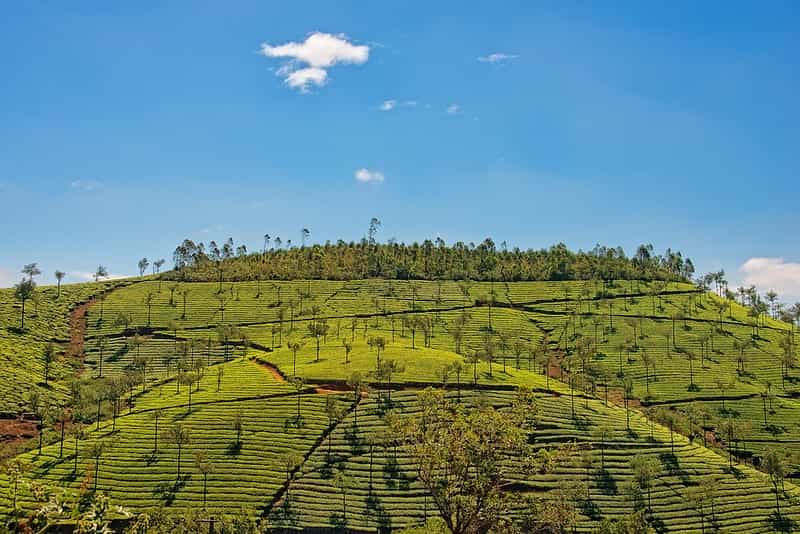
Munnar is a high-altitude hill station in Kerala, India, famed for its extensive tea plantations, rich biodiversity, and cool montane climate. It lies in the Western Ghats — a UNESCO World Heritage Site and one of the world's eight
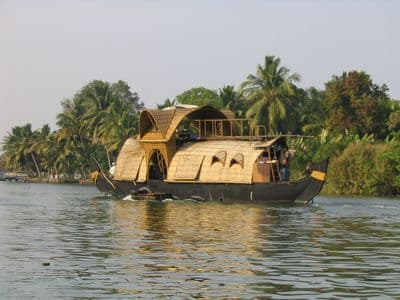
Alappuzha (Alleppey)
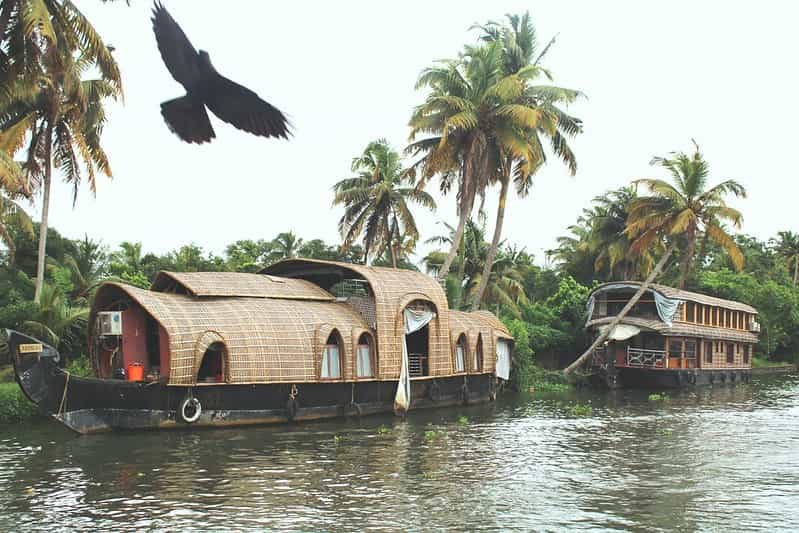
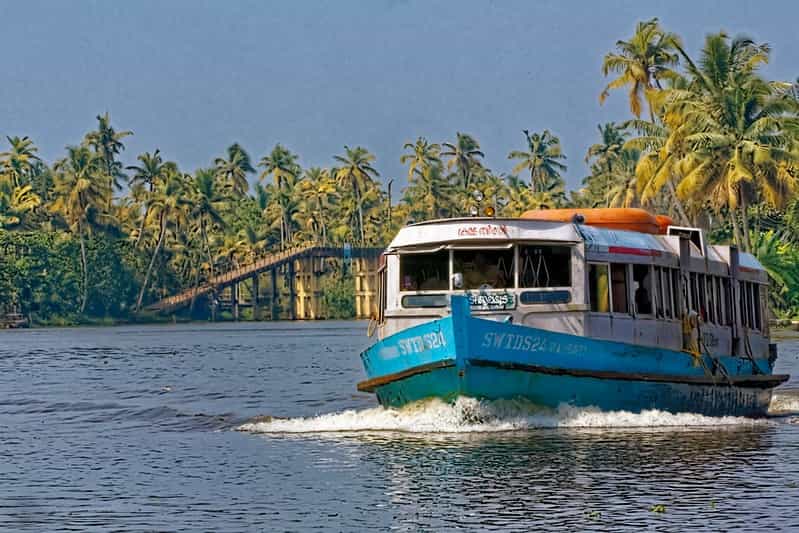
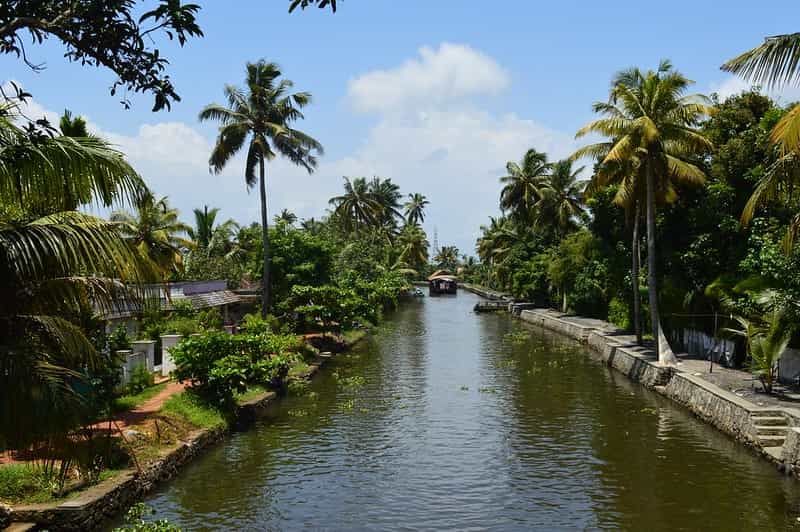
Alappuzha (Alleppey) is famous for its intricate network of backwaters, earning it the nickname 'Venice of the East'. It is an important center for Kerala's coir industry and has played a key role in maritime trade and colonial interactions (Dutch, Portuguese and British influences). The region's low-lying paddy fields in Kuttanad — some of which are cultivated below sea level — and the vast Vembanad Lake make it ecologically significant for wetland biodiversity and migratory birds.
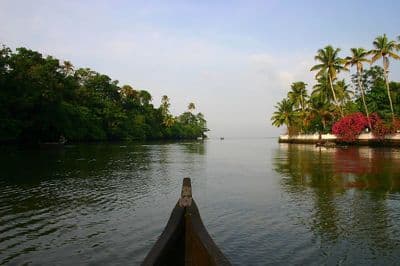
Kumarakom
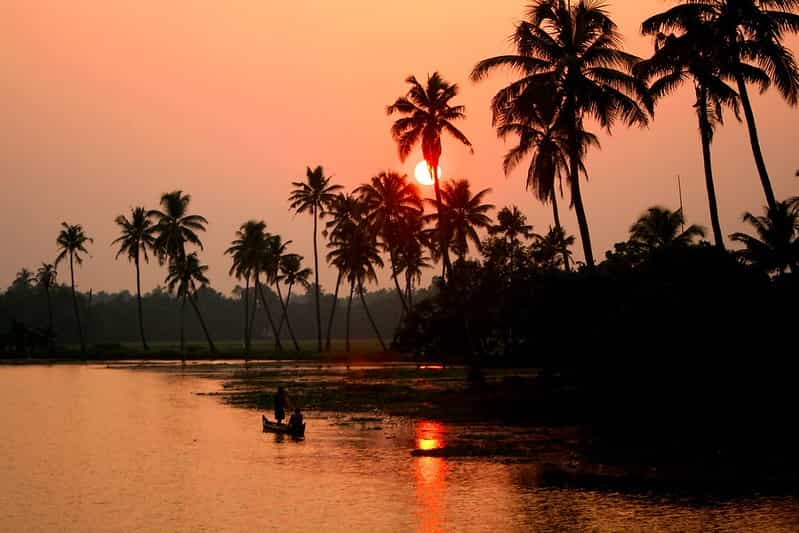
Kumarakom is a cluster of small islands on Vembanad Lake in Kottayam district, Kerala. It is significant as a classic example of Kerala's backwater ecosystem and wetland agriculture (Kuttanad paddy fields). The area has cultural importance as part of Kerala's traditional fishing and rice-farming communities and is a key site for eco-tourism and Ayurveda. It also showcases vernacular architecture, boat-building traditions, and the coexistence of human settlements with rich wetland biodiversity.
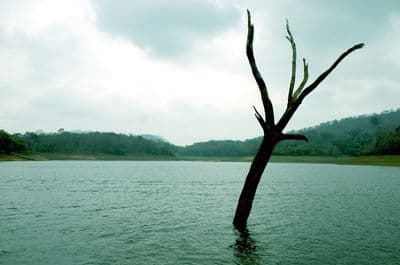
Thekkady
Thekkady is a major ecotourism destination in the Western Ghats of Kerala, centered on the Periyar Tiger Reserve. It is important for biodiversity conservation (evergreen and moist deciduous forests), spice cultivation (cardamom, pepper, cinnamon), and for supporting local tribal communities. The area acts as a wildlife corridor in the biodiverse Western Ghats and is a key destination for wildlife viewing and responsible tourism in Kerala.
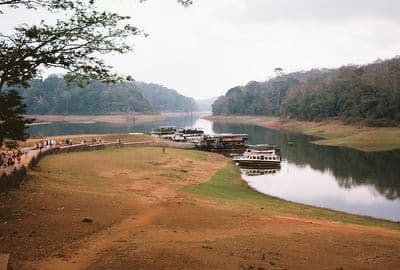
Periyar National Park
Periyar National Park is one of the most important protected areas in the Western Ghats — a global biodiversity hotspot. It protects evergreen and semi-evergreen forests, montane grasslands and a large artificial lake, providing habitat for elephants, tigers, gaurs (Indian bison), sambar deer, Nilgiri langurs, lion-tailed macaques and hundreds of bird species. The reserve plays a key role in regional conservation, watershed protection and supporting local tribal communities and traditional spice agriculture.
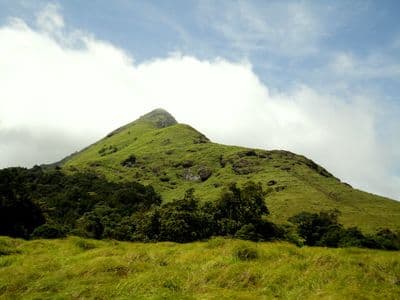
Wayanad
Wayanad is a biodiverse district in the Western Ghats of Kerala known for its rich natural landscapes, endemic wildlife, and significant archaeological sites. It's important for conservation (part of the Nilgiri Biosphere Reserve), tribal cultures (communities such as Paniya, Kurichiya, and Adiya), spice and plantation economy, and history — notably the resistance led by Pazhassi Raja against British colonial forces.
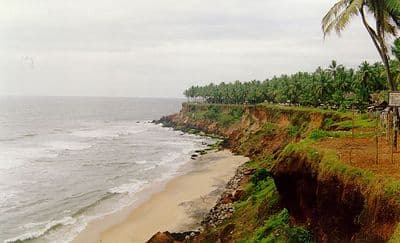
Varkala
Varkala is a coastal town in Thiruvananthapuram district, Kerala, known for its unique geological formation — the Varkala Cliff, a rare sedimentary cliff that meets the Arabian Sea. The town is an important pilgrimage site because of the Janardana Swami Temple (an ancient Vishnu temple) and the sacred bathing spot Papanasam (believed to wash away sins). Varkala also has cultural significance due to the nearby Sivagiri Mutt founded by Sree Narayana Guru, a major social reformer. The area blends natural beauty, spiritual traditions, and traditional Ayurvedic practices.
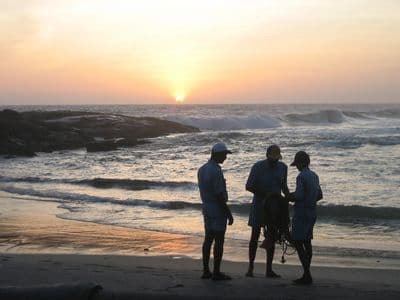
Kovalam Beach
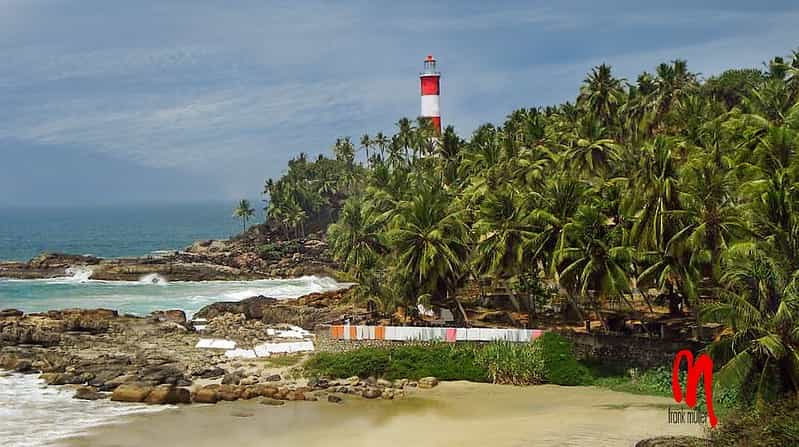
Kovalam Beach is one of Kerala's most famous coastal destinations, known for its natural crescent-shaped bays, palm-fringed shoreline and clear Arabian Sea waters. Historically a small fishing village, it grew in prominence in the 1930s after the Maharani of Travancore opened part of her private beach to the public, and later became an international tourist magnet in the 1970s during the hippie trail era. Kovalam is also an important center for traditional Ayurveda and wellness tourism.
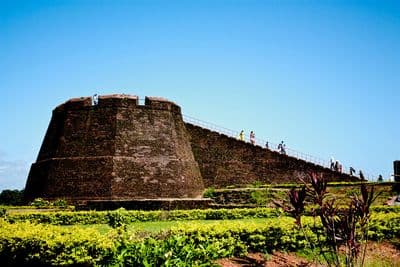
Bekal Fort
Bekal Fort (Kasaragod district, Kerala) is the largest fort in Kerala and a fine example of coastal military architecture in South India. Built in the 17th century by the Keladi rulers (Shivappa Nayaka/Ikkeri rulers), it later passed through the hands of local chieftains, Hyder Ali/Tipu Sultan's sphere of influence and the British. The fort's strategic location overlooking the Arabian Sea made it a key coastal defense and trading watchpoint. Its massive laterite walls, bastions and observation towers illustrate historical military engineering adapted to a coastal environment.
Fort Kochi
Fort Kochi is a historically significant port area in Kochi (Cochin), Kerala, that served as a key node in the Indian Ocean spice trade. It showcases layered colonial influences from the Portuguese (16th century), Dutch (17th century) and British (18th–20th centuries), visible in its architecture, churches and urban layout. The area is also culturally rich—home to Hindu, Christian, Muslim and Jewish communities—and is known for traditional performing arts (Kathakali) and maritime features such as the iconic Chinese fishing nets. Fort Kochi’s beaches, backwaters and proximity to the historic port contribute to its natural and scenic importance.
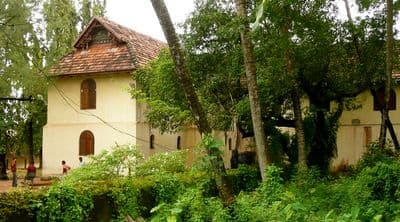
Mattancherry Palace (Dutch Palace)
Mattancherry Palace (Dutch Palace) — originally built by the Portuguese in 1555 and presented to the Raja of Kochi, later renovated by the Dutch in 1663. The palace is an important historical and cultural monument that showcases the syncretic heritage of Kochi: traditional Kerala architecture combined with colonial influences. It houses a celebrated collection of classical Kerala murals, royal family portraits and artifacts, making it a key site for understanding the region's royal history and art traditions.
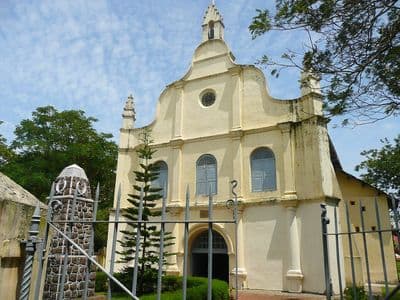
St. Francis Church
St. Francis Church (Fort Kochi) is considered the oldest European church in India, originally built in 1503 by Portuguese Franciscan friars. It marks the early phase of European colonial and missionary presence on the Malabar Coast and is closely associated with the arrival of the Portuguese in Kerala. The church played a significant role in the religious and cultural exchanges between Europe and South India and reflects layers of Portuguese, Dutch and British influence in its structure and surroundings.
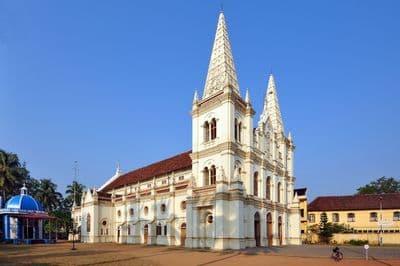
Santa Cruz Basilica
Santa Cruz Basilica, Fort Kochi is one of the most important Roman Catholic churches in Kerala and among the oldest Christian sites in India. It reflects the Portuguese colonial presence in the 16th century and the long Christian heritage of the Malabar coast. The basilica is a focal point for the Latin Catholic community in Kochi and is valued for its architecture, historic role in local religious life, and its place in Fort Kochi's layered cultural landscape.
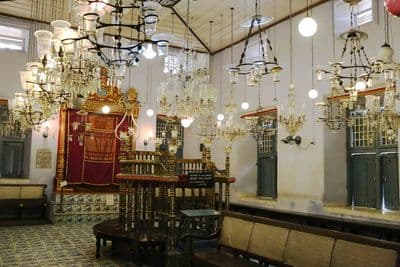
Paradesi Synagogue
Paradesi Synagogue (also known as the Cochin Jewish Synagogue) in Mattancherry, Kochi, Kerala, was built in 1568 and is one of the oldest active synagogues in the Commonwealth. It is historically significant as the centre of the Paradesi (foreign Sephardic) Jewish community that settled in Kochi after the expulsions from Spain and Portugal and later arrivals from the Middle East. The synagogue represents the long-standing Jewish presence in Kerala and the multicultural trade history of Kochi, where Jewish, Dutch, Portuguese, British, Arab and Chinese influences met.
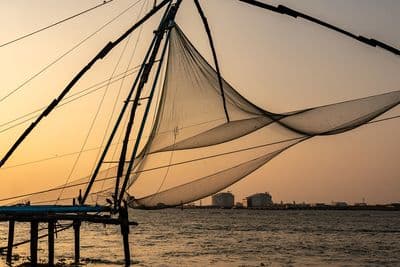
Chinese Fishing Nets
Chinese Fishing Nets (Cheena Vala) are iconic shore-operated lift nets found along the Fort Kochi coastline in Kerala. Believed to have been introduced by Chinese traders during the 14th–15th centuries (often associated with Admiral Zheng He), these cantilevered structures reflect a unique historical and technological exchange between China and the Malabar Coast. They are important culturally as a living tradition of artisanal fishing and socially as a symbol of Kochi's maritime heritage and coastal livelihoods.
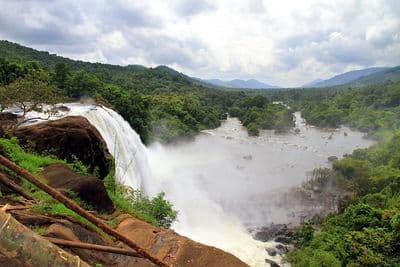
Athirappilly Waterfalls
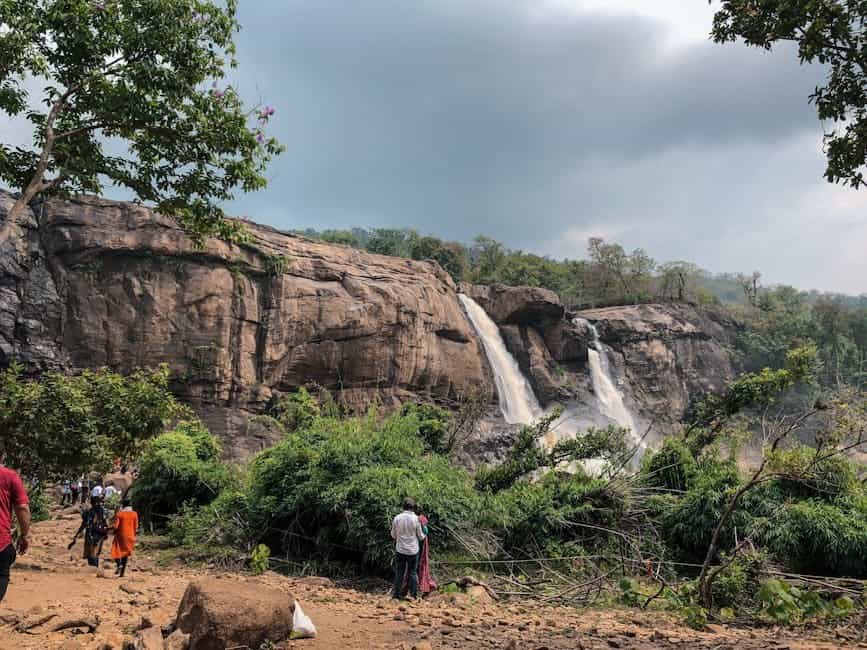
Athirappilly Waterfalls is the largest waterfall in Kerala, formed by the Chalakudy River as it cuts through the Western Ghats. It is an important natural landmark for its dramatic cascades and the surrounding evergreen forest, which is part of a biodiversity-rich landscape that supports many endemic species and large mammals (elephants, hornbills). The area also has cultural importance for local communities who have long relied on the river and forest for livelihood and traditions.
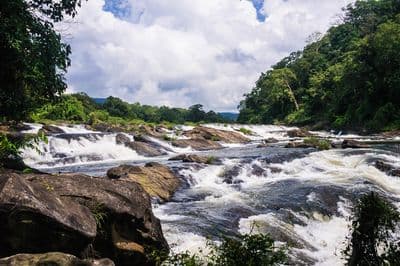
Vazhachal Falls
Vazhachal Falls is a scenic cascade on the Chalakudy River located in the Western Ghats of Kerala, near the village of Vazhachal and close to the more famous Athirappilly Falls. It is part of a rich rainforest and riverine ecosystem that contributes to the Western Ghats' status as a globally important biodiversity hotspot. The area is valued for its natural beauty, endemic flora and fauna, and as an accessible example of Kerala's monsoon-fed waterfalls.
Eravikulam National Park
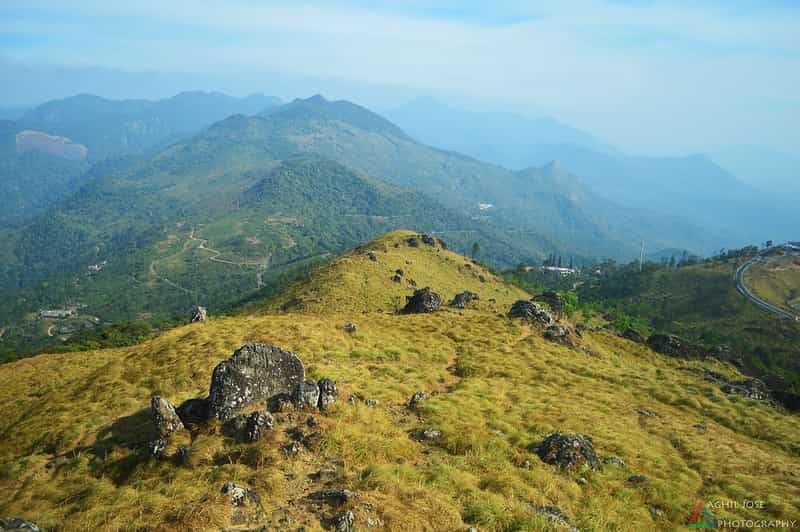
Eravikulam National Park is one of India's premier high-altitude protected areas, protecting the montane grassland and shola forest ecosystems of the Western Ghats. It is internationally important for biodiversity conservation as the stronghold of the endemic and endangered Nilgiri tahr (Nilgiritragus hylocrius), and for preserving rare high-altitude flora and fauna. The park also plays a critical role in watershed protection for the region and supports local livelihoods through ecotourism.