Places to visit in Kerala
Planning a trip to Kerala? Here is a complete guide to the best places to visit—from popular tourist attractions to offbeat spots you would not find in every guidebook. Get ready to explore, experience, and fall in love with Kerala!
Top 85 curated places to visit in Kerala
Shendurney Wildlife Sanctuary
Shendurney Wildlife Sanctuary is an important protected area in the southern Western Ghats of Kerala, conserving tropical evergreen and semi-evergreen forests that are part of a global biodiversity hotspot. It helps protect numerous endemic and threatened species of flora and fauna and maintains watershed functions for the Thenmala reservoir. The sanctuary contributes to regional ecological stability and supports local livelihoods through regulated ecotourism.
Peechi-Vazhani Wildlife Sanctuary
Peechi-Vazhani Wildlife Sanctuary (located in Thrissur district, Kerala) protects a patch of the Western Ghats' moist deciduous and semi-evergreen forests and the catchment areas around the Peechi and Vazhani reservoirs. The sanctuary is important for regional biodiversity conservation, supplying water to nearby towns and serving as a green buffer that supports wild herbivores, elephants, and a rich bird and butterfly fauna.
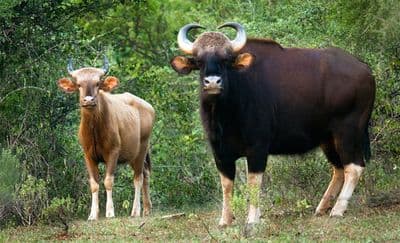
Aralam Wildlife Sanctuary
Aralam Wildlife Sanctuary is a protected area in the northern Western Ghats of Kerala (Kannur district). It conserves a mosaic of evergreen, semi-evergreen, and moist deciduous forests that are part of a globally recognized biodiversity hotspot. The sanctuary plays an important role in protecting large mammals (elephants, gaurs), endemic and migratory bird species, and a variety of reptiles and amphibians, as well as maintaining watershed functions for the region.
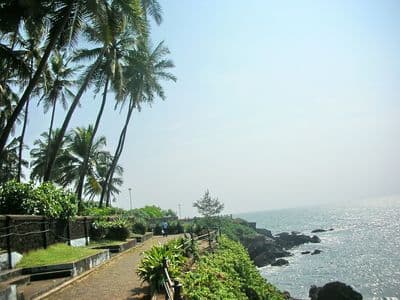
Kannur
Kannur (formerly Cannanore) is a coastal city in northern Kerala with rich historical, cultural and natural significance. Historically it was an important trading port on the Malabar Coast and a strategic site during colonial periods — home to Portuguese, Dutch and British forts (notably St. Angelo Fort). Culturally Kannur is a stronghold of traditional performing arts of Kerala, especially Theyyam, which preserves ancient ritual, costume and folk narratives. Naturalscapes include long sandy beaches, coastal wetlands, islands and nearby Western Ghats hill tracts, supporting diverse marine and birdlife.
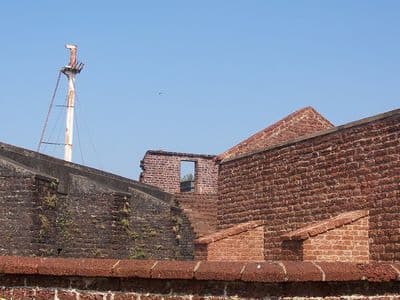
St. Angelo Fort (Kannur Fort)
St. Angelo Fort (Kannur Fort) is a major historical monument on the Malabar coast of Kerala. Constructed by the Portuguese in 1505 under the command of Dom Francisco de Almeida, it served as an important coastal defense and trading post during the European colonial period. The fort later passed through Dutch and British hands and played a role in regional power struggles involving local rulers, colonial powers, and maritime trade. Its location by the Arabian Sea gives it natural strategic importance and scenic value.
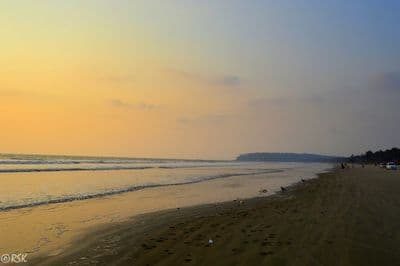
Muzhappilangad Drive-in Beach
Muzhappilangad Drive-in Beach is one of the longest driveable beaches in India and a unique coastal attraction on Kerala's Malabar Coast. It is important as a recreational landmark, a habitat for coastal flora and fauna, and as a livelihood resource for nearby fishing communities. The beach's broad, firm sand makes it distinct from many other Kerala beaches and it has become an iconic symbol of Kannur district's coastal tourism.
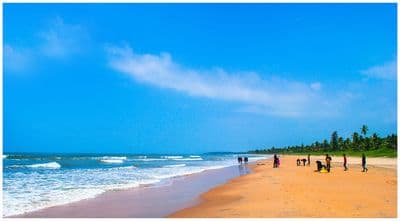
Payyambalam Beach
Payyambalam Beach (Kannur district, Kerala) is a prominent coastal stretch known for its scenic golden sand, palm-fringed shoreline and relaxed urban beach atmosphere. It is important locally as a recreational and social hub for Kannur residents and visitors, reflecting Kerala’s maritime culture and coastal ecology. The beach and adjacent promenade contribute to the city’s seaside identity and are valued for sunset views and informal community gatherings.
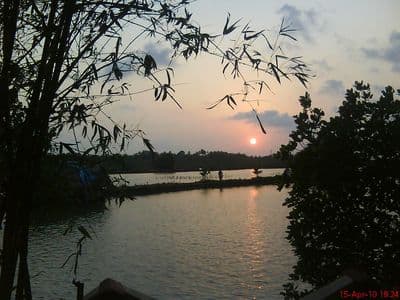
Thalassery
Thalassery (Tellicherry) is a historic coastal town in Kannur district, North Malabar, Kerala. It was an important colonial trading port in the spice trade (notably pepper) and hosted European powers including the British and Dutch. The town played a notable role in Kerala's colonial-era history and local administration. Culturally, Thalassery is famous for its unique culinary tradition (the Thalassery biryani), contributions to Kerala's circus tradition (Keeleri Kunjikannan trained many early circus artistes here), and as part of the region where traditional forms such as Theyyam and Kalaripayattu are practiced. The surrounding coastline, estuaries and nearby drive-in beach add natural coastal significance.
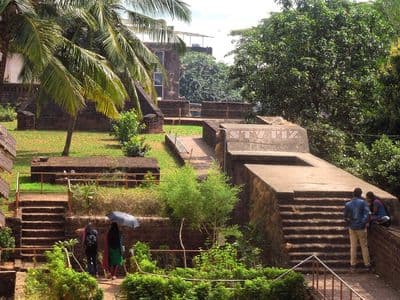
Thalassery Fort
Thalassery Fort (Tellicherry Fort) is a historic coastal fort on the Malabar Coast of Kerala, built by the British East India Company in 1708. It served as an important commercial and military outpost during the colonial period, controlling trade (notably pepper and other spices) and protecting British interests on the Malabar coast. The fort also witnessed regional conflicts in the 18th century and played a role in the area's transition under colonial rule. Today it is an important cultural landmark in Thalassery town and a visible reminder of the area's maritime and trading past.
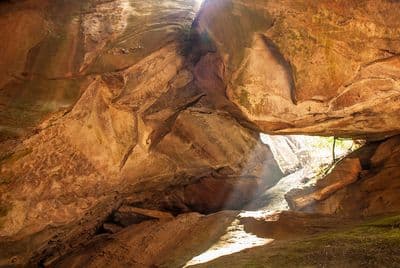
Edakkal Caves
Edakkal Caves on Ambukuthi Hill in Wayanad, Kerala, are a major archaeological and natural site famous for their prehistoric petroglyphs. The rock art — thought to date from the Neolithic period (and including later additions) — provides rare direct evidence of early human settlement, symbolic expression and tool use in South India. The site combines geological interest (a natural rock shelter formed between two huge boulders) with invaluable cultural-historical information about prehistoric communities in the Western Ghats.
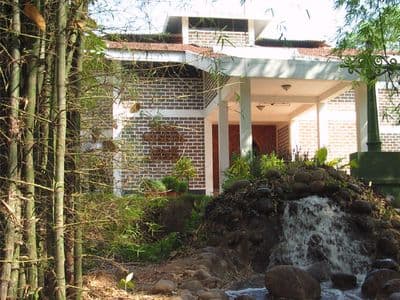
Nilambur Teak Museum
The Nilambur Teak Museum celebrates the history and significance of teak (Tectona grandis) cultivation and forestry in Kerala. Nilambur and its surrounding forests are historically important for teak production in India; the area includes some of the earliest managed teak plantations established during the British colonial period. The museum documents traditional and modern methods of teak cultivation, harvesting, processing and the species' economic and cultural role in shipbuilding, furniture making and local livelihoods.
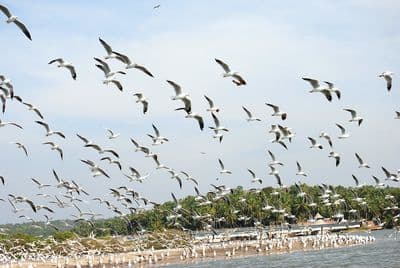
Kadalundi Bird Sanctuary
Kadalundi Bird Sanctuary is an estuarine sanctuary on the Malabar Coast near Kadalundi in Kozhikode district, Kerala. It protects mangrove-lined estuary, mudflats and small islands that support a high diversity of resident and migratory birds, making it an important site for conservation, local livelihoods and ecotourism.
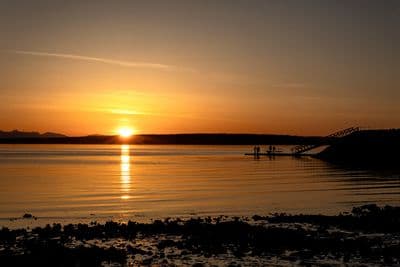
Willingdon Island
Overview: Willingdon Island is an artificial island in Kochi (Cochin), Kerala, created in the early 20th century through dredging and reclamation to develop a modern port. Today it is a major maritime and strategic hub hosting components of Cochin Port and important naval establishments. The island played a key role in regional trade and maritime operations and remains central to Kochi's identity as a port city.
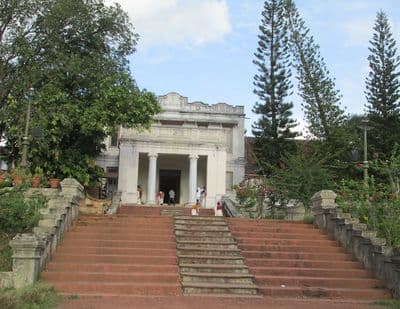
Hill Palace Museum, Thrippunithura
Hill Palace Museum in Thrippunithura was the official residence and administrative office of the Cochin royal family and is the largest archaeological museum in Kerala. The complex is a key repository of the region's royal heritage, showcasing archaeological finds, royal regalia, traditional art, and everyday objects that illustrate the history, culture and governance of the Kingdom of Cochin.
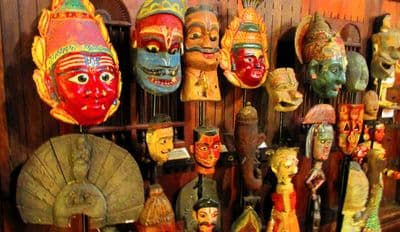
Kerala Folklore Museum
The Kerala Folklore Museum in Kochi (Ernakulam) is one of India’s premier private museums dedicated to preserving Kerala’s traditional art, crafts, and cultural heritage. Founded by Mr. N.P. Jayaraj, the museum houses an extensive collection of over 4,000 artifacts including traditional masks, sculpture, pottery, musical instruments, ritual objects, and antique costumes. It serves as a cultural repository that showcases the richness of Kerala's performing arts (like Kathakali and Theyyam), temple arts, tribal customs, and folk traditions, making it vital for researchers, artists, and visitors interested in South Indian culture.
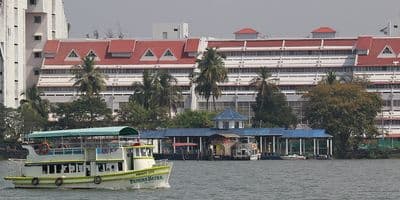
Marine Drive, Kochi
Marine Drive, Kochi is a popular waterfront promenade along the backwaters of Kochi (Ernakulam). It is an important urban public space renowned for its scenic views of the Vembanad Lake, the harbour and Kochi's skyline. The promenade functions as a social and recreational hub for locals and visitors, and plays a key role in the city's contemporary coastal identity and evening culture.
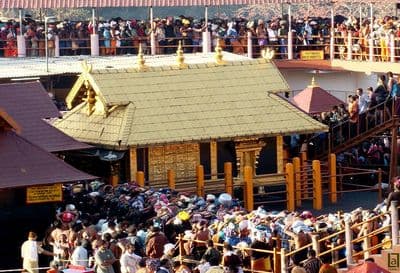
Sabarimala Temple
Sabarimala is one of the most important pilgrimage centres in South India, dedicated to Lord Ayyappa. Located in the Western Ghats inside the Periyar Tiger Reserve in Pathanamthitta district, Kerala, it draws millions of devotees annually—especially during the Mandala-Makaravilakku season (November–January). The pilgrimage blends historical, cultural and natural significance: ancient temple traditions and austere practices (the 41-day vratham and Irumudi), the unique practice of climbing the 18 sacred steps (Pathinettampadi), and its location in a dense forest and biodiverse Western Ghats landscape that adds a natural, spiritual setting.
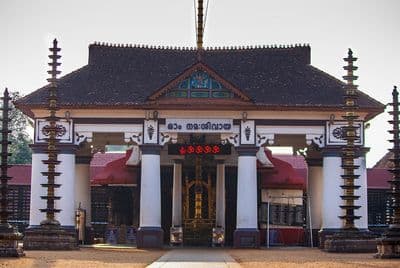
Vaikom Mahadeva Temple
Vaikom Mahadeva Temple is one of Kerala's ancient and culturally important Shiva temples, located in Vaikom (Kottayam district). The temple is revered for its traditional Kerala architecture, centuries-old rituals, and its role in social history — notably as the focal point of the Vaikom Satyagraha (1924–25), a landmark anti-caste movement that advanced temple-entry rights and social reform in modern Kerala.
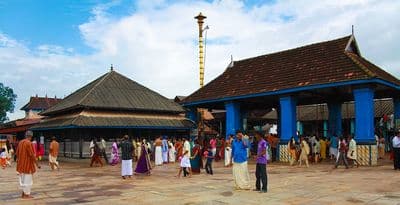
Chottanikkara Temple
Chottanikkara Temple is one of Kerala's most important and widely visited Hindu temples, dedicated to the Goddess Bhagavathy (often worshipped as Rajarajeswari/Chottanikkara Amma). It serves as a major center of Shakti worship and is culturally significant across Kerala for its rituals, traditional rites, and role in local pilgrimage circuits. The temple is widely known for its compassionate reputation: devotees believe the deity helps cure mental disorders and cases of spiritual possession. The temple complex reflects traditional Kerala temple architecture and plays an active role in preserving local religious customs.
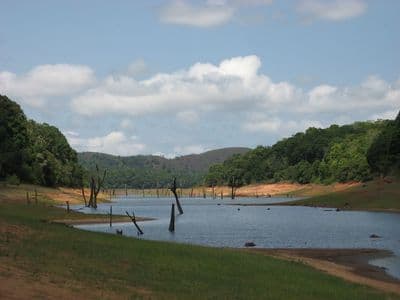
Periyar Lake
Periyar Lake (also called Periyar Wildlife Sanctuary reservoir or Thekkady Lake) is a man-made lake formed by the Mullaperiyar Dam across the Periyar River in Kerala's Idukki district. It is the lifeline of Periyar National Park and Wildlife Sanctuary, one of South India's most important protected areas known for its rich biodiversity, especially elephants, tigers, sambar deer, gaur, and numerous bird species. The lake and surrounding reserve play a crucial role in conservation, ecotourism, and local livelihoods. The area also reflects cultural ties between local tribal communities and the forest environment.