Places to visit in Kerala
Planning a trip to Kerala? Here is a complete guide to the best places to visit—from popular tourist attractions to offbeat spots you would not find in every guidebook. Get ready to explore, experience, and fall in love with Kerala!
Top 85 curated places to visit in Kerala
Anamudi Peak
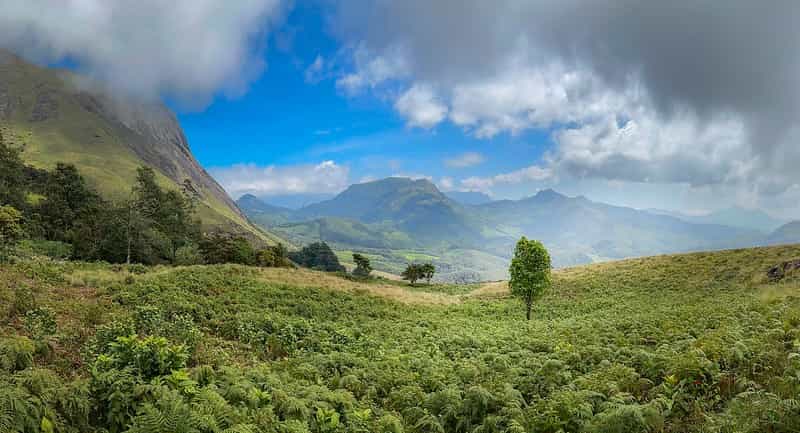
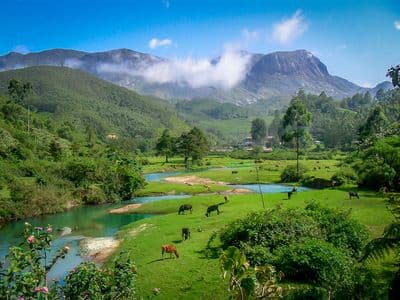
Anamudi Peak (2,695 m) is the highest peak in South India and the highest point of the Western Ghats. It is a key natural landmark within the Eravikulam–Anamudi complex and lies inside Eravikulam National Park, a biodiversity hotspot with endangered and endemic species (notably the Nilgiri tahr). The area is important for montane 'shola' forests and grasslands that support rare flora and fauna and for regional water catchment and climate regulation.
Meesapulimala
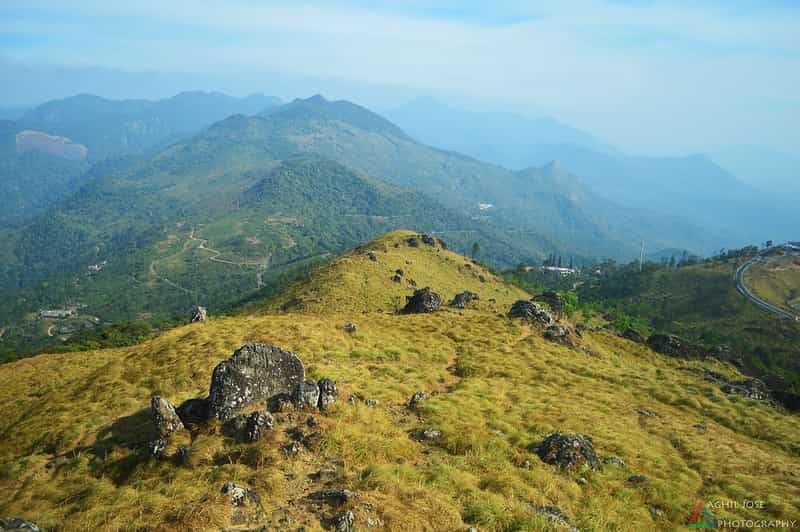
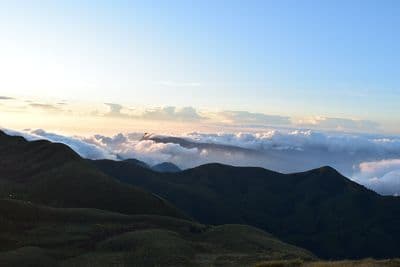
Meesapulimala, located in the Western Ghats near Munnar in Idukki district, Kerala, is one of the highest peaks in the region and an important high-altitude ecosystem. It forms part of the Western Ghats biodiversity hotspot, with unique montane grasslands and shola forests that support endemic flora and fauna. The peak is also valued for its scenic beauty and panoramic views of tea plantations, valleys and neighboring peaks such as Anamudi.
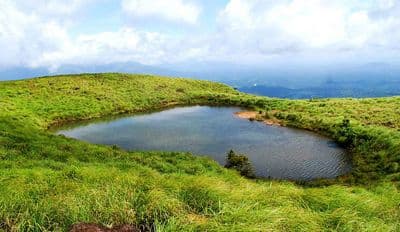
Chembra Peak
Chembra Peak is the highest peak in Wayanad district in the Western Ghats (approx. 2,100 m / 6,890 ft). It is important as part of the Western Ghats biodiversity hotspot, featuring shola-grassland ecosystems, endemic plants and wildlife, and scenic hill landscapes that attract nature lovers and trekkers.
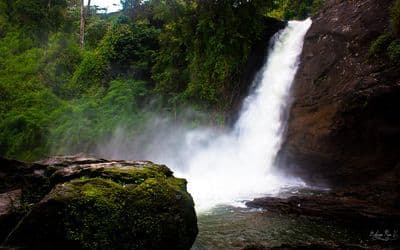
Soochipara Falls (Sentinel Rock)
Soochipara Falls (Sentinel Rock) is a prominent natural landmark in Wayanad district, Kerala. The falls are set within dense deciduous and evergreen forests and form part of the Western Ghats — a UNESCO World Heritage natural hotspot. The site is valued for its scenic beauty, biodiversity (including endemic flora and fauna), and its role as a freshwater source for nearby communities and riparian ecosystems. The rock formations and the cascading waters make it a popular spot for nature lovers, photographers, and eco-tourists.
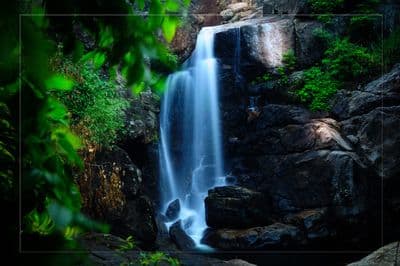
Meenmutty Falls (Wayanad)
Meenmutty Falls (Wayanad) is one of the most spectacular waterfalls in the Wayanad region of the Western Ghats. The falls cascade in multiple tiers through dense evergreen and semi-evergreen forest, contributing to local biodiversity and the scenic landscape. It is ecologically important as part of the Western Ghats — a biodiversity hotspot — and is visited for its natural beauty, wildlife sightings, and as a representative example of Kerala's hill-country waterfalls.
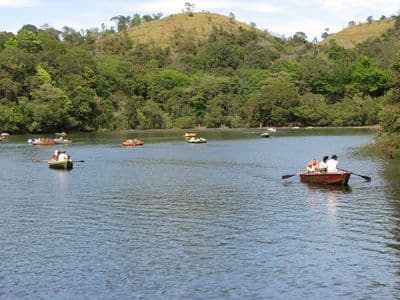
Pookode Lake
Pookode Lake is a natural freshwater lake located in Wayanad district, Kerala. It is valued primarily for its natural beauty and ecological importance as a freshwater ecosystem amid the Western Ghats. The lake acts as a habitat for several freshwater fish species and supports surrounding tropical evergreen vegetation which contributes to the region's biodiversity. Its scenic setting—surrounded by wooded hills, grassy banks and plantations—makes it an important local recreational and nature-education site.
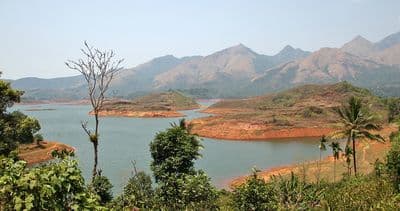
Banasura Sagar Dam
Banasura Sagar Dam is one of India’s largest earthen dams and a key component of the Kuttiyadi Augmentation Scheme, created primarily for water storage and augmentation of the Kutyadi hydroelectric project. Located in Wayanad district, Kerala, the dam and its reservoir have become an important scenic and ecological landmark — supporting local irrigation, contributing to regional water management, and forming a reservoir that supports biodiversity and tourism.
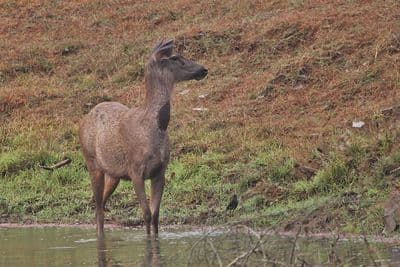
Wayanad Wildlife Sanctuary
Wayanad Wildlife Sanctuary (part of the Nilgiri Biosphere Reserve) is one of Kerala's most important protected areas, linking the Western Ghats with rich evergreen and moist-deciduous forests. It conserves significant wildlife populations including Asian elephant, gaur, tiger, leopard, sloth bear, and many endemic bird and amphibian species. The sanctuary also protects tribal landscapes and traditional ways of life in Wayanad district.
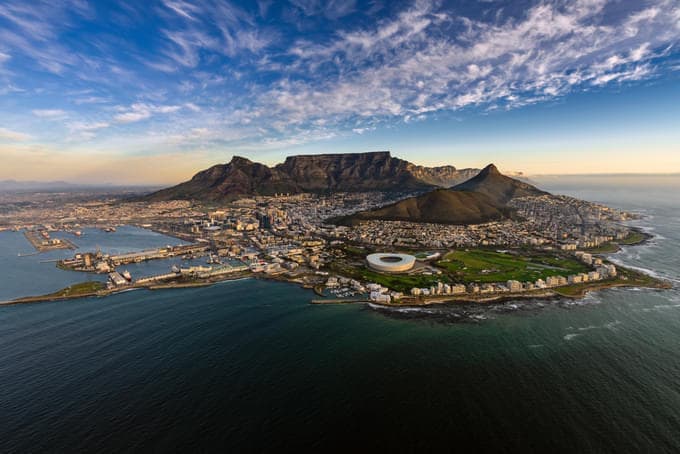
Kozhikode (Calicut)
Kozhikode, historically known as Calicut, was a major medieval spice trade hub on the Malabar Coast. It is where Vasco da Gama landed in 1498 (nearby Kappad), opening sea routes between Europe and India and changing global trade. The city was the capital of the powerful Zamorin (Samoothiri) kingdom and a cosmopolitan port where Arab, Chinese, Jewish, and European traders met. Culturally, Kozhikode is known for its Malabar Muslim, Hindu, and Christian communities, traditional art forms like Theyyam and Oppana, and a distinct cuisine featuring biryani, halwa, and seafood. The surrounding natural landscape includes the Arabian Sea shoreline, backwaters, and nearby hills and forests offering biodiversity and scenic views.
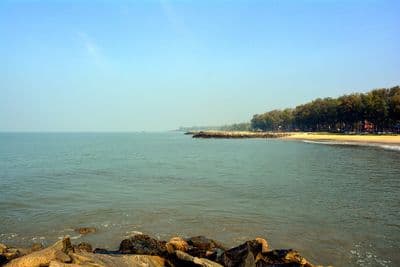
Kappad Beach
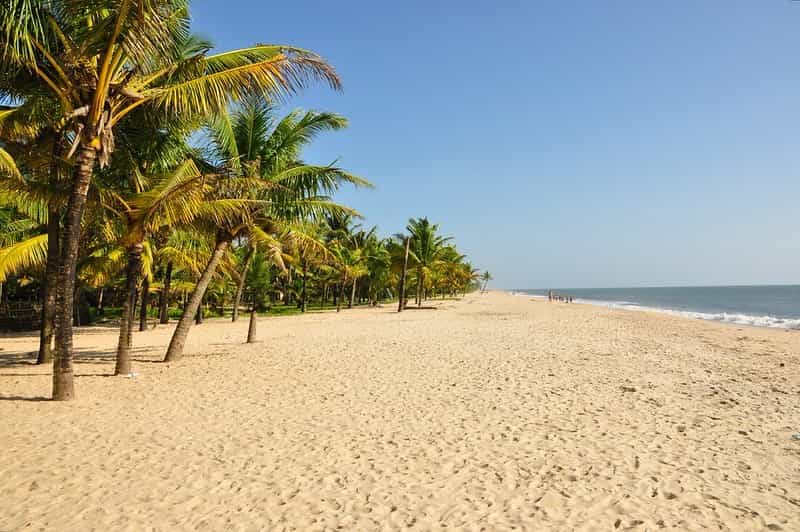
Vasco da Gama landing site (1498) — Kappad Beach is historically significant as the traditional landing place of the Portuguese explorer Vasco da Gama, marking a pivotal point in the start of direct sea trade between Europe and India. Culturally it represents the Malabar coast's long history as a maritime and trading region. Naturally, the beach features a mix of sandy stretches and rocky outcrops backed by coconut groves and coastal vegetation typical of Kerala.
Beypore
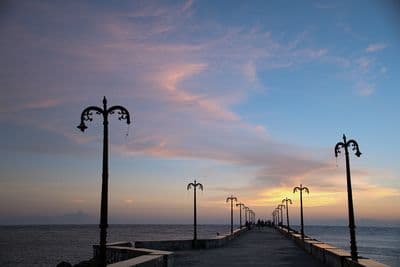
Beypore is a historic port town near Kozhikode (Calicut) on the Malabar Coast of Kerala. It has been an important trading and shipbuilding centre for centuries, linking Kerala with the Arab world and beyond. The town is renowned for its traditional wooden shipbuilding (the Uru), a craft passed down through generations and still producing large wooden dhows for Gulf clients. The Chaliyar River estuary, mangroves and sandy beaches contribute to its natural and scenic significance.
Thrissur
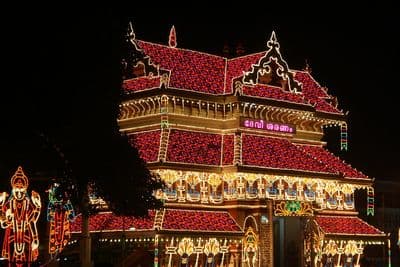
Thrissur (also spelled Trichur) is known as the cultural capital of Kerala. It has major historical and religious importance centered on the ancient Vadakkunnathan Temple and the surrounding Thekkinkadu Maidan. The city and district host centuries-old temples, palaces, classical arts institutions (notably Kerala Kalamandalam nearby), and long-standing traditions of temple festivals, percussion ensembles and classical dance forms such as Kathakali and Mohiniyattam. The district also includes natural attractions like Athirappilly and Vazhachal Falls, Peechi and Chimmini sanctuaries, and the historic port region of Muziris (Kodungallur), linking it to maritime trade history.
Vadakkunnathan Temple
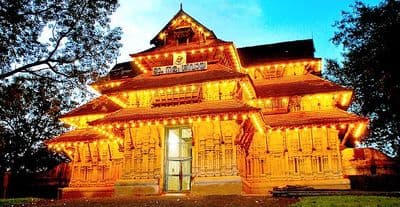
Vadakkunnathan Temple is an ancient and revered Hindu temple dedicated to Lord Shiva located in Thrissur, Kerala. It is considered one of the oldest temples in the region and exemplifies classical Kerala temple architecture with extensive wooden carvings, mural paintings and a traditional nalambalam (inner courtyard). The temple complex and the surrounding Thekkinkadu Maidan form the cultural and ritual heart of Thrissur city, playing a central role in the city's religious and public life.
Guruvayur Temple
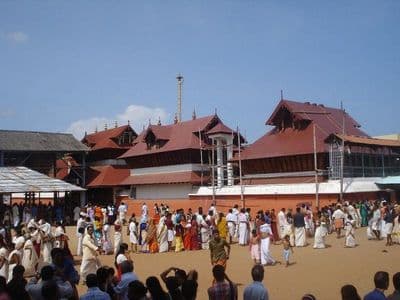
Guruvayur Temple (Guruvayurappan) is one of Kerala's most important and ancient Hindu pilgrimage centres, dedicated to Lord Krishna. Revered as Bhooloka Vaikuntha (a piece of heaven on earth) by devotees, the temple plays a central role in the religious and cultural life of Kerala. Architecturally it reflects traditional Kerala temple styles with a sanctum sanctorum (sreekovil), wooden carvings and mural art, and the temple complex has long been a patron of classical arts such as Kathakali and Carnatic music.
The temple's rituals, administration (Guruvayur Devaswom) and associated institutions influence local culture, festivals, and the upkeep of temple elephants — an iconic feature of Guruvayur's identity.
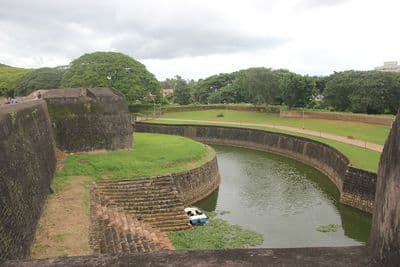
Palakkad
Palakkad (also spelled Palghat) is a gateway between Kerala and Tamil Nadu through the geologically important Palakkad Gap in the Western Ghats. The town and district are known for fertile rice plains (Palakkad's pattam paddy fields), historic forts, rich temple traditions and as a crossroads of Malayalam and Tamil cultures. Natural importance includes proximity to biodiverse hill ranges (Nelliyampathy, Silent Valley region) and important wildlife and watershed areas that feed rivers such as the Bharathapuzha.
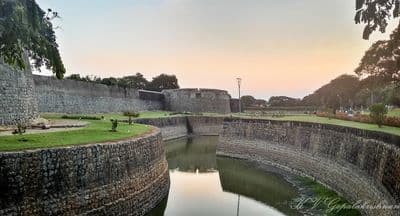
Palakkad Fort
Palakkad Fort (Tipu Sultan's Fort) is an 18th-century fortification in the heart of Palakkad town, Kerala. Its strategic location by the Palakkad Gap made it a key military stronghold controlling the main pass between Kerala and Tamil Nadu. The fort reflects the region's turbulent history — rebuilt and fortified by Hyder Ali in the 1760s and later associated with Tipu Sultan during the Anglo‑Mysore conflicts — and it remains one of the best-preserved examples of laterite military architecture in Kerala.
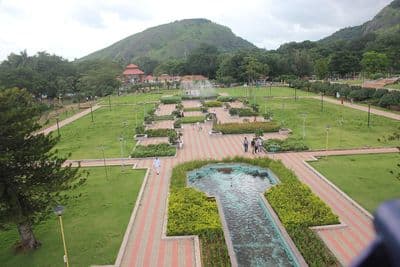
Malampuzha Dam and Gardens
Malampuzha Dam, constructed in the 1950s across the Malampuzha River (a tributary of the Bharathapuzha), is one of the major irrigation and water-supply projects in Kerala. The dam and its large reservoir transformed local agriculture and helped stabilize water supply for the Palakkad region. The adjoining Malampuzha Gardens are among Kerala's most popular landscaped public gardens, blending engineered reservoir scenery with designed recreational spaces and becoming a cultural landmark and favorite local getaway.
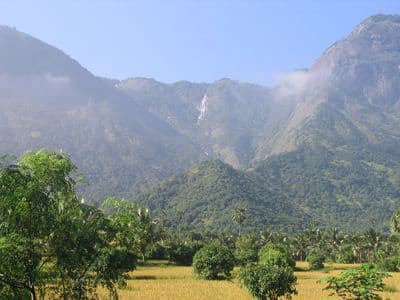
Nelliampathy
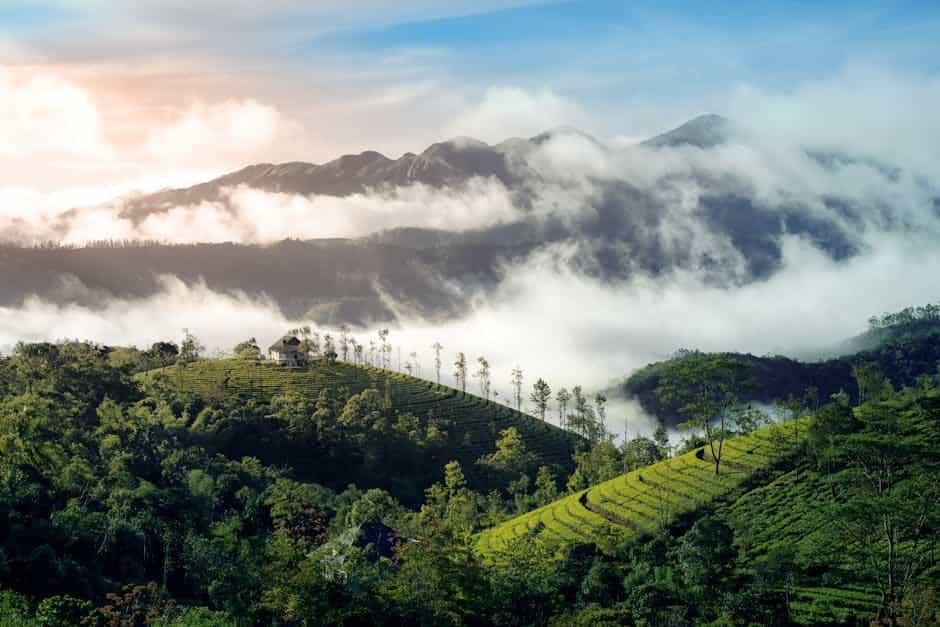
Nelliampathy (Nelliyampathy) is a scenic hill station in Palakkad district, Kerala, known primarily for its natural importance: extensive tea and coffee plantations, shola forests and rolling hills that support rich biodiversity. It is a quieter alternative to Kerala's more commercial hill stations, valued for cool climes, panoramic viewpoints and as a gateway to nearby wildlife and reservoir areas (Sholayar/Parambikulam region). The area also plays a role in the local agrarian economy through plantations and spice cultivation.
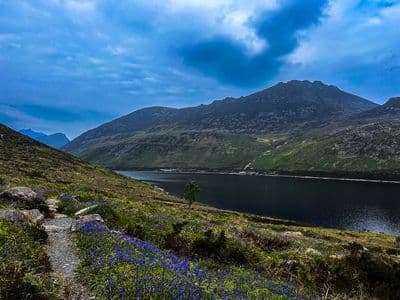
Silent Valley National Park
Silent Valley National Park is one of the last and best-preserved patches of tropical evergreen rainforest in the Western Ghats (a UNESCO World Heritage Site). It is a biodiversity hotspot that protects an array of endemic and endangered species, and serves as a critical watershed for the Kunthipuzha River. The park's ecological importance was nationally recognised after a high-profile environmental movement in the 1970s–1980s that prevented a proposed hydroelectric dam; the campaign led to the area's declaration as a national park in 1984, helping to shape modern conservation policy in India.
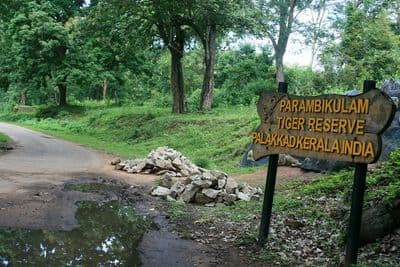
Parambikulam Tiger Reserve
Parambikulam Tiger Reserve is a keystone protected area in the Western Ghats of Kerala, recognized for its exceptional biodiversity and intact tropical evergreen and moist deciduous forests. The reserve forms part of a larger landscape corridor that supports wide-ranging species such as tiger, elephant and gaur, and plays a crucial role in watershed protection for rivers feeding into the region. It is also notable for community-based conservation and successful habitat-restoration and anti-poaching initiatives implemented by the forest department in collaboration with local communities and NGOs.