Places to visit in Kerala
Planning a trip to Kerala? Here is a complete guide to the best places to visit—from popular tourist attractions to offbeat spots you would not find in every guidebook. Get ready to explore, experience, and fall in love with Kerala!
Top 85 curated places to visit in Kerala
Kollam
Kollam (formerly Quilon) is an ancient port city on the Malabar Coast of Kerala with a history as a trading hub connecting the Arabian Sea, the Persian Gulf, China and Europe. It played an important role in the spice and cashew trade and was noted in Chinese, Arab and European maritime records. The city is the gateway to the Ashtamudi Lake backwaters, one of Kerala’s most important and scenic wetland ecosystems, and is a center for traditional industries such as coir, cashew processing and fishing. Kollam also has several historic colonial-era sites, temples and churches that reflect its multi-layered cultural past.
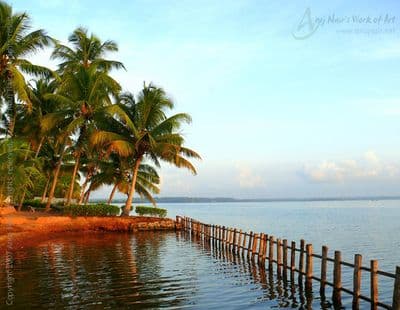
Ashtamudi Lake
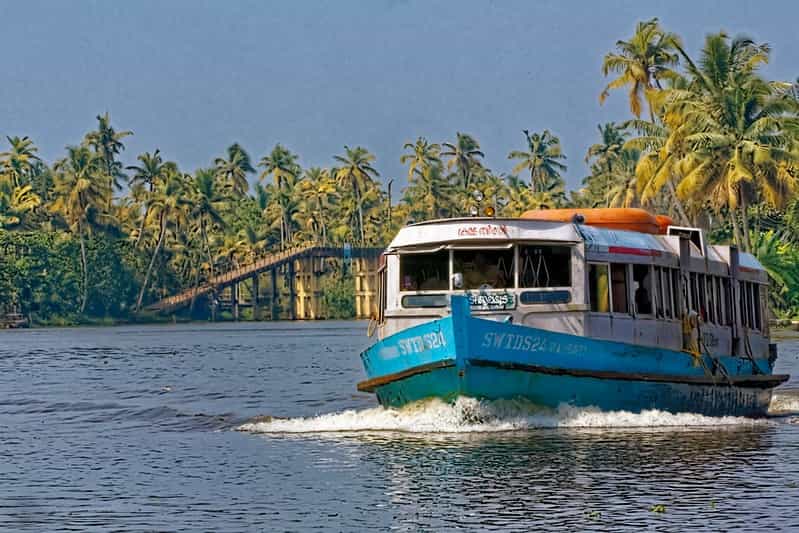
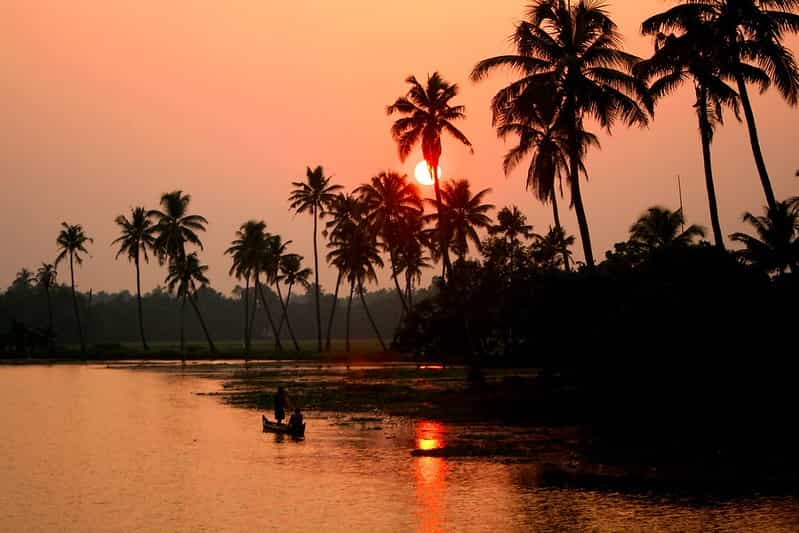
Ashtamudi Lake is the gateway to the Kerala backwaters and one of the most important wetland ecosystems in southern India. It is the second largest estuarine system in Kerala and was designated a Ramsar Wetland of International Importance. The lake historically sustained local fishing, coir and cashew industries and served as an inland waterway for trade. Its mix of brackish water, mangroves and canals supports rich biodiversity and livelihoods.
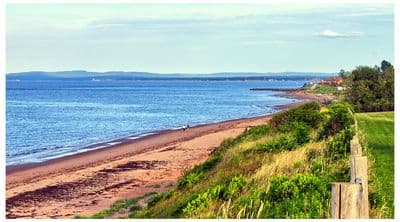
Munroe Island
Munroe Island (Munroethuruthu) is a small, scenic cluster of islands at the confluence of the Ashtamudi Lake and the Kallada River in Kollam district, Kerala. It is important for its unique backwater ecosystem, traditional village life, and historical links to the colonial era (named after Colonel John Munro, a British Resident and Diwan of Travancore). The island showcases rural Keralan livelihoods—coir making, inland fishing, and rice cultivation—within a fragile wetland environment.
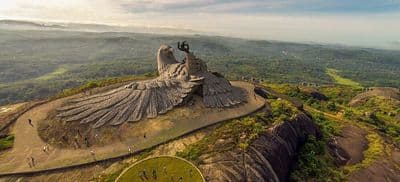
Jatayu Earth Center
Jatayu Earth Center (also called Jatayu Nature Park or Jatayupara) is a unique cultural and natural landmark in Chadayamangalam, Kerala. It houses one of the world's largest single-rock sculptures — the reclining bird figure of Jatayu from the Ramayana — blending mythology, contemporary art and eco-tourism. The site has boosted regional tourism, preserved local folklore, and created opportunities for adventure and nature-based recreation.
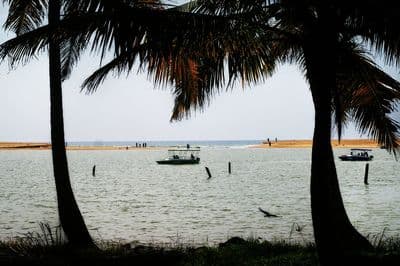
Poovar Backwaters
Poovar Backwaters are a unique natural estuarine ecosystem where the Neyyar River meets the Arabian Sea, creating an intermingling of river, lake and sea environments. The area is important for its mangrove forests, rich birdlife and coastal biodiversity, and supports traditional fishing communities whose livelihoods and culture are closely tied to the waterways. Poovar has grown in tourism importance as a quieter, more intimate backwater experience compared with the larger networks in central Kerala (like Alleppey), and it serves as a gateway to southern Kerala attractions such as Kovalam and the Neyyar Wildlife Sanctuary.
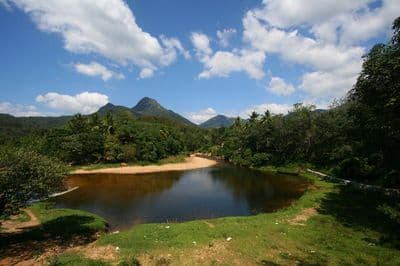
Ponmudi
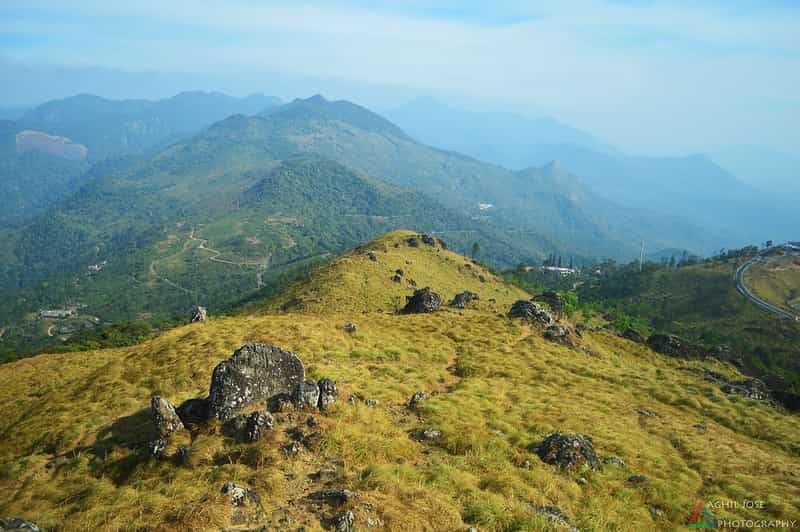
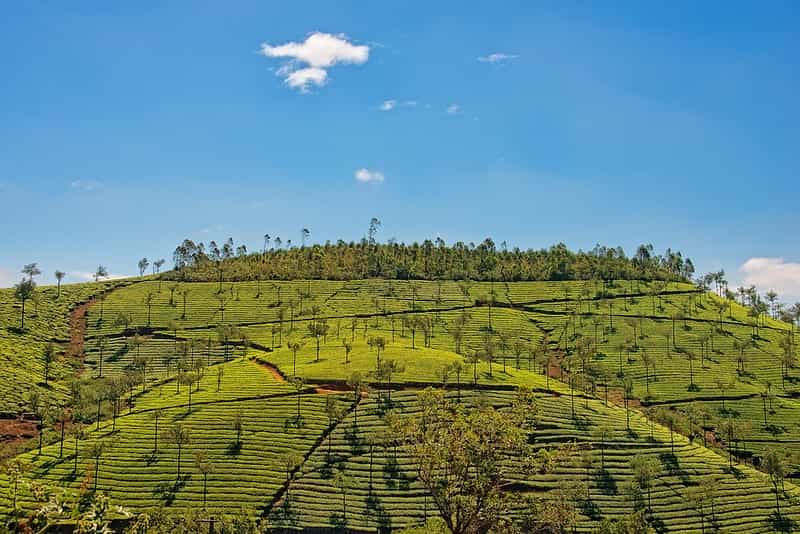
Ponmudi is a scenic hill station in the Western Ghats, located in Thiruvananthapuram district of Kerala. It is valued primarily for its natural importance: high-elevation grasslands, shola forests, and rich biodiversity including endemic flora and fauna. The area is part of ecologically sensitive Western Ghats and offers cooler climate and panoramic views, making it an important destination for nature lovers and researchers. Historically and culturally, Ponmudi is surrounded by small villages with traditional Kerala culture and nearby temples that reflect local customs.
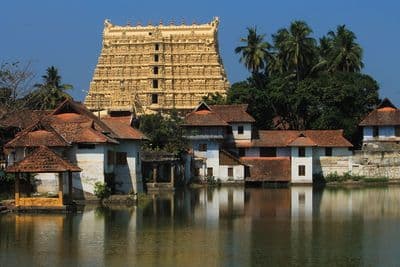
Sree Padmanabhaswamy Temple
Sree Padmanabhaswamy Temple in Thiruvananthapuram (Trivandrum), Kerala, is one of India’s most historically and culturally significant Hindu temples. Dedicated to Lord Vishnu in the reclining Ananta Shayana posture, it has been the spiritual and ceremonial center of the Travancore royal family for centuries. The temple is renowned for its unique blend of Kerala and Dravidian architectural elements, ancient murals, and ritual traditions. It gained global attention after the discovery of immense treasure in its underground vaults (2011), underlining its historical wealth and heritage value.
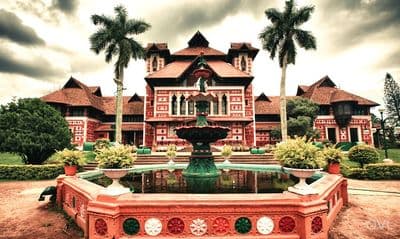
Napier Museum
The Napier Museum in Thiruvananthapuram (Trivandrum) is an important cultural and historical institution in Kerala, housing the royal collection of the Travancore rulers and an extensive natural history collection. Established in the 19th century and housed in an ornate building from the late 1800s, it showcases Kerala's art, sculpture, numismatics, and traditional crafts. The museum plays a key role in preserving the region's artistic heritage and educating visitors about Kerala's cultural past.
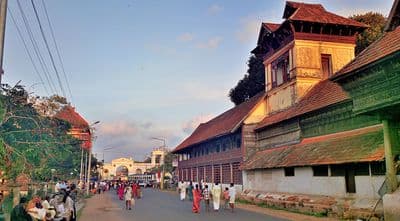
Kuthiramalika Palace Museum
Kuthiramalika Palace Museum (Puthen Malika), Thiruvananthapuram is a 19th-century royal mansion built by Maharaja Swathi Thirunal Rama Varma (r. 1829–1846). It is an important example of traditional Kerala 'nalukettu' architecture, constructed mostly of wood with intricate carvings, reflecting the art, culture and courtly life of the Travancore royal family. The museum preserves royal artifacts — musical instruments, costumes, paintings, manuscripts and ceremonial objects — offering insight into the princely state's cultural history and the life of a patron-composer king known for Carnatic and Hindustani compositions.
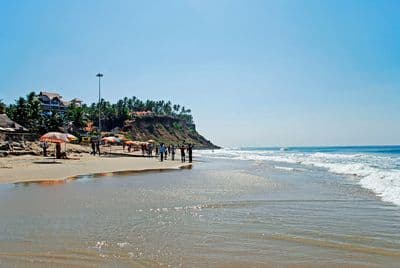
Varkala Beach
Varkala Beach (Papanasam Beach) is unique on the Malabar Coast for its dramatic coastal cliffs — the Varkala Cliff — overlooking the Arabian Sea. The area combines natural beauty (cliffs, mineral springs and sunset views) with cultural and religious significance: the ancient Janardanaswamy Temple (a major Vaishnava pilgrim site) and the spiritual center Sivagiri Mutt nearby. The beach is famed locally for its medicinal sands and the tradition of Papanasam (believed to wash away sins).
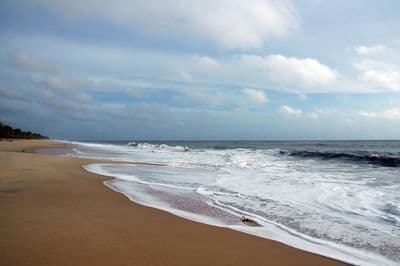
Marari Beach
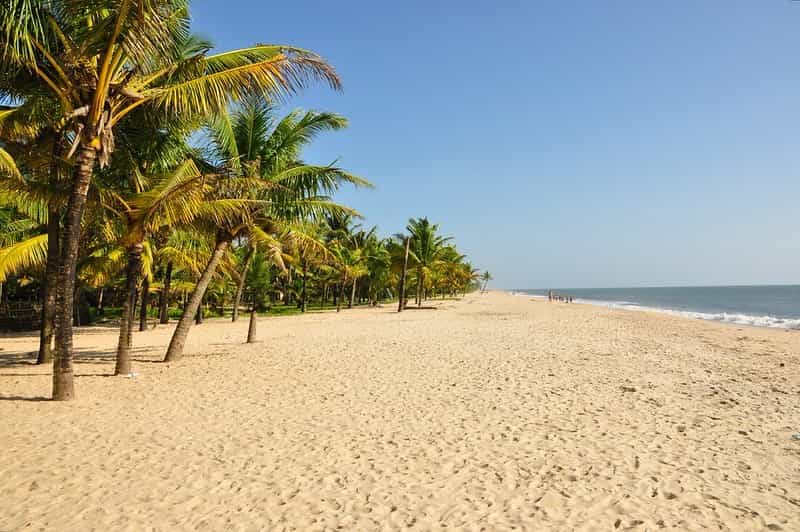
Marari Beach (Mararikulam) is a quiet coastal stretch in Alappuzha district of Kerala, representing traditional coastal life in Kerala. It forms part of the famed Kerala backwaters region and reflects the state's fishing culture, coconut farming, and coir-making heritage. The area supports a fragile coastal ecosystem — sandy beaches, shoreline vegetation and nearby backwater canals — and promotes low-key, community-based tourism rather than mass commercial development.
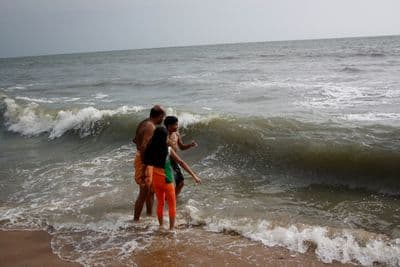
Cherai Beach
Cherai Beach (on Vypin/Cherai Island, near Kochi) is valued for its long sandy coastline, scenic backwaters and local fishing-community culture. It forms part of the coastal ecosystem of the Kerala coast and serves as a popular recreational and nature spot for residents and visitors to the Ernakulam/Kochi region.
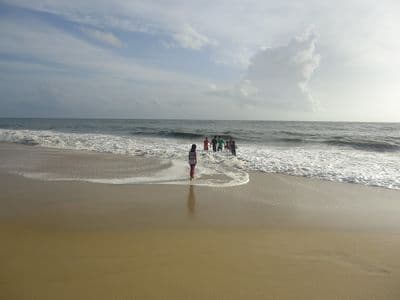
Mararikulam
Mararikulam is a coastal village in Alappuzha district, Kerala, known for its quiet, palm-fringed shoreline and traditional fishing-community lifestyle. It represents Kerala's backwater culture, demonstrating coastal ecology, artisanal fishing practices and simple rural living. The area is an increasingly popular spot for low-impact tourism, Ayurvedic retreats and experiencing Kerala's coastal food traditions.
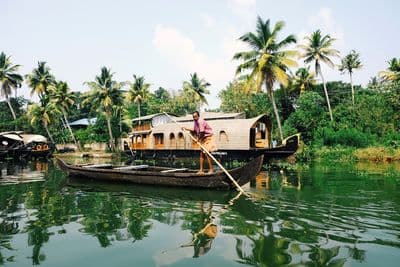
Kuttanad (Backwater Region)
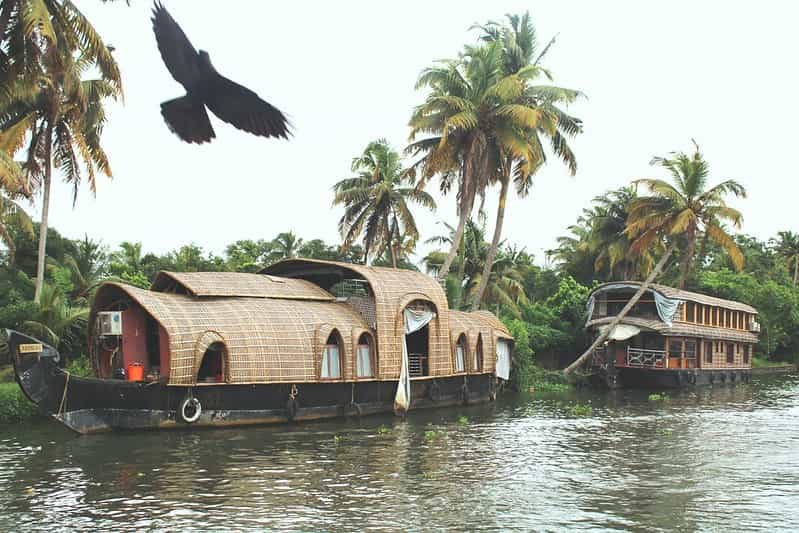
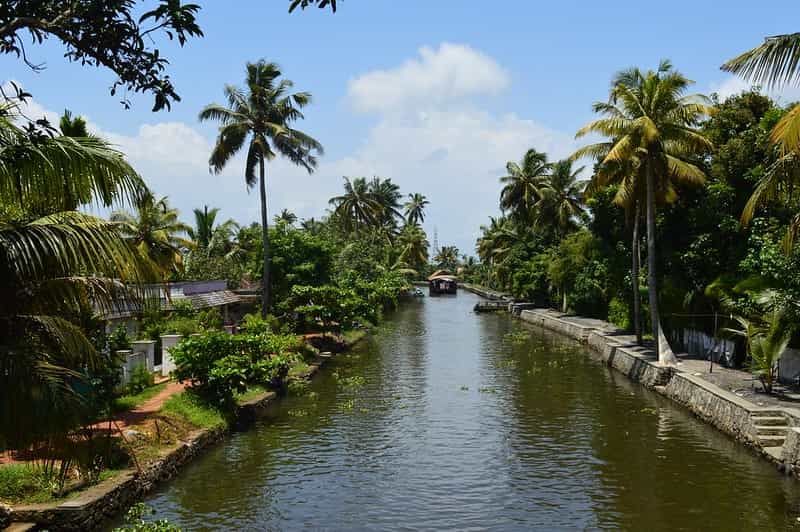
Kuttanad — the 'Rice Bowl of Kerala' is one of the few places in the world where farming is done below sea level. It is a culturally rich backwater region centered around the vast Vembanad Lake and an intricate network of canals, lakes and paddy fields. Kuttanad's landscape, traditional agrarian lifestyle, boat-building and fishing practices, and wetland ecosystems make it important both environmentally and culturally. The region supports unique wetland biodiversity (fish, migratory birds, and aquatic plants) and represents centuries-old water-management and farming techniques (bunds, polders) adapted to tidal and monsoon rhythms.
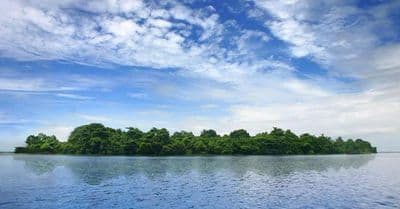
Pathiramanal Island
Pathiramanal is a small, ecologically rich island on Vembanad Lake in Kerala, India. It is primarily significant as a bird sanctuary and a biodiversity hotspot within the backwaters region. The island's mix of sandbanks, reeds, and mangrove-like vegetation supports resident and migratory bird species, making it important for conservation and nature study. It also forms part of the cultural landscape of the Kuttanad/Alappuzha backwater system, which is central to Kerala's fishing and boat-transport traditions.
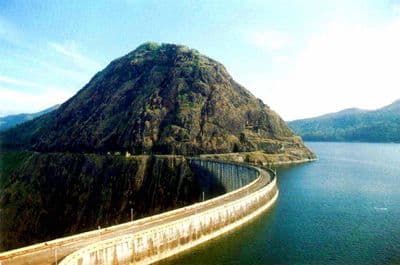
Idukki Arch Dam
Idukki Arch Dam is a landmark hydro-engineering structure in Kerala, built as part of the Idukki Hydroelectric Project. The dam harnesses the Periyar River to generate power that has played a crucial role in Kerala's post-independence industrial and social development. Sitting between two granite hills, the dam is also set in a rugged, scenic landscape that contributes to the region's ecological character and is adjacent to forested areas that support local biodiversity.
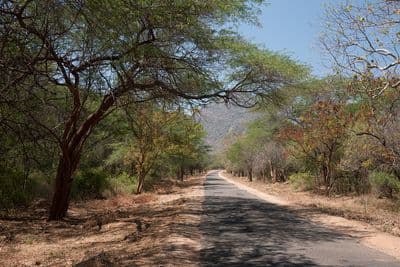
Chinnar Wildlife Sanctuary
Chinnar Wildlife Sanctuary (est. 1984) is a protected area in the rain-shadow region of the southern Western Ghats in Idukki district, Kerala. It preserves a unique dry deciduous, thorny scrub and riverine ecosystem that is distinct from the wet evergreen forests on the western slopes. The sanctuary is part of the broader Anamalai–Chinnar landscape and supports several threatened and endemic species, making it important for biodiversity conservation, ecological research, and landscape-level wildlife connectivity in the Western Ghats.
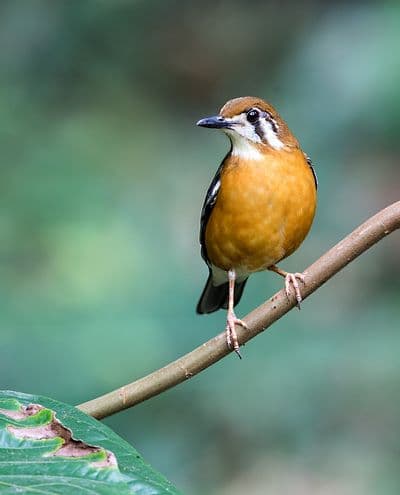
Thattekad Bird Sanctuary (Salim Ali Bird Sanctuary)
Thattekad Bird Sanctuary (Salim Ali Bird Sanctuary) is one of India's premier birding sites and an important biodiversity hotspot within the Western Ghats. Famous for its rich lowland evergreen forest, the sanctuary was identified and popularized by ornithologist Dr. Salim Ali, and it plays a key role in conservation, research and education on Western Ghats avifauna.
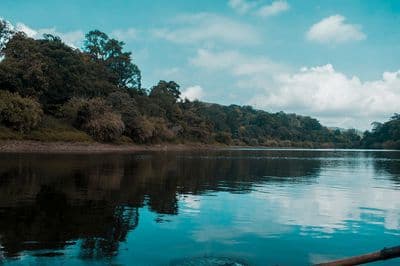
Gavi Eco-Tourism
Gavi is an ecotourism destination in the Ranni Reserve forests of Pathanamthitta district, Kerala, developed and managed by the Kerala Forest Development Corporation (KFDC). It is valued for its rich biodiversity, evergreen and semi-evergreen forests, and as a model of sustainable, community-focused eco-tourism. The area provides habitat to elephants, sambar, macaques, deer, and a wide variety of birdlife and medicinal plants, contributing to regional conservation and environmental education.
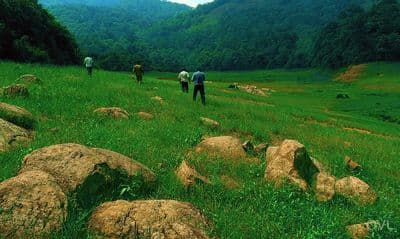
Thenmala
Thenmala is India's first planned eco-tourism destination, developed by the Kerala Forest Development Corporation. Located in the Western Ghats in Kollam district, it sits around the Thenmala Dam on the Kallada River and serves as a gateway to the Shendurney Wildlife Sanctuary. The area is important for conservation, rehabilitation of degraded forest landscape and for promoting sustainable tourism that benefits local communities and tribal settlements.