Places to visit in Gujarat
Planning a trip to Gujarat? Here is a complete guide to the best places to visit—from popular tourist attractions to offbeat spots you would not find in every guidebook. Get ready to explore, experience, and fall in love with Gujarat!
Top 100 curated places to visit in Gujarat
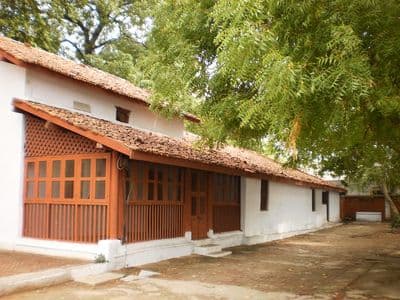
Ahmedabad
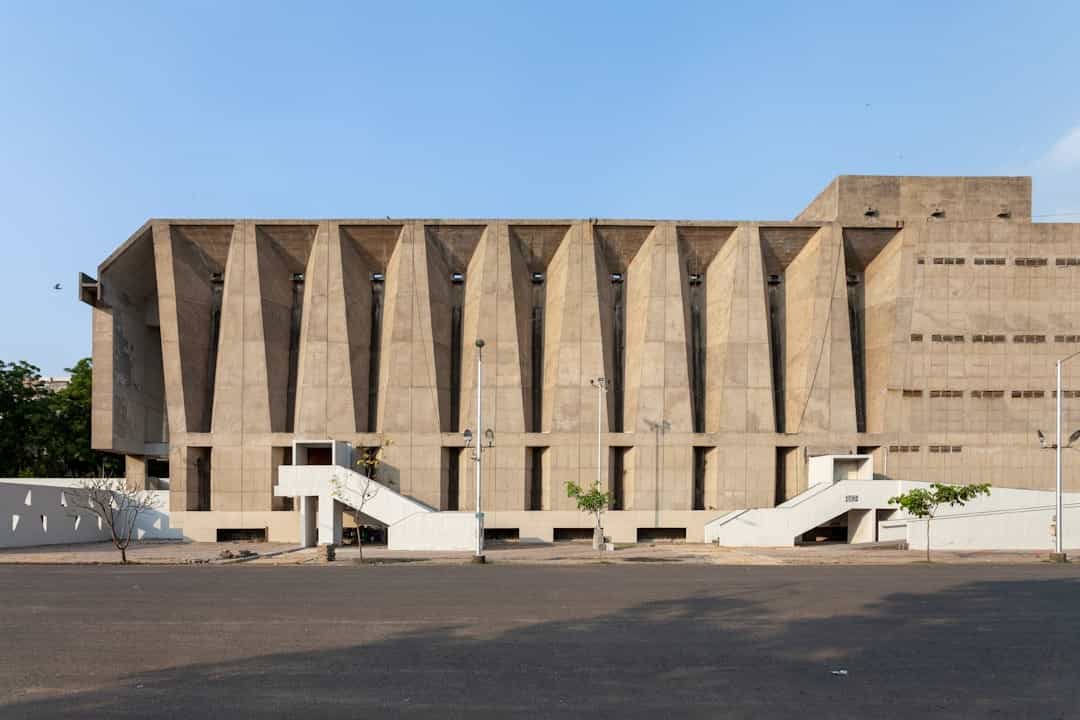
Ahmedabad (founded 1411 CE by Sultan Ahmad Shah) is one of India's major historic cities and was designated a UNESCO World Heritage City in 2017. It is important for its rich Indo-Islamic and Hindu architectural heritage, its role in the Indian freedom movement (Sabarmati Ashram was Mahatma Gandhi's base), and as a long-standing center of textile production — often called the Manchester of India. The city also blends traditional craft and contemporary urban development (e.g., Sabarmati Riverfront), making it a living example of evolving urban heritage.
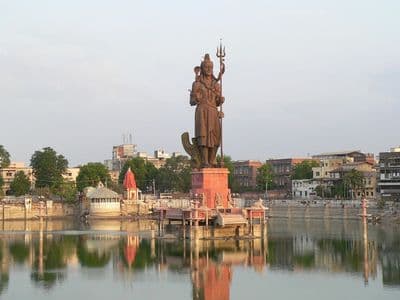
Vadodara
Vadodara (Baroda) is the cultural and educational heart of Gujarat with a rich heritage under the Gaekwad dynasty. Renowned for the imposing Lakshmi Vilas Palace, progressive rulers like Sayajirao Gaekwad III, and institutions such as Maharaja Sayajirao University (MSU), Vadodara blends Indo-Saracenic architecture, museums, gardens, and a thriving arts scene. The city sits close to the Champaner-Pavagadh Archaeological Park (UNESCO World Heritage Site), adding archaeological significance.
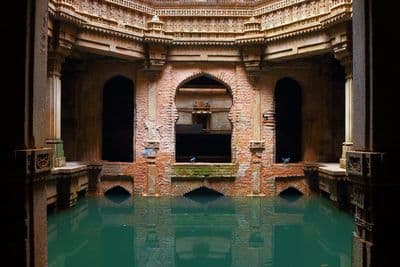
Gandhinagar
Gandhinagar is the planned capital city of the state of Gujarat, India, established after the formation of the state in 1960 and named in honour of Mahatma Gandhi. As a modern administrative centre it houses the state's legislature, government offices and many public institutions. The city is also a gateway to several historical and natural sites in the region, blending planned urban design with religious, cultural and ecological attractions.
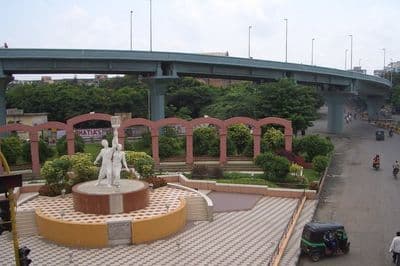
Surat
Surat is a historic port city on the banks of the Tapi River and was one of India’s most important trading and shipbuilding centers from the 16th to 18th centuries. It prospered under the Mughal Empire and later became an important hub for European traders including the Portuguese, Dutch and British. Today Surat is an industrial powerhouse known globally for diamond cutting and polishing and for its large textile industry, earning nicknames such as the "Diamond City" and a major textile manufacturing center in India. The city also has cultural significance in Gujarati cuisine and festivals, and natural attractions along the Tapi River and nearby coastal areas.
Rajkot
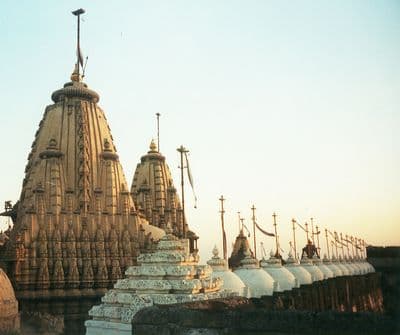
Rajkot is a major city in the Saurashtra region of Gujarat, India, and is an important cultural, commercial and administrative centre. Historically it was the capital of the Rajkot princely state and later developed into a regional hub for education, trade and governance. Culturally Rajkot is known for its strong links to the independence movement (notably, the childhood home of Mahatma Gandhi), traditional Kathiawadi cuisine, and vibrant folk arts. Naturally, it serves as a gateway to scenic and sacred sites such as Girnar Hills and is within reach of Saurashtra's coastal and wildlife attractions.
Bhuj
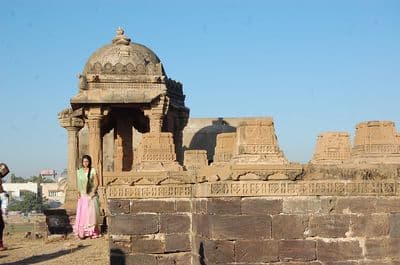
Bhuj is the historic administrative and cultural heart of Kutch district. It was the capital of the princely state of Kutch ruled by the Rao dynasty and is home to historic palaces and museums such as Aina Mahal and Prag Mahal. The city is an important center for traditional Kutchi arts, textiles (bandhani, ajrakh), embroidery and handicrafts, making it a living repository of regional craftsmanship. Natural significance comes from its proximity to the Great Rann of Kutch — one of the world's largest salt marshes — and nearby unique ecosystems like the Banni grasslands and Chari-Dhand wetlands.
Junagadh
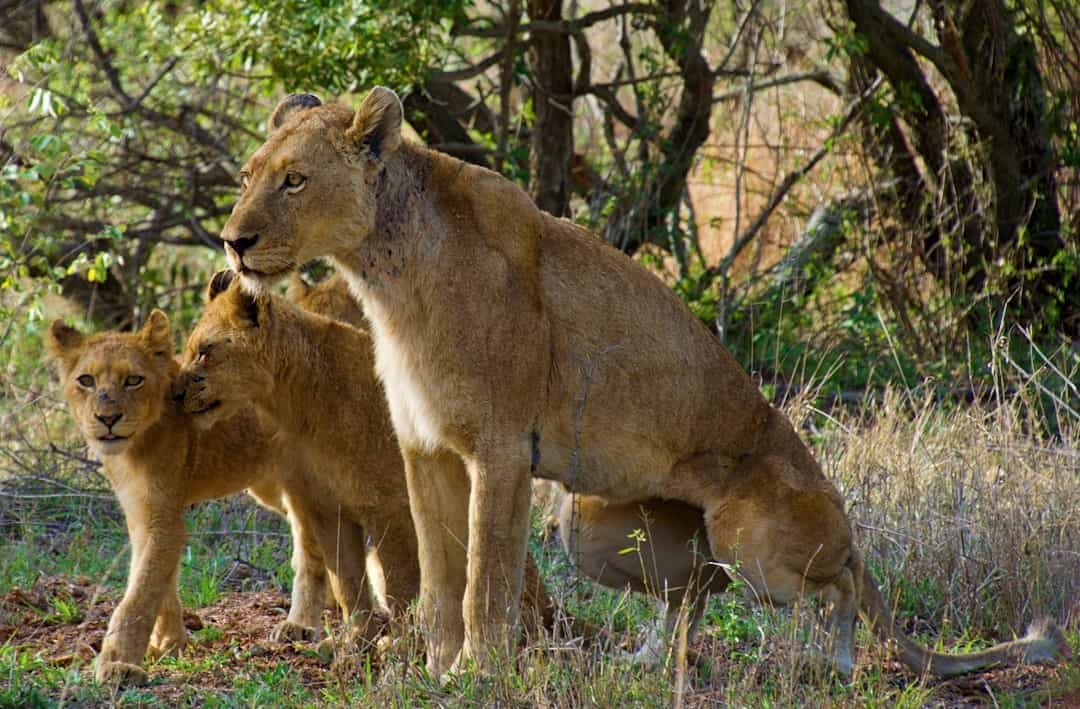
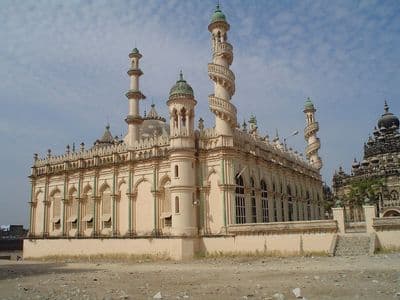
Junagadh is a historic city in Gujarat's Saurashtra region, notable for its layered heritage spanning ancient Buddhist and Jain sites, medieval forts and Islamic-era monuments, and proximity to unique natural landscapes. It sits at the foothills of the sacred Girnar range and historically served as a cultural and administrative center. The area is also the gateway to Gir Forest National Park, the last refuge of the Asiatic lion, making Junagadh important for both cultural tourism and wildlife conservation.
Jamnagar
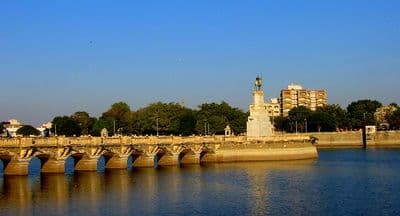
Historical: Jamnagar was the seat of the former princely state of Nawanagar and retains palaces, forts and urban fabric from that era, notably Lakhota Palace and Museum. Cultural: The city is a center for traditional Gujarati crafts—especially bandhani (tie-dye) textiles—and preserves vibrant temple-centered devotional life (notably the Bala Hanuman Temple). Natural: Located on the Gulf of Kutch, Jamnagar is gateway to the Marine National Park and nearby islands and coral reefs, and hosts important bird habitats such as Khijadiya Bird Sanctuary.
Porbandar
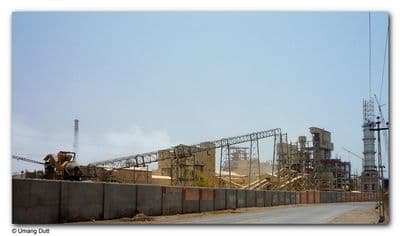
Porbandar is a coastal city in Saurashtra, Gujarat, best known as the birthplace of Mahatma Gandhi (2 October 1869). Historically a maritime and trading port on the Arabian Sea, Porbandar played a role in regional trade and local princely state history. The city combines historical, cultural and natural importance — from Gandhian heritage sites to coastal ecosystems and nearby wildlife areas.
Dwarka
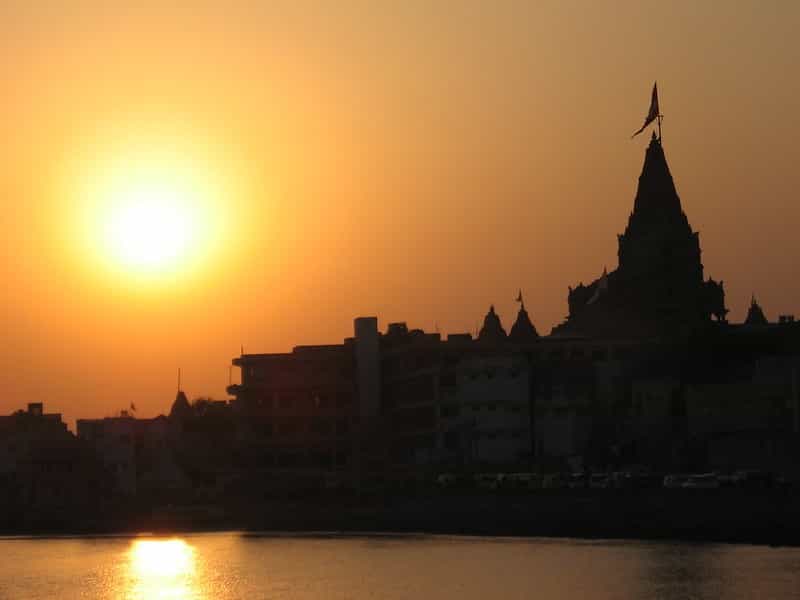
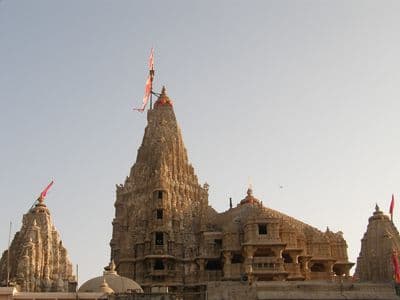
Dwarka is one of India’s oldest cities and a major Hindu pilgrimage site. It is traditionally considered the ancient kingdom of Lord Krishna, and is listed among the Sapta Puri (seven holy cities) and one of the Char Dhams. Historically it features in the Mahabharata and other Puranic texts. Archaeological and marine explorations around the Gulf of Kutch and Bet Dwarka have found sub-surface structures and artifacts suggesting ancient habitation and maritime activity. The city is culturally important for Vaishnavite traditions and hosts rituals, classical music and dance performances tied to Krishna devotion.
Patan
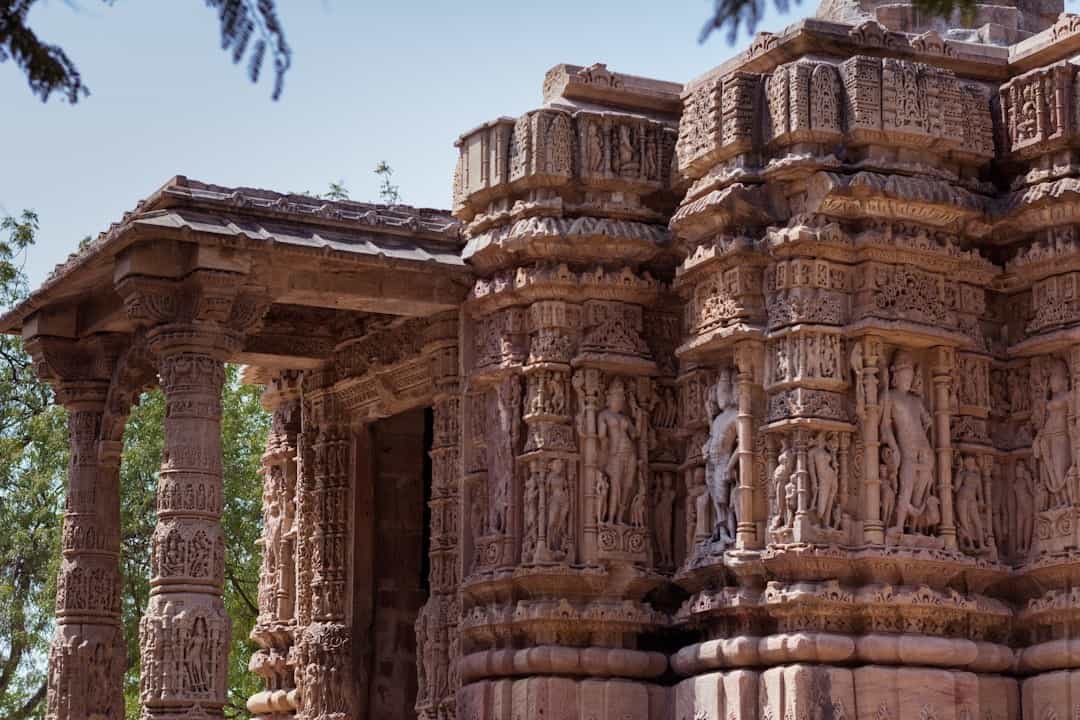
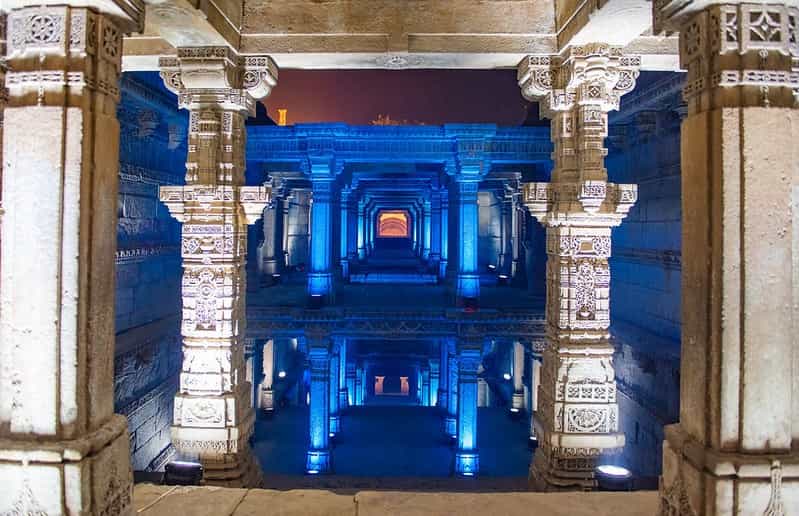
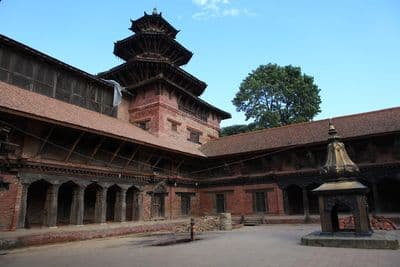
Patan (ancient Patan or Anhilwara) was an important medieval capital of the Chaulukya (Solanki) dynasty and a major centre of learning, architecture and crafts in Gujarat. It is best known for the extraordinary stepwell architecture of Rani ki Vav (a UNESCO World Heritage Site), and for its centuries-old tradition of elite double-ikat silk weaving — the famous Patan Patola. Patan's heritage reflects a mix of Hindu and Jain cultural influences and outstanding stone-carving and textile craftsmanship.
Kutch
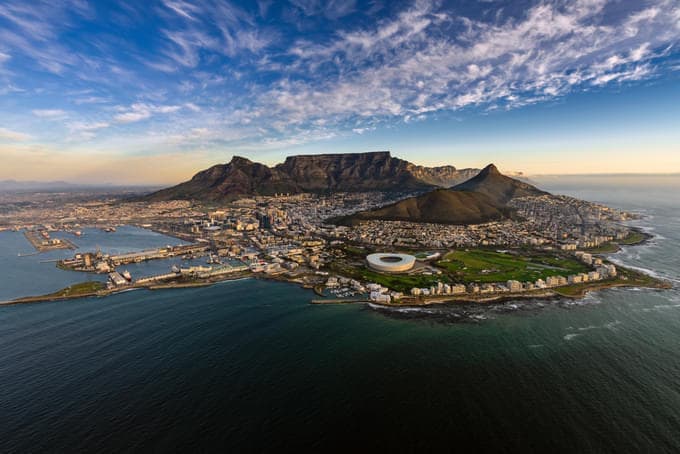
Kutch is a region of high historical, cultural and natural importance: it hosts the Harappan archaeological site of Dholavira, centuries-old trading and maritime heritage along its coast, and a rich tapestry of tribal cultures (Kutchi, Rabari, Koli and others). Ecologically Kutch includes the Great Rann of Kutch — one of the world’s largest salt deserts — the Banni grasslands and unique saline wetlands that support diverse wildlife and migratory birds.
Great Rann of Kutch (White Desert, Dhordo)
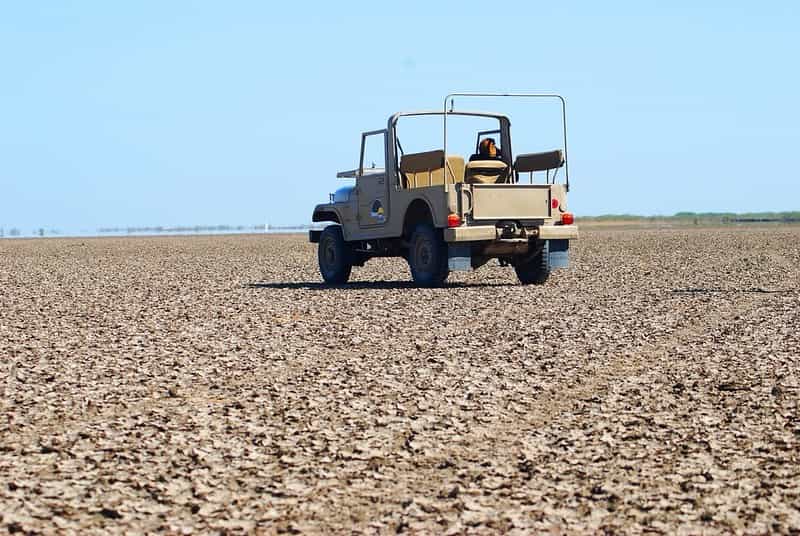
Great Rann of Kutch is one of the largest salt deserts in the world and a unique natural landscape in western India. It has ecological importance as a seasonal wetland supporting migratory birds and local saline-adapted flora and fauna. Culturally and historically, the Rann is central to Kutchi identity—home to vibrant tribal communities (Banni, Rabari, Maldhari) with distinctive crafts, music and architecture. The area has also long been part of historic trade and salt-harvesting routes. The Dhordo area has been developed as a tourism hub (Rann Utsav) to showcase the landscape and Kutchi culture.
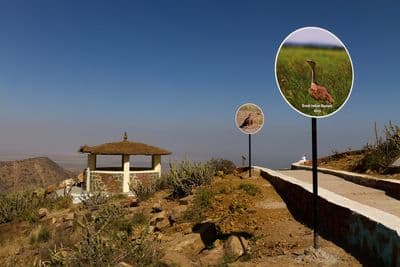
Kalo Dungar (Black Hill)
Kalo Dungar (Black Hill) is the highest point in the Kutch district of Gujarat and an important natural vantage that offers sweeping views over the Great Rann of Kutch. It is both a geological landmark (a rocky outcrop rising above the surrounding salt flats) and a culturally significant site because of the small temple complex and local pilgrim activity. Its position near the India–Pakistan border also gives it strategic and observational importance.
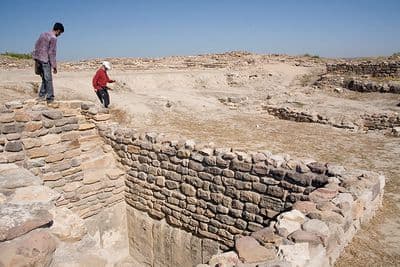
Dholavira (UNESCO World Heritage Site)
Dholavira is one of the most prominent and best-preserved urban settlements of the Harappan (Indus Valley) Civilization, dating from around 3000–1500 BCE. Located on Kutch island in Gujarat, it demonstrates advanced town planning, water conservation systems, and unique architectural features that reflect the socio-economic and engineering achievements of the Indus people. Its discovery expanded understanding of the geographic spread and diversity of Harappan urbanism, especially in semi-arid environments.
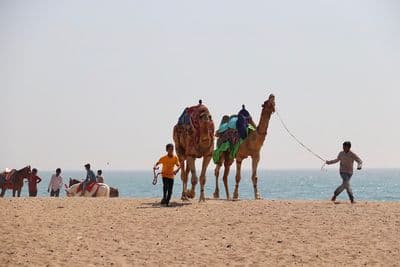
Mandvi Beach
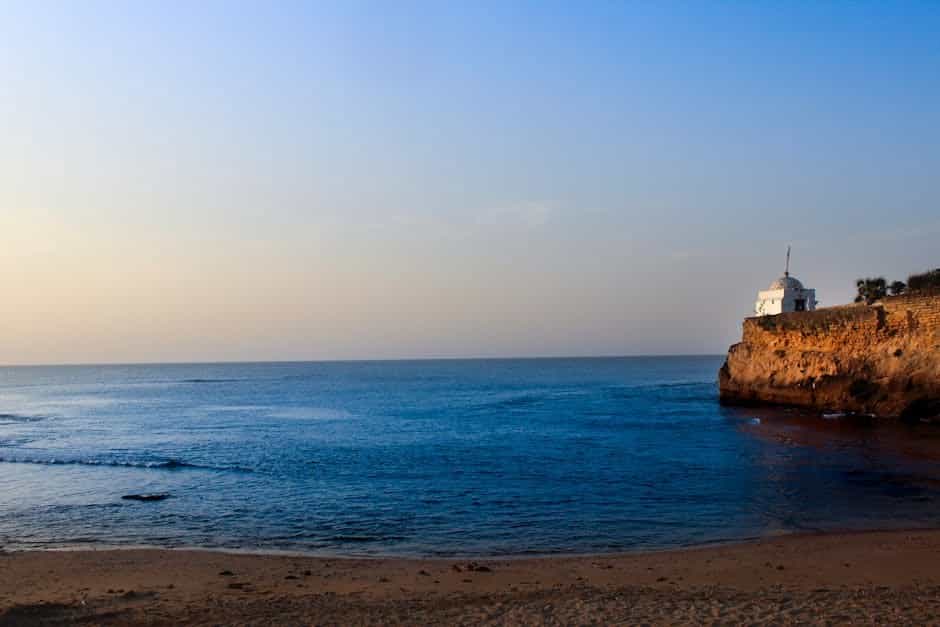
Mandvi Beach (Kutch, Gujarat) is a long sandy shore on the Arabian Sea historically tied to the old port town of Mandvi and a centuries‑old tradition of wooden shipbuilding (local dhow yards). The nearby Vijay Vilas Palace — the former summer palace of the Maharao of Kutch — adds architectural and cultural interest. Natural significance includes its broad sandy beach, dunes, coastal vegetation and seasonal birdlife; the shoreline is also a calm coastal stretch popular for sunset viewing.
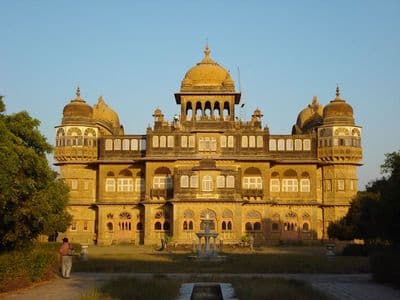
Vijay Vilas Palace
Vijay Vilas Palace, located near Mandvi in Kutch district of Gujarat, is a seaside royal palace built in the early 20th century as a summer residence for the ruling family of Kutch. It is valued for its architectural fusion of Rajput, Mughal and regional Gujarati styles, its landscaped gardens, and its rare seaside setting that combines cultural heritage with coastal scenery.
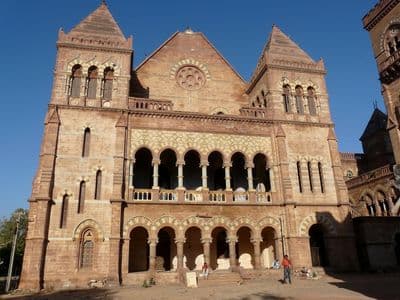
Prag Mahal
Prag Mahal in Bhuj, Gujarat, is a 19th-century palace built between 1865 and 1879 by Rao Pragmalji II and designed by British architect Colonel Henry Saint Wilkins. It stands as an important example of Indo-European (Italian Gothic) architecture in India and reflects the princely state's wealth and the colonial-era influences on local rulers. The palace symbolizes the historical legacy of the Jadeja dynasty and their patronage of arts and architecture.
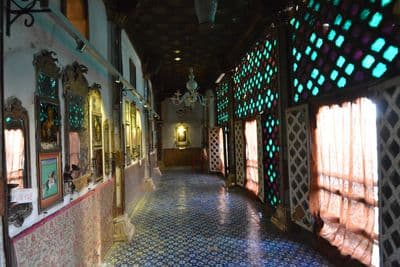
Aina Mahal (Bhuj Museum)
Aina Mahal (Hall of Mirrors), Bhuj is an 18th‑century palace and museum that showcases the artistic and cultural wealth of the former rulers of Kutch. Built during the reign of Rao Lakhpatji, the structure is a fine example of Indo-European architecture and royal court design in Gujarat. The Mahal originally served as a royal residence and court and now houses the Bhuj Museum collection — including mirrors, glasswork, carved wood panels, rare clocks, manuscripts, and traditional arms and costumes — making it an important repository of Kutch's material heritage.
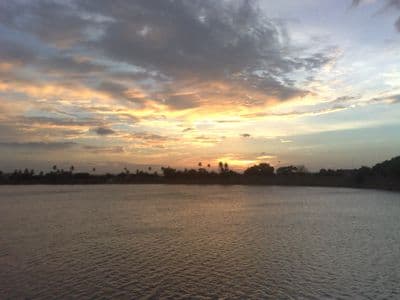
Hamirsar Lake
Hamirsar Lake is a historic man-made lake located in the heart of Bhuj, Kutch (Gujarat). It serves as an urban oasis and community focal point, reflecting the region's traditional water-management and town-planning practices. The lake and its surrounding promenade are an important cultural gathering place for residents and visitors, blending natural scenic value with local history.