Places to visit in Gujarat
Planning a trip to Gujarat? Here is a complete guide to the best places to visit—from popular tourist attractions to offbeat spots you would not find in every guidebook. Get ready to explore, experience, and fall in love with Gujarat!
Top 100 curated places to visit in Gujarat

Gira Waterfalls (Waghai)
Gira Waterfalls is a scenic natural cascade in the Dang district near Waghai in southern Gujarat. It is valued for its lush forest setting in the Western Ghats foothills and as a local picnic and nature-spot for residents and visitors. The falls contribute to the region's biodiversity and form part of the riverine systems that nourish nearby forests and agricultural land.
Vansda National Park
Natural importance: Vansda National Park is a small but biodiverse protected area in southern Gujarat, conserving tropical deciduous and semi-evergreen forest typical of the Western Ghats' northern fringes. It serves as an important green corridor in the Dangs–Vansda landscape and supports a variety of mammals, birds, reptiles, and plant species, many of which are locally significant for ecology and tribal livelihoods.
Cultural importance: The park lies in a region with several Adivasi (tribal) communities whose traditional knowledge and cultural ties to the forest contribute to local conservation values and folklore.
Tithal Beach
Tithal Beach is a popular coastal spot on the Arabian Sea near Valsad in southern Gujarat. Known for its characteristic black sand and gentle shoreline, the beach is an important local recreation area and a gathering place for families from Valsad and nearby towns. It also supports local fishing communities and is part of the coastal landscape of south Gujarat.
Dumas Beach
Dumas Beach, near Surat in Gujarat, is a popular Arabian Sea shoreline known for its distinctive black sand and its long history as a local picnic and recreation spot. The beach is located close to traditional cremation grounds, which has given it cultural significance in local folklore and funeral practices. Naturallly, the beach's coastal ecosystem and scenic sunsets make it an important local natural attraction.
Thol Lake Bird Sanctuary
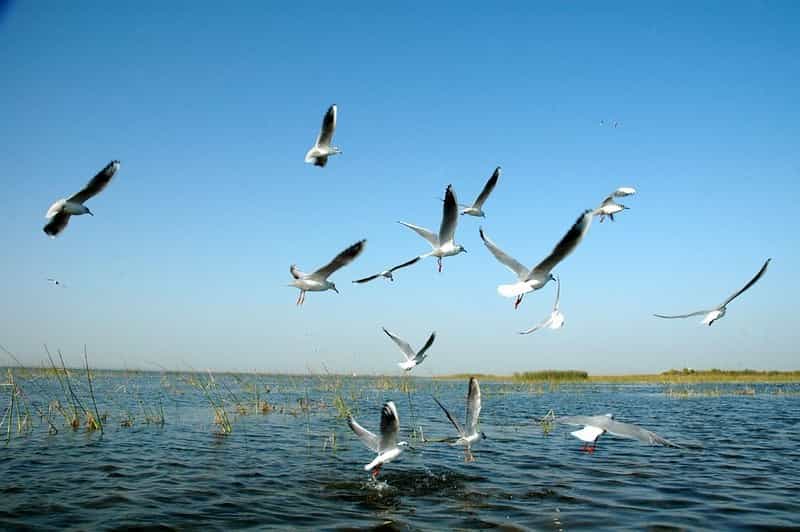
Thol Lake Bird Sanctuary is an important man-made wetland and protected area near Ahmedabad, Gujarat. Created around an irrigation reservoir, the sanctuary has become a key staging, feeding and breeding ground for a wide variety of resident and migratory waterbirds. It plays an important role in local biodiversity conservation, supports wetland-dependent species and provides opportunities for environmental education and community-based nature tourism.
Nal Sarovar Bird Sanctuary
Nal Sarovar Bird Sanctuary is one of the largest natural wetlands in Gujarat and an important wintering ground for migratory waterfowl. Declared a bird sanctuary in 1969, Nal Sarovar supports a rich wetland ecosystem—marshes, shallow lakebeds and reed beds—that sustains hundreds of bird species and local fisheries, and contributes to regional biodiversity and livelihoods.
Taranga Jain Temple
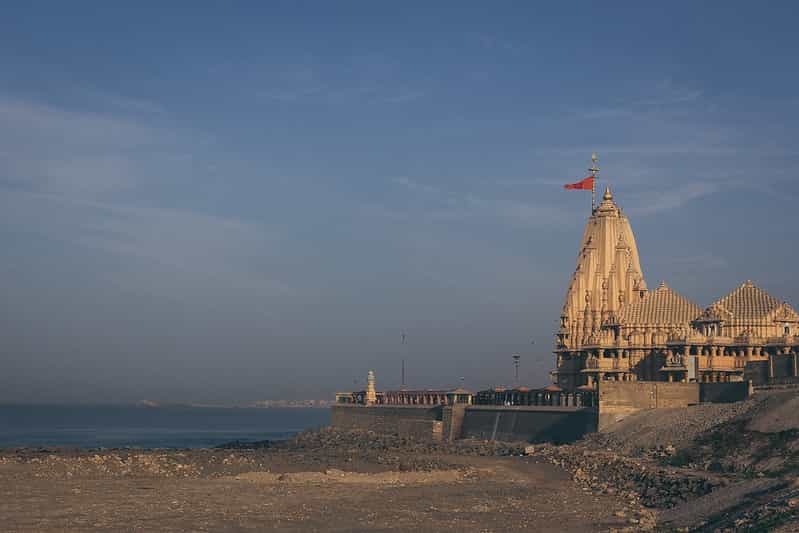
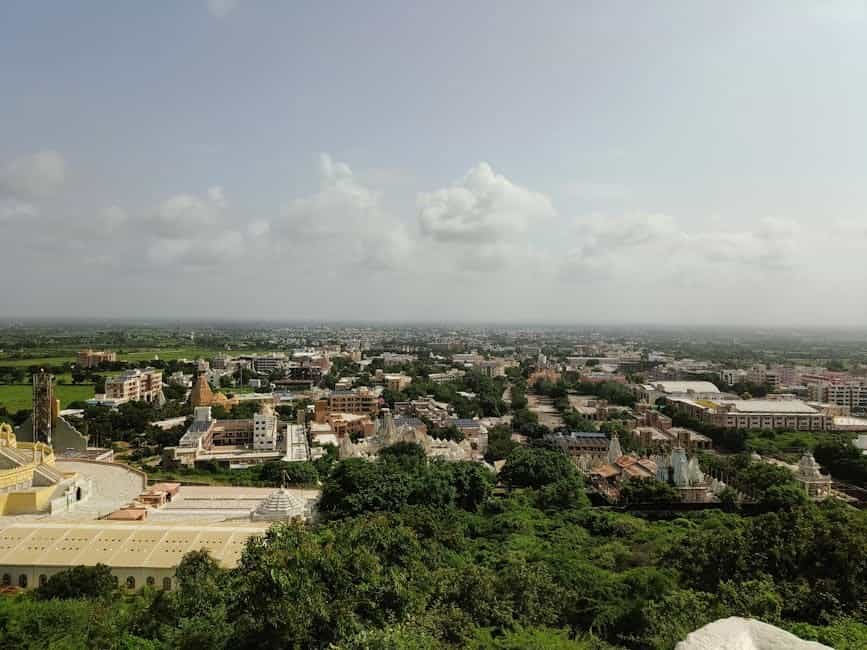
Taranga Jain Temple (Taranga Tirth) is one of Gujarat's important Digambara Jain pilgrimage complexes located on Taranga Hill in northern Gujarat. The hill-top group of temples dates mainly to the medieval period (notably the 11th–13th centuries) and reflects the region's rich Jain architectural and devotional traditions. The site has long been associated with royal patronage from the Solanki period and later patrons; historically it served as a major spiritual centre for Jains in Gujarat and western India. The temple complex combines religious significance with scenic hilltop views and ancient stone inscriptions that document the area's religious history.
Polo Forest (Vijaynagar Forest)
Polo Forest (Vijaynagar Forest) is a unique combination of natural and archaeological significance. The area contains the ruins of the medieval Vijaynagar settlement — a cluster of stone temples and structures dating from around the 10th–15th centuries — set within a dry deciduous forest along the Harnav river. The fusion of ancient temple architecture and rich biodiversity makes Polo Forest important for both heritage conservation and ecological study.
Ambaji Temple
Ambaji Temple (Shri Ambaji Mata Temple) is one of the most important Shakti (Goddess) shrines in western India and is traditionally regarded as one of the 51 Shakti Peethas of the Indian subcontinent. The temple attracts devotees from Gujarat, Rajasthan and neighboring states and has been a focal point for Shaktism, pilgrimage and local culture for many centuries. The site on Gabbar hill combines religious importance with scenic hill-top views and landscape typical of the Aravalli outcrops in the region.
Gabbar Hill (Ambaji)
Gabbar Hill (Ambaji) is a sacred granite hill in Banaskantha district of Gujarat, dominated by the famous Ambaji Temple—one of the important Shakti shrines in western India. The site is a major Hindu pilgrimage destination, attracting devotees of the Goddess (Amba) and followers of Shakti tradition. The hill also forms part of the rocky outcrops of the region, offering scenic views and a natural setting that enhances its spiritual atmosphere.
Vadnagar Heritage Town
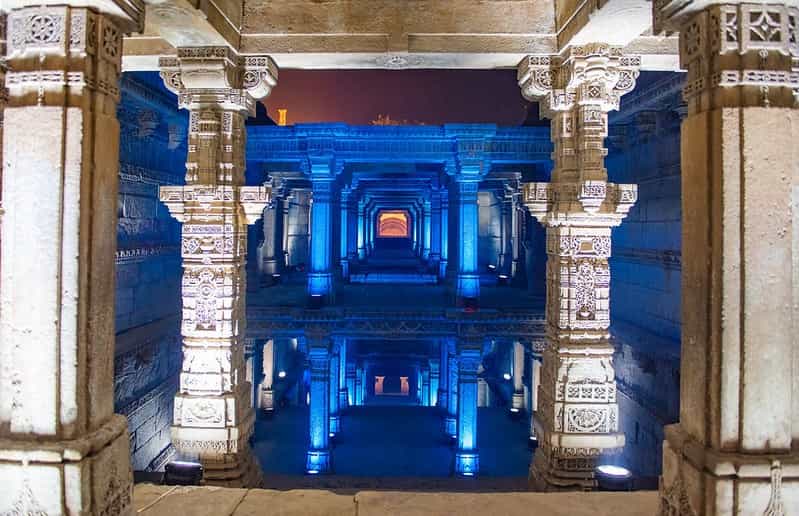
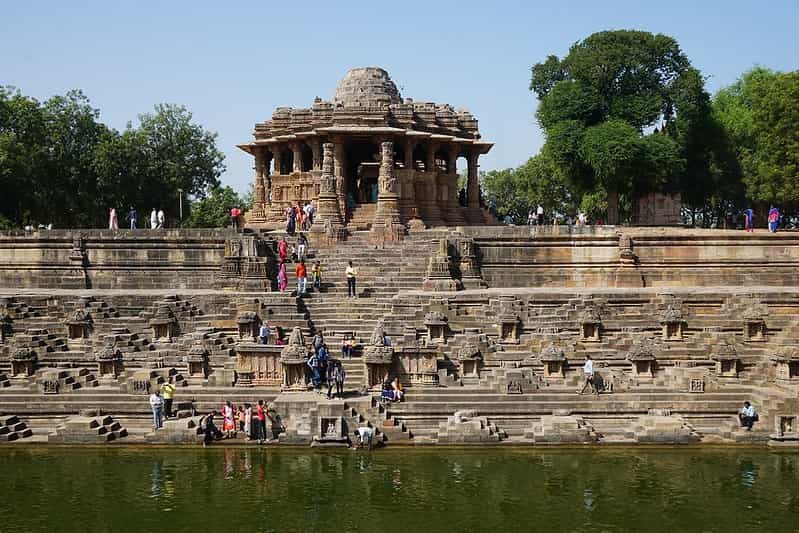
Vadnagar is an ancient town in Mehsana district, Gujarat, with continuous habitation and a layered past that spans pre-medieval, medieval and modern periods. Archaeological excavations have revealed remains from early historic and medieval phases, including Buddhist-era structures, fortified town elements and temple complexes. The town has been an important local cultural and trading center for centuries, and its compact old town with narrow lanes, historic gateways and stepwells reflects traditional Gujarati town planning. Vadnagar is also widely known as the birthplace and childhood hometown of India's Prime Minister Narendra Modi, which has increased contemporary interest in the town.
Seema Darshan – Indo-Pak Border, Nadabet
Seema Darshan at Nadabet is a border viewing point on the India–Pakistan frontier in Kutch district, Gujarat. It is significant as a site where civilians can witness the daily military flag-lowering and ceremonial drill that symbolise national sovereignty and cross-border vigilance. The spot highlights the geopolitical history of the region and the role of the armed forces in securing India’s western boundary.
Indian Wild Ass Sanctuary, Little Rann of Kutch
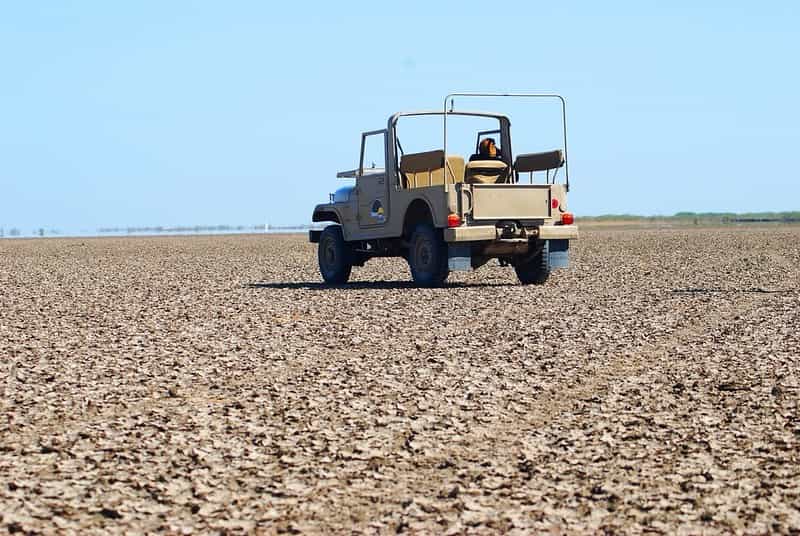
Indian Wild Ass Sanctuary (Little Rann of Kutch) is one of Gujarat's most important protected areas, established in 1973 to conserve the Indian wild ass (Equus hemionus khur). It protects a rare saline desert–wetland ecosystem (the Little Rann) and its adjoining Banni grasslands, supporting unique flora and fauna and a seasonal influx of migratory birds. The sanctuary is a conservation success story — the khur population recovered through targeted protection measures — and it plays an important role in local pastoralist (Maldhari) culture and livelihood.
Little Rann of Kutch
Little Rann of Kutch is a unique saline marsh ecosystem in Gujarat, India, internationally important as the core of the Indian Wild Ass Sanctuary and as a seasonal wetland that supports large numbers of migratory and resident birds. It also sustains traditional pastoral livelihoods (the Banni grasslands and salt workers) and plays a key role in regional biodiversity conservation and local economies.
Bhalka Tirtha
Bhalka Tirtha is a sacred Hindu pilgrimage site in Gujarat associated with Lord Krishna's final days on earth. According to tradition, it is where Krishna was accidentally struck by an arrow fired by a hunter named Jara, leading to his departure from the terrestrial world. The site is revered for its strong religious and cultural significance among Vaishnavas and pilgrims visiting the Dwarka region.
Sidi Bashir Mosque (Shaking Minarets)
Sidi Bashir Mosque (also called Jama Masjid Sidi Bashir) is a medieval mosque in Ahmedabad, Gujarat, India, built in the 15th-16th centuries during the Gujarat Sultanate. Its most notable features are the two 'shaking' or 'vibrating' minarets, remarkable examples of Indo-Islamic architecture and engineering. The mosque represents the synthesis of Islamic architectural forms with local craftsmanship and stone carving traditions. It is historically significant as part of Ahmedabad's rich heritage of Sultanate-era monuments and contributes to the city's cultural landscape.
Science City, Ahmedabad
Science City, Ahmedabad is one of India's prominent science centres aimed at promoting public understanding of science and technology. Established to provide interactive, experiential learning outside the classroom, it plays an important educational and cultural role for Gujarat and western India by hosting exhibitions, workshops, and outreach programs that engage students, families, and educators.
Lothal Archaeological Site (Indus Valley Civilization)
Lothal is one of the prominent urban centres of the Indus Valley Civilization (c. 2600–1900 BCE). Located in present-day Gujarat, it contains one of the world's earliest known engineered dockyards, evidence of sophisticated urban planning (grid layout, drainage), standardized weights and measures, specialized craft industries (bead-making, metallurgy) and long-distance maritime trade connections with Mesopotamia. The site is crucial for understanding Harappan maritime commerce and craft production.
Kutch Desert Wildlife Sanctuary
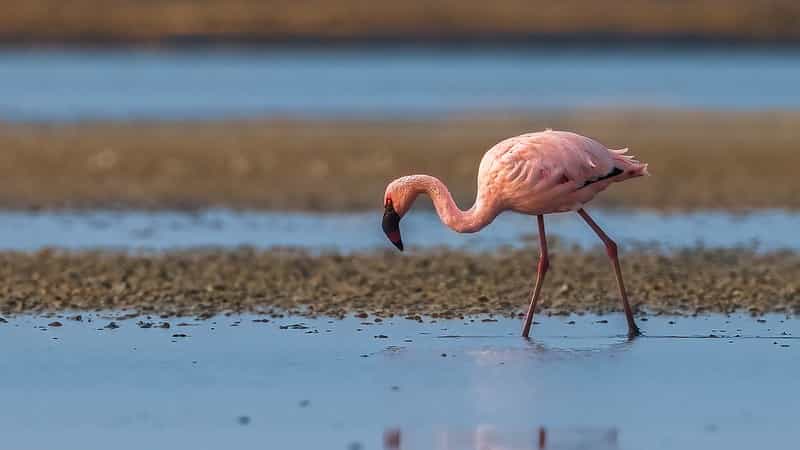
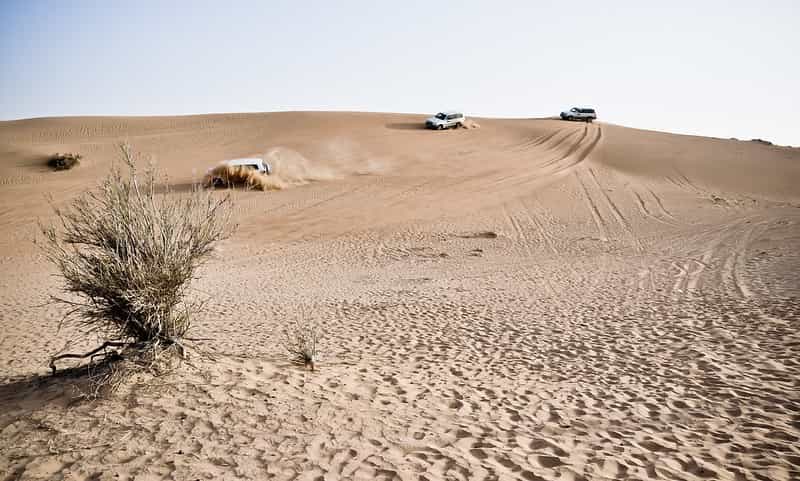
The Kutch Desert (part of the Great Rann of Kutch) is a unique seasonal salt marsh and one of the largest salt deserts in the world. It is important ecologically as a habitat for migratory and resident waterbirds (including flamingos), as well as endemic desert and grassland species. Culturally, the region is home to vibrant Kutchi communities with distinctive crafts, textiles and pastoral traditions (notably the Banni pastoralists). The landscape and seasonal flooding have shaped local life for centuries and give the area its dramatic, otherworldly character.
Narayan Sarovar Wildlife Sanctuary
Narayan Sarovar Wildlife Sanctuary (located in the Kutch district of Gujarat) is important for both its natural and cultural values. Ecologically, it protects a mosaic of saline wetlands, coastal marshes, thorn scrub, and grasslands that support desert-adapted wildlife and migratory birds along the western coast of India. Culturally and historically, the sanctuary surrounds the sacred Narayan Sarovar lake and several old temples (including the ancient Koteshwar and Narayan Sarovar temples), making the area an important pilgrimage site with centuries-old traditions.