Places to visit in Gujarat
Planning a trip to Gujarat? Here is a complete guide to the best places to visit—from popular tourist attractions to offbeat spots you would not find in every guidebook. Get ready to explore, experience, and fall in love with Gujarat!
Top 100 curated places to visit in Gujarat
Roha Fort
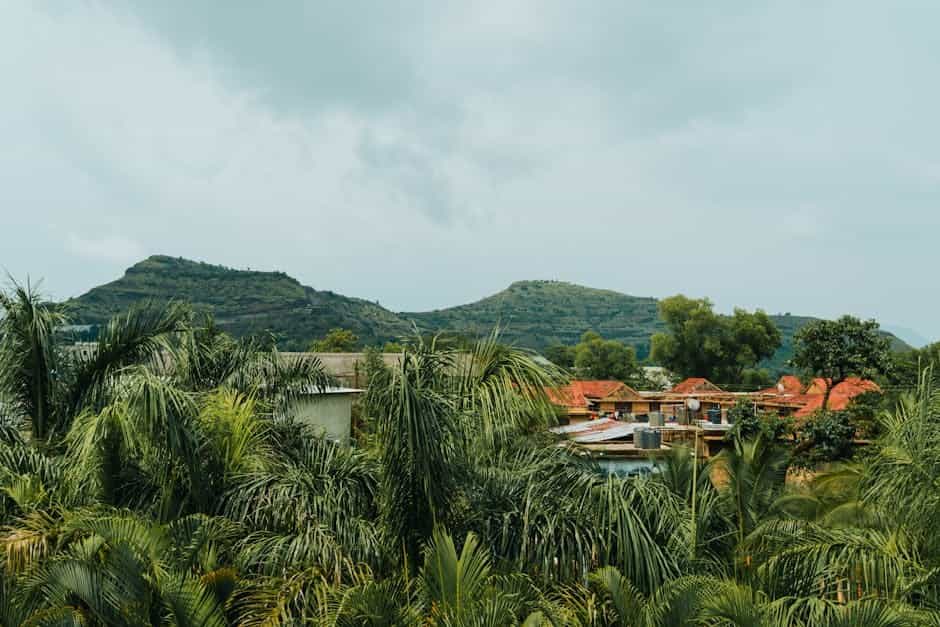
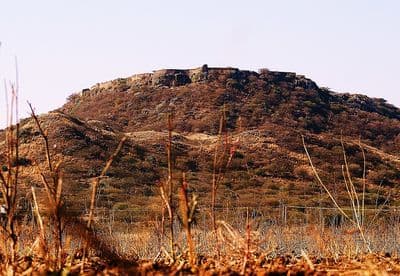
Roha Fort is a regional hill fortress in Gujarat that reflects the area's medieval defensive architecture and local feudal history. It served as a stronghold for local chieftains and played a role in controlling trade routes and agricultural hinterlands. The fort's ruins, ramparts, and strategic hilltop position offer insights into the military engineering and settlement patterns of the region.
Rani ki Vav (Queen’s Stepwell)
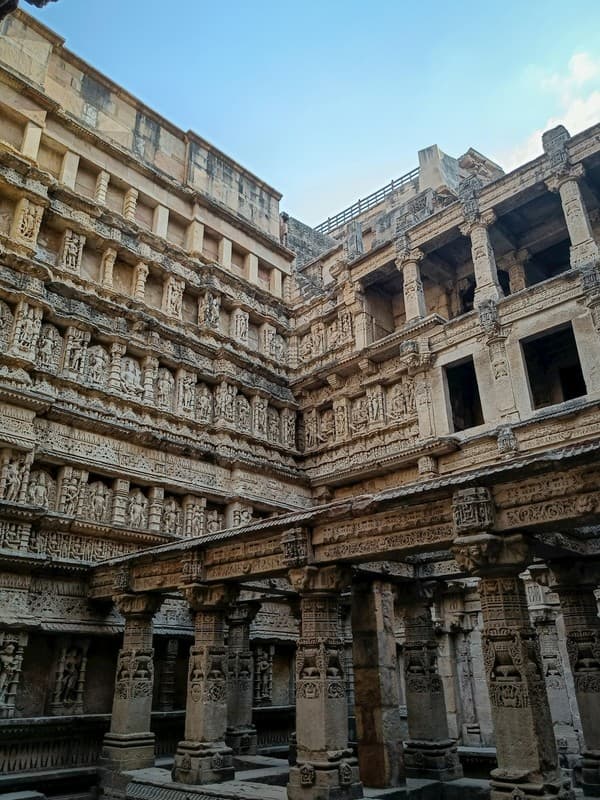
Rani ki Vav (Queen’s Stepwell) in Patan, Gujarat, is a remarkable example of Indian stepwell architecture and water-management engineering from the Solanki (Chaulukya) period (11th century). Built as a memorial to King Bhima I by his queen Udayamati, it is valued for its architectural innovation, sculptural richness and symbolic role as an "inverted temple" — a subterranean shrine to the sanctity of water. The site is designated as a UNESCO World Heritage Site for its outstanding universal value.
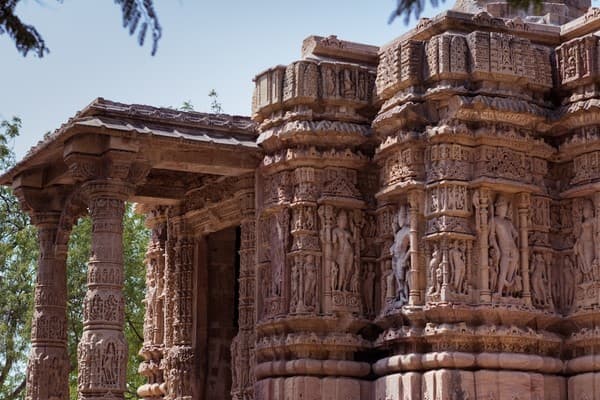
Sun Temple, Modhera
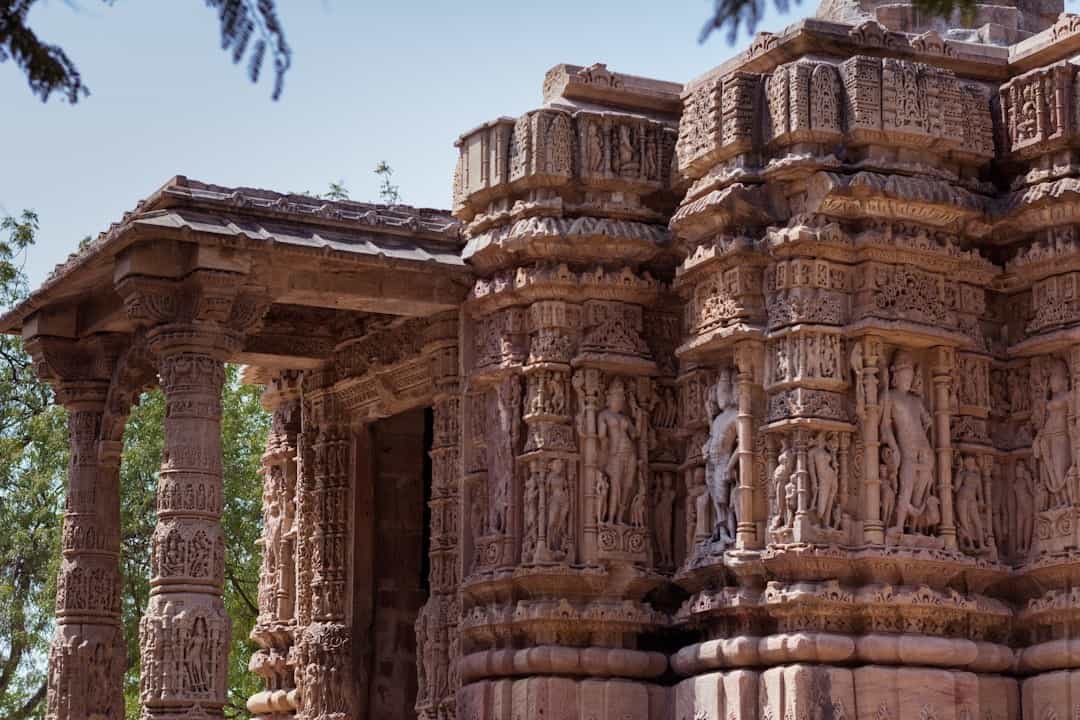
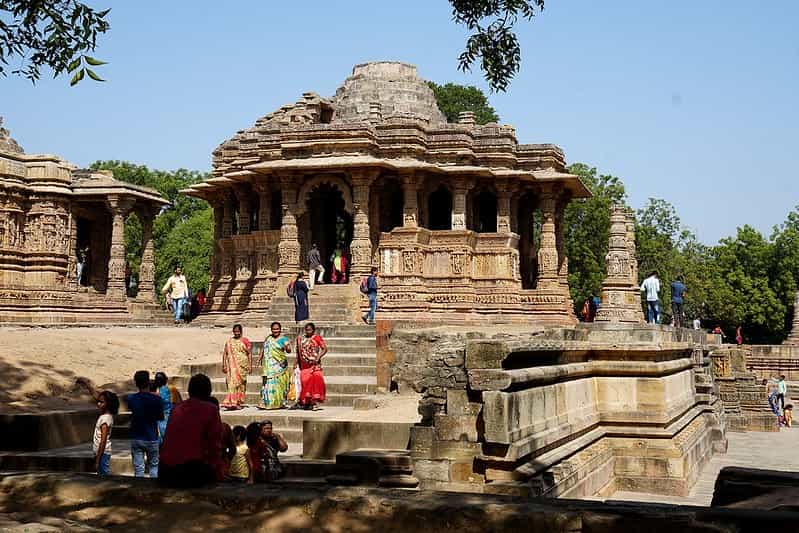
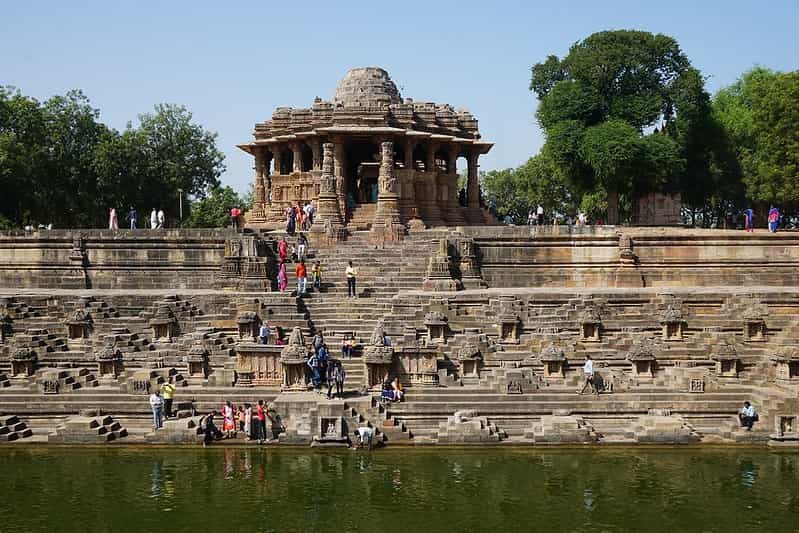
Sun Temple, Modhera is a major example of 11th-century Solanki (Chaulukya) architecture in Gujarat. Built during the reign of King Bhima I (early 11th century CE) and dedicated to the Hindu sun god Surya, the complex demonstrates advanced stone-carving techniques, temple planning and iconography of the period. The temple is notable for its east-facing alignment so that the first rays of the rising sun fall on the main shrine, and for its richly carved panels depicting gods, dancers, musicians and scenes from daily life.
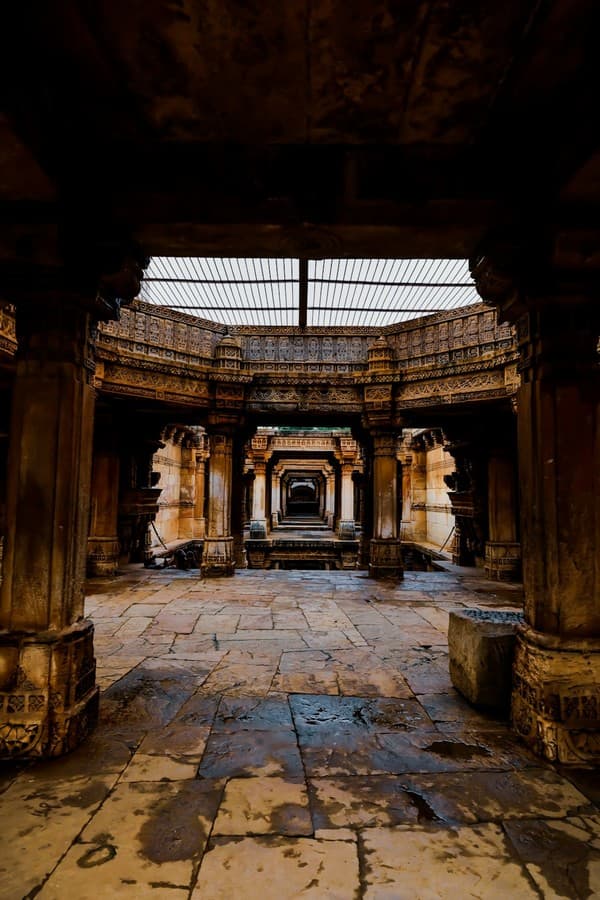
Adalaj Stepwell
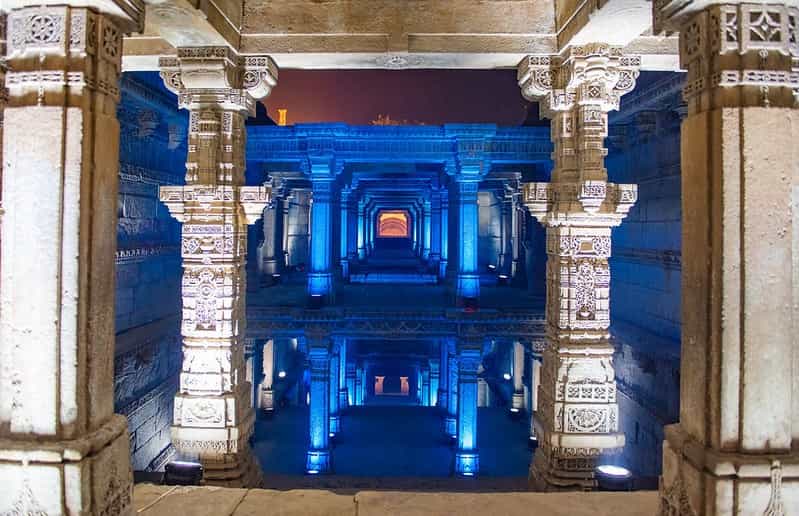
Adalaj Stepwell (Adalaj ni Vav) is a late 15th-century stepwell near Ahmedabad, Gujarat. It is an outstanding example of Indo-Islamic architecture blending Hindu and Muslim motifs, built to provide water, shelter and social space in an arid landscape. The structure is significant for its intricate stone carvings, engineering that maintains cooler temperatures inside, and its role in community life as a refuge for travelers and local women.
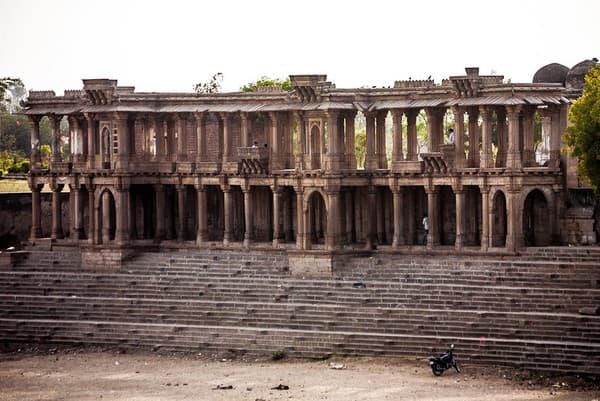
Sarkhej Roza
Sarkhej Roza is a 15th-century mosque and tomb complex near Ahmedabad, Gujarat. It developed around the dargah (shrine) of the Sufi saint Shaikh Ahmed Khattu Ganj Bakhsh and later became a royal necropolis and architectural ensemble patronized by the Sultanate rulers, notably Sultan Mahmud Begada. The complex is celebrated for its fusion of Indo-Islamic and Persian architectural styles and is often called the 'Acropolis of Ahmedabad' for its monumental scale and harmonious planning.
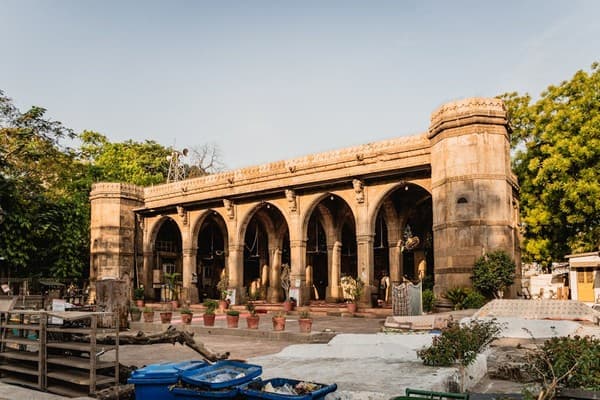
Sidi Saiyyed Mosque
Sidi Saiyyed Mosque (Sidi Saiyyid ni Jali) is a 16th-century mosque in Ahmedabad, Gujarat, built circa 1572–73 during the late Gujarat Sultanate. It is celebrated as a masterpiece of Indo-Islamic architecture and stone carving, especially for its exquisitely carved sandstone latticework (jalis). The mosque's architectural and artistic quality makes it an important symbol of Ahmedabad's cultural and historical heritage — its most famous motif, the Tree of Life jali, has become an emblem of the city.
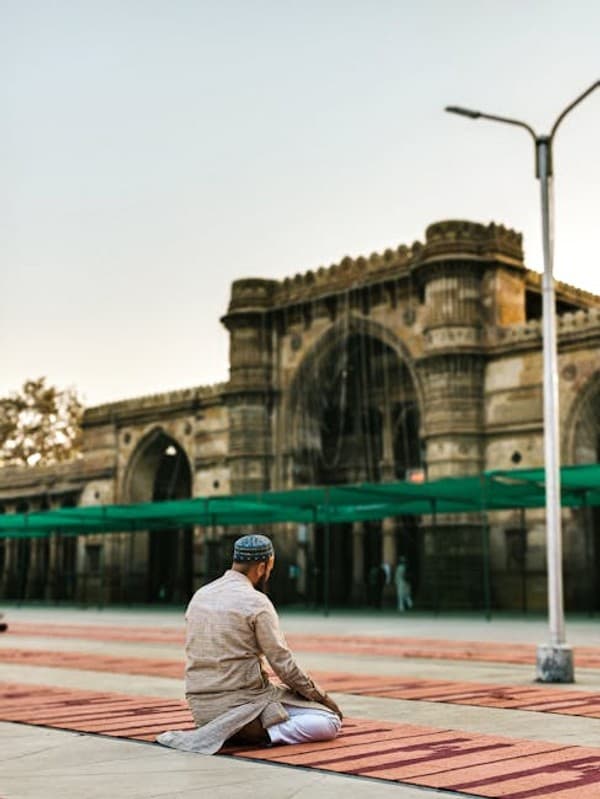
Jama Masjid, Ahmedabad
Jama Masjid, Ahmedabad (also spelled Jama Masjid or Jumma Masjid) is one of the oldest and most important mosques in the walled city of Ahmedabad. Built in the early 15th century during the reign of Sultan Ahmed Shah I, it stands as a major example of Indo-Islamic architecture in Gujarat and reflects the early urban and religious history of Ahmedabad. The mosque has been a focal point for community worship, social life, and historic events in the old city for centuries.
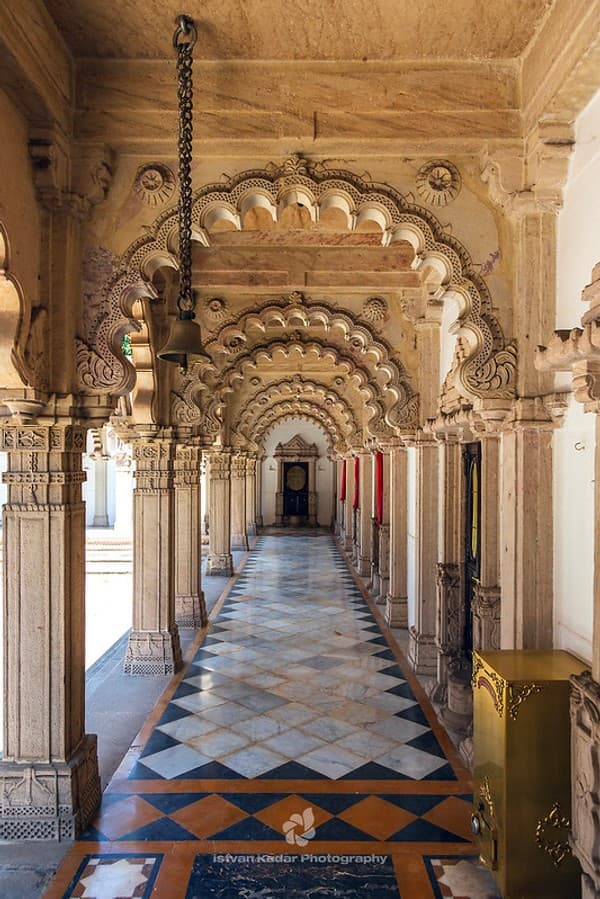
Hutheesing Jain Temple
Hutheesing Jain Temple (Ahmedabad, Gujarat) is a major 19th‑century Jain temple complex built in 1848. Commissioned by Sheth Hutheesing Kesarisinh, it is an important example of Gujarati Jain architecture and marble carving from the period. The temple has served both religious and civic roles — as a centre of worship for the Svetambara Jain community and as a philanthropic public‑works project that provided employment to artisans during a local famine.
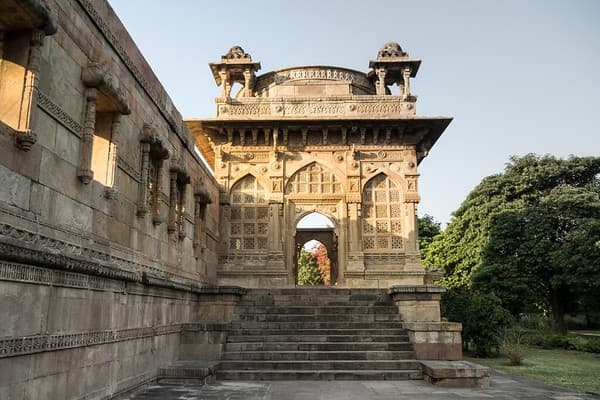
Bhadra Fort
Bhadra Fort is the historic citadel at the heart of Old Ahmedabad. Built by Sultan Ahmad Shah I in 1411 when he founded the city, the fort marks the political and urban origin of Ahmedabad and illustrates early Indo-Islamic architecture mixed with local Gujarati motifs. Over centuries it served military, administrative and ceremonial roles and remains a symbol of the city's medieval heritage.
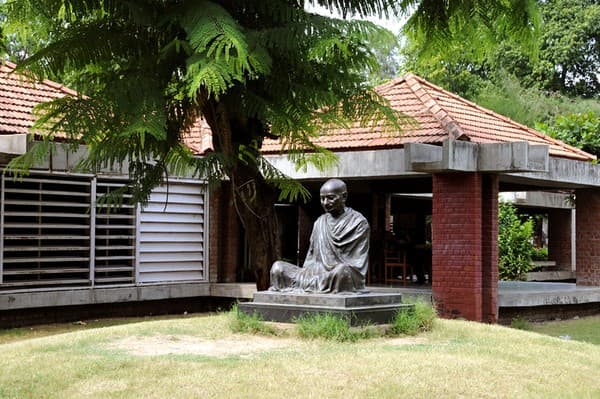
Sabarmati Ashram (Gandhi Ashram)
Sabarmati Ashram (also known as Gandhi Ashram) is one of the most important sites in India's modern history. Established by Mohandas K. Gandhi in 1917 on the banks of the River Sabarmati, the ashram served as Gandhi's residence and a center for India's freedom movement until 1930. It was the launching point for the 1930 Dandi Salt March (Salt Satyagraha), a landmark act of civil disobedience against British colonial rule. The ashram exemplifies Gandhi's principles of simplicity, self-reliance (swadeshi), nonviolence (ahimsa), and communal harmony and continues to be a living symbol of his social and political philosophy.
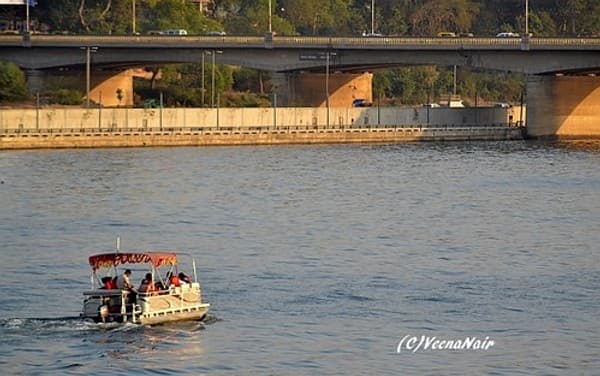
Sabarmati Riverfront
Sabarmati Riverfront is a flagship urban redevelopment project in Ahmedabad that transformed the banks of the Sabarmati River into a continuous public promenade, improving flood control, groundwater recharge, and urban ecology while creating a major public space for residents. It connects important cultural landmarks—most notably the Sabarmati Ashram (Gandhi Ashram)—and plays a role in Ahmedabad's identity as a heritage city.
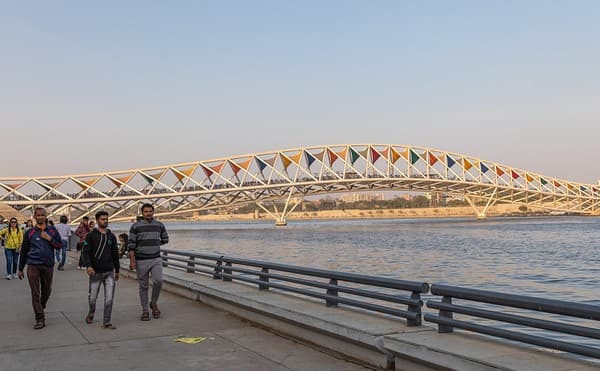
Atal Pedestrian Bridge
Atal Pedestrian Bridge is a contemporary landmark on the Sabarmati Riverfront in Ahmedabad, Gujarat. Named in honour of former Prime Minister Atal Bihari Vajpayee, the bridge symbolizes Ahmedabad’s urban renewal and riverfront revitalization. It enhances pedestrian connectivity between both sides of the Sabarmati River and serves as a civic space that promotes recreation, tourism and community gatherings.
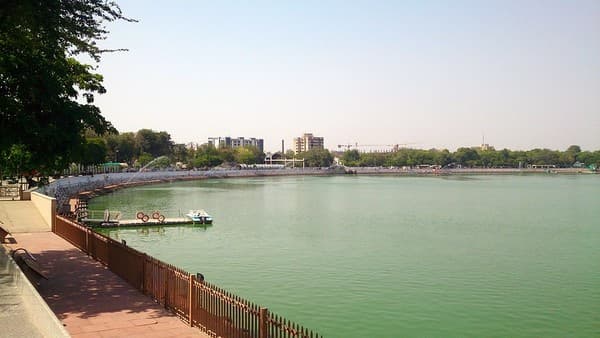
Kankaria Lake
Kankaria Lake is a historic urban lake and recreational complex in Ahmedabad, Gujarat. Originating in the 15th century during the period of the Gujarat Sultanate and later developed by successive rulers and municipal authorities, it has long served as a social and leisure hub for the city. The lake and its island gardens reflect Ahmedabad's layered history and urban landscape, now restored into a popular public amenity that blends heritage, culture and family entertainment.
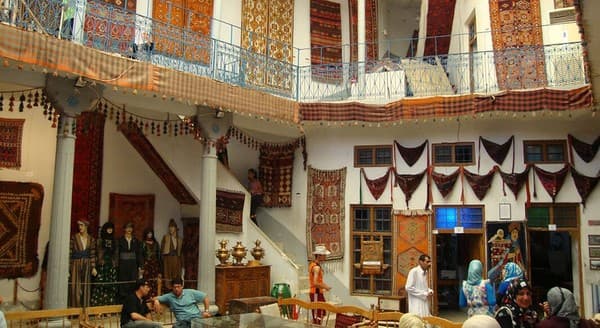
Calico Museum of Textiles
The Calico Museum of Textiles in Ahmedabad is one of the world's leading textile museums, established to preserve, study and display India's rich textile heritage. Founded in the mid-20th century by members of the Sarabhai family to conserve the collections associated with Calico Mills and regional craft traditions, it has become a major center for textile research, conservation and public education. The museum's collections span locally produced textiles of Gujarat and other Indian regions, South Asian garments, early printed cottons and rare handwork, providing insights into social, economic and artistic histories tied to textile production.

Auto World Vintage Car Museum
Auto World Vintage Car Museum in Rajkot, Gujarat, preserves and showcases the evolution of motoring in India and beyond. It highlights the technological, design and cultural shifts in transportation across the 20th century and helps conserve automotive heritage that might otherwise be lost.
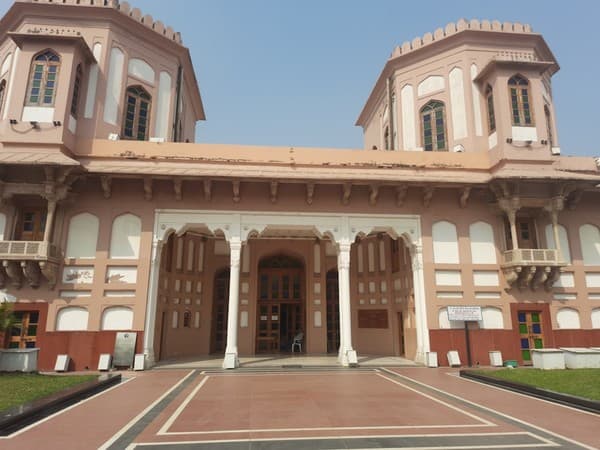
Sardar Vallabhbhai Patel National Memorial
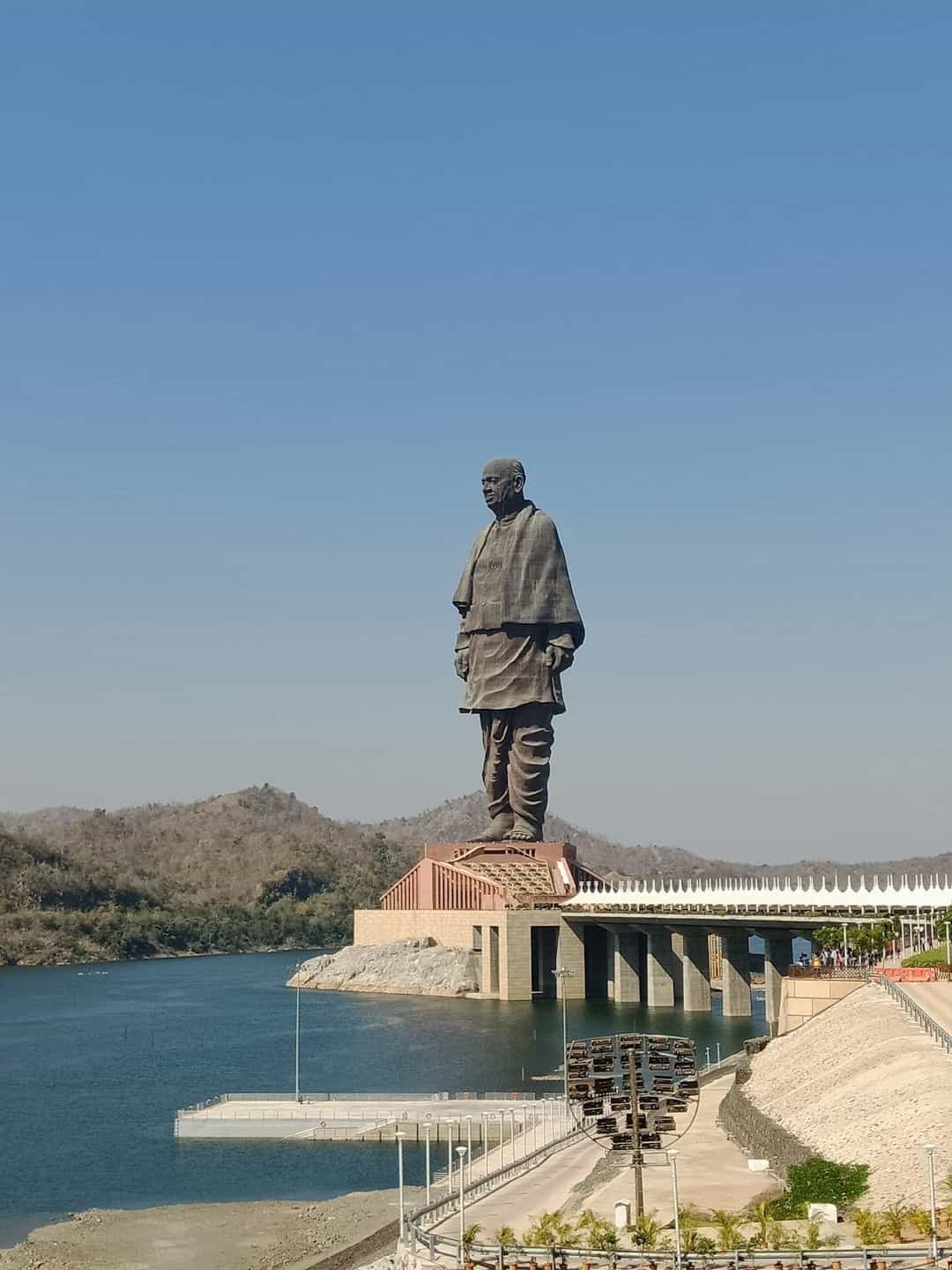
Sardar Vallabhbhai Patel National Memorial commemorates the life, leadership and legacy of Sardar Vallabhbhai Patel — a key leader in India’s independence movement and the country’s first Deputy Prime Minister and Home Minister. The memorial highlights his instrumental role in the political integration of over 560 princely states into the Union of India (earning him the epithet "Iron Man of India"). It serves as an educational and research center preserving documents, personal effects and exhibits related to the freedom struggle and post-independence consolidation.
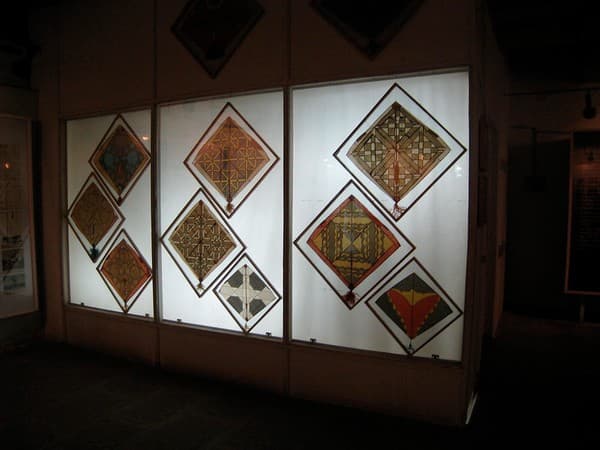
Kite Museum, Ahmedabad
The Kite Museum in Ahmedabad celebrates Gujarat's rich kite-flying tradition and the cultural significance of Uttarayan (the kite festival). The museum documents the evolution of kite design, materials, and regional styles, preserving craft knowledge and oral histories tied to community celebrations. It serves as an educational center that connects visitors to local artisans and the broader social meaning of kite-flying in Gujarat.
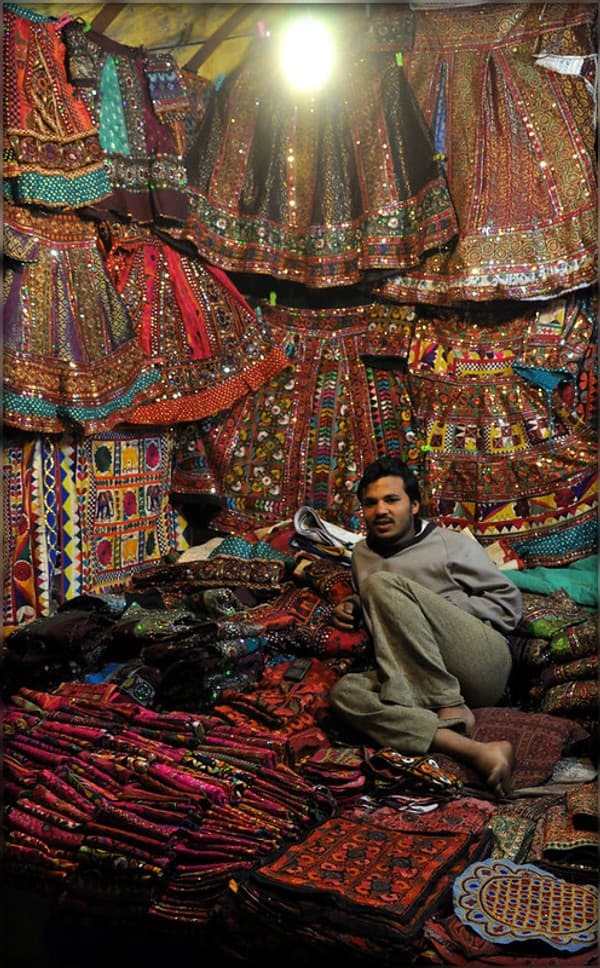
Law Garden Night Market
Law Garden Night Market is a vibrant urban bazaar in Ahmedabad that showcases Gujarat's rich textile and handicraft traditions. It has grown from informal evening stalls around the public Law Garden into a must-visit marketplace that supports local artisans, cottage industries, and small traders. The market highlights traditional crafts such as bandhani (tie-dye), mirror work, Kutchi and Gujarati embroidery, block printing, and handcrafted jewelry, reflecting the state's cultural heritage.
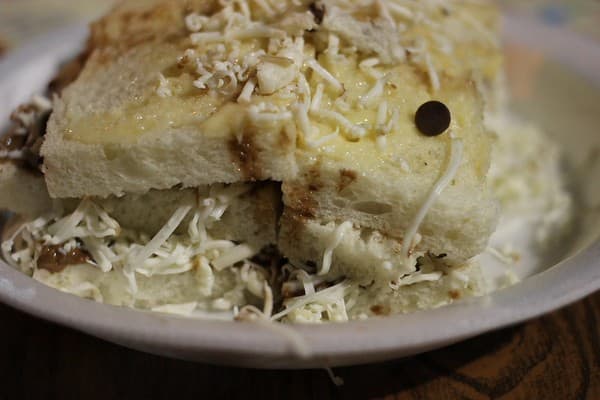
Manek Chowk Night Food Market
Manek Chowk is a bustling square in the old walled city of Ahmedabad, located close to historic landmarks such as Bhadra Fort and Jama Masjid. The chowk functions as a cultural node: by day it serves as a jewelry market and vegetable market, while by night it transforms into one of Ahmedabad's most famous street-food hubs. The square reflects the city's layered past and living street-food culture, showcasing Gujarati culinary traditions alongside South Indian and pan-Indian snack varieties.
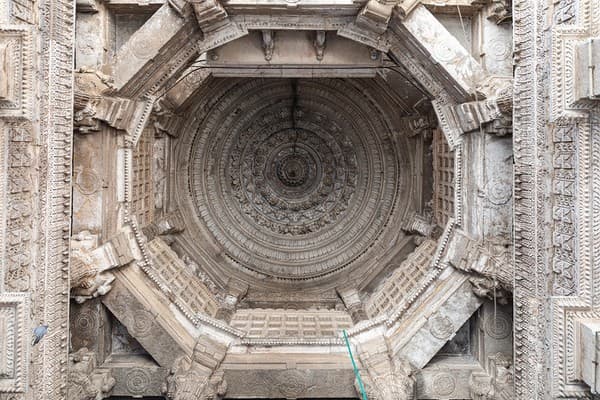
Historic City of Ahmedabad (UNESCO)
Historic City of Ahmedabad (founded 1411 CE by Sultan Ahmed Shah) is a major example of an evolving medieval port-town and fortified city in India. The walled city preserves an exceptional ensemble of Indo-Islamic and vernacular architecture: mosques, tombs, havelis, civic spaces, stepwells (vavs), and the distinctive 'pol' neighborhood system. Its urban morphology, traditional civic institutions and craft traditions (textiles, block-printing, metalwork) demonstrate continuity of cultural practices and communal living patterns that contributed to its inscription as a UNESCO World Heritage Site (2017).