Places to visit in Uttarakhand
Planning a trip to Uttarakhand? Here is a complete guide to the best places to visit—from popular tourist attractions to offbeat spots you would not find in every guidebook. Get ready to explore, experience, and fall in love with Uttarakhand!
Top 142 curated places to visit in Uttarakhand
New Tehri
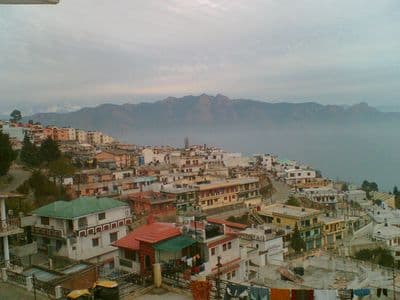
New Tehri is the planned town built after the submergence of Old Tehri due to the construction of the Tehri Dam. It is important for its hydroelectric power generation, reservoir-based ecology, and as the administrative headquarters of Tehri Garhwal district. The area sits in the lower Himalaya and offers scenic views of the surrounding hills and the Tehri Reservoir, making it significant for both infrastructure and tourism.
Guptkashi
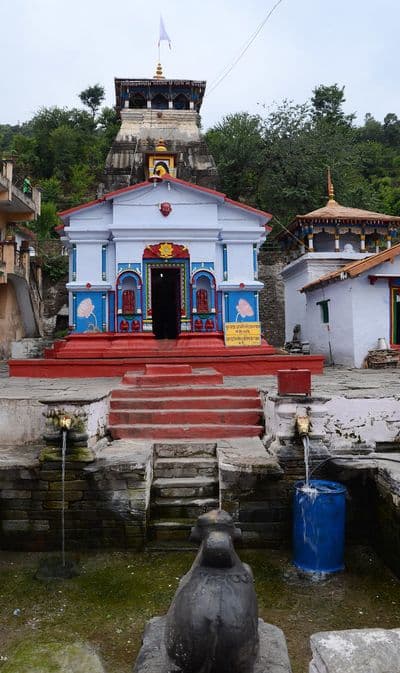
Guptkashi (literally 'Hidden Kashi') is a historic pilgrimage town in Uttarakhand's Garhwal region. It serves as an important spiritual and logistical stop on the route to Kedarnath and is close to several other Himalayan shrines and trekking starting points. The town combines religious significance (temples dedicated to Shiva and other deities) with natural Himalayan scenery along the Mandakini valley, making it both a cultural and natural landmark.
Gopeshwar
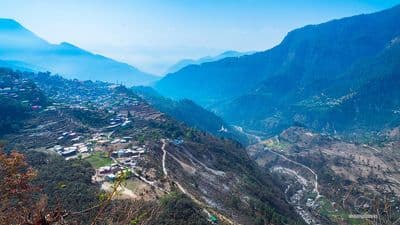
Gopeshwar, Uttarakhand is the administrative headquarters of Chamoli district in the Garhwal Himalayas. It is valued as a local cultural and religious hub and serves as a gateway and support town for pilgrims and trekkers heading to high-altitude pilgrimage and trekking destinations in the region. The town's Himalayan setting gives it scenic value and access to mountain landscapes, rivers and nearby alpine meadows.
Kanatal
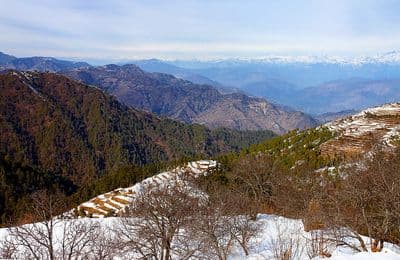
Kanatal, Uttarakhand is a small hill hamlet in Tehri Garhwal known primarily for its natural beauty rather than major historical monuments. Perched on a ridge in the lower Himalayas, it serves as a peaceful mountain getaway with panoramic views of the surrounding pine and deodar forests and distant snow-capped Himalayan peaks. The area's cultural significance is tied to nearby hill temples (notably the Surkanda Devi temple) and traditional Garhwali village life.
Gwaldam
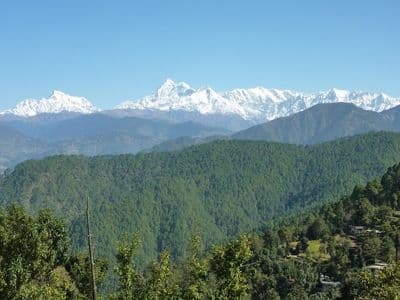
Gwaldam is a small hill village in Uttarakhand situated on the natural divide between the Garhwal and Kumaon regions. It is valued as a gateway to high-altitude meadows (bugyals) and Himalayan treks and offers panoramic views of major peaks such as Nanda Devi, Trishul and the surrounding ranges. The site is important for ecotourism, traditional mountain culture and as a staging point for several classical treks (notably the Kuari/Curzon's Pass trek).
Chaukori
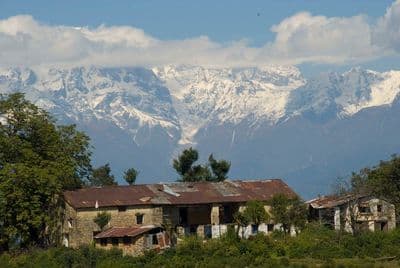
Chaukori is a quiet hill station in the Kumaon region of Uttarakhand, valued mainly for its natural importance — panoramic Himalayan views (including Nanda Devi, Nanda Kot, Trishul, Panchachuli), terraced farmland and tea gardens. It is part of the greater cultural landscape of Kumaon, with traditional Kumaoni villages, local crafts, and folklore that tie the area to Himalayan pilgrimages and local mountain deities.
Abbott Mount
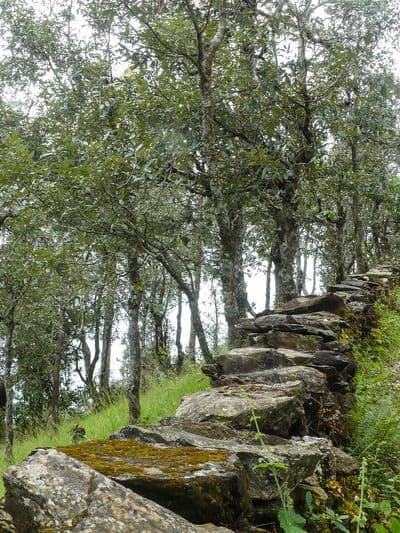
Abbott Mount is a lesser-known hill area in Uttarakhand valued for its quiet natural beauty, pine-oak forests, and panoramic views of the lower Himalaya. It is primarily of natural and local-cultural interest rather than a major historical monument. The spot is popular with visitors seeking offbeat mountain scenery and a peaceful retreat from busier hill stations.
Pangot
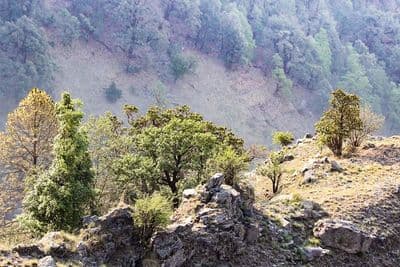
Pangot is a small hill village near Nainital in Uttarakhand, India, valued primarily for its rich natural heritage rather than major historical monuments. It is an important hotspot for birdwatching and biodiversity within the lower Himalaya, featuring oak and rhododendron forests, and offering panoramic views of the Himalayan ranges. The village is part of the Kumaon region and reflects local Kumaoni rural life and hospitality.
Mana
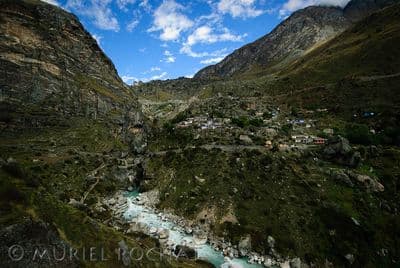
Mana is the last Indian village before the Indo-Tibetan border and sits just above the Badrinath temple complex. It is important culturally as a traditional Himalayan settlement with strong Tibetan influences and as the gateway for pilgrims visiting Badrinath (one of the Char Dham). Naturally, Mana lies in a high-altitude Himalayan landscape with scenic river valleys (the Saraswati and Alaknanda), nearby glaciers and passes (Saraswati Kund, Mana Pass) and waterfalls (Vasudhara), making it significant for both pilgrimage and mountain ecology.
Khirsu
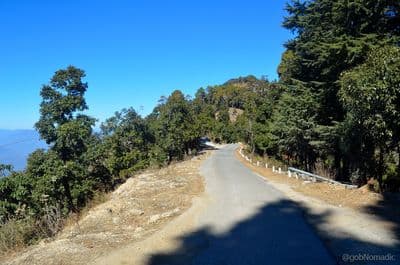
Khirsu is a quiet hilltop hamlet in Pauri Garhwal, Uttarakhand, prized primarily for its natural importance. Set amid oak and pine forests, it offers sweeping panoramic views of the Garhwal Himalaya (including peaks like Nanda Devi, Trishul, and Chaukhamba). The area showcases traditional Garhwali village life and agriculture (apple orchards and terraced fields), making it a good example of mountain ecology and rural culture.
Harsil
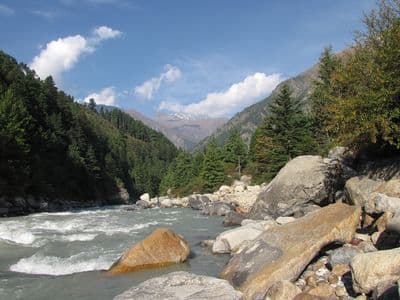
Harsil is a serene Himalayan village in Uttarkashi district, Uttarakhand, located on the banks of the Bhagirathi River and acting as a scenic gateway on the route to Gangotri. It is important for its natural beauty (apple orchards, high-altitude meadows, and dense coniferous forests), its role in pilgrimage circuits to the source of the Ganges, and for preserving elements of Bhotia (local Himalayan) culture and traditional mountain livelihoods.
Kumaon
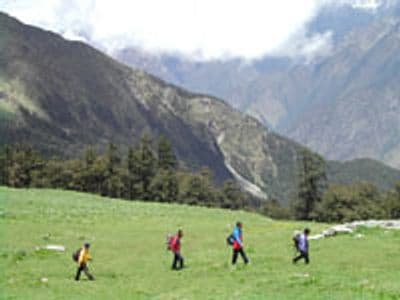
Kumaon is a culturally rich and ecologically important region in the Indian state of Uttarakhand. Historically ruled by the Katyuri and Chand dynasties, Kumaon has a legacy of ancient temples, hill forts and classical Pahari art and literature. Naturally, it forms part of the southern slopes of the central Himalaya, featuring alpine meadows, dense oak and rhododendron forests, and important protected areas (including parts of the Nanda Devi Biosphere and Jim Corbett National Park). The region's unique mix of mountain landscapes, terraced farming and traditional hill-town life makes it significant for both cultural tourism and biodiversity conservation.
Garhwal
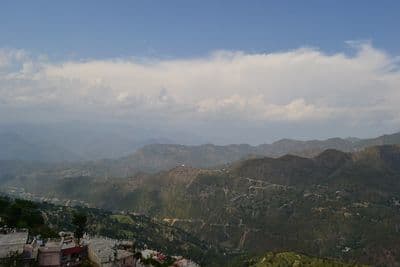
Garhwal is a Himalayan region in Uttarakhand of outstanding natural and cultural significance. It contains major headwaters of the Ganga (Bhagirathi and Alaknanda), towering peaks like Nanda Devi, rich alpine meadows, glaciers, and deep river valleys. Culturally, Garhwal is the land of ancient temples and pilgrimage circuits (the Char Dham: Yamunotri, Gangotri, Kedarnath, Badrinath) and preserves strong Garhwali language, music, and folk traditions. Historically it was the Kingdom of Garhwal and later part of British-era hill districts; the region's mountain passes and shrines have been important for trade, pilgrimage, and cultural exchange for centuries.
Jim Corbett National Park
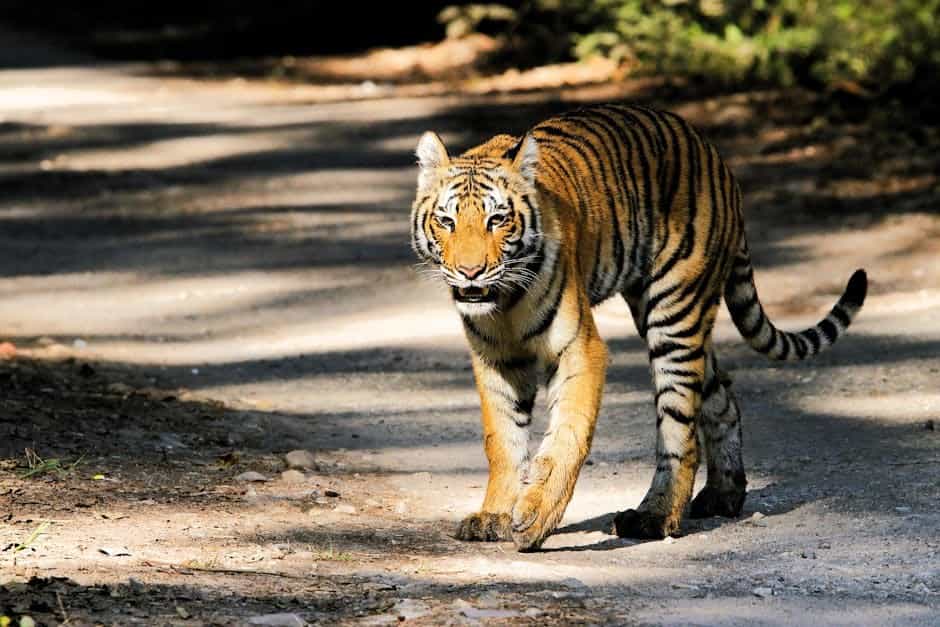
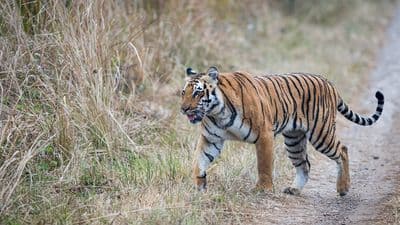
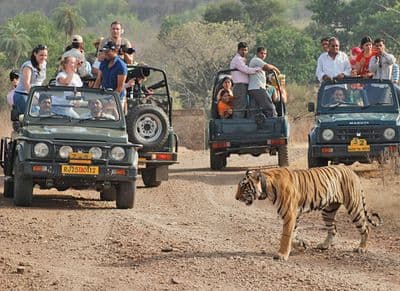
Jim Corbett National Park is India's oldest national park (established in 1936 as Hailey National Park) and was later renamed to honor hunter‑turned‑conservationist Jim Corbett. It is a flagship tiger reserve and a key site in Project Tiger, playing a crucial role in tiger conservation and wildlife protection in the Himalayan foothills. The park protects diverse habitats — Sal forests, grasslands, riverine corridors and rocky hills — and supports a rich assemblage of fauna and flora, making it important both ecologically and for conservation research.
Rajaji National Park
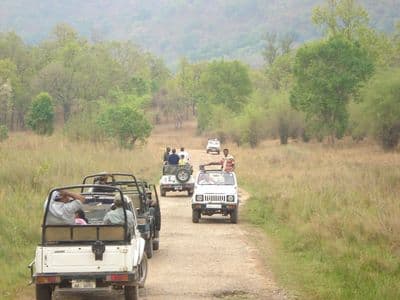
Rajaji National Park protects a large stretch of the Shivalik foothills and the Terai habitat along the Ganges in Uttarakhand, forming an important conservation landscape for Asian elephant populations and other large mammals in northwestern India. It links lowland and hill ecosystems and helps maintain an elephant corridor between the Doon Valley and adjoining forest blocks. The park is also important for biodiversity (mammals, reptiles and birds) and for the livelihoods and culture of local communities such as Gujjars and other traditional forest-dependent groups.
Nanda Devi National Park
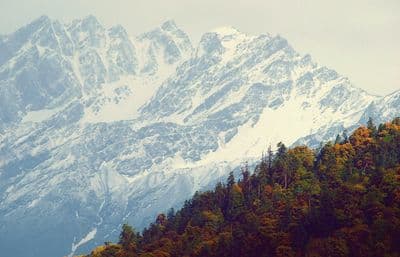
Nanda Devi National Park is part of the Nanda Devi Biosphere Reserve and was designated a UNESCO World Heritage Site for its outstanding high-altitude ecosystems and exceptional biodiversity. The park contains the Nanda Devi Sanctuary, an enclosed glacial basin dominated by the Nanda Devi peak (7,816 m), one of India’s highest mountains. The area protects rare and endemic alpine flora and fauna adapted to extreme Himalayan conditions and is an important site for scientific research on high-altitude ecology, glaciology, and climate change.
Valley of Flowers National Park
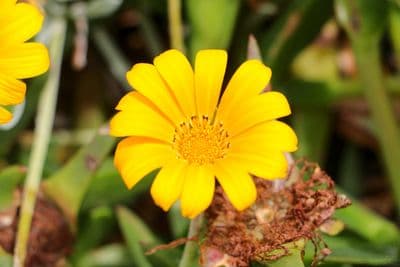
Valley of Flowers National Park is a UNESCO World Heritage Site (part of the Nanda Devi and Valley of Flowers National Parks) renowned for its high-altitude alpine meadows and exceptional biodiversity. It is an important conservation area in the western Himalaya, supporting many endemic and rare plant species as well as habitat for Himalayan wildlife. The park also forms part of the broader Nanda Devi Biosphere Reserve, playing a key role in ecological research and mountain conservation.
Gangotri National Park
Gangotri National Park, located in the Uttarkashi district of Uttarakhand, protects the upper catchment of the Bhagirathi River (one of the primary headstreams of the Ganga). It preserves a large tract of high-altitude Himalayan ecosystems — from dense coniferous forests and alpine meadows to glaciers and barren high-altitude terrain. The park is significant for its ecological role in protecting glacial sources and high-mountain biodiversity, and it is also a cultural and pilgrimage landscape because the Gangotri temple and the Gaumukh (Gomukh) glacier — the traditional source of the Bhagirathi river — are inside the protected region or adjacent to it.
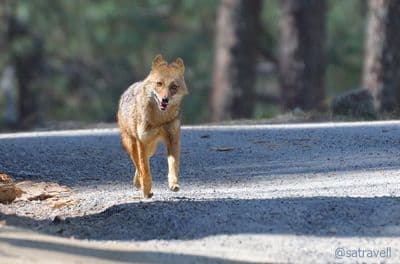
Govind Pashu Vihar National Park & Sanctuary
Govind Pashu Vihar National Park & Sanctuary (Govind Wildlife Sanctuary) in Uttarakhand is a high‑altitude Himalayan protected area important for conserving fragile alpine and subalpine ecosystems and several endangered and endemic species. It protects critical habitat for species such as the snow leopard, Himalayan musk deer, Himalayan brown bear, blue sheep (bharal), Himalayan tahr and a variety of high‑altitude pheasants and passerines. The sanctuary also includes scenic valleys, glacial streams and meadows that support traditional pastoralism and seasonal migrations of local communities.
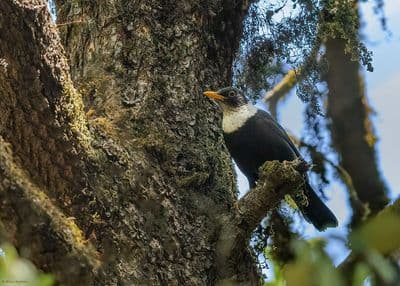
Binsar Wildlife Sanctuary
Binsar Wildlife Sanctuary is a small but ecologically significant protected area in the Kumaon Himalaya of Uttarakhand. It preserves mid- and high-altitude broadleaf forests—mainly oak and rhododendron—and serves as an important green refuge for Himalayan flora and fauna. The sanctuary offers spectacular panoramic views of major Himalayan peaks and supports traditional Kumaoni villages and cultures on its edges, creating a blend of natural and cultural significance.