Places to visit in Uttarakhand
Planning a trip to Uttarakhand? Here is a complete guide to the best places to visit—from popular tourist attractions to offbeat spots you would not find in every guidebook. Get ready to explore, experience, and fall in love with Uttarakhand!
Top 142 curated places to visit in Uttarakhand
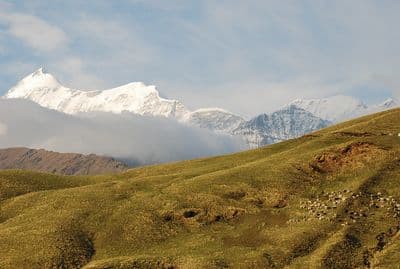
Bedni Bugyal
Natural importance: Bedni Bugyal is an alpine meadow (bugyal) in the Garhwal Himalaya of Uttarakhand, valued for its sweeping high‑altitude grasslands, seasonal wildflower displays and panoramic views of major Himalayan peaks. It is an important summer grazing ground for local shepherds and supports alpine flora and fauna typical of the region. Cultural importance: the meadow and nearby high‑altitude ponds serve as seasonal grazing and ritual sites for mountain communities. Local pastoral traditions and transhumance (seasonal movement of livestock) continue to shape the landscape.
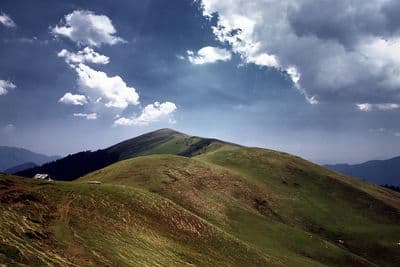
Ali Bugyal
Ali Bugyal is an extensive high-altitude alpine meadow (bugyal) in the Uttarakhand Himalaya, valued for its ecological importance as seasonal grazing land and rich alpine biodiversity. It also holds cultural importance for local Garhwali pastoral communities who practice transhumance (seasonal shepherding) here. The meadow offers a pristine natural landscape and acts as an important watershed area for nearby valleys.
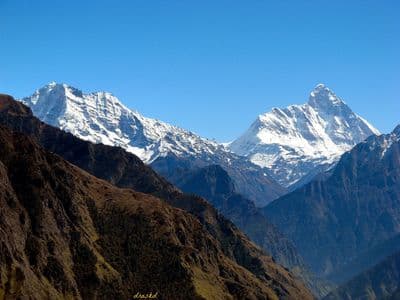
Gorson Bugyal
Gorson Bugyal is a high-altitude alpine meadow in the Chamoli district of Uttarakhand, close to Auli and Joshimath. It is significant primarily for its natural value: vast rolling meadows, seasonal wildflowers, rhododendron and oak forests, and panoramic views of the Himalayan peaks. The meadow is part of traditional grazing land used by local shepherds and supports seasonal pastoral livelihoods.
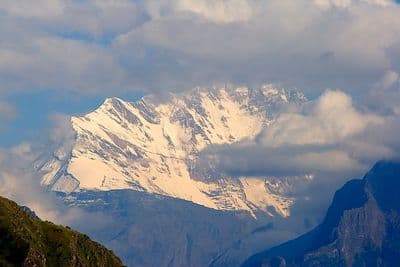
Nanda Devi
Nanda Devi is the second-highest mountain in India (7,816 m) and the highest located entirely within the country. The Nanda Devi massif and surrounding region form the core of Nanda Devi National Park, a UNESCO World Heritage Site noted for its unique alpine flora and fauna, dramatic topography, and glacial systems. The area holds deep spiritual significance for local communities; Nanda Devi is considered a manifestation of the goddess Nanda, revered in Kumaoni and Garhwali traditions. Historically, the peak was a focus of early Himalayan exploration and mountaineering—its 1936 ascent by H.W. Tilman and Noel Odell marked a major achievement. The restricted access zone and subsequent conservation efforts reflect its ecological sensitivity and cultural importance.
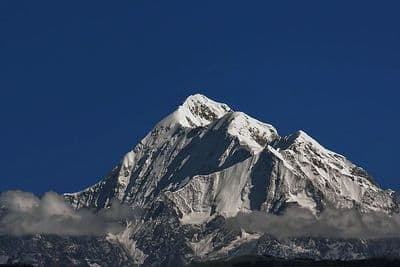
Trishul Peak
Trishul Peak is a prominent mountain in the Kumaon Himalaya of Uttarakhand, India, notable for its three-pronged summit resembling the Hindu trident (Trishul). It holds significance for mountaineering history as one of the early major ascents in the region and is an iconic landmark visible from the Bageshwar and Ranikhet areas. The peak contributes to local hydrology, feeding glaciers and rivers, and forms part of the scenic backdrop of the Nanda Devi and Kumaon ranges.
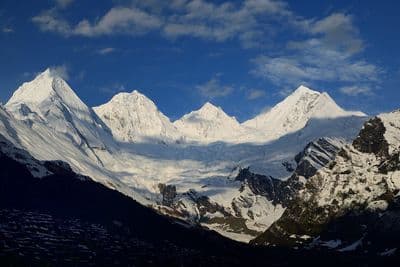
Panchachuli Peaks
Panchachuli Peaks are a group of five snow-capped Himalayan peaks in the eastern Kumaon region of Uttarakhand (Pithoragarh district). They are important as a natural landmark offering high-altitude alpine landscapes, glaciers and biodiversity (flora and fauna of the inner Himalaya). Culturally and mythologically the range is associated with the Mahabharata legend — the name is said to refer to the "five cooking stones" (panch achuli) used by the Pandavas during their exile, giving the massif religious and folkloric significance for local communities.
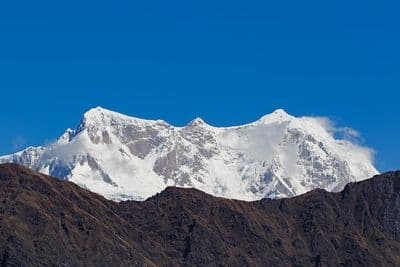
Chaukhamba
Chaukhamba is a striking massif of four closely set peaks in the Gangotri group of the Garhwal Himalaya in Uttarakhand. It is important both as a natural landmark — dominating the skyline above the Gangotri Glacier and Gaumukh (the traditional source of the River Ganga) — and as a destination for high‑altitude mountaineering and alpine study. The massif is visible from pilgrimage routes to Gangotri temple and Gaumukh and contributes to the religious landscape associated with the origin of the Ganges.
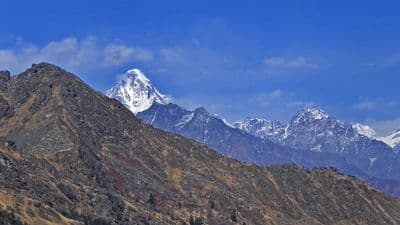
Neelkanth Peak
Neelkanth Peak is a prominent summit in the Garhwal Himalaya of Uttarakhand, known for its dramatic, snow-clad ridges and significance to high-altitude mountaineering. It forms part of the scenic backdrop to the pilgrimage town of Badrinath and is valued both for its natural alpine environment and the panoramic Himalayan vistas it provides. The peak is also part of the larger ecosystem of the Nanda Devi and Badrinath region, contributing to glacial and watershed systems that feed the local rivers.
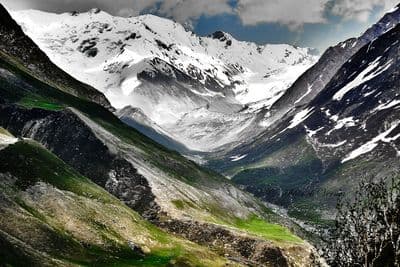
Bandarpunch
Bandarpunch is a prominent massif in the Garhwal Himalaya of Uttarakhand, India. It is important both as a natural landmark—forming part of the headwaters region of the Yamuna river—and as a destination for mountaineering and high-altitude trekking. The massif and surrounding valleys support alpine ecosystems and traditional mountain communities whose livelihoods and culture are tied to the seasonal rhythms of the hills.
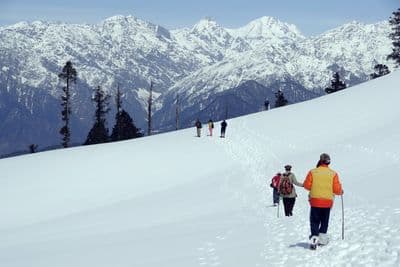
Kedarkantha
Kedarkantha is a popular Himalayan peak located inside the Govind Wildlife Sanctuary in the Uttarkashi district of Uttarakhand, India. It is renowned for its accessible high-altitude trekking routes and dramatic winter snow landscapes. The area is important for conservation (wildlife sanctuary), for local mountain culture, and as an introduction to Himalayan trekking for beginners and intermediate trekkers.
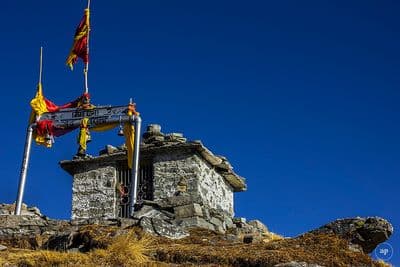
Chandrashila
Chandrashila is a high-altitude rocky summit in the Garhwal Himalaya of Uttarakhand, India, known for its panoramic views of major Himalayan peaks and its proximity to Tungnath — the highest Shiva temple in the world (part of the Panch Kedar). It is an important destination for pilgrims, trekkers and nature lovers, offering a combination of spiritual significance, alpine scenery, and biodiversity (rhododendron forests, high-altitude flora and birdlife).
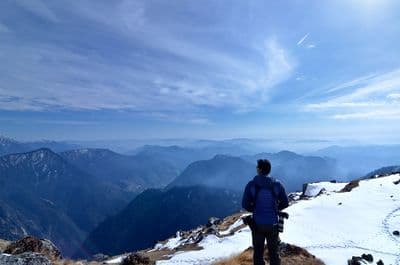
Khaliya Top
Khaliya Top is a scenic highland meadow and vantage point in Uttarakhand known for its panoramic views of the Himalayan range and for representing the rural mountain landscape of the region. It is valued primarily for its natural beauty — alpine meadows, mixed oak-rhododendron forests, seasonal wildflowers, and opportunities to observe local Himalayan flora and fauna. The top also serves as a grazing ground for shepherds and a seasonal pasture, reflecting traditional pastoral practices.
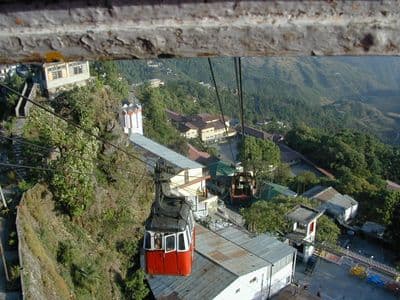
Gun Hill
Gun Hill is one of the most prominent viewpoints in Mussoorie, Uttarakhand. Perched as the second-highest peak in the town after Lal Tibba, it offers sweeping views of the Doon Valley and the Garhwal Himalayan ranges. The site is important for its colonial-era associations with Mussoorie as a popular British hill station and as a natural vantage point that showcases the region's scenic and ecological value.
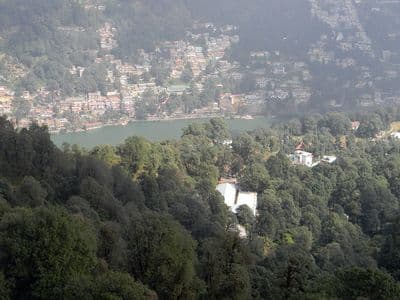
Tiffin Top (Dorothy's Seat)
Tiffin Top (Dorothy's Seat) is a scenic viewpoint near Mukteshwar in the Kumaon region of Uttarakhand. It is valued chiefly for its natural significance — a panoramic vantage offering sweeping views of the Kumaon Himalaya, including distant peaks of the Nanda Devi range, and for its surrounding oak‑and‑rhododendron woodlands. The site is a popular picnic and sunrise/sunset spot for locals and visitors, contributing to Mukteshwar's appeal as a quiet hill‑station.
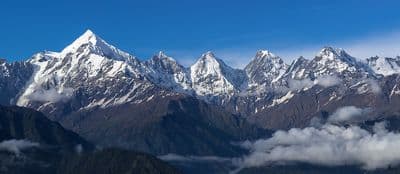
Snow View Point
Panoramic Himalayan viewpoint: Snow View Point in Nainital offers sweeping views of the outer Himalayan ranges — including peaks such as Nanda Devi, Trishul, and Nanda Kot — making it one of the most important natural vantage points for mountain viewing in Uttarakhand. It complements Nainital's colonial-era heritage as a popular hill station and is a key attraction for nature lovers, photographers and trekkers.
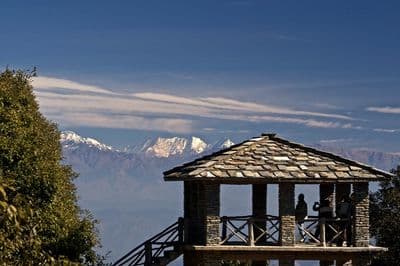
Zero Point, Binsar
Binsar Zero Point is a panoramic viewpoint within the Binsar Wildlife Sanctuary in Kumaon, Uttarakhand. The Binsar sanctuary (established to protect mid-elevation Himalayan forests) is important for conserving broadleaf oak, rhododendron and conifer forests and provides habitat for deer, leopards, Himalayan martens and many bird species. Zero Point itself is valued for offering unobstructed Himalayan vistas — a natural vantage point used by generations of local people and visitors to observe the mountain skyline and seasonal weather patterns.
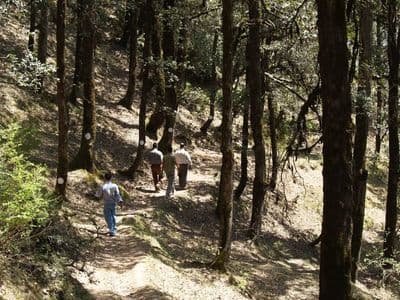
Deoban Forest
Deoban Forest is a scenic high-altitude forested ridge in the Chakrata-Deoban area of Uttarakhand, forming part of the lower Himalayan ecosystem. It is valued for its relatively undisturbed coniferous and mixed broadleaf habitats, offering important watersheds, biodiversity, and panoramic Himalayan viewpoints. The area supports local livelihoods through small-scale pastoralism, seasonal tourism and is part of traditional grazing and forest-use zones for nearby hill communities.
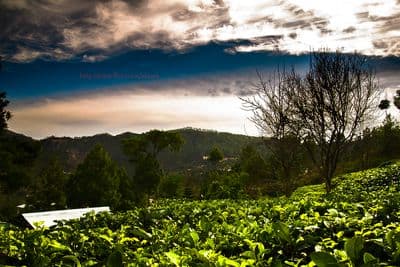
Kausani Tea Estate
Kausani Tea Estate is part of the Kausani hill-station region in the Kumaon Himalaya of Uttarakhand, renowned for its panoramic Himalayan vistas (including Nanda Devi, Trishul and Panchachuli). The estate contributes to the region's agrarian and cultural landscape by producing local high-altitude tea and supporting rural livelihoods. The area around Kausani also has cultural importance due to sites like Anasakti Ashram (visited by Mahatma Gandhi) and traditional Kumaoni rural life.
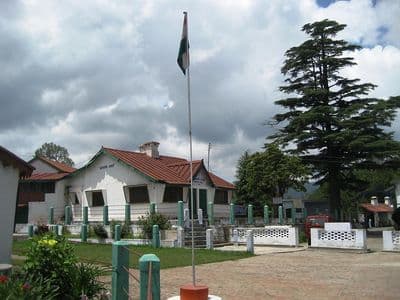
Anashakti Ashram
Anashakti Ashram in Uttarakhand is a spiritual retreat rooted in the principle of anāśakti (non-attachment). It serves as a quiet centre for meditation, spiritual study, and simple living, reflecting the ethos of post‑independence Indian spiritual-social movements that combined inner practice with social service. The ashram is valued for its role in offering a contemplative space in the Himalayan foothills and for preserving traditions of satsang (group spiritual discourse) and community living.
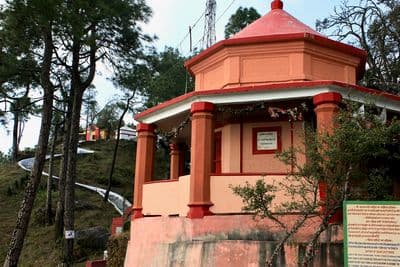
Kasar Devi Temple
Kasar Devi Temple is an ancient Hindu temple dedicated to Goddess Kasar Devi (an incarnation of Devi), believed to date back to at least the 2nd century CE with later medieval refurbishments. It sits on a ridge near Almora in Uttarakhand and is renowned for its spiritual ambiance, attracting yogis, saints, and seekers. The site is notable for its panoramic views of the Himalayas and the unique magnetic and geomagnetic claims associated with the ridge, which some visitors report as creating a heightened feeling of meditation and clarity.