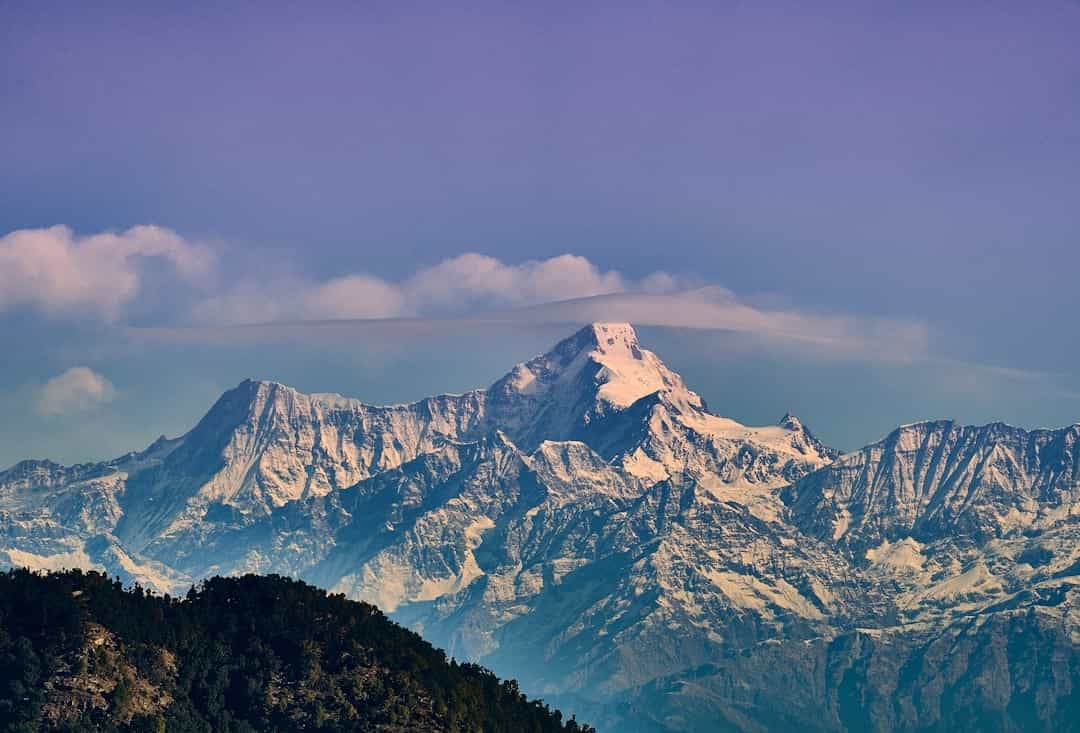
Places to visit in Uttarakhand
Planning a trip to Uttarakhand? Here is a complete guide to the best places to visit—from popular tourist attractions to offbeat spots you would not find in every guidebook. Get ready to explore, experience, and fall in love with Uttarakhand!
Top 142 curated places to visit in Uttarakhand
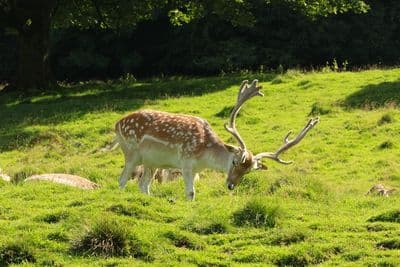
Askot Wildlife Sanctuary
Askot Wildlife Sanctuary (Uttarakhand) is a protected area in the eastern Kumaon region established to conserve a wide altitudinal range of Himalayan ecosystems and rare species, notably the Himalayan musk deer. It conserves temperate forests, subalpine and alpine meadows and serves as an important wildlife corridor in the trans-Himalayan landscape. The sanctuary also has cultural significance for local indigenous communities (Shauka/Bhotia and other Kumaoni groups) whose pastoral and agricultural traditions are linked to the landscape.
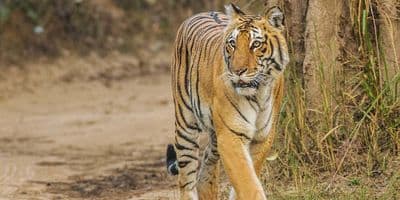
Sonanadi Wildlife Sanctuary
Sonanadi Wildlife Sanctuary is an ecologically important protected area in Uttarakhand that serves as a northern buffer and biological corridor to the larger Corbett landscape. It protects a mosaic of riverine habitats, sal forests, grasslands and mixed deciduous forest that support significant mammal and bird populations. The sanctuary contributes to regional biodiversity conservation, watershed protection (draining into the Sonanadi and Kosi systems) and local livelihoods through regulated eco-tourism.
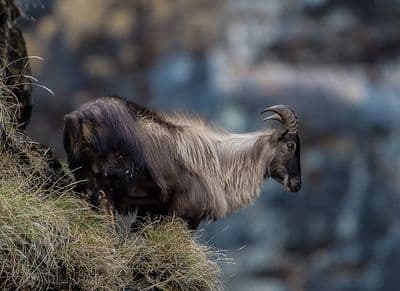
Kedarnath Wildlife Sanctuary
Kedarnath Wildlife Sanctuary lies in the high Garhwal Himalaya of Uttarakhand and surrounds the sacred Kedarnath pilgrimage area. It is important both culturally — because it embraces the famous Kedarnath Temple (a major site in the Char Dham/Chota Char Dham pilgrimage) — and naturally, as a high‑altitude Himalayan ecosystem that protects forests, alpine meadows, glaciers and the headwaters of the Mandakini river. The sanctuary supports important Himalayan wildlife and plant communities and forms part of the region's network of protected areas that conserve biodiversity and watershed values.
Nandhaur Wildlife Sanctuary
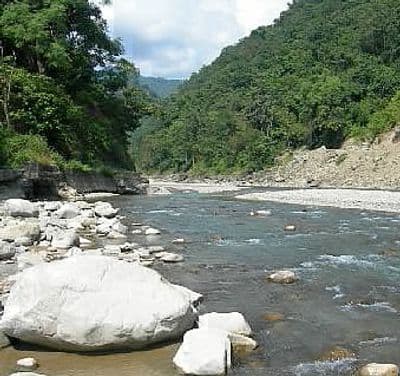
Nandhaur Wildlife Sanctuary is an important protected area in the foothills of the central Himalaya (Uttarakhand). It sits in the Terai–Shivalik landscape and functions as a crucial wildlife corridor in the Terai Arc Landscape, helping connect larger protected areas and enabling the movement of wide-ranging species such as tigers and elephants. The sanctuary supports diverse habitats — riverine forests, sal-dominated stands, mixed broadleaf forests, and grasslands — and is valued for biodiversity conservation and ecosystem services (watershed protection, carbon storage, and sustaining local livelihoods).
Benog Wildlife Sanctuary
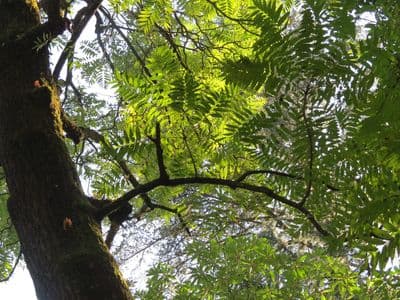
Benog Wildlife Sanctuary is a small but ecologically significant protected area in the foothills of the Western Himalaya, close to Mussoorie in Dehradun district, Uttarakhand. It forms part of the mosaic of forested habitats that protect biodiversity in the Doon Valley and acts as an important green buffer near urban areas. The sanctuary conserves temperate broadleaf and mixed forests that are representative of the mid-elevation Himalayan ecosystem and supports numerous bird and mammal species.
Badrinath Temple
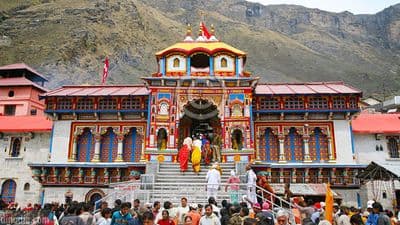
Badrinath Temple is one of the most important Hindu pilgrimage sites in India, dedicated to Lord Vishnu (Badrinarayan). It is a principal shrine in the Char Dham and Chota Char Dham pilgrimage circuits and has been a center of spiritual significance for centuries. The temple sits at an elevation of ~3,133 meters (10,279 ft) on the banks of the Alaknanda River in Uttarakhand, offering both religious importance and striking Himalayan scenery.
Kedarnath Temple
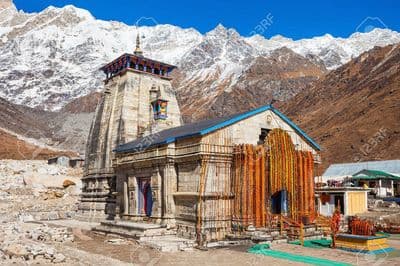
Kedarnath Temple is one of the holiest shrines dedicated to Lord Shiva in India. Situated in the Garhwal Himalayas at an altitude of about 3,583 m (11,755 ft) near the source of the Mandakini River, it is part of the Char Dham pilgrimage circuit and one of the twelve Jyotirlingas. The temple is important both religiously (major Shaiva center) and culturally (annual pilgrimage, local Kumaoni traditions). Its high-altitude, Himalayan setting also gives it significant natural importance — dramatic mountain scenery, glacial streams, and alpine ecology.
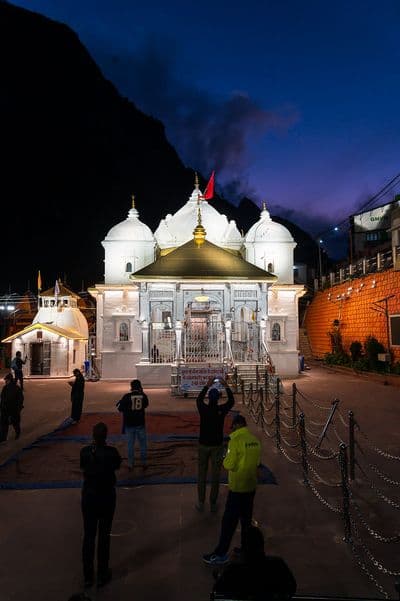
Gangotri Temple
Gangotri Temple is one of the holiest shrines in Hinduism, dedicated to Goddess Ganga. It marks the origin of the Bhagirathi River (the chief source stream of the Ganga) and is an important stop on the Char Dham and Chota Char Dham pilgrimage circuits. The temple sits at high altitude in the Garhwal Himalaya and combines religious, cultural and natural significance as both a place of worship and a gateway to the Gangotri Glacier (Gaumukh). The present stone temple is traditionally dated to the 18th century and the site is associated with the epic legend of King Bhagiratha bringing the River Ganga down from the heavens to purify his ancestors.
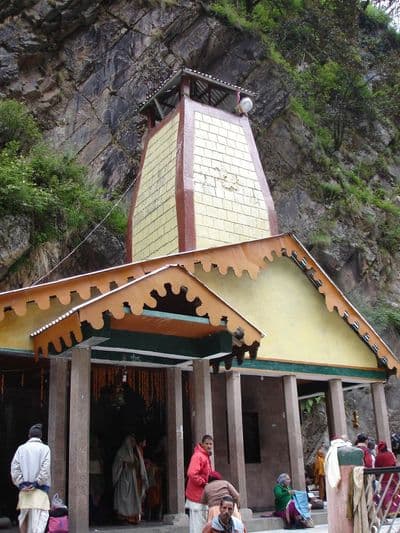
Yamunotri Temple
Yamunotri is the sacred source of the Yamuna River and one of the four primary Hindu pilgrimage sites of the Char Dham circuit. The temple is dedicated to Goddess Yamuna, revered as the divine daughter of the Sun (Surya) and sister of Yama (god of death). The present temple structure was built in the 19th century by the local Garhwal ruler (Maharaja of Tehri Garhwal) and the site has been an important pilgrimage and spiritual destination for centuries. The natural importance comes from the glacier and springs that form the headwaters of the Yamuna, set amid high Himalayan scenery.
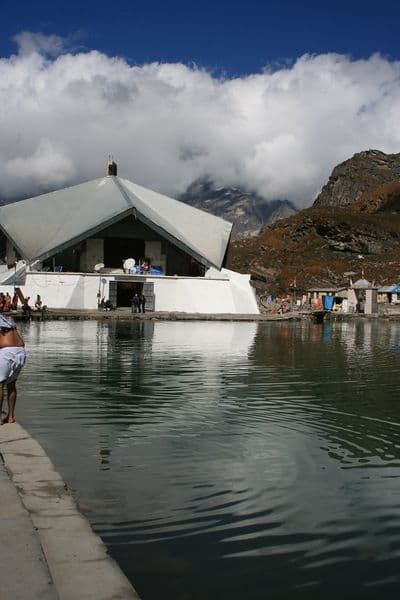
Hemkund Sahib
Hemkund Sahib (also Hemkund Sahib Gurudwara) is a highly revered Sikh pilgrimage site in Chamoli district, Uttarakhand. Situated in a high-altitude glacial basin, it holds religious importance for Sikhs as a place associated with the tenth Sikh Guru, Guru Gobind Singh. The site combines strong cultural and spiritual significance with outstanding natural beauty — an alpine lake surrounded by snow-clad peaks and a glacial cirque.
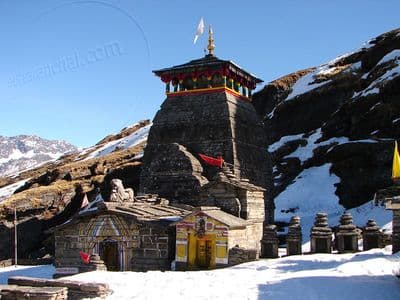
Tungnath Temple
Tungnath Temple is one of the five shrines of the Panch Kedar and is regarded as the highest Shiva temple in the world. It holds great religious importance for Hindu pilgrims and is associated with the Pandavas' legend seeking Lord Shiva after the Kurukshetra war. The site is also significant for its natural alpine environment — surrounded by bugyals (high-mountain meadows) and conifer and rhododendron forests with panoramic views of the Garhwal Himalaya.
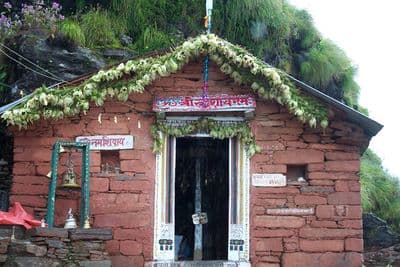
Rudranath Temple
Rudranath is one of the five sacred temples of Panch Kedar in the Garhwal Himalaya of Uttarakhand, dedicated to Lord Shiva. It is revered for its spiritual significance in Hindu tradition—the temple is associated with the legend of the Pandavas seeking Shiva after the Mahabharata war. Apart from its religious importance, Rudranath sits in a pristine alpine landscape with rich Himalayan flora and fauna, making it notable for both cultural pilgrimage and natural beauty.
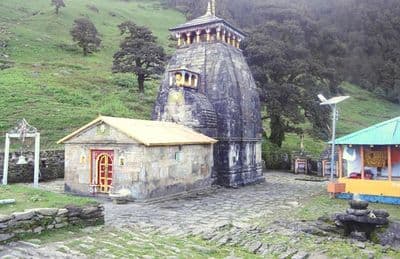
Madhyamaheshwar Temple
Madhyamaheshwar Temple is one of the five sacred Panch Kedar shrines in Uttarakhand's Garhwal Himalaya, dedicated to Lord Shiva. It holds major religious importance for Shaivite pilgrims and is part of the traditional pilgrimage circuit dating back centuries. The temple's remote alpine location and surrounding high-altitude meadows and rhododendron forests also give it significant natural and scenic value.
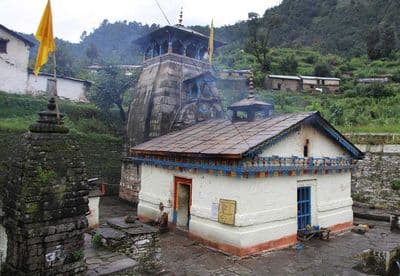
Kalpeshwar Temple
Kalpeshwar Temple is one of the five sacred Panch Kedar shrines dedicated to Lord Shiva in Uttarakhand. It holds religious importance as a site of Shiva worship connected to the Mahabharata legend of the Pandavas seeking atonement. The temple's location in the serene Urgam valley adds natural significance—surrounded by dense forests, alpine meadows, and mountain streams, it offers spiritual solitude and scenic beauty.
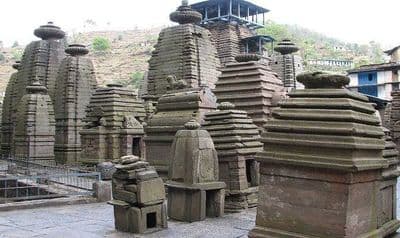
Jageshwar Temples
Jageshwar Temples are a group of over 100 ancient Hindu temples clustered in a serene cedar forest in the Almora district of Uttarakhand. Dating mainly from the 7th to 13th centuries CE, they represent an important centre of Shaivism and showcase the evolution of North Indian (Nagara) temple architecture. The complex is valued for its antiquity, stone carvings, and continuity of worship in a quiet Himalayan setting.
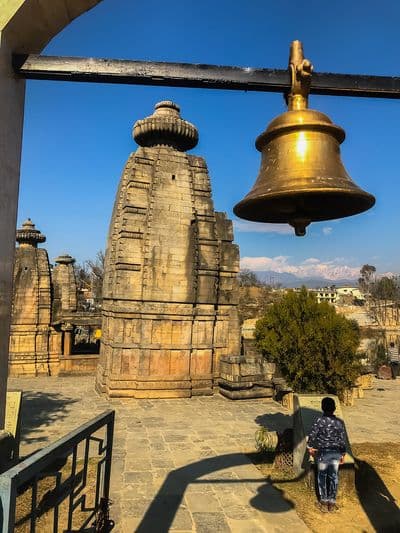
Baijnath Temple Complex
Baijnath Temple Complex (Baijnath, Uttarakhand) is an important medieval temple group in the Kumaon region, traditionally dated to the 11th–12th century and attributed to the Katyuri rulers. The complex is significant for its antiquity, its role as a long-standing Shaiva center (worship of Shiva as Vaidyanath/Baijnath) and for representing Kumaoni temple architecture with carved stone sculptures. It sits on the banks of the Gomti River, adding scenic and religious importance to the site.
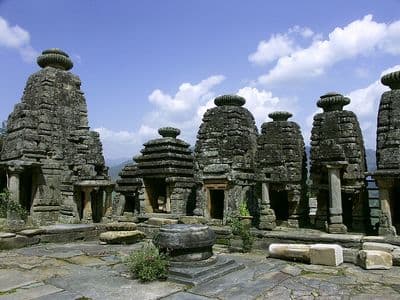
Katarmal Sun Temple
Katarmal Sun Temple (also known as Katarmal Surya Mandir) is an 8th-century temple complex located near Almora in Uttarakhand, India. Built in 806 CE by the Katyuri king Katarmalla, it is one of the oldest Sun temples in India and a rare surviving example of early Himalayan temple architecture. The complex represents a significant chapter in the Katyuri dynasty's patronage of art, sculpture, and temple-building. Its carved stone panels, intricate sculptures, and unique architectural style reflect the syncretic cultural and religious practices of the region during the early medieval period. The temple is also important for understanding the spread of sun worship (Surya) across northern India and the role of regional dynasties in sustaining sacred sites.
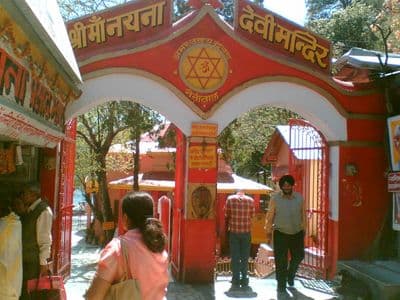
Naina Devi Temple
Naina Devi Temple (Nainital, Uttarakhand) is an ancient Hindu temple dedicated to Goddess Naina Devi, a form of Goddess Sati/Parvati. It sits on the northern shore of Naini Lake and is a focal point of spiritual life in Nainital. The temple's location — by the sacred lake and against the backdrop of the Kumaon hills — makes it important for both religious pilgrimage and as a scenic cultural landmark. Over centuries the temple has been a centre for local worship, seasonal festivals, and pilgrim gatherings.
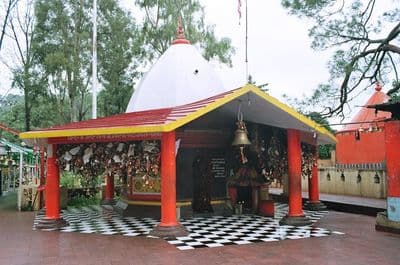
Chitai Golu Devta Temple
Chitai Golu Devta Temple is a major cultural and religious landmark in the Kumaon region of Uttarakhand. Dedicated to Golu Devta — the local deity associated with justice and protection — the temple is an important pilgrimage site for villagers and visitors from across the state. The temple reflects Kumaoni faith traditions and local community practices, and serves as a living repository of folk devotion and customary dispute-resolution beliefs.
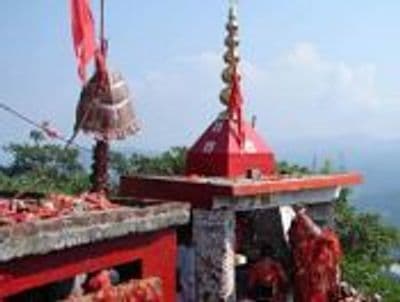
Purnagiri Temple
Purnagiri Temple is a revered hilltop shrine in Uttarakhand dedicated to Goddess Purnagiri (a form of Durga). It is an important pilgrimage site for devotees in the Kumaon region and draws pilgrims particularly during the Navratri festivals. The temple combines religious significance with scenic natural surroundings — perched on a ridge with panoramic views of the lowland Terai and the outer Himalaya — and is an example of local hill-temple traditions in northern India.