Places to visit in Uttarakhand
Planning a trip to Uttarakhand? Here is a complete guide to the best places to visit—from popular tourist attractions to offbeat spots you would not find in every guidebook. Get ready to explore, experience, and fall in love with Uttarakhand!
Top 142 curated places to visit in Uttarakhand

Tiger Falls
Tiger Falls is a notable natural landmark in the Chakrata region of Uttarakhand, valued for its scenic beauty and its status as one of the higher direct waterfalls in the state. The falls and surrounding deodar and oak forests contribute to local biodiversity and are an important spot for nature lovers and photographers.
Neer Garh Waterfall
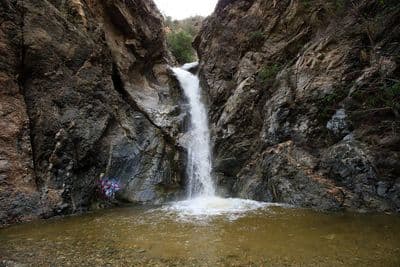
Neer Garh Waterfall is a scenic natural waterfall located near Rishikesh in the Dehradun district of Uttarakhand. It is valued for its natural beauty, cool mountain waters, and as a local recreational spot for residents and pilgrims visiting the nearby Ganga and Rishikesh temples. The waterfall sits in the Himalayan foothills and contributes to the area's biodiversity and scenic river-valley landscape.
Patna Waterfall
Patna Waterfall is a scenic cascade set in the Himalayan foothills of Uttarakhand, valued primarily for its natural beauty, freshwater pools and as part of the local ecosystem. It provides habitat for native flora and fauna and acts as an attractive nature spot for nearby villages and travelers exploring the region. The waterfall contributes to local livelihoods through tourism and small-scale services (guides, local eateries).
Bhatta Falls
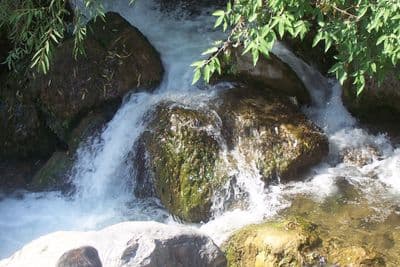
Bhatta Falls, Uttarakhand is a scenic waterfall set in the foothills of the Himalaya. It is valued for its natural beauty, local biodiversity and as a peaceful picnic and day‑trip spot for residents and visitors. The falls contribute to the local stream network and support riparian vegetation and birdlife. The site is primarily important for nature‑based recreation rather than documented historical monuments.
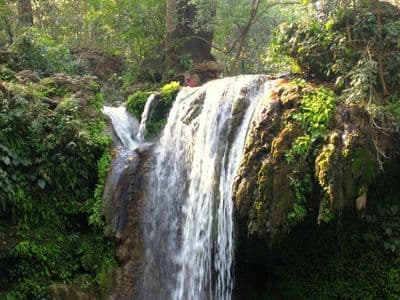
Corbett Falls
Corbett Falls is a scenic waterfall set in the foothills of the Himalaya in Uttarakhand, located in the broader Corbett region. It is valued for its natural beauty, tranquil forested surroundings and as part of the network of rivers and streams that feed into the ecosystems around Jim Corbett National Park. The falls contribute to local ecotourism and support nearby village economies, offering visitors a quieter, nature-focused complement to tiger safaris and forest trails.
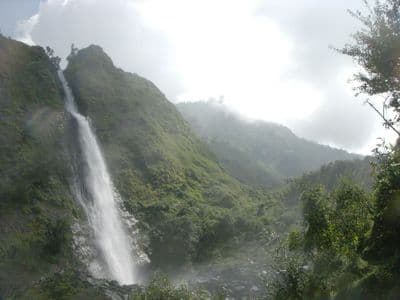
Birthi Falls
Birthi Falls is a scenic waterfall in the Almora region of Uttarakhand, valued primarily for its natural beauty, serene forested setting and local ecological importance. It contributes to the region's biodiversity by supporting riparian vegetation and providing a seasonal water source for nearby villages. While not a major historical monument, the falls are part of the Kumaon hill landscape and reflect the region's natural heritage.
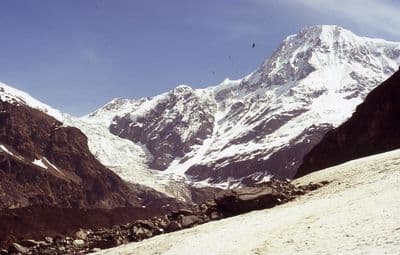
Pindari Glacier
Natural importance: Pindari Glacier is a prominent valley glacier in the Kumaon Himalaya (Uttarakhand). It is an important source of the Pindar River, a tributary of the Alaknanda, and therefore part of the Ganga river system. The glacier and its valley are valued for glaciological studies and as an indicator of climate change in the central Himalaya. The surrounding alpine meadows and moraines support fragile high‑altitude ecosystems.
Cultural importance: The glacier lies in a region with strong Kumaoni traditions. Local communities regard the high mountains and glaciers with cultural and religious respect; the landscape figures in regional devotional and nature‑worship practices.
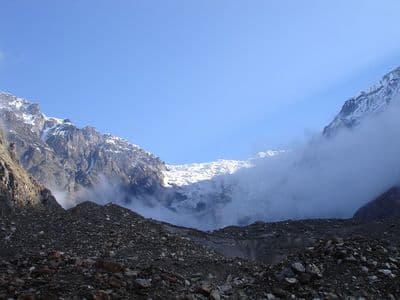
Kafni Glacier
Kafni Glacier is an important Himalayan glacier in the Kumaon region of Uttarakhand, valued primarily for its natural and scenic significance. It feeds the Kafni River, which contributes to the local river systems and valley ecology. The area around the glacier is characteristic of high-altitude alpine landscapes, with moraines, glacial streams, and rich Himalayan flora and fauna in the lower reaches. For trekkers and nature lovers, Kafni offers a quieter, less-crowded alternative to nearby glaciers, making it significant for low-impact adventure tourism and ecological appreciation.
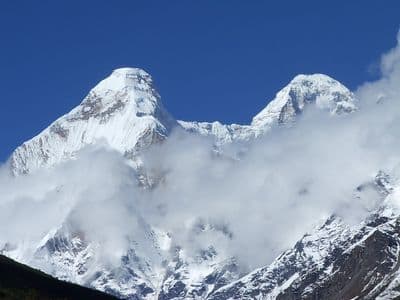
Milam Glacier
Milam Glacier is one of the major glaciers of the Kumaon Himalaya in Uttarakhand. It is the source of the Goriganga River, supports high‑altitude ecosystems, and forms an important natural landmark and water resource for downstream valleys. Historically the Milam–Goriganga valley formed part of traditional trade and pilgrimage routes connecting Kumaon to the Tibetan plateau and served as an approach for early Himalayan explorers and mountaineers.
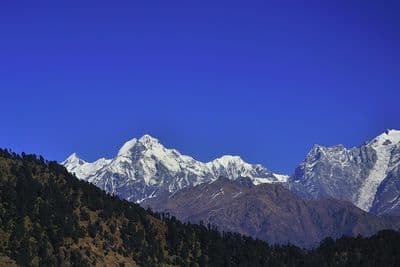
Ralam Glacier
Ralam Glacier is an important high-altitude glacier in the Kumaon Himalaya of Uttarakhand, valued for its natural, ecological and scenic importance. It feeds local streams, contributes to regional hydrology, and forms part of the ridge-and-glacier system of the inner Himalayan ranges. The glacier and surrounding valleys support alpine ecosystems and traditional pastoral livelihoods of nearby villages.
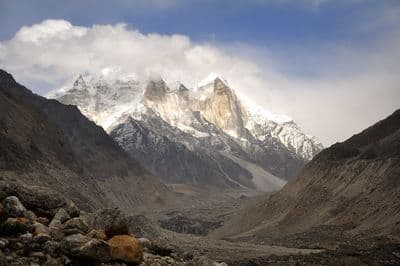
Gangotri Glacier
Gangotri Glacier is one of the primary sources of the River Ganges (Bhagirathi River) and holds immense natural, cultural and religious significance. It sits in the Uttarkashi district of Uttarakhand in the Garhwal Himalaya. Natural importance includes being a major Himalayan glacier feeding perennial rivers that sustain large populations downstream and supporting alpine ecosystems. Cultural and religious importance stems from the glacier being the origin of the sacred Ganga; Gangotri town and the Gangotri Temple are key pilgrimage sites in Hindu tradition.
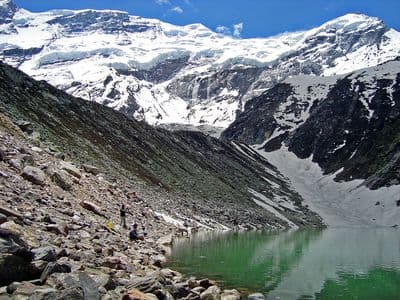
Satopanth Glacier
Satopanth Glacier is a high-altitude glacier in Uttarakhand that is both a natural landmark and a place of cultural reverence. The glacier feeds major headwaters of the Himalaya and plays an important role in the region's hydrology. Its remote, rugged landscape offers classical Himalayan glaciology features (icefalls, moraines, crevasses) and superb views of surrounding peaks. Culturally, the name Satopanth means "Path of Truth", and the area is associated with local Hindu traditions and nearby pilgrimage routes, including the Badrinath area.
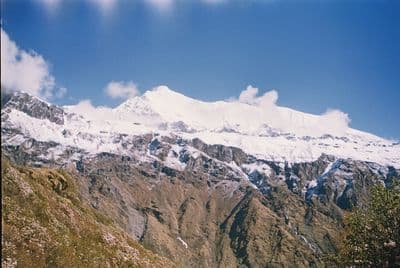
Sunderdhunga Glacier
Natural importance: Sunderdhunga Glacier is a high‑altitude glacier in the Kumaon Himalaya of Uttarakhand that feeds seasonal streams and supports fragile alpine ecosystems. It is valued for its scenic valley, moraine formations and as a water source for downstream communities. The area is also important for biodiversity typical of the western Himalaya and for traditional pastoral and mountain‑agriculture practices of local Kumaoni villages.
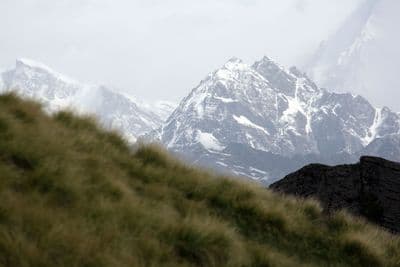
Namik Glacier
Namik Glacier is part of the Kumaon Himalaya in Uttarakhand and contributes to regional water sources and local microclimates. As a Himalayan glacier, it is important for downstream river systems, local biodiversity, and as an indicator of climate change in the region. The glacier and nearby high-altitude landscapes are valued by local communities for grazing, seasonal agriculture in adjacent valleys, and traditional mountain livelihoods.
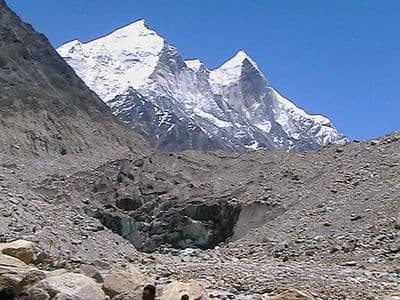
Gaumukh
Gaumukh (Gomukh) is the sacred snout of the Gangotri Glacier and traditionally identified as the primary source of the River Ganges. It is one of Hinduism's holiest pilgrimage destinations and holds immense cultural and religious importance as the place where the celestial river Ganga emerges into the plains. Naturally, Gaumukh is significant as the visible terminus of the Gangotri Glacier, offering dramatic glacial landscapes and views of nearby peaks such as Shiva Lingam (Shivling) and Chaukhamba.
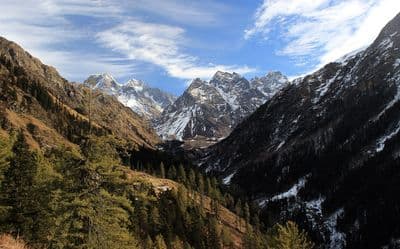
Har Ki Dun
Har Ki Dun is a cradle-shaped alpine valley located in the Garhwal Himalaya of Uttarakhand, falling within the Govind Pashu Vihar National Park and Wildlife Sanctuary. It is important for its high-altitude biodiversity (rhododendron and oak forests, alpine meadows), traditional Himalayan villages, and as a classic example of a Himalayan U-shaped glacial valley. The valley is culturally significant to local Kumaoni and Garhwali communities and forms part of the larger Swargarohini range landscape that features in regional lore.
Nelong Valley
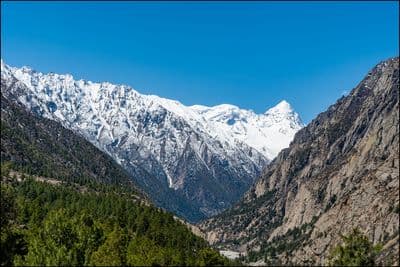
Nelong Valley is a high-altitude Himalayan valley in Uttarkashi district, Uttarakhand, India, located in the Greater Himalaya near the Tibet (China) border. It is part of the Gangotri National Park and is of high ecological significance due to its pristine alpine ecosystems, rare flora and fauna, and glacial-fed river systems. Historically and culturally, the valley lies on old Himalayan trade and pilgrim routes and is part of the broader Garhwal cultural landscape, with nearby settlements inhabited by Bhotiya communities who have unique trans-Himalayan cultural ties.
Soar Valley
Soar Valley is a lesser-known Himalayan valley in Uttarakhand noted for its natural beauty, traditional mountain villages, and biodiversity. While not a major tourist hub, it represents the rural Himalayan way of life — pastoral agriculture, terraced fields, and small temples — and contributes to local ecological networks (forests, alpine meadows, and mountain streams). Visitors find a quieter, more authentic experience compared with well-trodden destinations. Conservation of native flora and fauna and sustainable village livelihoods are locally important.
Pinder Valley
Pindar (Pinder) Valley is an important Himalayan valley in Uttarakhand's Kumaon region formed by the Pindar River, which originates from the Pindari Glacier. The valley is valued for its dramatic alpine scenery, biodiversity (subalpine and alpine meadows, rhododendron and oak forests), traditional Kumaoni villages and pastoral culture. It is also a gateway for popular glacier treks and provides panoramic views of high Himalayan peaks such as Nanda Devi, Nanda Kot and other Kumaon giants.
Dayara Bugyal
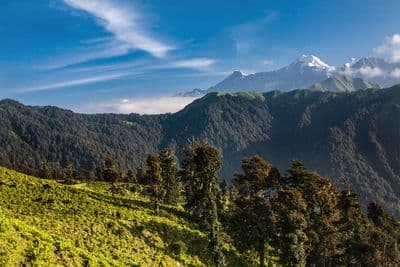
Natural importance: Dayara Bugyal is one of the largest high-altitude alpine meadows (bugyals) in Uttarakhand, valued for its expansive grassy slopes, seasonal wildflowers, and panoramic Himalayan views. It plays an important role in local pastoralism as summer grazing grounds for communities (Gaddis) and is a key destination for eco-tourism in the Uttarkashi region.
Cultural significance: The meadow is intertwined with the transhumance grazing traditions of local shepherd communities. Visiting the bugyal offers insight into Kumaoni mountain life and pastoral practices.
Conservation note: Dayara Bugyal lies in a fragile alpine ecosystem; flora and fauna are sensitive to overuse and seasonal grazing patterns. Sustainable visitor behavior is important to preserve the meadow.