Places to visit in Rajasthan
Planning a trip to Rajasthan? Here is a complete guide to the best places to visit—from popular tourist attractions to offbeat spots you would not find in every guidebook. Get ready to explore, experience, and fall in love with Rajasthan!
Top 112 curated places to visit in Rajasthan
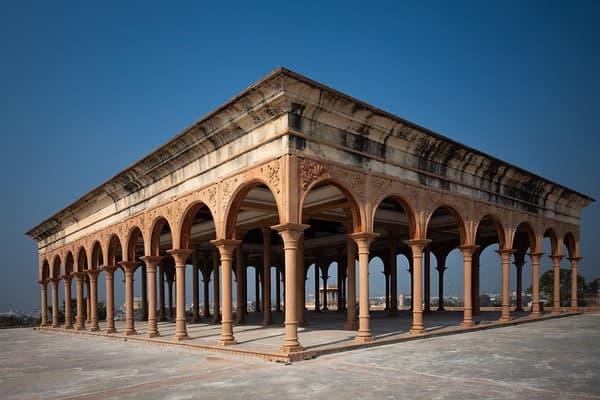
Jaigarh Fort
Jaigarh Fort (built by Maharaja Jai Singh II in 1726) is a formidable hilltop fortification overlooking Amber Fort and Maota Lake in Jaipur, Rajasthan. It was constructed mainly as a military stronghold to protect the royal arsenal and the city. The fort is famous for housing the Jaivana—one of the world's largest wheeled cannons—and for its robust red sandstone ramparts, strategic bastions, and well-preserved military architecture. Jaigarh also features ingenious water harvesting and storage systems typical of Rajput engineering and sits on the Aravalli range, offering sweeping views of the surrounding landscape.
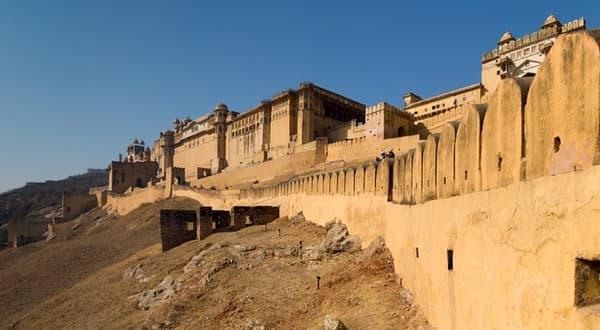
Nahargarh Fort
Nahargarh Fort was built in 1734 by Maharaja Sawai Jai Singh II as part of the defensive ring around Jaipur. Perched on the Aravalli hills, it provided strategic oversight of the city and trade routes. Architecturally it reflects Rajput military and palace design, and later additions show early European influences. The fort is integral to Jaipur's historical landscape together with Amer and Jaigarh forts, and today is an important cultural and scenic landmark for both local people and visitors.
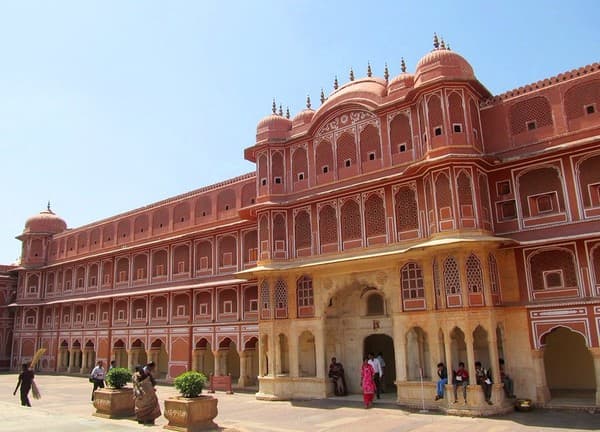
City Palace, Jaipur
City Palace, Jaipur is a major historical and cultural landmark built between 1729 and the early 20th century by Maharaja Sawai Jai Singh II and subsequent rulers. It served as the ceremonial and administrative seat of the Maharaja of Jaipur and remains a working royal residence. Architecturally it showcases an elegant fusion of Rajput, Mughal and European styles and houses an extensive collection of royal costumes, arms, paintings and manuscripts that reflect Rajasthan's princely history and courtly culture.
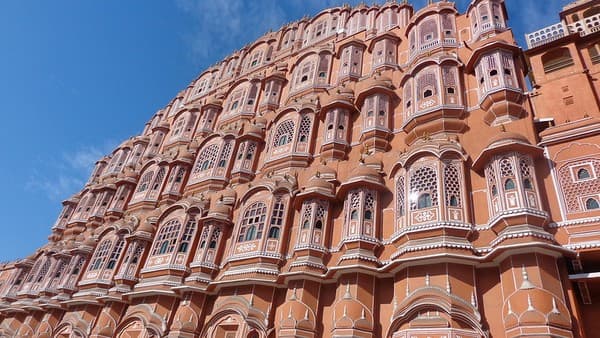
Hawa Mahal
Hawa Mahal (Palace of Winds) is an iconic late-18th-century façade in Jaipur, Rajasthan, built in 1799 by Maharaja Sawai Pratap Singh and designed by Lal Chand Ustad. Constructed in pink sandstone, it exemplifies Rajput architectural style with Mughal influences and served both aesthetic and functional roles—providing ventilation and allowing royal women to observe street life and processions while maintaining purdah.
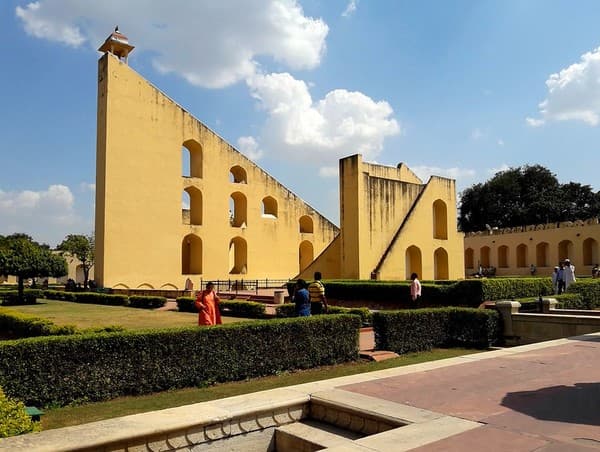
Jantar Mantar, Jaipur
Jantar Mantar, Jaipur is a major 18th-century astronomical observatory built by Maharaja Sawai Jai Singh II (completed c. 1734). It is one of five observatories he commissioned in India and is notable for its large-scale masonry instruments that combine scientific purpose with architectural form. The site was inscribed as a UNESCO World Heritage Site (2010) for its testimony to the close links between astronomy and architecture in pre-modern India and for representing important advances in observational astronomy.
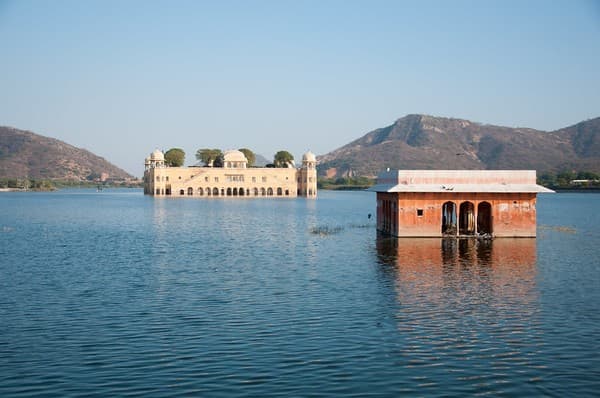
Jal Mahal
Jal Mahal (Water Palace) is an iconic 18th-century palace located in the center of Man Sagar Lake, Jaipur, Rajasthan. Built as a royal lodge and hunting retreat, it exemplifies the blend of Rajput and Mughal architectural styles and is a striking example of Jaipur's historical water-management and leisure architecture. The palace, largely submerged when the lake is full, contributes to the city's cultural identity and skyline.
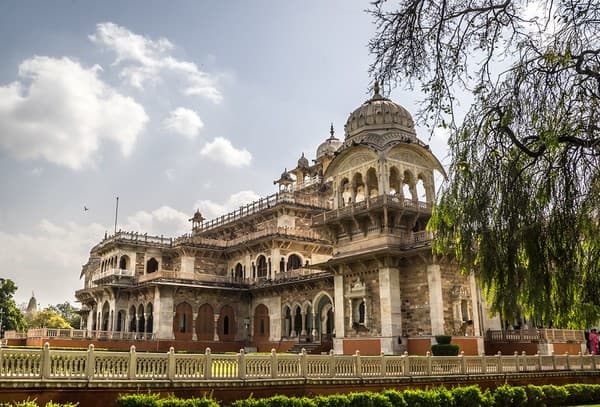
Albert Hall Museum
Albert Hall Museum (Government Central Museum), Jaipur is the oldest museum of the state of Rajasthan and a landmark example of late 19th-century Indo-Saracenic architecture. Situated in Ram Niwas Garden, the building was designed by Sir Samuel Swinton Jacob and built during the late 1800s. The museum houses an extensive and well-preserved collection that illustrates Rajasthan's royal, artistic and craft traditions—making it important for historical research, art history and cultural tourism.
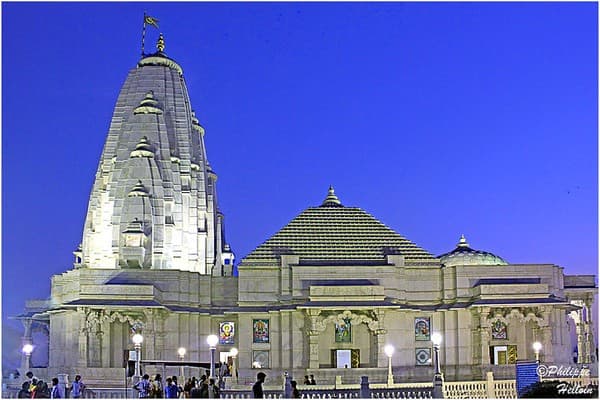
Birla Mandir, Jaipur
Birla Mandir, Jaipur (also known as Laxmi Narayan Temple) is a modern Hindu temple built and maintained by the Birla (Birla Foundation) family. It represents the 20th-century tradition of industrial-philanthropic families sponsoring large devotional and public-architecture projects. The temple is notable for its white marble construction, intricate carvings, and a blend of traditional iconography with modern temple design, making it an important cultural and architectural landmark in Jaipur.
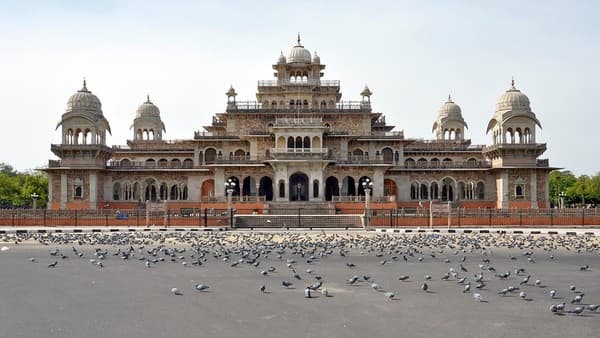
Galtaji Temple (Monkey Temple)
Galtaji Temple (commonly called the Monkey Temple) is an important Hindu pilgrimage complex set in a natural gap of the Aravalli hills near Jaipur, Rajasthan. The site combines religious significance with natural springs — several sacred kunds (water tanks) that feed perennial water sources — and has been a place of worship and ascetic retreat for centuries. The complex reflects Rajput-era temple architecture and pavilion-style buildings that were repaired and enhanced over time, serving both devotional and community functions.
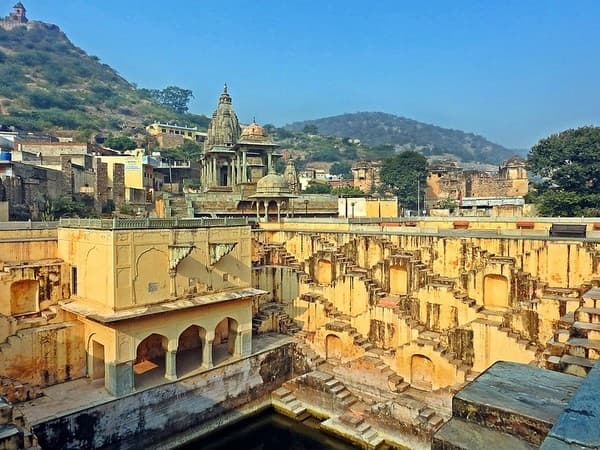
Panna Meena ka Kund
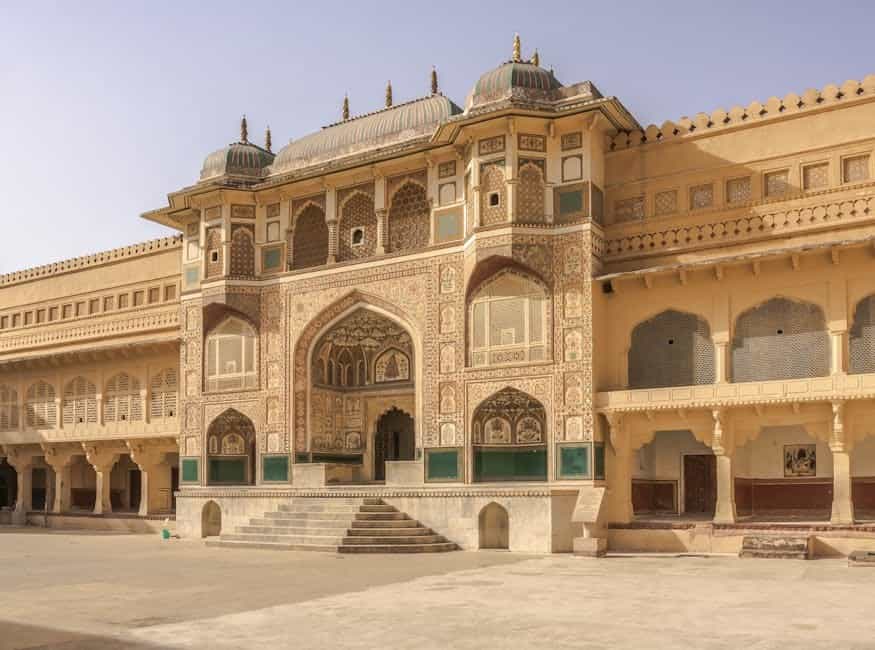
Panna Meena ka Kund is a historic stepwell located near Amber (Amer) Fort in Jaipur district, Rajasthan. Believed to date back to the 16th century, it served as a community water reservoir and reflects traditional Rajasthani stepwell engineering and vernacular architecture. The kund is an important example of water-management structures built before modern plumbing and is valued for its geometric design and cultural context within Amber Palace’s precincts.
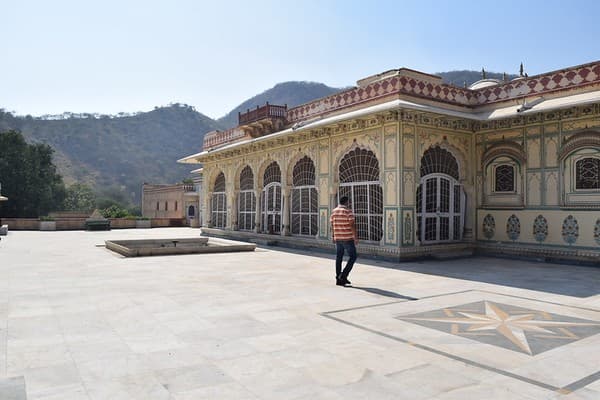
Sisodia Rani Bagh & Garden
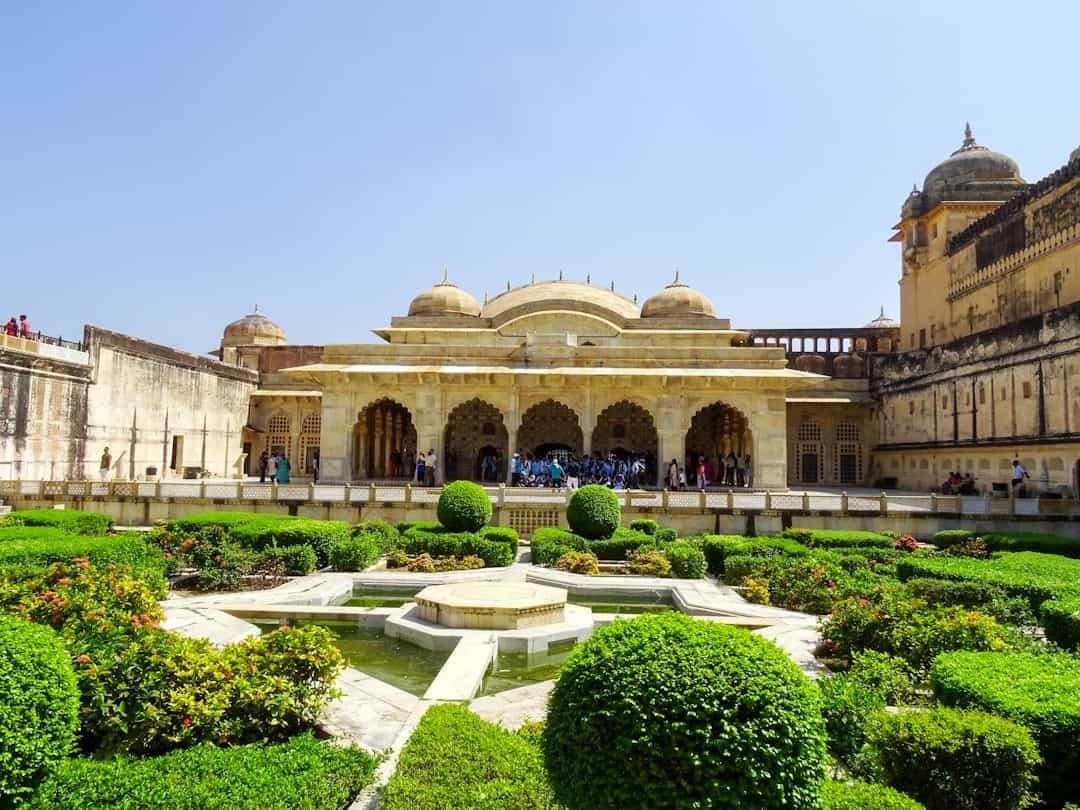
Sisodia Rani Ka Bagh (Sisodia Rani Garden) is an 18th‑century terraced garden near Jaipur built by Maharaja Sawai Jai Singh II for his queen of the Sisodia dynasty. It is a fine example of Rajputana garden design that blends aesthetic landscaping with functional water features and painted pavilions. The site is valued for its cultural significance—frescoes and murals depict scenes from Radha‑Krishna lore and Rajput court life—and as a tranquil natural retreat near the desert city of Jaipur.
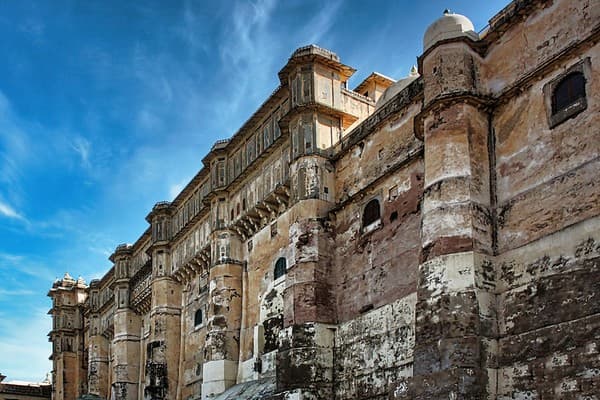
City Palace, Udaipur
The City Palace in Udaipur is a magnificent palace complex built over nearly 400 years, starting in 1553 by Maharana Udai Singh II. It served as the ceremonial and administrative seat of the Maharanas of Mewar and reflects the power, wealth, and artistic patronage of the Mewar dynasty. Architecturally it is a fusion of Rajasthani (Rajput) and Mughal styles, with ornate balconies, towers, cupolas and sprawling courtyards. The palace overlooks Lake Pichola and the Aravalli hills, making it significant both historically and scenically.
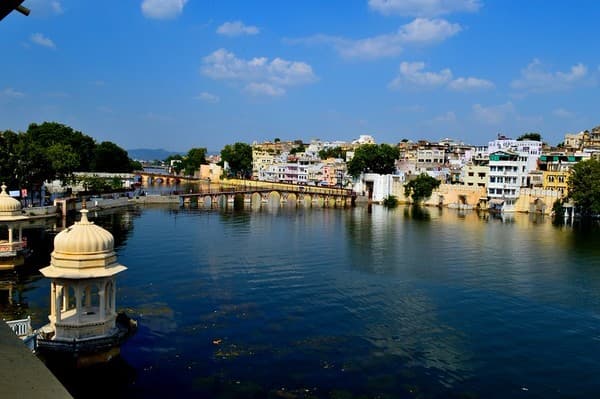
Lake Pichola
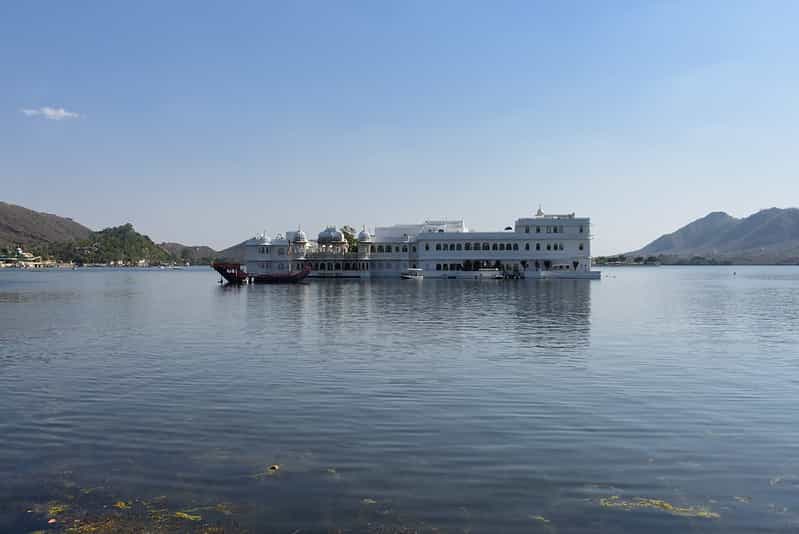
Lake Pichola is a picturesque artificial freshwater lake created in 1362 AD, expanded in the 16th century by Maharana Udai Singh II when he founded Udaipur. It forms the heart of Udaipur’s old city and is integral to the city’s identity — historically providing water, influencing urban layout, and hosting royal palaces and ghats. The lake and its islands (notably Jag Niwas/Lake Palace and Jag Mandir) reflect Rajput architecture and the patronage of Mewar rulers, making it significant both historically and culturally. Naturally, it sits amid the Aravalli hills and supports local birdlife and aquatic ecosystems.
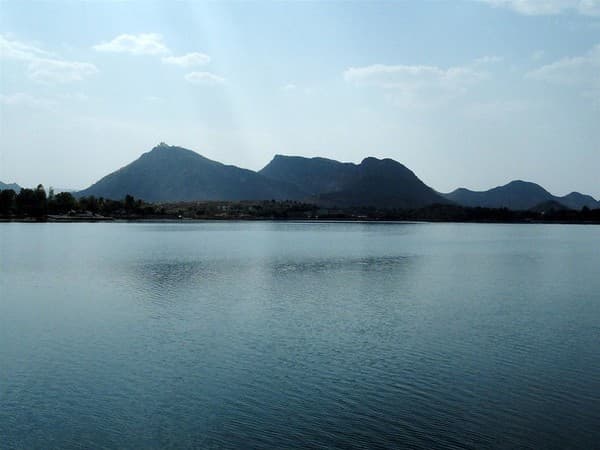
Fateh Sagar Lake
Fateh Sagar Lake is a man-made lake in Udaipur, Rajasthan, that forms an integral part of the city's historic lake system. It provides important recreational, ecological and scenic value — offering panoramic views of the Aravalli hills and serving as a water reservoir. The lake is associated with the royal heritage of Mewar and is named for the royal patronage of the Maharanas (notably Maharana Fateh Singh) who developed and maintained the city’s water bodies.
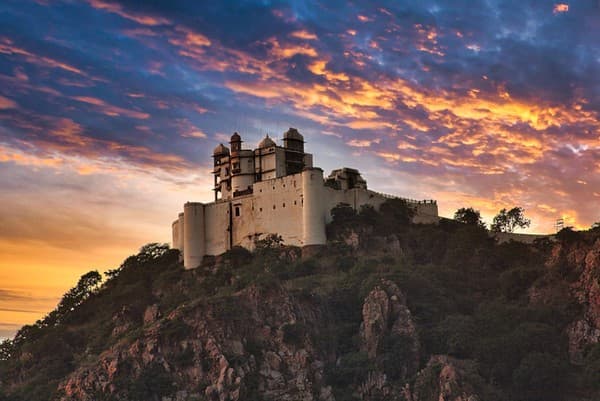
Sajjangarh (Monsoon Palace)
Sajjangarh (Monsoon Palace) is a late 19th-century hilltop palace built by Maharana Sajjan Singh near Udaipur. Perched on the Bansdara Hills of the Aravalli range, it was intended as an observatory to watch monsoon clouds and as a summer retreat for the Mewar royal family. The site has cultural importance as part of Udaipur's royal landscape and natural significance as the high viewpoint overlooking Lake Pichola, Fateh Sagar Lake and the surrounding Aravalli hills.
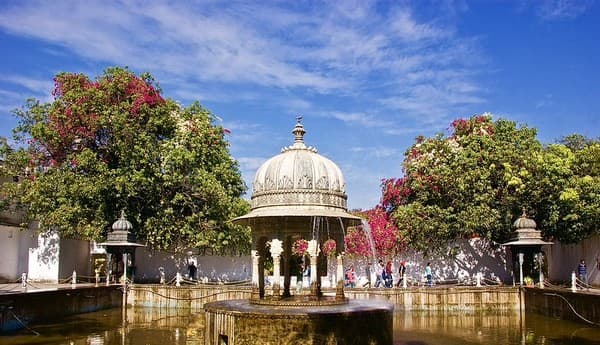
Saheliyon Ki Bari
Saheliyon Ki Bari (Garden of the Maidens) in Udaipur is an exquisite example of 18th-century royal landscape architecture. Commissioned by Maharana Sangram Singh II, it was designed as a leisure garden for the royal ladies and symbolizes the refined courtly life of Mewar. The garden showcases the blend of Rajput and Mughal garden traditions and contributes to Udaipur's reputation as the 'City of Lakes' with its proximity to Fateh Sagar Lake.
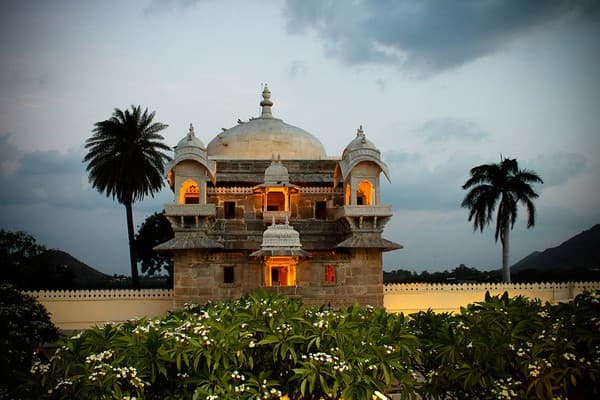
Jag Mandir
Jag Mandir is a 17th-century island palace on Lake Pichola in Udaipur, Rajasthan. Built principally during the reign of Maharana Jagat Singh I, it served as a royal summer retreat, pleasure pavilion and venue for entertaining guests. Architecturally it represents a graceful fusion of Rajput and Mughal styles—marble pavilions, ornate arches, and courtyards set against the scenic backdrop of the Aravalli hills and the lake. The palace has cultural importance as part of Udaipur's royal heritage and contributes to the city's identity as the "City of Lakes."
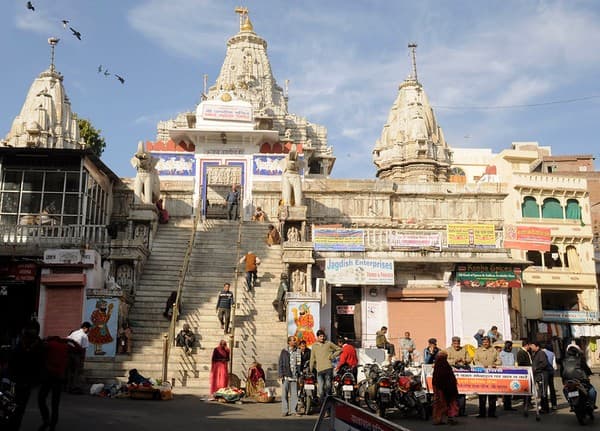
Jagdish Temple
Jagdish Temple is a major 17th-century Hindu temple in Udaipur, Rajasthan, built in 1651 by Maharana Jagat Singh I. It is dedicated to Lord Vishnu (worshipped here as Jagdish) and stands as an important example of traditional North Indian temple architecture in the region. The temple has played an enduring role in the religious and cultural life of Udaipur, serving as a center for worship, festivals, and local gatherings for centuries.
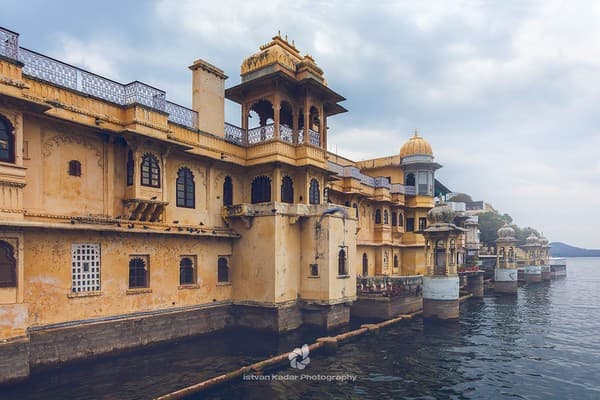
Bagore Ki Haveli
Bagore Ki Haveli, built in the 18th century by Amir Chand Badwa (the prime minister of Mewar), is a fine example of traditional Rajasthani urban architecture and courtly life. Located on the waterfront of Lake Pichola in Udaipur, the haveli reflects the social and administrative history of the Mewar nobility and has been restored to preserve its galleries, courtyards and terraces. Today it functions as a museum showcasing the cultural heritage of Mewar and serves as a center for vernacular performing arts.
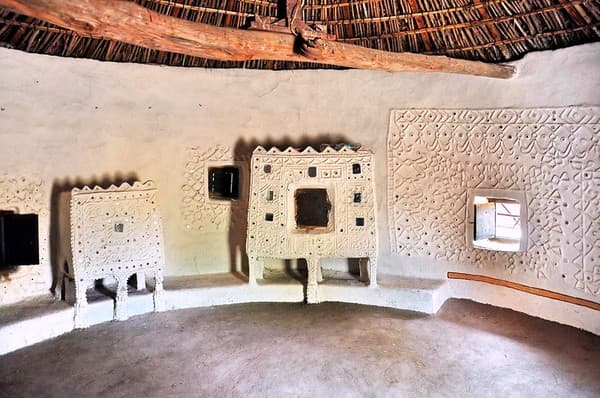
Shilpgram Crafts Village
Shilpgram Crafts Village (Udaipur) is a purpose-built rural arts complex created to preserve, showcase and promote the living crafts, rural lifestyles and folk performing arts of Rajasthan and neighbouring western Indian states. It functions as a cultural exchange hub where artisans and tribal communities display traditional skills such as weaving, pottery, block-printing and puppet-making, helping sustain intangible cultural heritage while offering visitors an immersive experience of rural craft traditions.