Places to visit in Rajasthan
Planning a trip to Rajasthan? Here is a complete guide to the best places to visit—from popular tourist attractions to offbeat spots you would not find in every guidebook. Get ready to explore, experience, and fall in love with Rajasthan!
Top 112 curated places to visit in Rajasthan
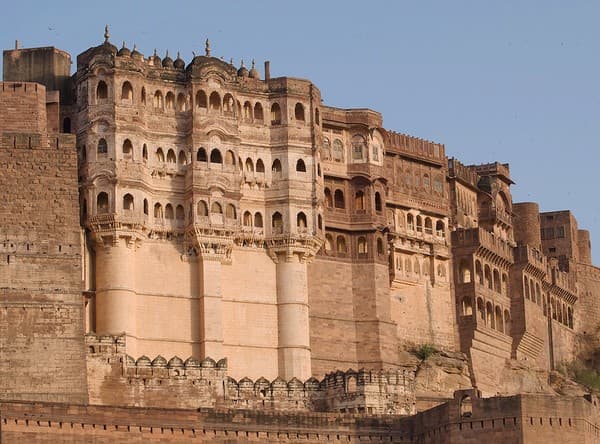
Mehrangarh Fort
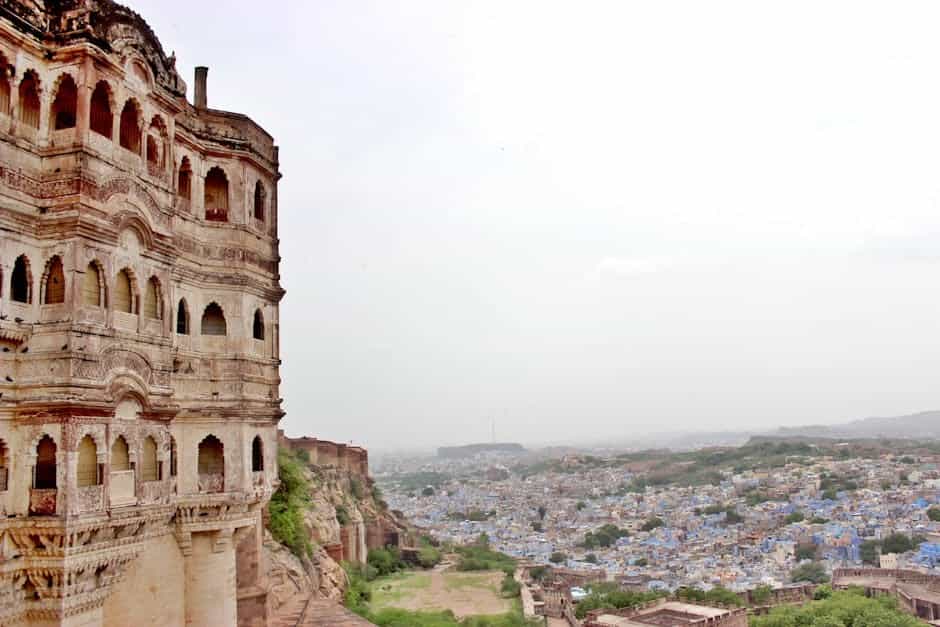
Mehrangarh Fort (the 'Fort of the Sun') is one of India's largest and most well-preserved hill forts. Founded by Rao Jodha in 1459, it crowns a 120-meter (≈410 ft) rocky promontory overlooking Jodhpur and exemplifies Rajput military architecture and courtly art. The fort complex contains palaces, expansive courtyards, a rich museum collection (arms, costumes, paintings, palanquins), and offers panoramic views of the old city — famously known as the 'Blue City'. Mehrangarh also played a central role in Marwar's political and cultural history and remains a living heritage site where traditional crafts, music, and rituals continue.
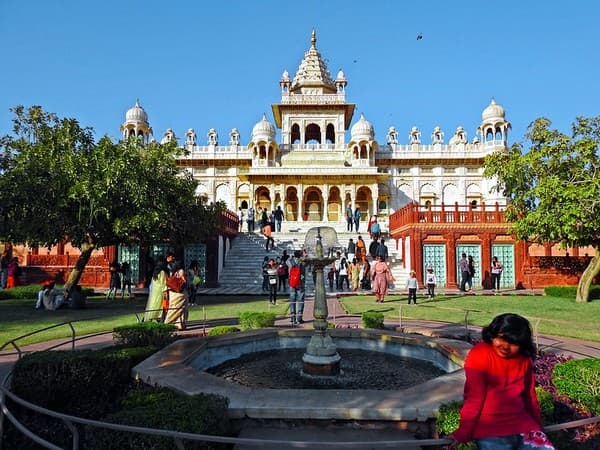
Jaswant Thada
Historical: Jaswant Thada is a late 19th-century royal cenotaph built in 1899 by Maharaja Sardar Singh in memory of Maharaja Jaswant Singh II. It serves as the cremation ground and memorial for the Rathore rulers of Jodhpur and is an important example of Rajput funerary architecture.
Cultural: The site houses intricately carved marble portraits of the royal family and is closely associated with local royal ceremonies and heritage. It is considered a symbol of the city's royal legacy and identity.
Natural/Scenic: Perched close to Mehrangarh Fort, the white marble structure overlooks the old city (the "Blue City") and offers panoramic views; its gardens, reflecting pool and landscaped terraces add to the tranquil, scenic setting.
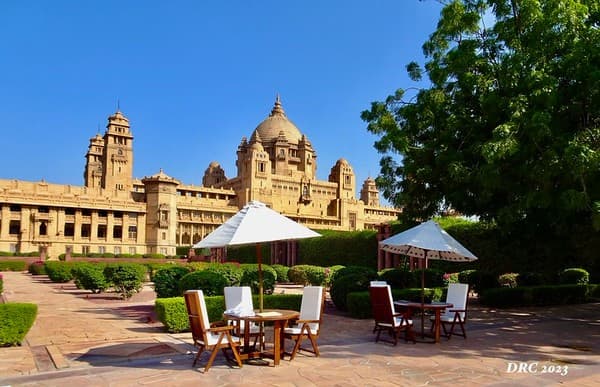
Umaid Bhawan Palace Museum
Umaid Bhawan Palace in Jodhpur, Rajasthan, is a major 20th‑century royal palace built between 1928 and 1943. Commissioned by Maharaja Umaid Singh to provide employment during a famine, it is one of the world’s largest private residences and an important symbol of the Marwar dynasty. The palace mixes Indian and Western architectural ideas and today is split between the erstwhile royal family’s private residence, a luxury Taj hotel, and a public museum that documents Jodhpur’s royal and colonial history.
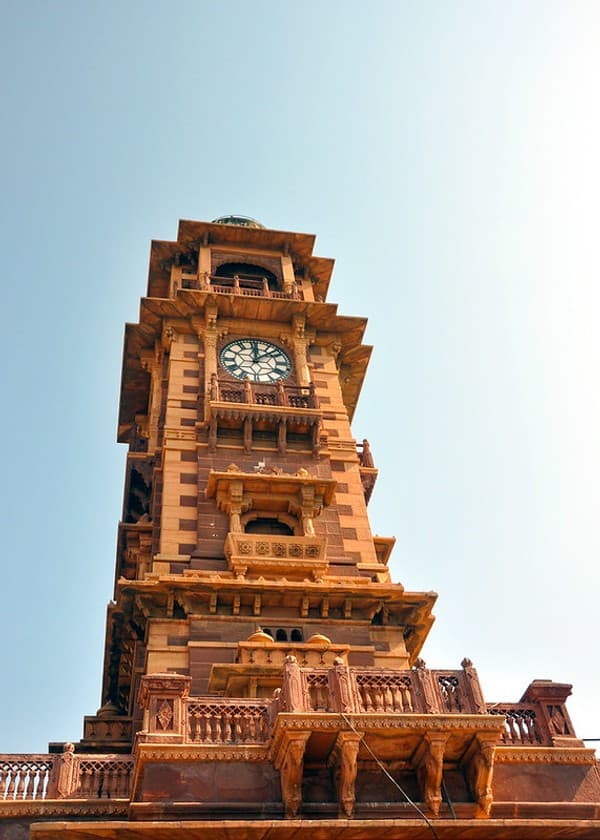
Clock Tower & Sardar Market
Clock Tower (Ghanta Ghar) & Sardar Market, Jodhpur: The Clock Tower (locally known as Ghanta Ghar) and the adjoining Sardar Market form the historic commercial heart of Jodhpur's Old City. The tower is associated with Maharaja Sardar Singh (late 19th–early 20th century), who developed parts of the city; the market that bears his name grew around this landmark and has been a major trading hub for generations. Together they represent the living commercial culture of Marwar — a blend of traditional craft commerce, street food, and daily life amid heritage architecture.
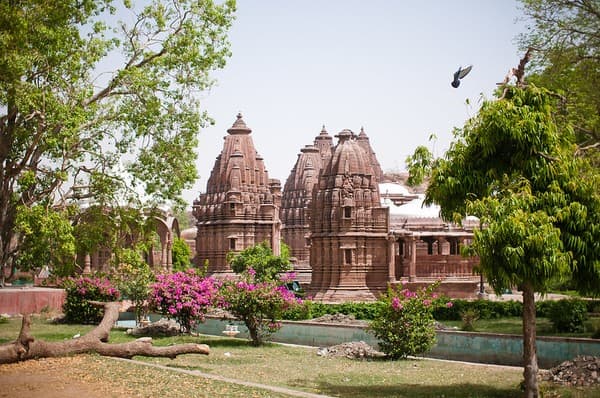
Mandore Gardens
Mandore Gardens, located ~9 km north of Jodhpur, Rajasthan, is the site of the ancient capital of the Marwar kingdom before Rao Jodha founded Jodhpur (15th century). The complex preserves Rajput history through ornate cenotaphs (chhatris) of Rathore rulers, old Hindu temples, and terraces carved from natural rock, making it important for both historical and cultural study of the region.
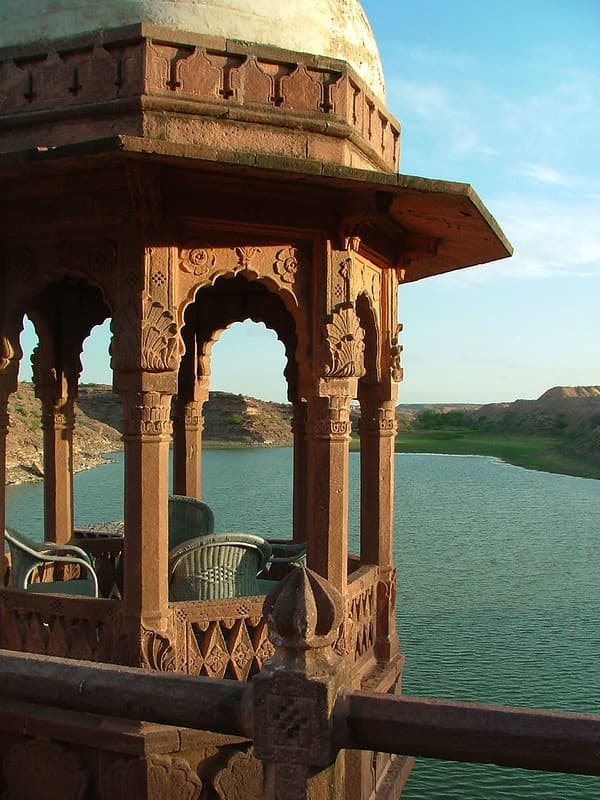
Balsamand Lake
Balsamand Lake (near Jodhpur, Rajasthan) is an artificial reservoir dating back to the medieval period (constructed in the 12th century) that was created to supply water to the nearby historic towns and royal estates. The lake and its adjacent summer palace/garden were important serving areas for the rulers of the region and today form a serene historic and ecological spot showcasing Rajasthan's water-management heritage and desert-edge biodiversity.
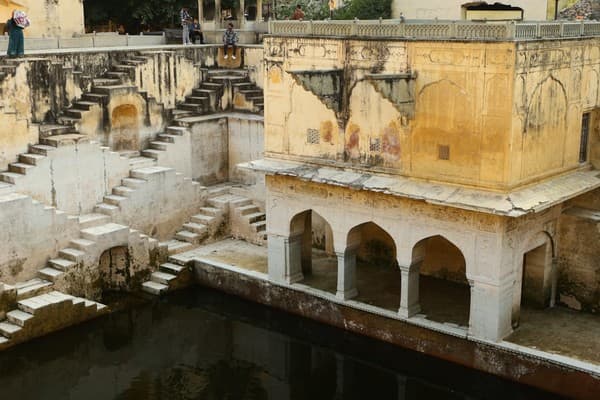
Toorji Ka Jhalra (Stepwell)
Toorji Ka Jhalra is an 18th-century stepwell (baori/baoli) located in the old city of Jodhpur, Rajasthan. Built as a community water-harvesting structure, it exemplifies traditional Rajasthani water architecture that sustained urban life in arid regions. The stepwell served both practical (water storage and cooling) and social functions (community gathering, religious and ritual uses). It is a representative example of the region's adaptation to scarcity of water and an important piece of vernacular heritage in Jodhpur.
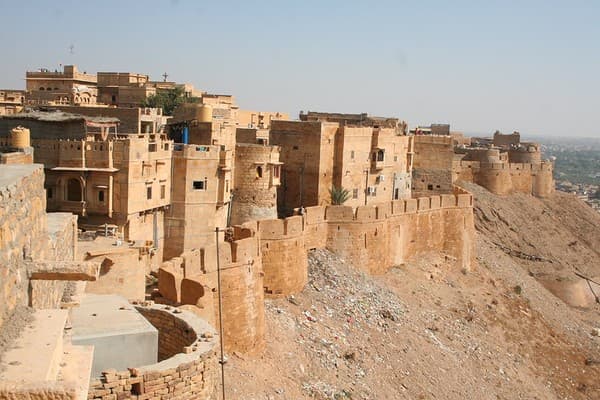
Jaisalmer Fort (Sonar Quila)
Jaisalmer Fort (Sonar Quila), founded in 1156 AD by Rawal Jaisal, is one of the largest fully preserved fortified cities in the world. Built from golden-yellow sandstone, the fort glows like "Sonar Quila" (Golden Fort) at sunrise and sunset. It is a key example of Rajput military architecture and medieval urban planning and is part of the Hill Forts of Rajasthan group recognized for its heritage value. The fort is unique as a living fort — a substantial population still resides within its walls, keeping traditional crafts, trade and community life alive.
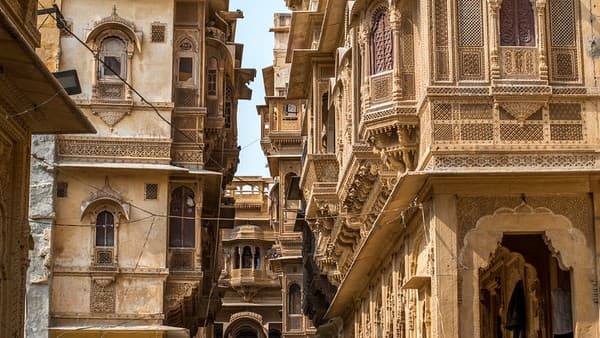
Patwon Ki Haveli
Patwon Ki Haveli is one of the most important and largest haveli complexes in Jaisalmer's old city. Built by the wealthy Patwa merchant family in the early-to-mid 19th century, it showcases the prosperity of trading communities that flourished along desert trade routes. The complex demonstrates exceptional Rajasthani craftsmanship—intricately carved sandstone facades, ornamental balconies (jharokhas), detailed pillars and fresco work—making it a valuable example of desert-town architecture and social history.
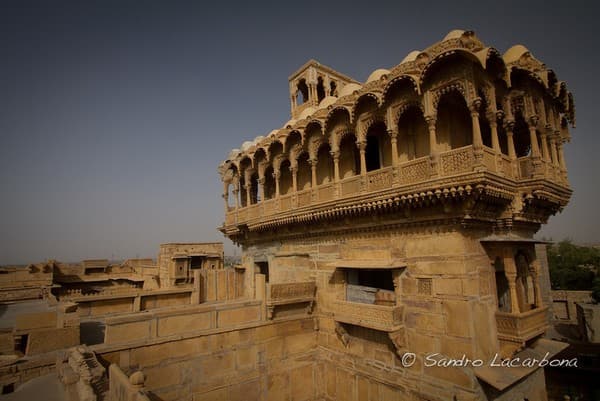
Salim Singh Ki Haveli
Salim Singh Ki Haveli, located within the Jaisalmer Fort complex in Rajasthan, is a notable example of traditional Rajasthani haveli architecture and urban domestic design. Built by Salim Singh, a powerful minister (karni) of the princely state, the building dates to the late 18th–early 19th century and reflects the wealth and aesthetic sensibilities of Jaisalmer's ruling elite. The haveli is valued for its distinctive silhouette, ornate stone carving, and its role in the living history of the fort's old city.
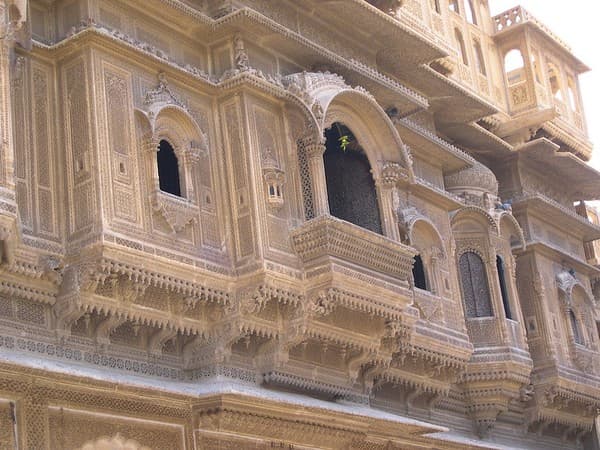
Nathmal Ki Haveli
Nathmal Ki Haveli, located within the old city of Jaisalmer (inside Jaisalmer Fort), is an important example of 19th-century Rajasthani merchant architecture, noted for its ornate sandstone carvings and intricate facades. The haveli reflects the wealth and artisanal craftsmanship of Jaisalmer's mercantile families and forms part of the city's living cultural heritage.
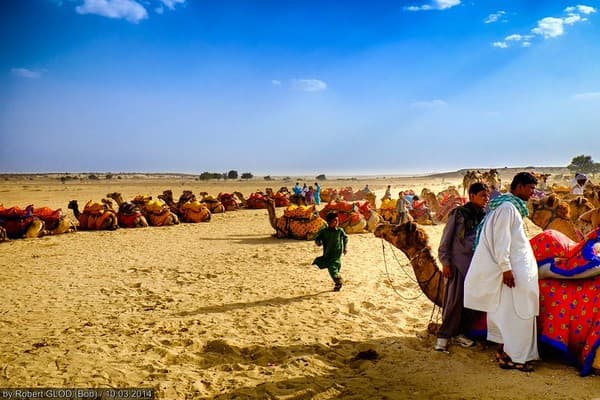
Sam Sand Dunes
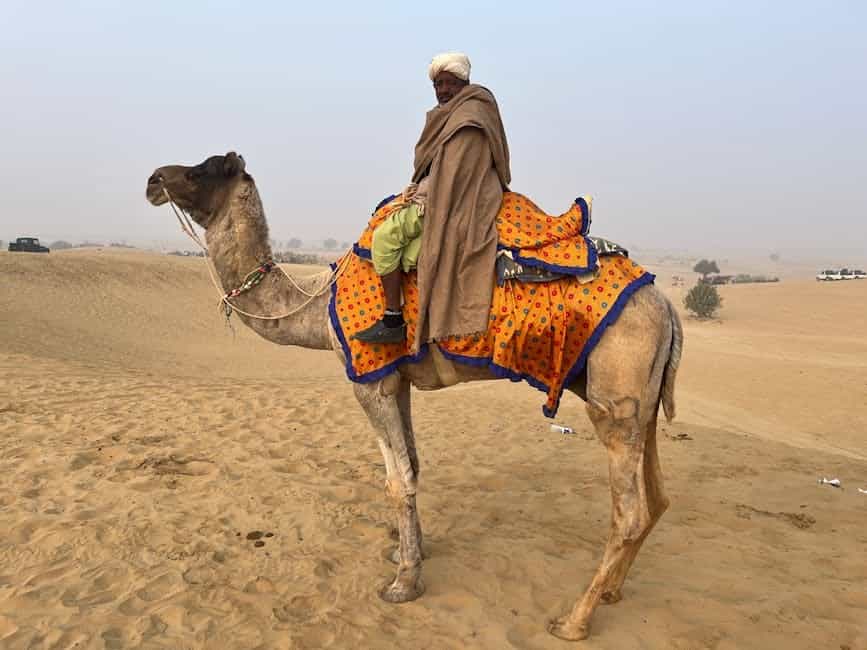
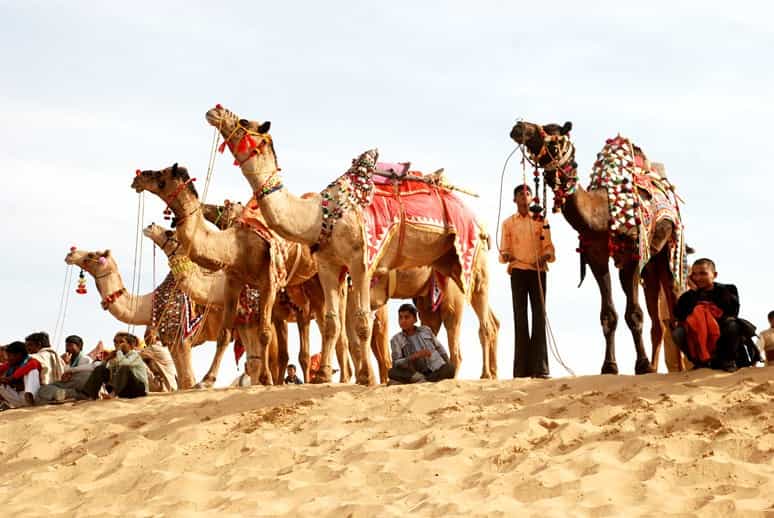
Sam Sand Dunes are a signature landscape of the Thar Desert near Jaisalmer, Rajasthan — famous for their vast rolling sand ridges, desert ecology, and as a living centre for Rajasthani desert culture and hospitality. The dunes are an important tourism spot that showcases traditional nomadic and camel-herding lifestyles and acts as a gateway for experiencing desert ecosystems and star-filled skies.
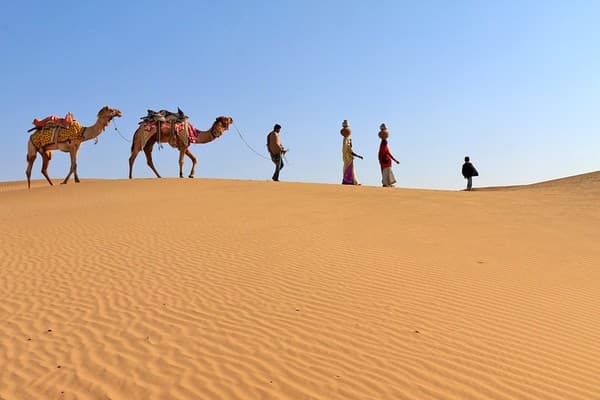
Khuri Sand Dunes
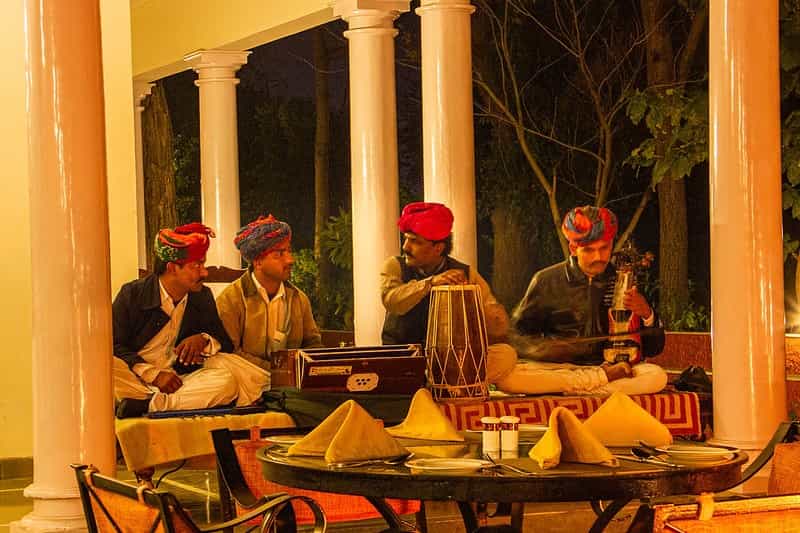
Khuri Sand Dunes are a tranquil stretch of the Thar Desert near Jaisalmer, Rajasthan, valued for their natural desert landscape, sweeping golden dunes and as a living example of desert ecology and traditional Rajasthani rural life. The area offers an authentic, less-commercialized desert experience compared with more famous dunes, and showcases local nomadic and village culture, traditional music, and pastoral livelihoods.
Gadisar Lake
Gadisar Lake (also spelled Gadsisar) is an artificial reservoir in Jaisalmer, Rajasthan, created in the medieval period to harvest rainwater and supply the arid city. Built by the local ruler (commonly attributed to Rawal Gadsisar) in the 14th century, the lake played a critical role in water conservation and urban life in the Thar Desert. It is surrounded by ornate ghats, chhatris (cenotaphs) and small temples, making it both a functional and cultural landmark. Today it is valued for its historical architecture, religious significance and as an ecological stopover for migratory birds.
Desert National Park
Desert National Park (Rajasthan) is one of the largest national parks in India, protecting a representative tract of the Thar Desert ecosystem. Covering approximately 3,162 km², it preserves fragile desert flora and fauna, unique dune systems, and fossil deposits. The park is critically important for conserving rare and endemic species — notably the endangered Great Indian Bustard (GIB) — and for sustaining traditional desert livelihoods and cultural landscapes around Jaisalmer.
Kuldhara Abandoned Village
Kuldhara is an abandoned village near Jaisalmer, Rajasthan, historically inhabited by the Paliwal Brahmin community. It is significant as a well-preserved example of a traditional pre-colonial desert settlement and offers insights into rural planning, architecture and community life in the Thar Desert. The village is also a cultural symbol representing the mass migration of communities in the 19th century and the socio-political pressures of that era.
Junagarh Fort
Junagarh Fort, Bikaner is a late 16th-century fort built by Raja Rai Singh (1593) of the Rathore dynasty. Unlike many Indian forts it is built on plain ground rather than a hill, and it remained unconquered historically. The complex is an important example of Rajput architecture with strong Mughal influences and preserves royal palaces, ornate halls, temples and courtyards that showcase Bikaner's political and cultural heritage. The fort's museums hold rich collections of weapons, manuscripts, textiles and miniature paintings that illuminate regional art and courtly life.
Karni Mata Temple, Deshnok
Karni Mata Temple at Deshnok is a major Hindu shrine in Rajasthan dedicated to Karni Mata, a 15th-century local saint revered as an incarnation of the goddess. The site is culturally significant for local Rajput and Rajasthani communities, attracting pilgrims and tourists for its unique living shrine — thousands of free-roaming sacred rats — and for its ornate marble-and-silver architecture commissioned in the modern era. The temple is an important example of folk-religion traditions blending devotion, local legend, and regional artistry.
Gajner Lake
Gajner Lake is a historically significant artificial lake and royal hunting preserve located near Bikaner in Rajasthan. Created and developed during the reign of the Bikaner maharajas (notably associated with Maharaja Ganga Singh), the lake and the adjoining Gajner Palace served as a seasonal hunting lodge and a royal retreat. Today it is important as a scenic water body and as a protected wildlife area (Gajner Wildlife Sanctuary) that supports local fauna and seasonal migratory bird populations.
Gajner Palace
Gajner Palace is a former hunting lodge and royal retreat set on the edge of Gajner Lake near Bikaner, Rajasthan. Built and expanded by the Bikaner royal family, it served as a seasonal residence and hunting base. Today the palace and surrounding estate form an important example of Rajput architecture adapted for leisure and wildlife viewing, and the property is a gateway to the adjacent Gajner Wildlife Sanctuary, important for resident and migratory birdlife and for conserving local herbivores like chital and nilgai.