Places to visit in Rajasthan
Planning a trip to Rajasthan? Here is a complete guide to the best places to visit—from popular tourist attractions to offbeat spots you would not find in every guidebook. Get ready to explore, experience, and fall in love with Rajasthan!
Top 112 curated places to visit in Rajasthan
Mandawa Havelis
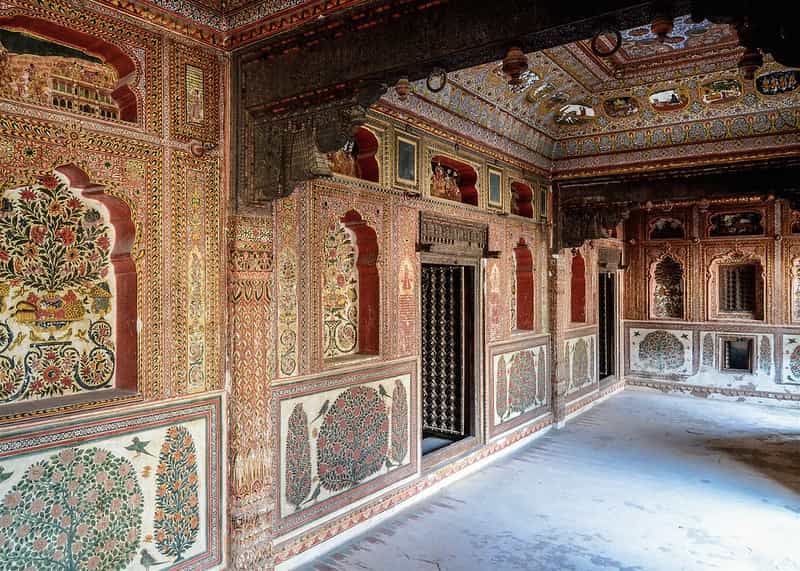
Mandawa Havelis are a celebrated cluster of richly painted merchant mansions in the Shekhawati region of Rajasthan. Built mainly during the 18th and 19th centuries by prosperous Marwari trading families, these havelis served as both residences and showcases of wealth and cosmopolitan taste. The site is considered an open-air art gallery for its extensive frescoes that document social history, religious themes, colonial encounters and mythological narratives—making it important for both cultural history and vernacular architecture studies.
Nawalgarh Havelis (e.g., Poddar Haveli)
Nawalgarh Havelis (Shekhawati region, Rajasthan) are a remarkable example of merchant-era architecture and mural art from the 18th–20th centuries. Built by wealthy Marwari trading families, these havelis served as both residences and status symbols. Their richly painted facades and interiors document a unique blend of Rajasthani, Mughal and colonial influences, and preserve local craftsmanship in fresco painting, stone carving and woodwork.
Fatehpur Havelis
Fatehpur Havelis (in the Shekhawati region of Rajasthan) are an important example of 18th–19th century merchant architecture and wall-painting tradition. The havelis were built by wealthy Marwari traders and feature extensive frescoes that blend local Rajasthani, Mughal and Victorian motifs, making Fatehpur a living open-air art gallery and a significant site for vernacular heritage and social history.
Rao Jodha Desert Rock Park
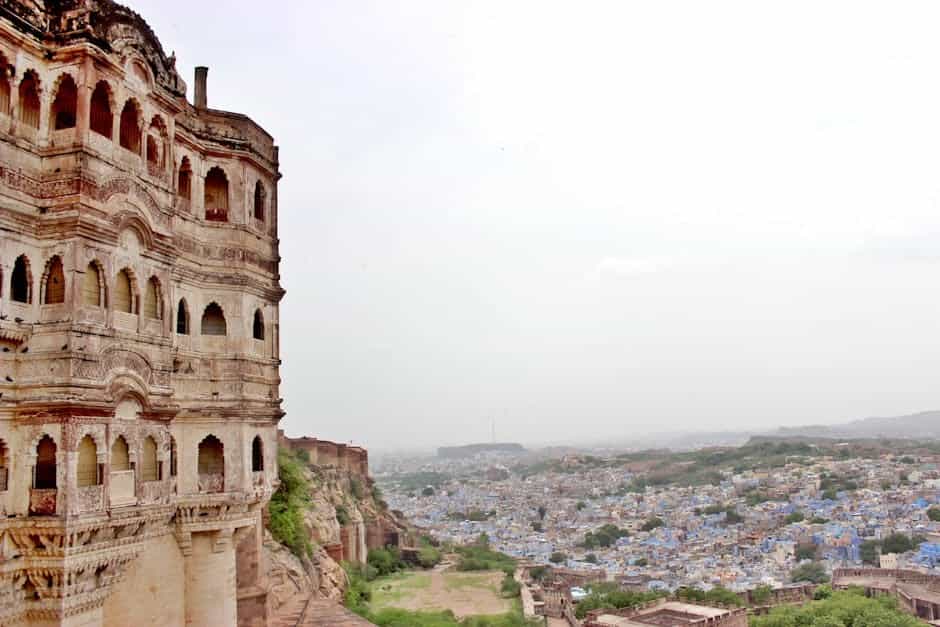
Rao Jodha Desert Rock Park was created to restore and protect the native arid rock ecosystem surrounding Mehrangarh Fort in Jodhpur. It is both a conservation and education initiative that demonstrates reclamation of degraded urban land into a living museum of xerophytic (desert-adapted) flora. The park also enhances the cultural landscape by providing scenic viewpoints of the historical Mehrangarh Fort and the blue city below.
Osian Temples
Osian is an ancient town in the Jodhpur district of Rajasthan, often called the 'Khajuraho of Rajasthan' due to its finely carved Hindu and Jain temples dating from the 8th to 12th centuries CE. The temples are significant for their architectural synthesis of North Indian Nagara style and early medieval temple art, showcasing exceptional stone carving, iconography, and sculptural detail. Osian served historically as an important center on trade routes and as a religious and cultural hub in the Marwar region, reflecting the region's religious pluralism with coexisting Shaiva, Vaishnava and Jain monuments.
Sambhar Salt Lake
Sambhar Salt Lake is the largest inland salt lake in India and has been a major source of salt for centuries. It plays a vital role in the local economy through salt extraction and supports a unique saline ecosystem that attracts migratory birds. The surrounding region also has cultural and religious significance due to the nearby Shakambhari Devi temple and historic salt-town settlements.
Tal Chhapar Blackbuck Sanctuary
Tal Chhapar Blackbuck Sanctuary is an important protected grassland and seasonal wetland in the semi-arid plains of Rajasthan. It is best known for its thriving population of blackbuck (Antilope cervicapra) and for preserving a rare open-scrub and grassland ecosystem that supports a distinctive assemblage of mammals, reptiles and grassland birds. The sanctuary acts as an important refuge for resident and migratory birds during the winter months and is valued for its role in regional biodiversity conservation and ecological research.
Mukundra Hills Tiger Reserve
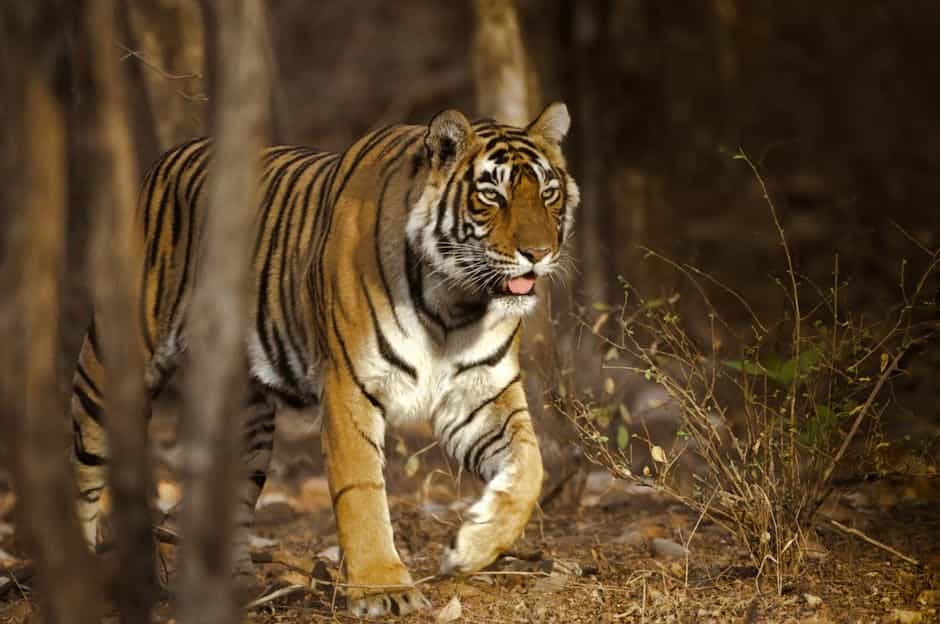
Mukundra Hills Tiger Reserve is an important protected area in Rajasthan that conserves dry deciduous forest and savanna habitat typical of eastern Rajasthan. Notified as a tiger reserve to support expanding tiger populations, it forms a significant link in regional wildlife corridors and supports diverse fauna including Bengal tiger, leopard, sloth bear, sambar, chital and many resident and migratory birds. The reserve also protects important watersheds and the scenic Mukundra hill ranges.
Haldighati
Haldighati is a mountain pass in the Aravalli Range in Rajasthan, India, famous as the site of the 1576 Battle of Haldighati between Maharana Pratap of Mewar and the Mughal forces led by Man Singh I of Amber. The pass is significant for Rajasthani pride and Rajput valour; it is an important symbol of resistance and regional identity. The landscape (yellowish soil resembling turmeric) and surrounding Aravalli hills also have ecological and scenic importance.
Naganecha Mata Temple (Nagalakha)
Naganecha Mata Temple (Nagalakha) is an important local pilgrimage site in Rajasthan dedicated to Naganecha Mata, a regional form of the mother goddess revered for protection and local prosperity. The temple functions as a focal point for village religious life and community gatherings, reflecting Rajasthan's living folk-religion traditions and devotional practices.
Deogarh Mahal
Deogarh Mahal is a restored Rajput-era palace in Deogarh (Rajsamand district), Rajasthan, that showcases the region’s architectural and cultural heritage. Originally built as a fortified residence by local rulers, it reflects traditional Rajput architecture—courtyards, carved balconies (jharokhas), frescoed walls and stone masonry—and today operates as a heritage hotel that helps preserve regional crafts, décor and hospitality traditions.
Thar Desert
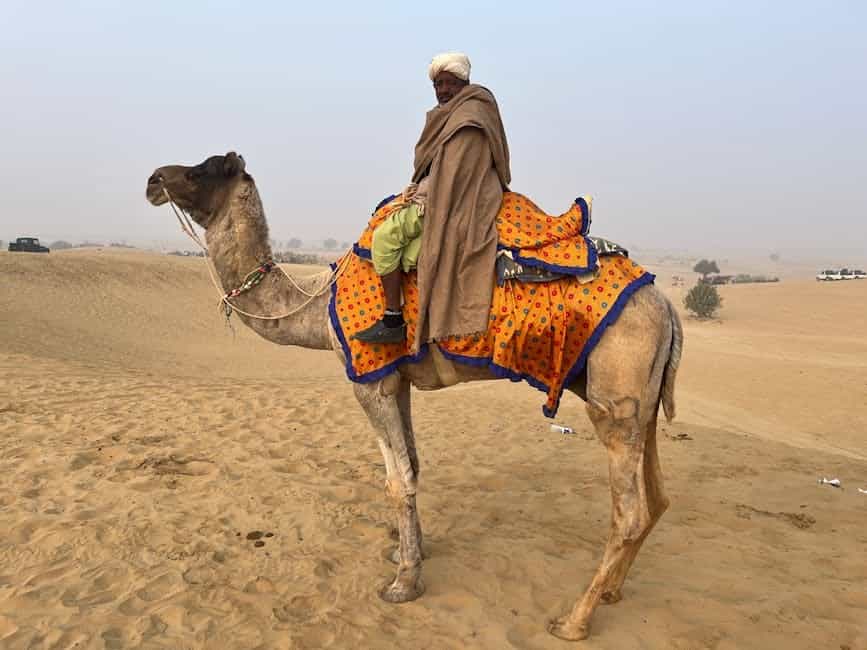
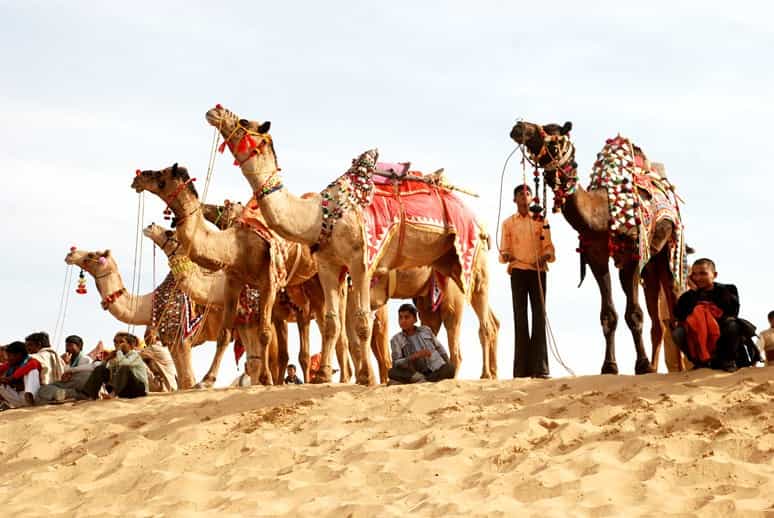
Thar Desert (Great Indian Desert) is the largest desert region in India, spanning much of western Rajasthan. It is important historically as a corridor for ancient trade routes and the development of Rajput kingdoms (notably Jaisalmer, Jodhpur and Bikaner). Culturally it is famous for vibrant folk traditions, music and crafts. From a natural perspective it hosts specialized desert flora and fauna (for example khejri trees, desert fox, chinkara, and pockets of migratory birds) and unique dune ecosystems important for local livelihoods.