Places to visit in Rajasthan
Planning a trip to Rajasthan? Here is a complete guide to the best places to visit—from popular tourist attractions to offbeat spots you would not find in every guidebook. Get ready to explore, experience, and fall in love with Rajasthan!
Top 112 curated places to visit in Rajasthan
Jaipur
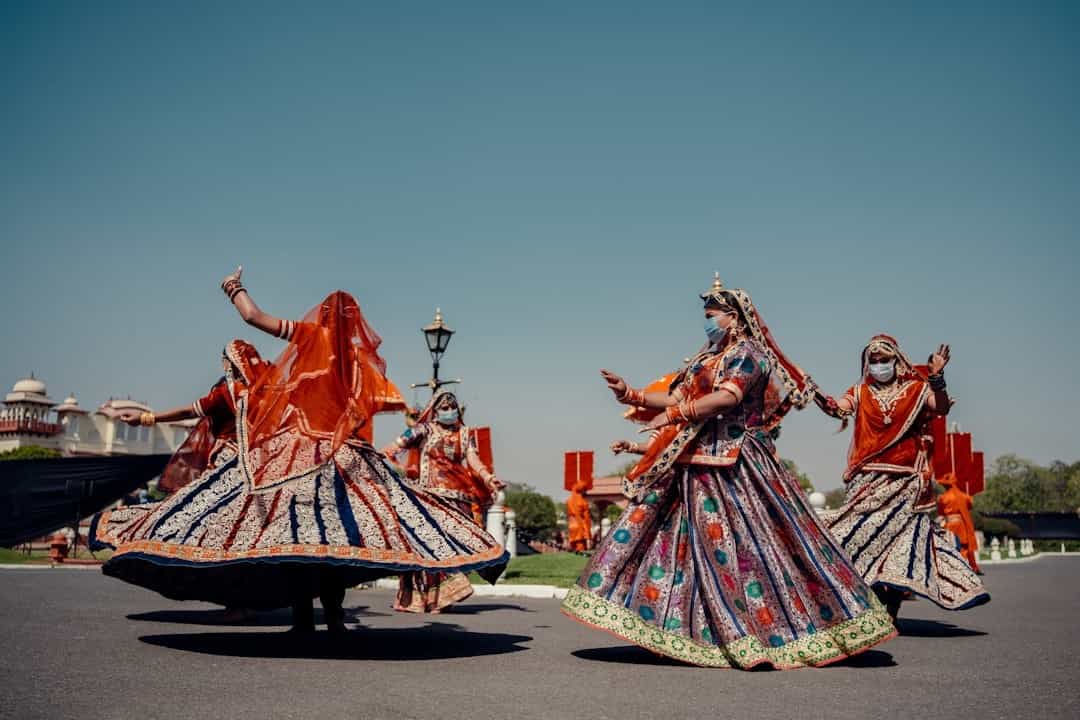
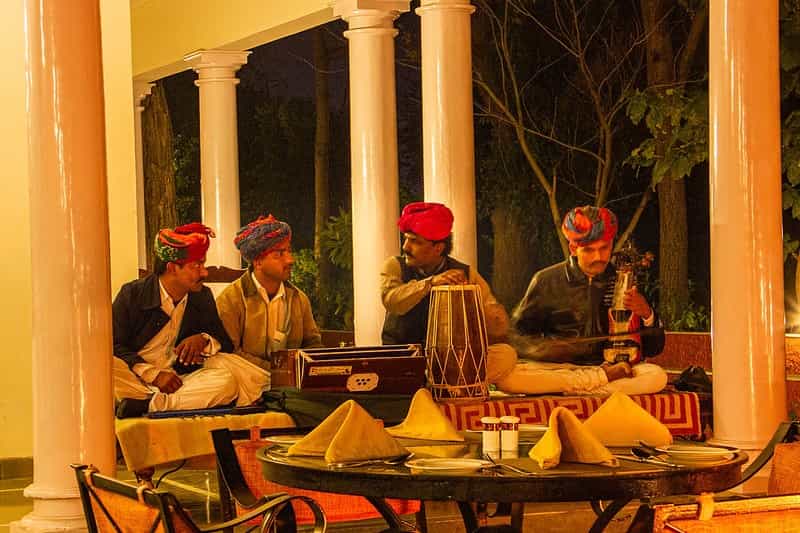
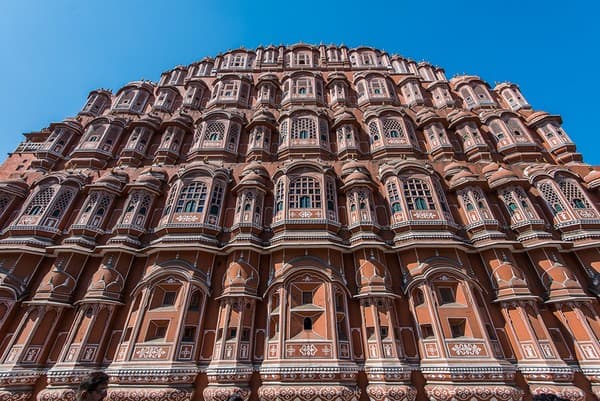
Jaipur, founded in 1727 by Maharaja Sawai Jai Singh II, is the capital of Rajasthan and a key example of planned city architecture in India. Known as the "Pink City" for its distinctive rose-pink painted buildings in the old city, Jaipur blends Rajput palaces, Mughal influences, and early-modern urban planning. The city is a UNESCO World Heritage Site (2019) for its unique urban planning and architectural ensemble. Jaipur is a major cultural center for Rajasthani art, music, dance, crafts, and cuisine.
Udaipur
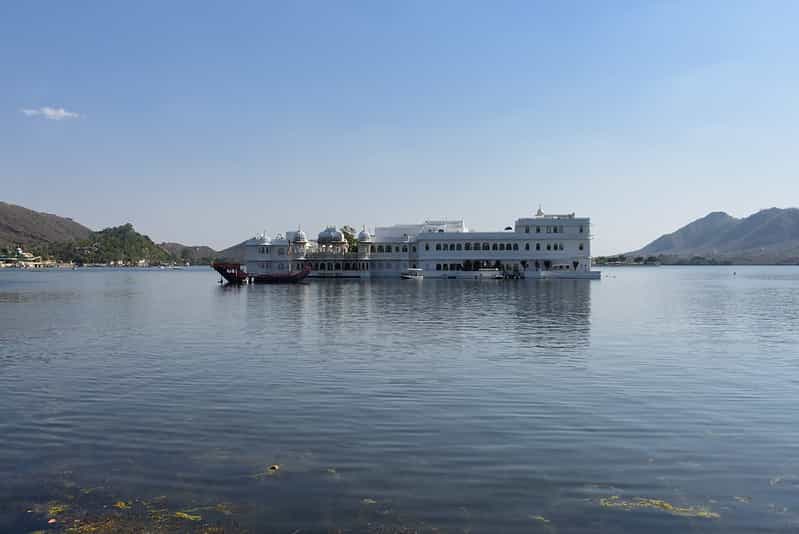
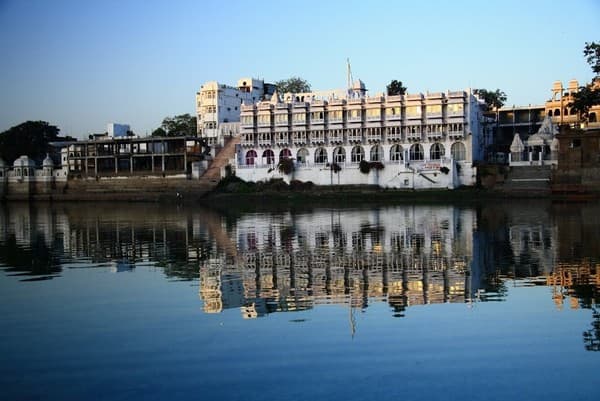
Udaipur — the City of Lakes: Founded in 1559 by Maharana Udai Singh II, Udaipur was the historic capital of the Mewar kingdom. It is a major center for Rajput history, architecture and culture, known for its palaces, temples, and artificial lakes that shape the city's picturesque setting. The city's heritage showcases Rajputana art, miniature painting, intricate stonework and a long tradition of courtly music and dance.
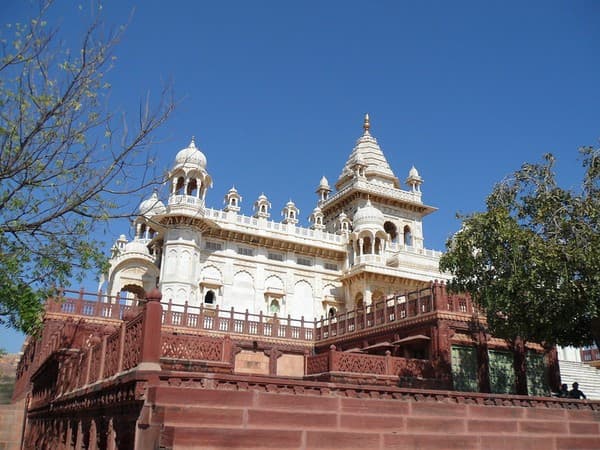
Jodhpur
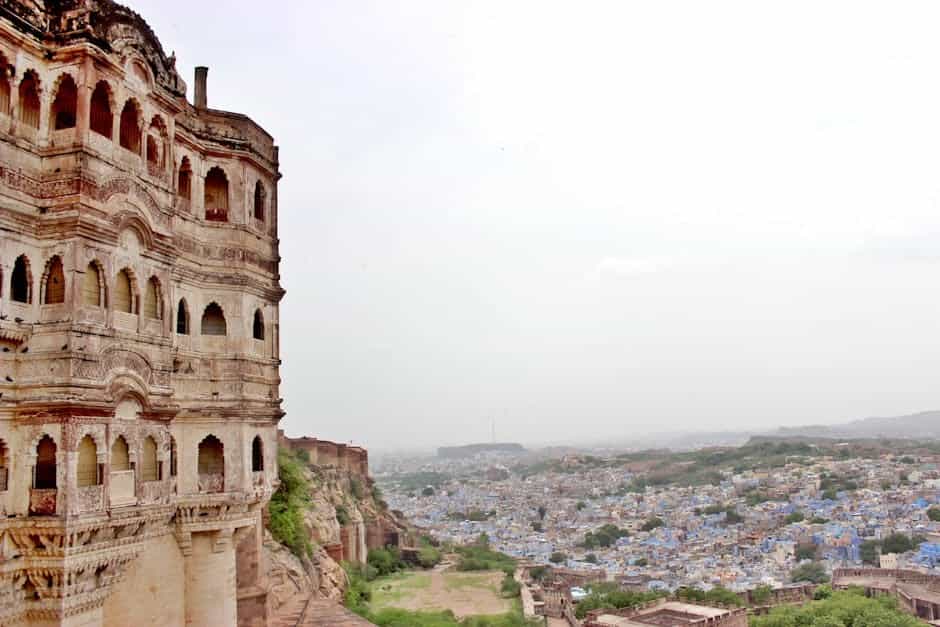
Jodhpur, the historical capital of the Marwar region, is renowned for its imposing forts, palaces and its role as a cultural hub of western Rajasthan. Founded in 1459 by Rao Jodha, the city grew around the magnificent Mehrangarh Fort perched on a rocky hill. Jodhpur's Old City — famously known as the "Blue City" because many houses are painted indigo — offers a window into Rajasthani architecture, urban life and craft traditions. The city is also a gateway to the Thar Desert, making it important for natural and adventure tourism. Jodhpur's museums, royal residences (notably Umaid Bhawan Palace) and music traditions keep Marwar's cultural legacy alive.
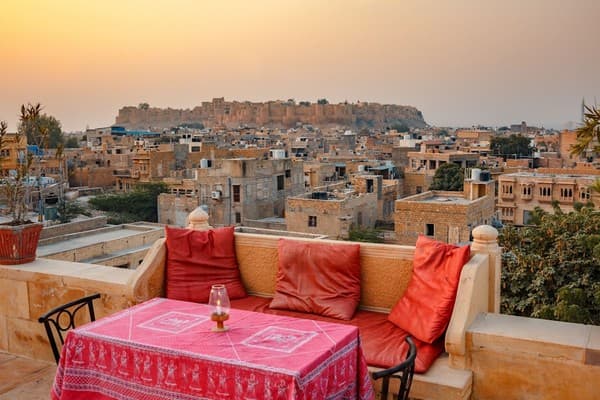
Jaisalmer
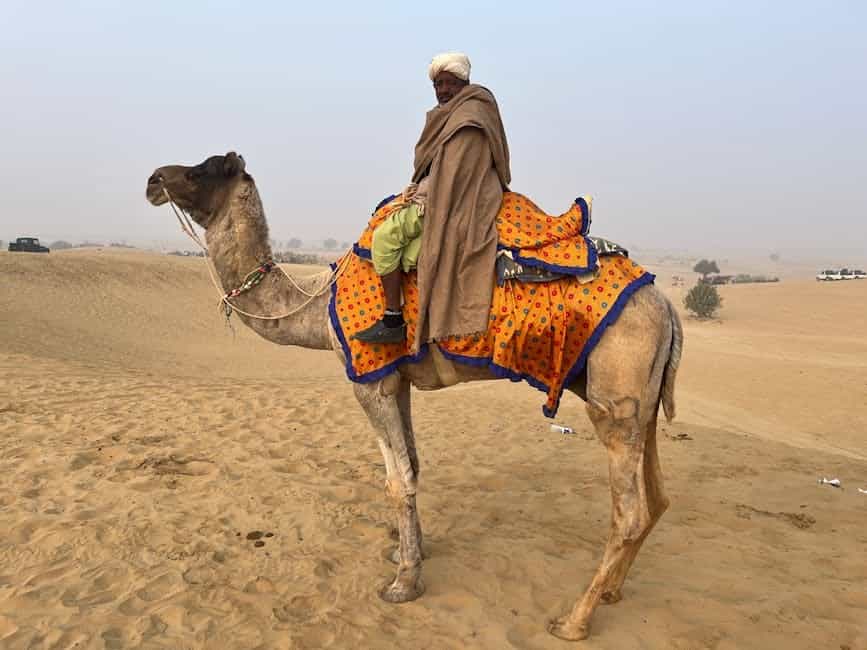
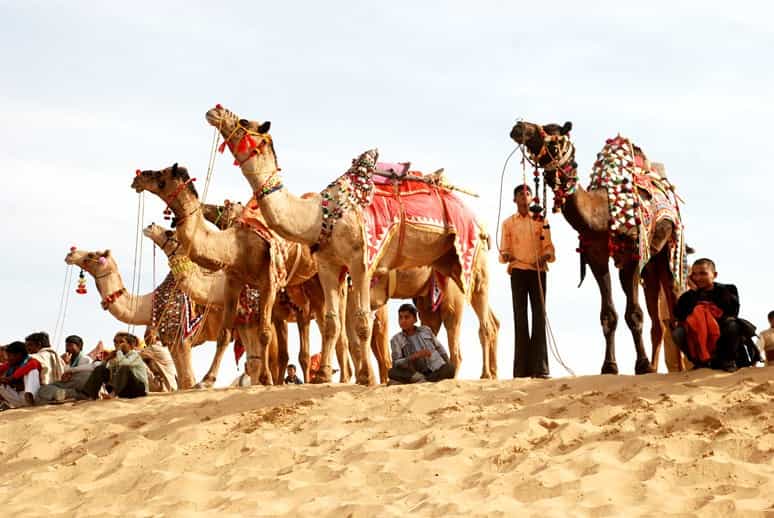
Jaisalmer is a historic fortified desert city in the Thar Desert, known for its sandstone architecture, its strategic role on historic trade routes between India and Central Asia, and its living desert culture. The Jaisalmer Fort (Sonar Quila) is one of the few 'living forts' in the world, with a large population residing within its walls. The city showcases Rajputana heritage, medieval havelis with intricate carvings, and an ecosystem adapted to arid conditions.
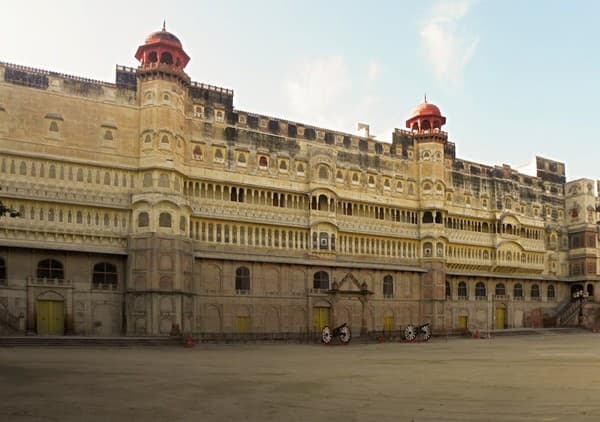
Bikaner
Bikaner, founded by Rao Bika in 1488, is a major historical city in Rajasthan known for its Rajput heritage, well-preserved forts and palaces, and traditional desert culture. It was an important trading and military outpost on camel caravan routes, blending Rajput, Mughal and local influences in its architecture and arts. The region also has ecological importance as part of the Thar Desert landscape, with nearby wildlife and birdlife habitats.
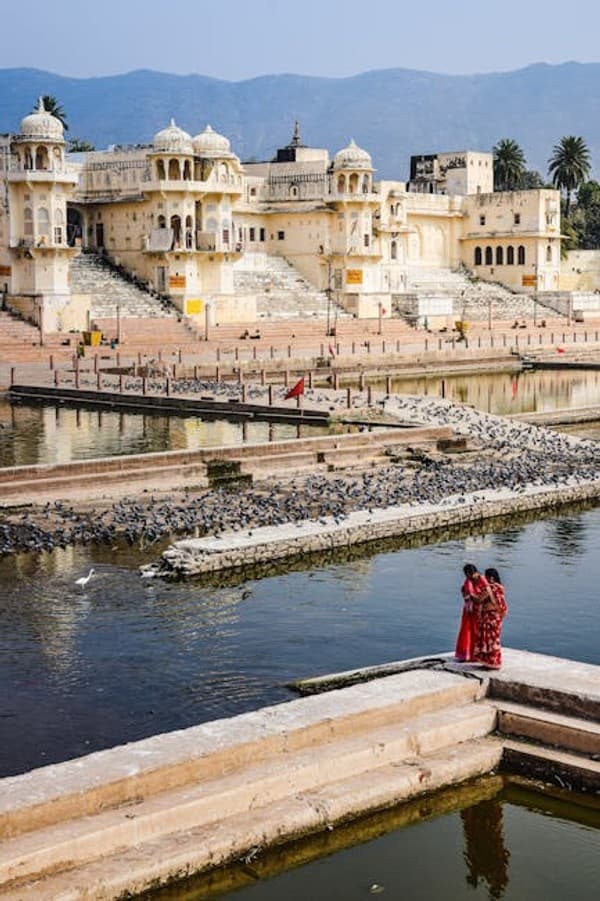
Ajmer
Ajmer is a historic city in Rajasthan known for its deep religious and cultural significance as a major Sufi pilgrimage centre and a crossroads of Rajput and Mughal history. The city hosts the revered Dargah Sharif of Khwaja Moinuddin Chishti, attracting pilgrims from across India and abroad. Ajmer also features important monuments from the Delhi Sultanate and Mughal eras, historic forts, and scenic settings against the Aravalli hills, making it important both historically and naturally.
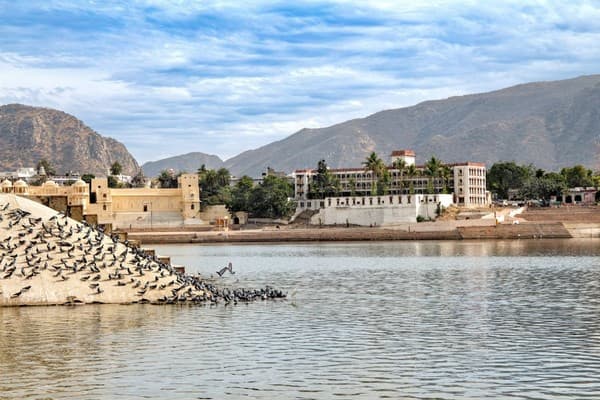
Pushkar
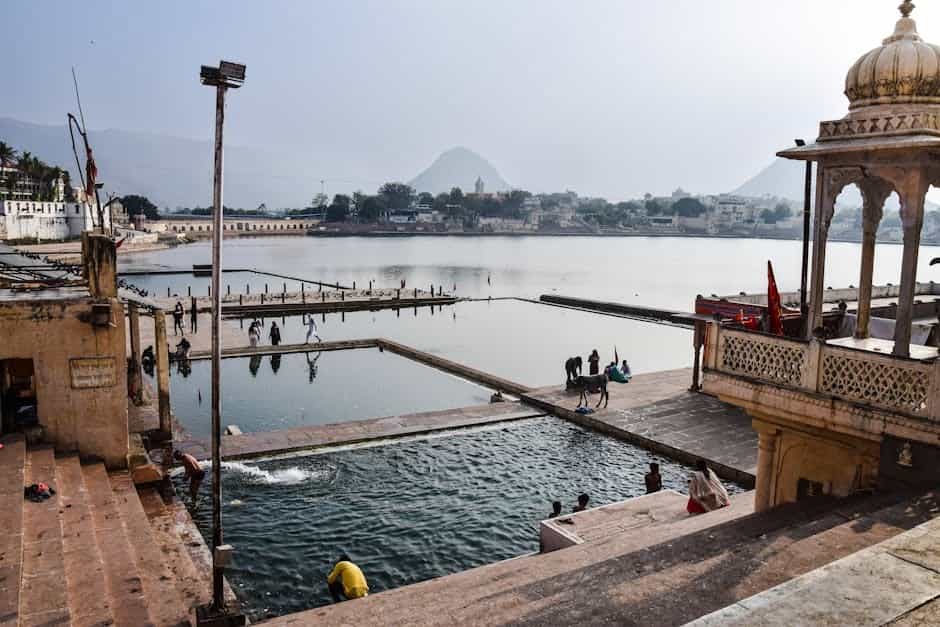
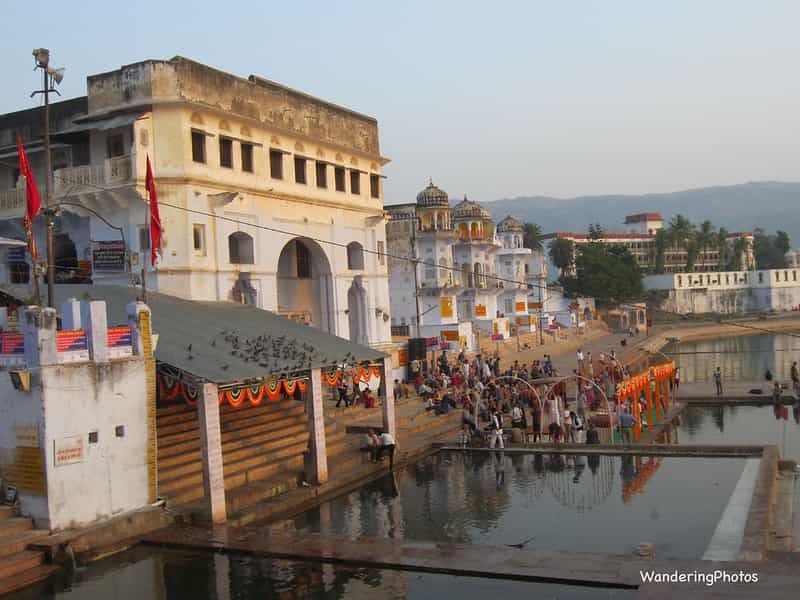
Pushkar is one of India’s oldest and most sacred pilgrimage towns, uniquely known for its association with Lord Brahma — one of the few Brahma temples in the world. The town centers on the holy Pushkar Lake, ringed by 52 ghats where pilgrims perform sacred baths, rituals, and aarti. Culturally rich, Pushkar blends Hindu pilgrimage traditions with Rajasthani rural life and seasonal trading traditions (notably the Camel Fair). The surrounding Aravalli hills add scenic and ecological value.
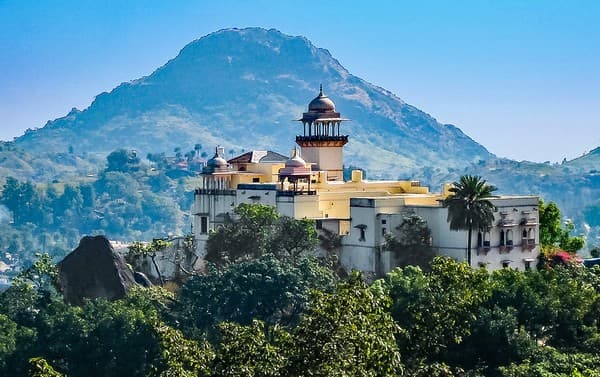
Mount Abu
Mount Abu is the only hill station in Rajasthan, set in the Aravalli Range. It is important for its unique combination of natural beauty, biodiversity (Mount Abu Wildlife Sanctuary), and cultural and religious significance—particularly the world-famous Dilwara Jain Temples renowned for their white marble architecture and intricate carvings. The hill station has been a historical refuge and a pilgrimage site for Hindus and Jains for centuries.
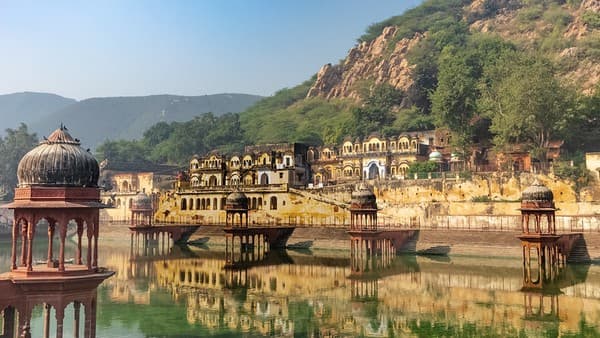
Alwar
Alwar is a historic city in Rajasthan located at the edge of the Aravalli Range. It was the seat of the Alwar princely state and features a mix of Rajput and Mughal architectural influences visible in forts, palaces and havelis. The region is a gateway to the Aravalli hills and several protected wildlife areas, most notably Sariska Tiger Reserve, which conserves native flora and fauna including tigers and leopards. Alwar's cultural importance includes traditional Rajasthani arts, crafts and cuisine, as well as a history of princely patronage that shaped its monuments and museums.
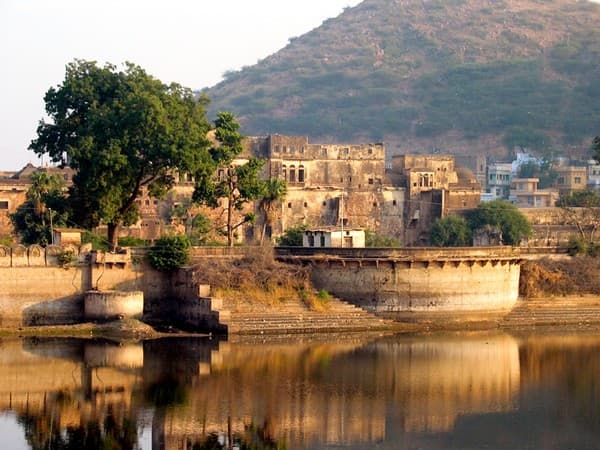
Bundi
Bundi, Rajasthan is a historic fortified town in the Hadoti region noted for its well-preserved palaces, forts, and ornate stepwells. It served as the seat of the Bundi princely state and is famed for the distinctive Bundi school of miniature painting. The town's architecture, murals, and water-harvesting stepwells reflect its cultural and engineering heritage.
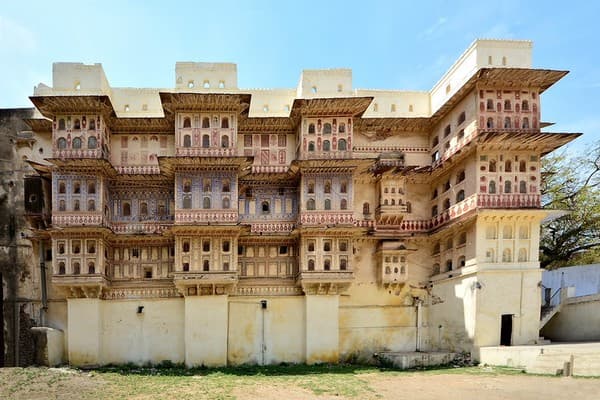
Kota
Kota is a historic city in southeastern Rajasthan, once the seat of the princely state of Kota. It occupies a strategic location on the Chambal River and displays a blend of Rajput-era palaces, fortifications and colonial-era public buildings. Today Kota is also famous as India’s coaching hub for competitive-exam aspirants and for its distinctive Kota stone used in architecture. The surrounding Chambal region supports rich wildlife and riverine ecosystems, making the area important both culturally and naturally.
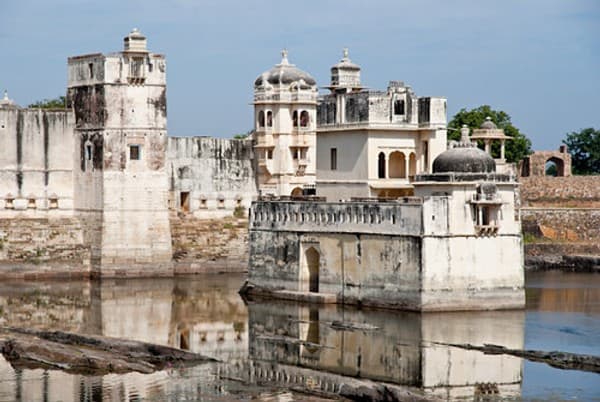
Chittorgarh
Chittorgarh Fort (Chittor) is one of the largest forts in India and a symbol of Rajput valour and sacrifice. It served as the capital of the Mewar kingdom and played a central role in several historic sieges (notably by Alauddin Khalji, Bahadur Shah of Gujarat, and the Mughal emperor Akbar). The fort is part of the Hill Forts of Rajasthan UNESCO World Heritage Site and contains palaces, temples, towers and reservoirs that reflect medieval Rajput architecture and civic planning.
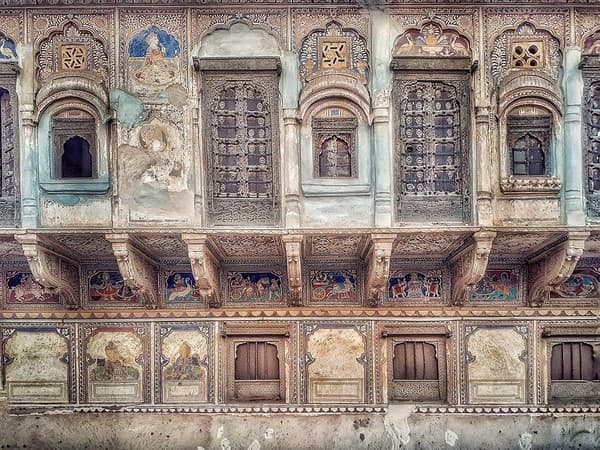
Shekhawati Region
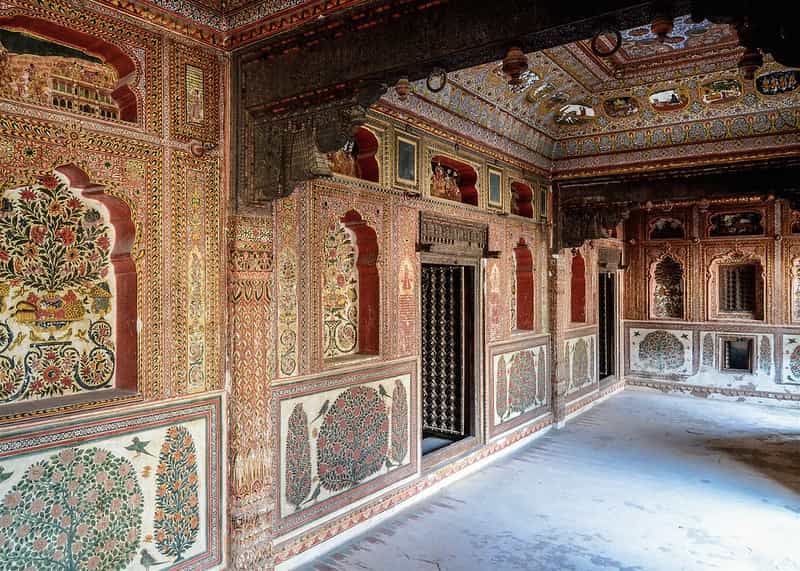
Shekhawati is known as an open-air art gallery of Rajasthan. Located in northeastern Rajasthan (mainly Jhunjhunu and Sikar districts), it flourished from the 17th to early 20th centuries as a wealthy trading region controlled by the Shekhawat Rajputs. Marwari merchants who made fortunes through trade across India and beyond invested in ornate havelis (merchant mansions), temples and stepwells richly decorated with frescoes. The region's painted architecture records social history, trade links, colonial encounters and everyday life, making it important for studies of commerce, art history, and vernacular architecture.
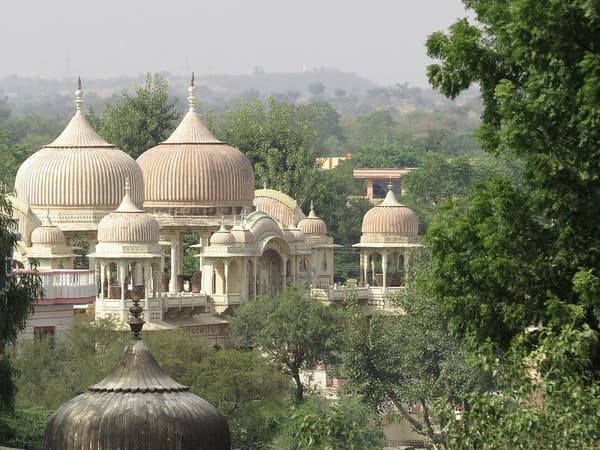
Mandawa
Mandawa, located in the Shekhawati region of Rajasthan, is an 18th-century trading town famed for its richly painted havelis and forts. Once a prosperous caravan stop on the trade routes between India and Central Asia, the town's merchants invested heavily in ornate mansions whose frescoes and architecture make Mandawa an "open-air art gallery" and an important example of Rajasthani merchant-class heritage.
Nawalgarh
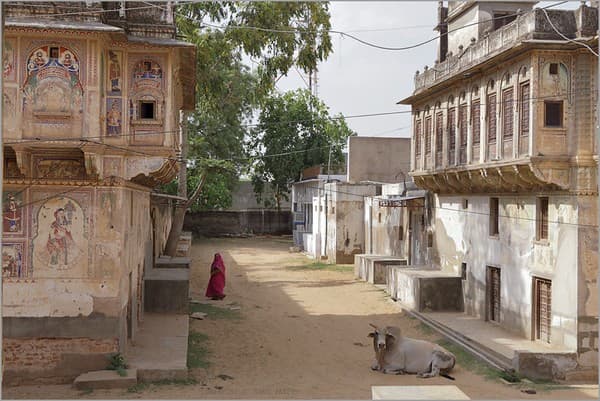
Nawalgarh is a historic town in the Shekhawati region of Rajasthan (Jhunjhunu district), built in the late 18th century by the Kachwaha rulers and developed by prosperous Marwari trading families. It is renowned for its richly painted havelis (merchant mansions) whose frescoes and murals depict mythological scenes, local life, and colonial influences — making the town an open-air art gallery and an important example of Rajasthani merchant architecture and urban culture.
Sawai Madhopur
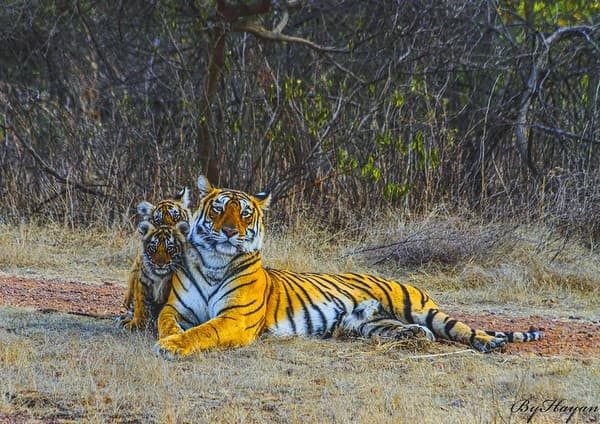
Sawai Madhopur is best known as the gateway to Ranthambore National Park, one of India's premier tiger reserves and a flagship site for wildlife conservation. Historically, the region centers around Ranthambore Fort, an ancient stronghold with layers of Rajput and Mughal history. Culturally, the town reflects typical Rajasthani traditions—folk music, crafts, and festivals—and serves as a base for rural tourism and heritage hospitality. Naturally, the area's dry deciduous forests, lakes and rocky outcrops create a rich ecosystem supporting tigers, leopards, deer, marsh crocodiles and a diverse birdlife.
Bharatpur
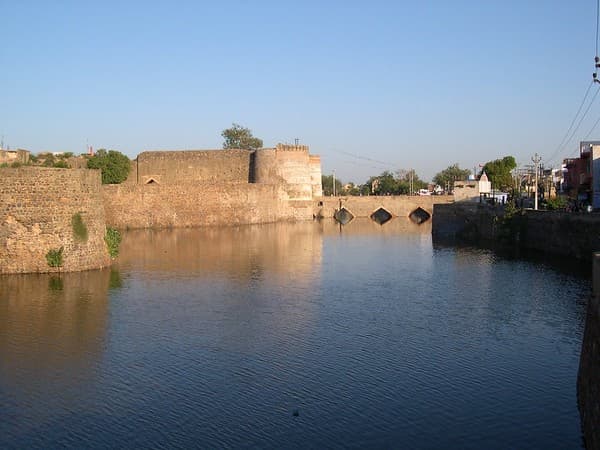
Bharatpur, Rajasthan is historically the capital of the princely Bharatpur State (founded by the Jat ruler Suraj Mal) and is known for its strong defensive legacy (Lohagarh — 'Iron Fort'). Culturally it sits in the Braj region with deep links to classical Rajasthani and Braj traditions, festivals and cuisine. Natural importance is dominated by Keoladeo Ghana National Park (Bharatpur Bird Sanctuary) — a globally important wetland and a UNESCO World Heritage Site celebrated for its seasonal migration of hundreds of bird species.
Jhalawar
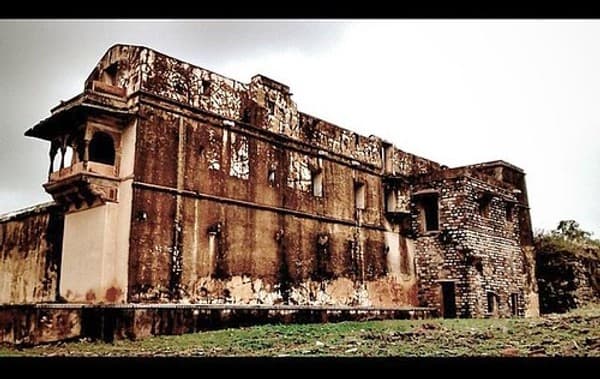
Overview: Jhalawar (district and town) in southeastern Rajasthan is known for its rich agricultural land, historical palaces and forts associated with the Jhala rulers, and important religious sites. The region acts as a cultural crossroads between Rajasthan and neighboring Madhya Pradesh, with a mix of Rajput and local tribal influences. Natural importance includes forests and wildlife in the Sitamata Sanctuary and fertile river valleys (Kali Sindh) supporting horticulture, especially citrus orchards.
Nagaur
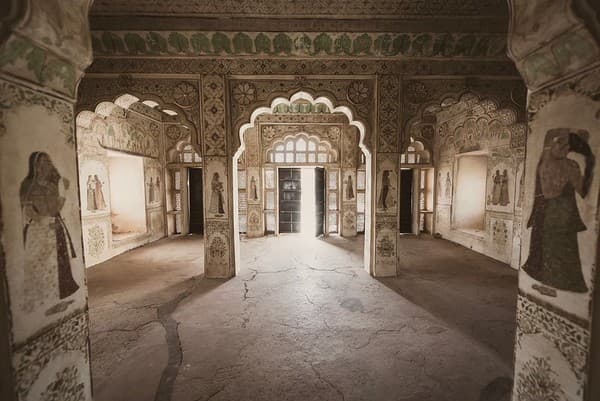
Nagaur is an important historic town in central Rajasthan known primarily for the imposing Nagaur Fort, centuries-old temples and dargahs, and its role as a trading and caravan hub between the Thar region and the plains. The fort's layered architecture (Rajput and later Mughal influences) and painted interiors reflect the region's political and artistic history. Nagaur also showcases rural Rajasthani culture — traditional livestock trading, folk music, and crafts — particularly visible during its famous fair.
Amber Fort (Amer Fort)
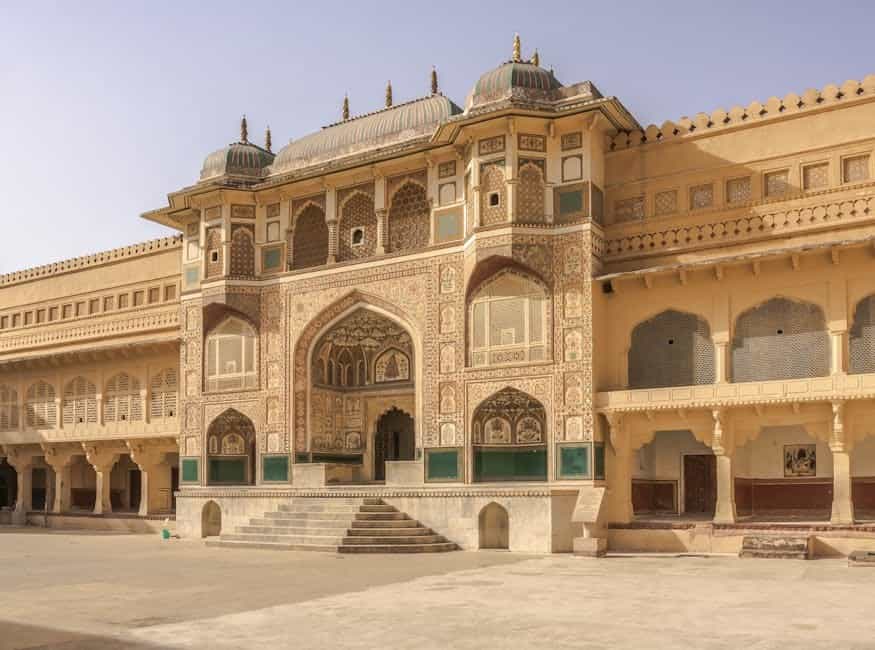
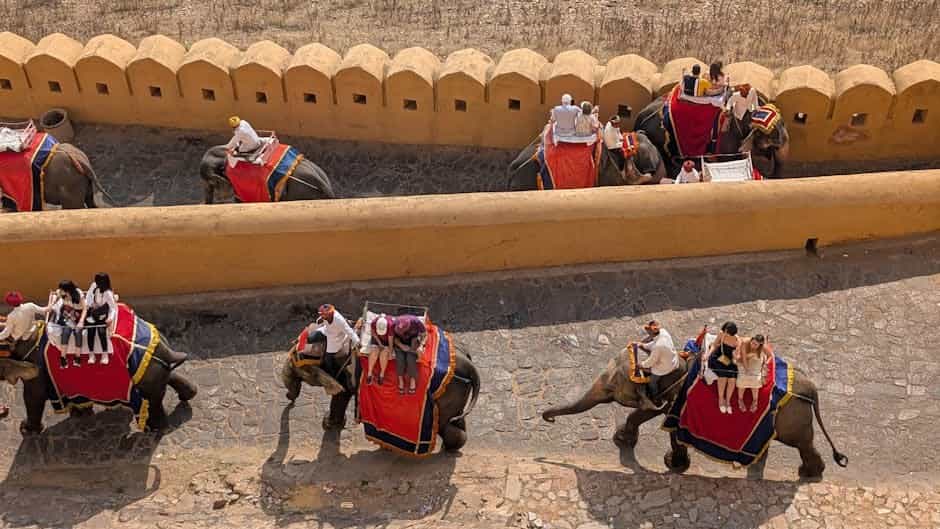
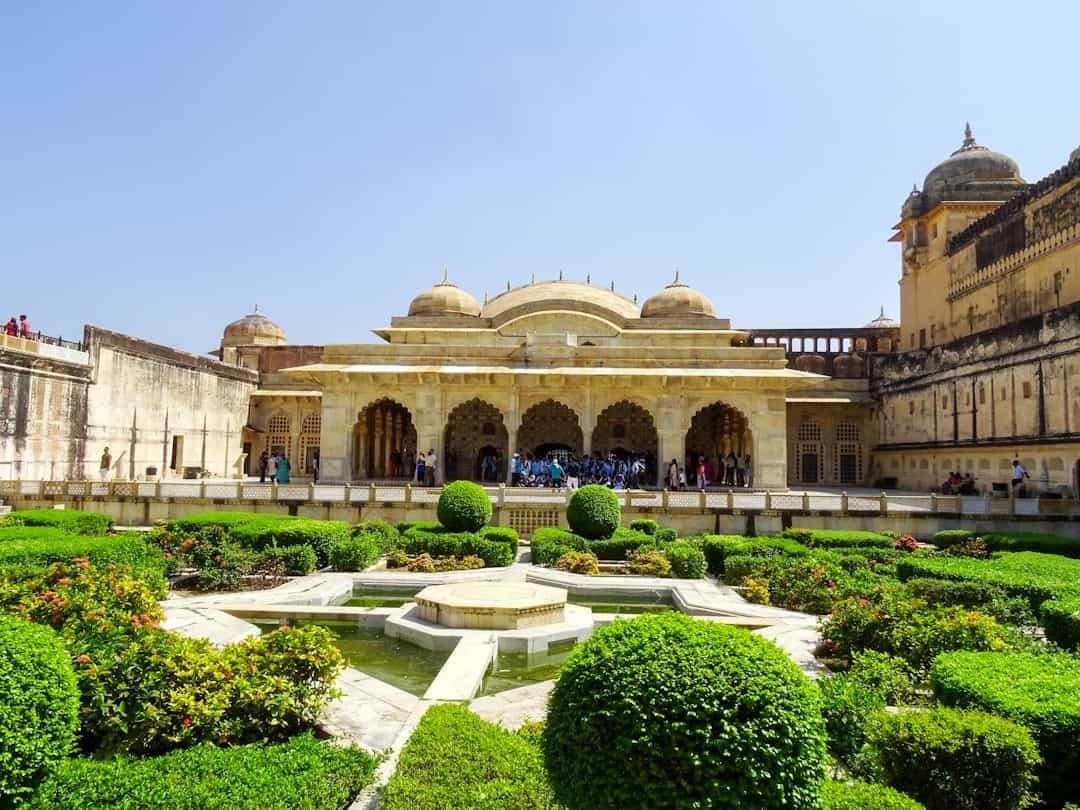
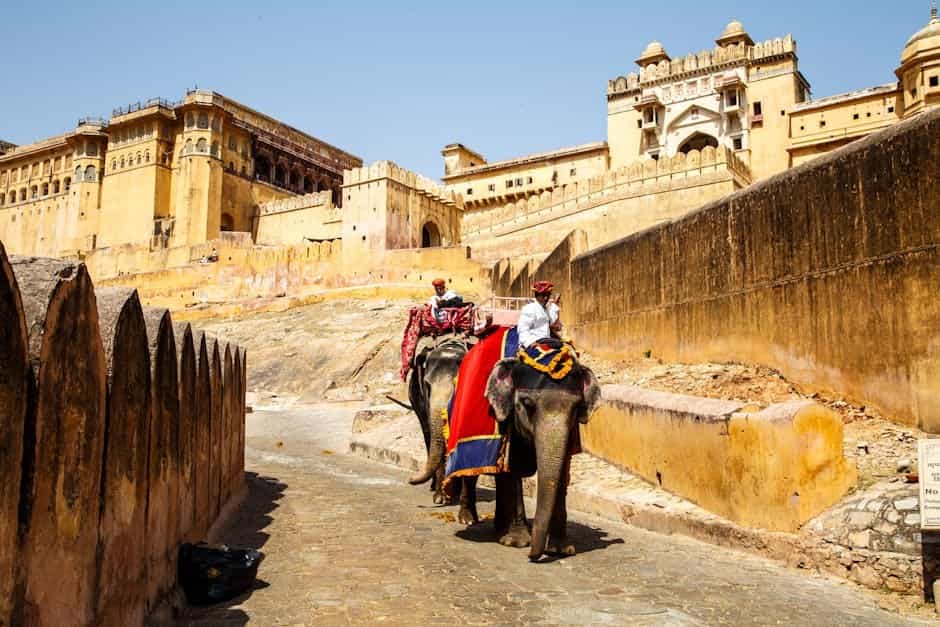
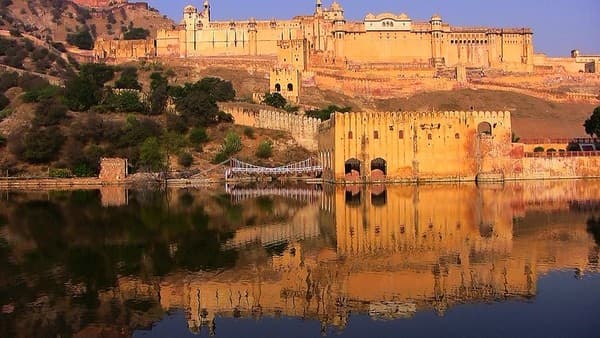
Amber Fort (also spelled Amer Fort) is a principal tourist attraction in Jaipur district of Rajasthan, India. Built primarily of red sandstone and marble, the fort was constructed in stages from the late 16th century under Raja Man Singh I and successive Kachwaha rulers. It served as the capital of the Kachwaha dynasty before Jaipur was founded and is a fine example of Rajput architecture combined with Mughal design elements. The fort complex includes palaces, halls, gardens, and temples, and reflects the political and cultural importance of the Rajput court as well as its artistic patronage.